Product Introduction
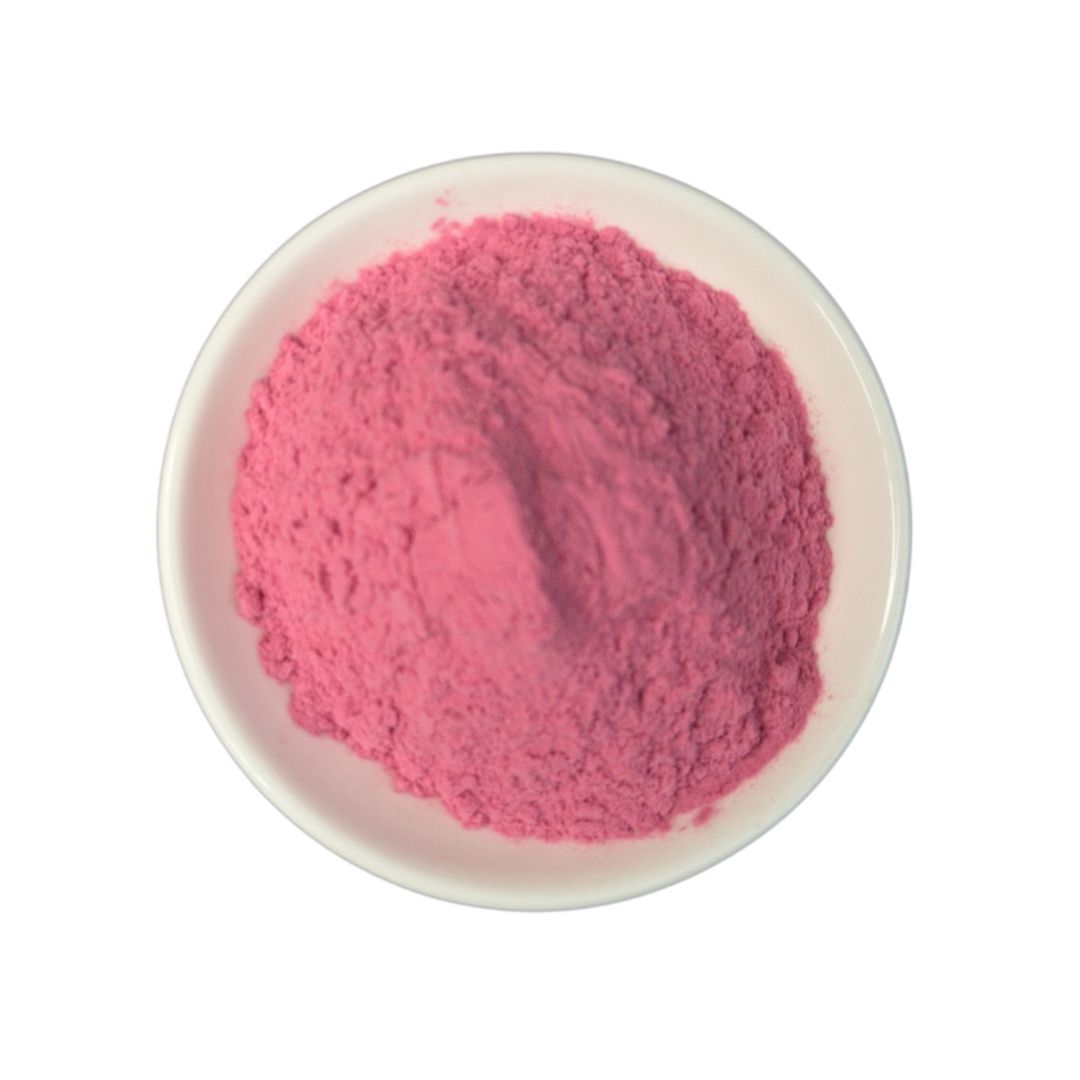
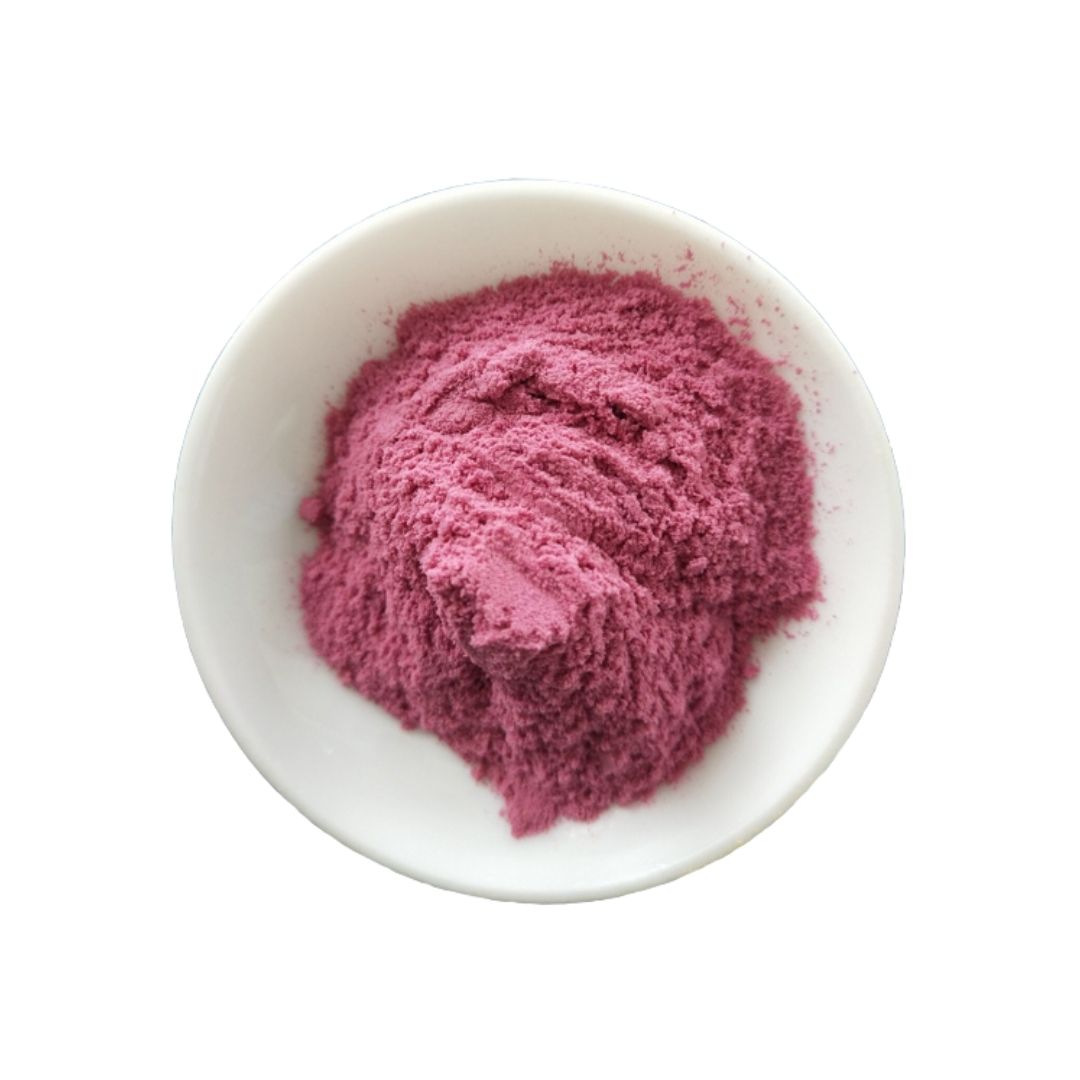
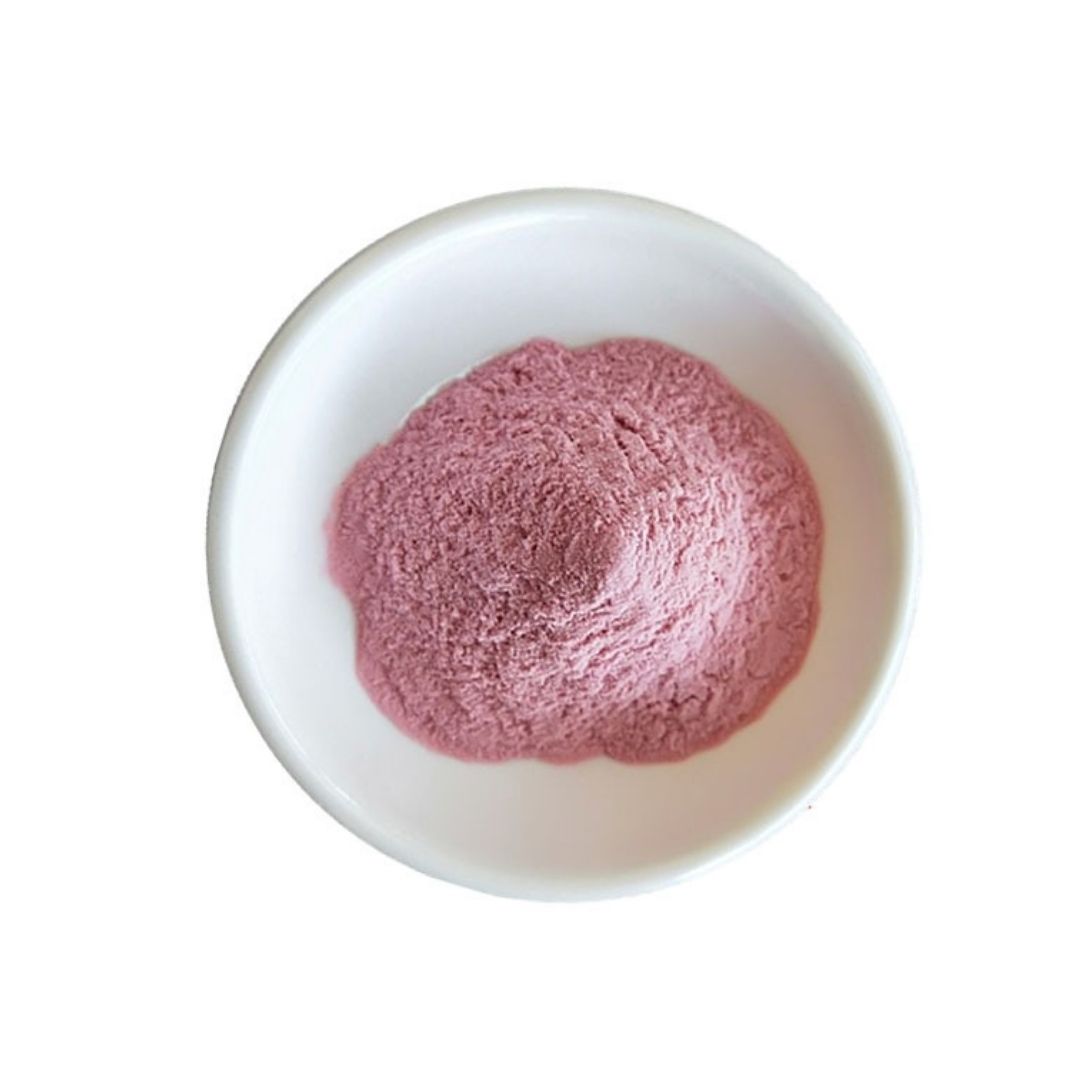
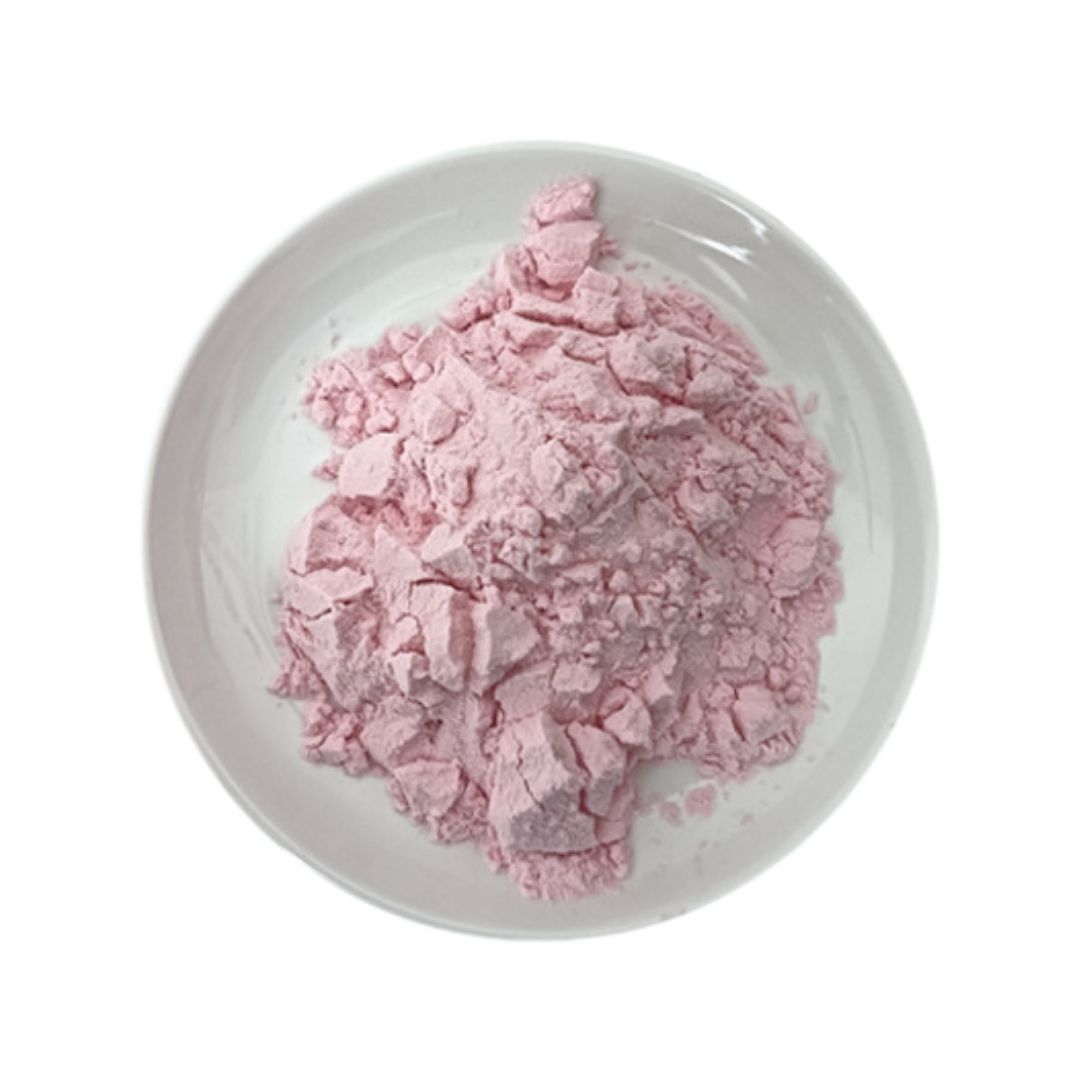
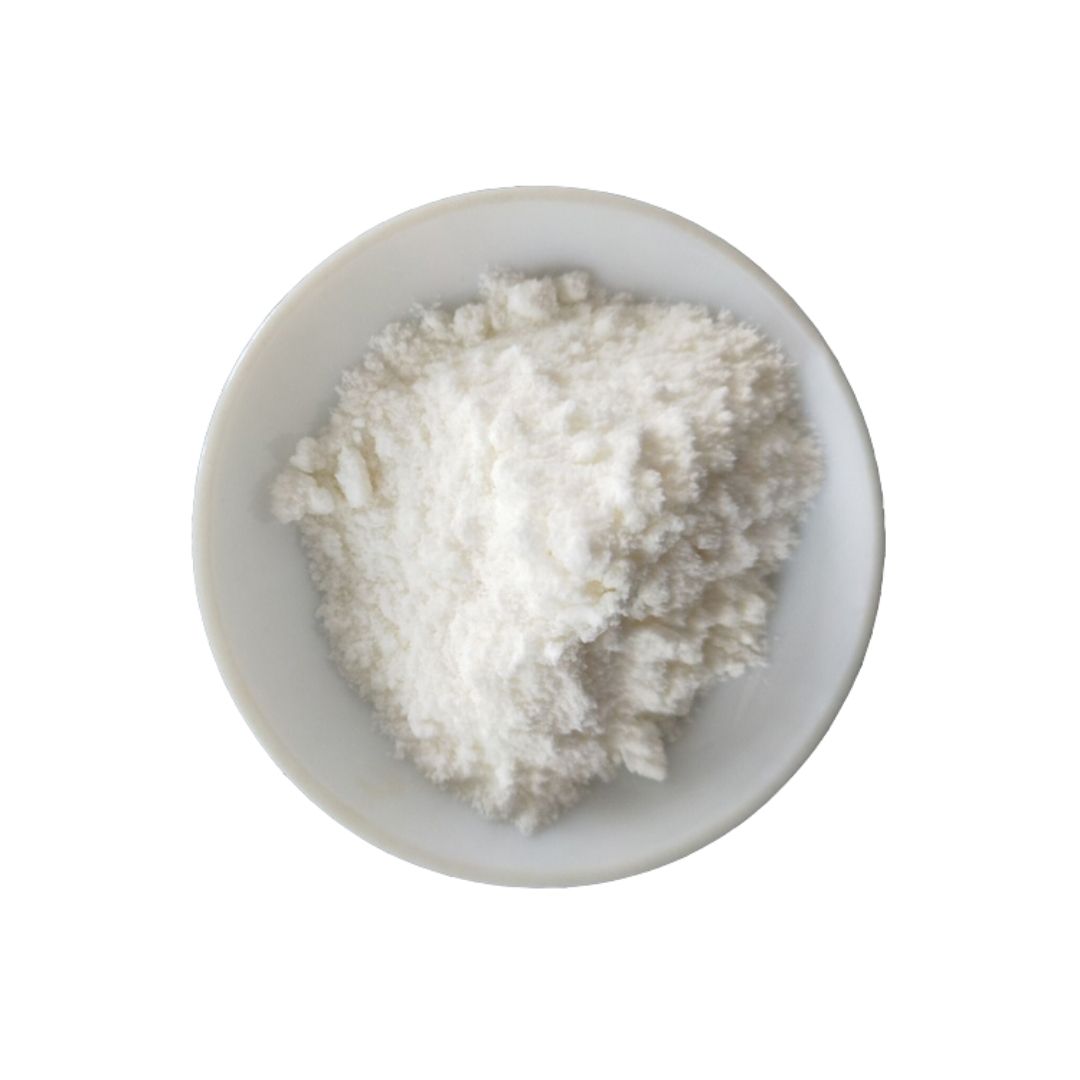
Phyllanthus emblica powder, commonly known as amla powder, is derived from the fruit of the Phyllanthus emblica tree. This plant has been used for centuries in traditional Ayurvedic medicine for its numerous health benefits. The powder is rich in antioxidants and other bioactive compounds, making it a popular ingredient in both dietary supplements and skincare products.
Production Process
The production of Phyllanthus emblica powder typically involves drying and grinding the fruit. The drying process can be done through various methods, including sun drying or using machines to speed up the process. Once dried, the fruit is ground into a fine powder. Some manufacturers may use additional steps to enhance the nutritional content, such as mixing the powder with fresh juice and drying it again.
Nutrition Facts
Phyllanthus emblica powder is an excellent source of vitamin C, amino acids, and minerals. It is particularly noted for its high vitamin C content, which is significantly higher than that found in common citrus fruits. The powder is also low in calories and contains no sugar, making it a nutritious addition to a healthy diet.
Product Components and Benefits
The main components of Phyllanthus emblica powder include ascorbic acid, phenolic compounds like gallic acid and ellagic acid, and flavonoids such as quercetin and kaempferol. These compounds contribute to its antioxidant, anti-inflammatory, and potential anti-cancer properties. The powder is also believed to support heart health by helping manage cholesterol levels and may assist in regulating blood sugar levels.
Product Applications
Phyllanthus emblica powder is widely used in Ayurvedic medicine for treating conditions like diarrhea, jaundice, and inflammation. It is also consumed as a dietary supplement to boost immunity and improve overall health. In skincare, the powder is valued for its ability to brighten the skin and improve skin health due to its antioxidant properties. Additionally, it is used in various culinary dishes and traditional remedies across South Asia.
Citations:
https://www.cultivatornatural.com/project/phyllanthus-emblica-amla-fruits/
https://www.drugs.com/npp/emblica.html
https://www.cultivatornatural.com/project/phyllanthus-emblica-amla-fruits-powder/
https://scalar.usc.edu/works/plants-and-people/the-wonder-berry--phyllanthus-emblica
https://pmc.ncbi.nlm.nih.gov/articles/PMC10637531/

As a sales manager, I’m here to make sure you get exactly what you need for your dietary supplements. From sourcing to delivery, I’m always by your side, ensuring smooth and friendly service. Let’s make your products even better! 🥰🌿