

Product Introduction
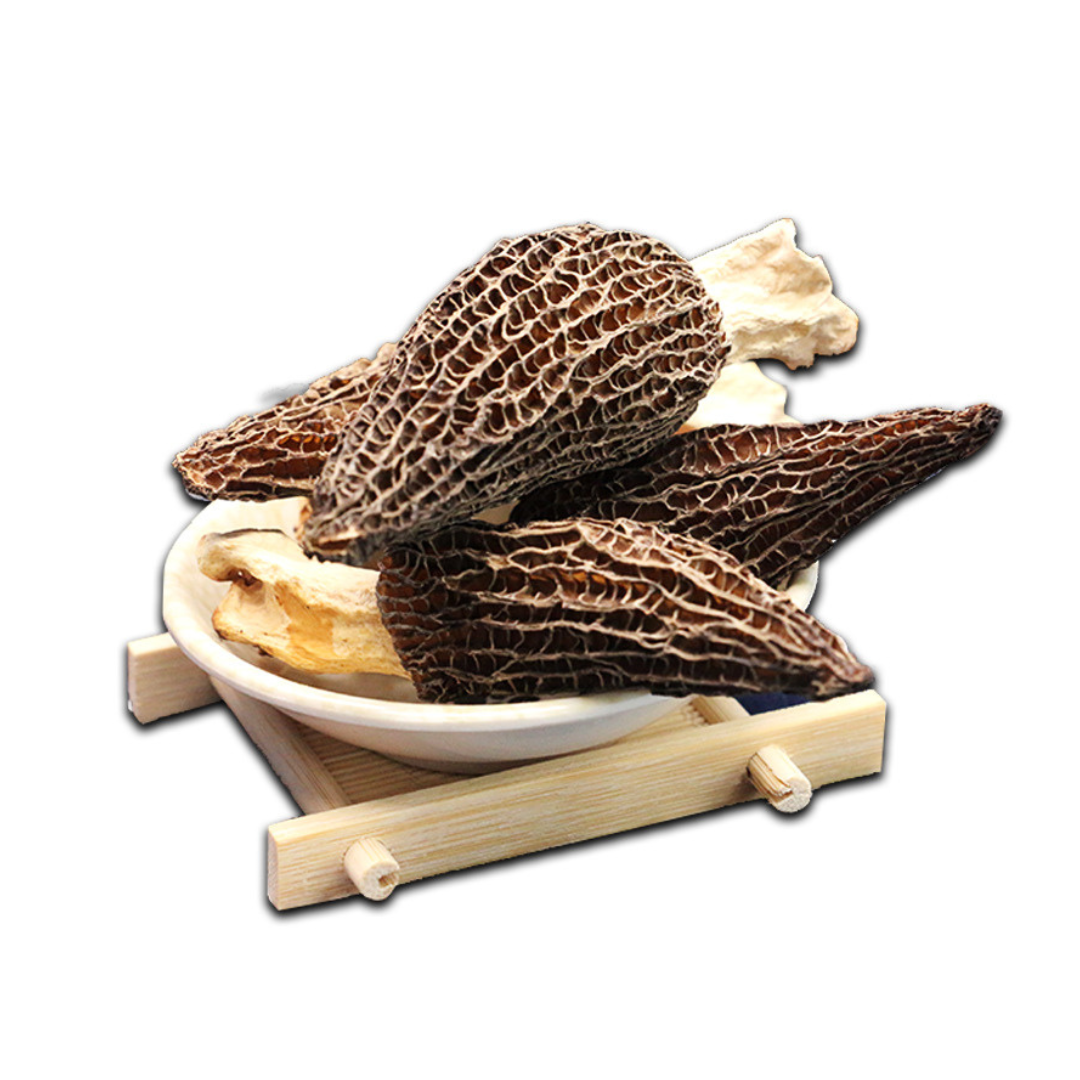
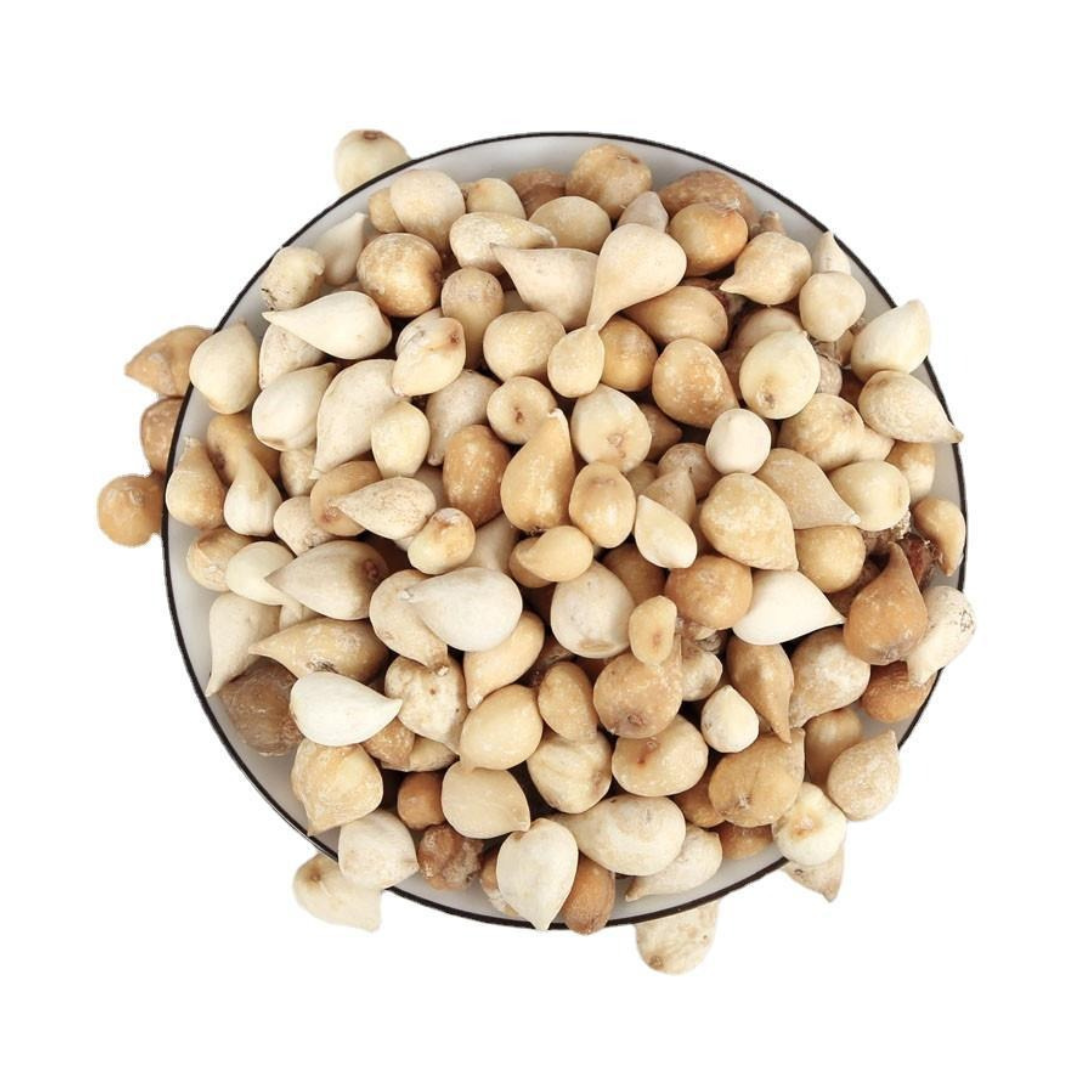
Light Sagittaria Powder is derived from the Sagittaria trifolia plant, commonly known as arrowhead or kuwai, which is valued for its edible tubers and medicinal properties, and this powder form offers a versatile way to incorporate the plant’s benefits into various applications. Sagittaria trifolia is an aquatic plant that grows in wetlands and shallow water and is characterized by its arrow-shaped leaves and starchy tubers. [1] The plant is native to East Asia, including China, Japan, and Korea, where it has been cultivated for centuries as a food source and traditional medicine. [2]
Production Process
The production of Light Sagittaria Powder involves several key steps, beginning with the careful selection and harvesting of mature Sagittaria trifolia tubers, and these tubers are then thoroughly cleaned to remove any dirt and debris. After cleaning, the tubers are sliced into smaller pieces to facilitate efficient drying, and these slices are then dried using methods such as air drying, freeze-drying or vacuum drying, and freeze-drying and vacuum drying are preferred as they help to preserve the nutritional content and natural color of the plant material. [3] Once dried, the Sagittaria trifolia slices are milled into a fine powder using industrial grinders, and the powder is then sieved to ensure a uniform particle size, critical for consistent quality and ease of use in various applications. Throughout the process, quality control measures are implemented to monitor parameters such as moisture content, purity, and microbial load, which ensures that the final product meets the required standards for safety and efficacy. [4]
Product Applications
Light Sagittaria Powder has a wide range of applications across various industries, and in traditional medicine, it is used for its potential anti-inflammatory, antioxidant, and detoxification properties. [5] It is often included in herbal formulations to address conditions such as inflammation, infections, and digestive disorders. In the culinary world, Light Sagittaria Powder can be used as a thickening agent in soups, stews, and sauces, or it can be added to baked goods to enhance their nutritional profile. Furthermore, the powder is sometimes used in the production of traditional desserts and snacks in Asian countries. [6] In the nutraceutical industry, it is used as a dietary supplement, providing a concentrated source of vitamins, minerals, and bioactive compounds, and it is often encapsulated or added to powdered drink mixes. Additionally, Light Sagittaria Powder is utilized in the cosmetics industry for its potential skin-soothing and antioxidant properties, and it can be found in facial masks, creams, and other skincare products. [7]
Packaging and Storage
Light Sagittaria Powder is typically packaged in airtight containers such as sealed bags or jars to protect it from moisture, light, and air, and this helps to maintain its quality and prevent degradation. [8] It should be stored in a cool, dry place away from direct sunlight and heat, with optimal storage conditions being at a temperature below 25°C and a relative humidity below 60%. Proper storage is essential to prevent clumping, discoloration, and loss of potency, and under these conditions, Light Sagittaria Powder can maintain its quality for up to two years. [9]
Citations:
[1] Bown, Deni. Encyclopedia of Herbs and Their Uses. London: Dorling Kindersley, 1995.
[2] Facciola, Stephen. Cornucopia II: A Source Book of Edible Plants. Vista, CA: Kampong Publications, 1998.
[3] Ratti, Cristina. "Hot air and freeze-drying of high-value foods: a review." Journal of Food Engineering 49.4 (2001): 311-319.
[4] Heldman, Dennis R., and Richard W. Hartel. Principles of Food Processing. Springer Science & Business Media, 1997.
[5] Duke, James A. Handbook of Medicinal Herbs. Boca Raton, FL: CRC Press, 2002.
[6] Davidson, Alan. The Oxford Companion to Food. Oxford University Press, 2014.
[7] Dweck, Anthony C. "Formulating natural cosmetics." Allured books (2009).
[8] Marsh, K., and R. Bugusu. "Food packaging—Roles, materials, and environmental issues." Journal of Food Science 72.3 (2007): R39-R55.
[9] Robertson, Gordon L. Food Packaging: Principles and Practice. CRC press, 2013.

As a sales manager, I’m here to make sure you get exactly what you need for your dietary supplements. From sourcing to delivery, I’m always by your side, ensuring smooth and friendly service. Let’s make your products even better! 🥰🌿