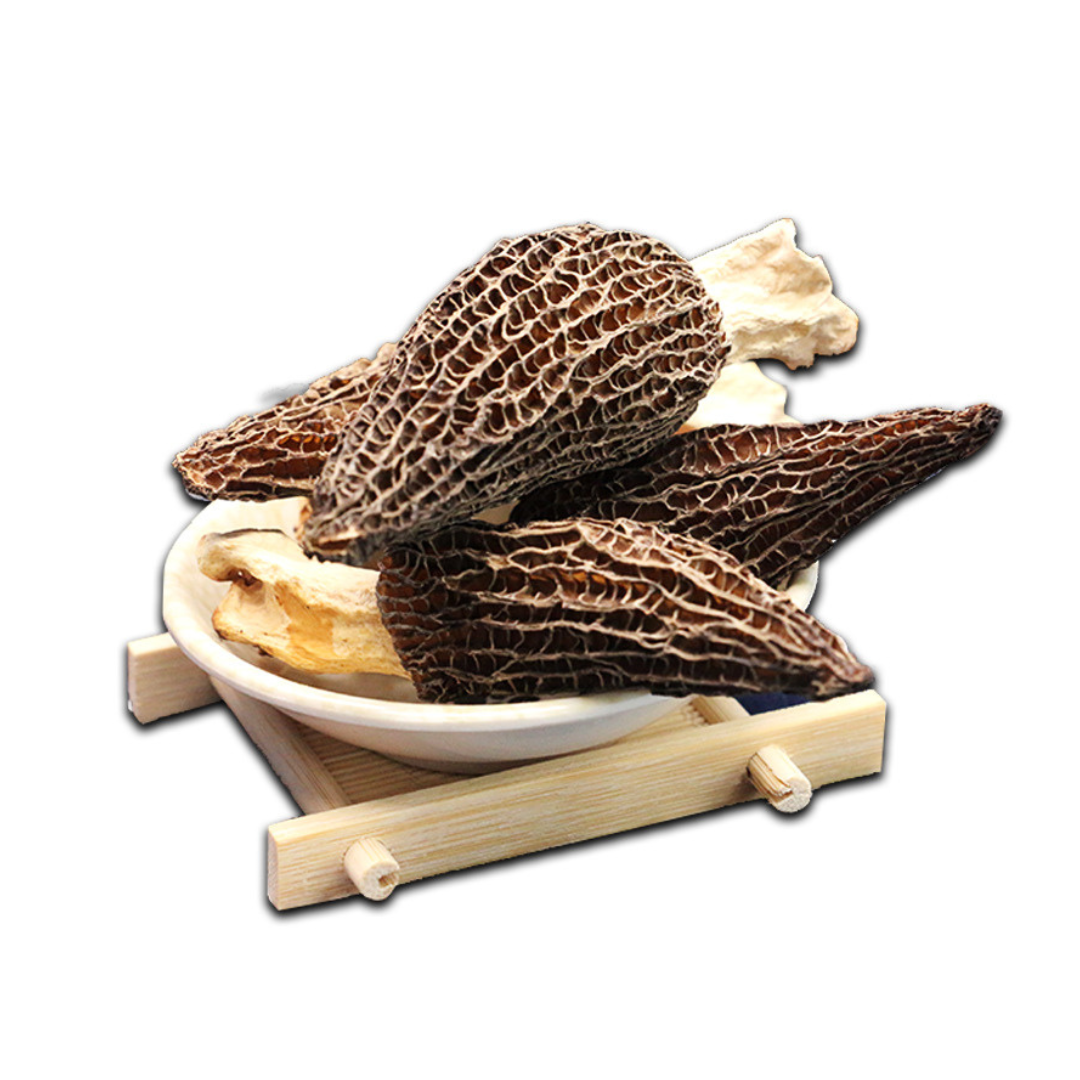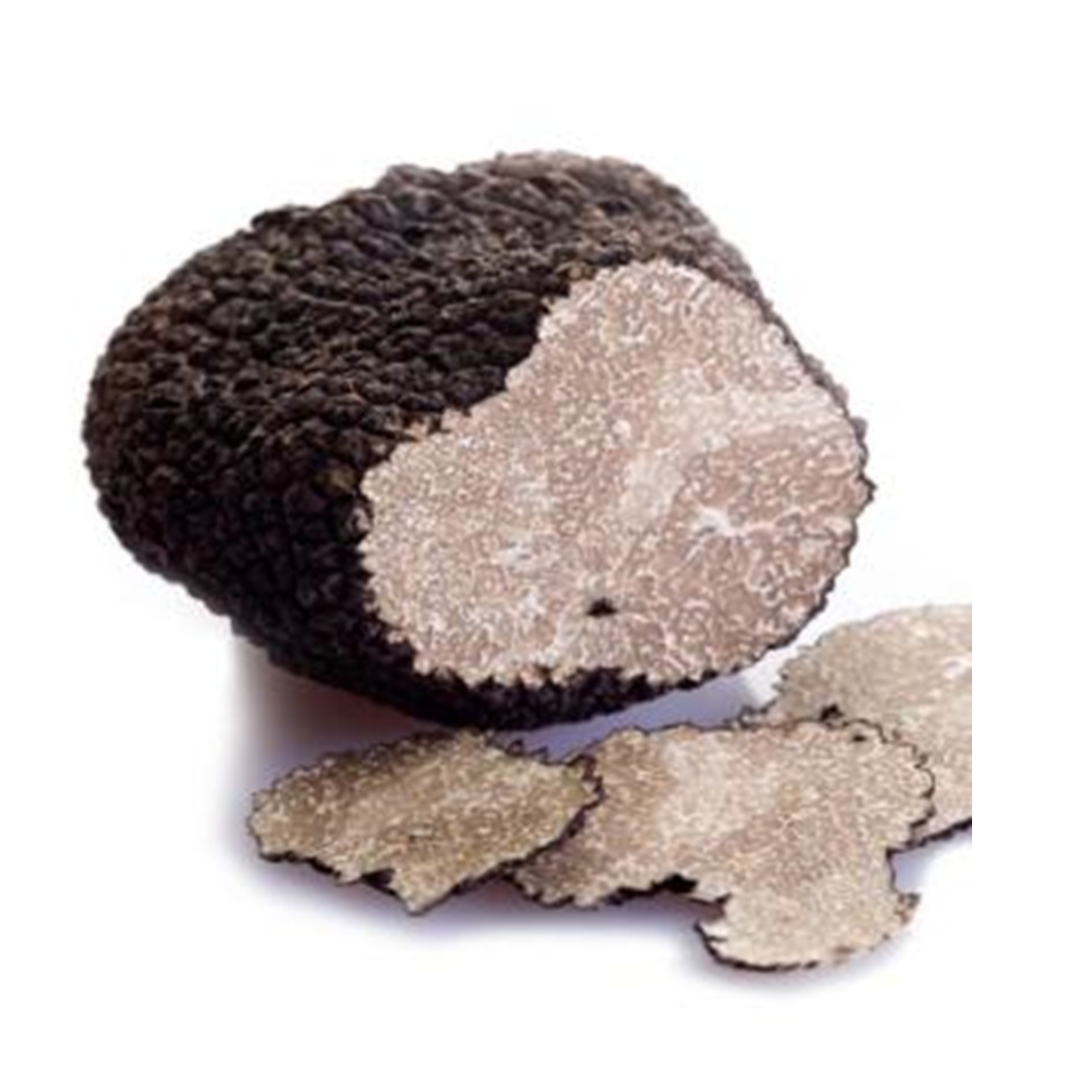


Product Introduction
Dehydrated black truffle powder is a concentrated form of the black truffle, a highly prized edible fungus, also known as Tuber melanosporum. The dehydration process removes moisture, resulting in a product with an extended shelf life and intensified flavor profile. This powder form allows for ease of incorporation into a variety of culinary applications, providing a consistent truffle flavor [1]. It offers chefs and home cooks a convenient way to add the distinctive taste of black truffles to dishes without the challenges associated with fresh truffles, such as seasonality and perishability [2]. The powder retains the key volatile compounds responsible for the truffle's characteristic aroma and taste, ensuring that the final dish benefits from its unique sensory qualities [3].
Production Process
The production of dehydrated black truffle powder typically involves several key steps, beginning with the selection of high-quality, mature black truffles. These truffles are then thoroughly cleaned to remove any soil or debris [4]. Slicing the truffles into thin pieces increases the surface area, which facilitates efficient moisture removal during the drying process [5]. The sliced truffles are then subjected to dehydration, often using freeze-drying or air-drying methods. Freeze-drying, or lyophilization, involves freezing the truffles and then reducing the surrounding pressure to allow the frozen water to sublimate directly from the solid phase to the gas phase [6]. This method preserves the truffle's aroma, flavor, and structure more effectively than air-drying, which uses warm air to evaporate moisture [7]. After drying, the truffle slices are milled into a fine powder and then packaged to prevent moisture reabsorption and preserve freshness [8].
Product Applications
Dehydrated black truffle powder finds widespread use in various culinary applications, primarily as a flavoring agent. It can be added to sauces, soups, and stews to impart a rich, earthy flavor [9]. It is also employed as a seasoning for meat, poultry, and seafood dishes, enhancing their savory notes [10]. In vegetarian and vegan cuisine, the powder can elevate the taste of dishes such as risotto, pasta, and vegetable gratins [11]. Furthermore, it is used in the production of gourmet food items such as truffle oil, truffle butter, and truffle-infused salts [12]. The versatility of the powder allows for precise control over the intensity of truffle flavor, making it a valuable ingredient for both professional chefs and home cooks [13].
Packaging and Storage
Proper packaging and storage are essential to maintain the quality and extend the shelf life of dehydrated black truffle powder. It is typically packaged in airtight containers, such as glass jars or resealable pouches, to prevent moisture absorption [14]. The packaging material should also be opaque or tinted to protect the powder from light exposure, which can degrade its flavor and aroma [15]. Storage should be in a cool, dry, and dark place, away from direct sunlight and heat [16]. The ideal storage temperature is between 4°C and 20°C (39°F and 68°F) [17]. Under these conditions, dehydrated black truffle powder can maintain its quality for up to 12-24 months [18]. Regular inspection for signs of moisture or spoilage is recommended to ensure product safety and quality [19].
Citations
[1] Pacioni, G., Montecchi, A., & Peter, M. (2015). The World of Truffles. White Star.
[2] Zambonelli, A., & Giometti, F. (2012). Edible and Poisonous Mushrooms of the World. CRC Press.
[3] Beug, M. W. (2014). Mushrooms of Cascadia. Timber Press.
[4] Læssøe, T., & Del Conte, A. (2007). Mushrooms. Dorling Kindersley.
[5] Arora, D. (1986). Mushrooms Demystified. Ten Speed Press.
[6] Fellows, P. J. (2009). Food Processing Technology: Principles and Practice. Woodhead Publishing.
[7] Ratti, C. (2001). Hot air and freeze-drying of high-value foods: a review. Journal of Food Engineering, 49(4), 311-319.
[8] Barbosa-Cánovas, G. V., Fontana, A. J., Schmidt, S. J., & Labuza, T. P. (2007). Water Activity in Foods: Fundamentals and Applications. Blackwell Publishing.
[9] McGee, H. (2004). On Food and Cooking: The Science and Lore of the Kitchen. Scribner.
[10] Potter, N. N., & Hotchkiss, J. H. (1995). Food Science. Springer.
[11] Smith, A. H., Weber, N. S., & Hesler, L. R. (1979). How to Know the Gilled Mushrooms. University of Michigan Press.
[12] Kindersley, D. (2009). Complete Illustrated Guide to Cookery. Dorling Kindersley.
[13] Brendler, T., Gruenwald, J., & Jaenicke, C. (2003). Medical Herbalism: 50 Plant Families of the World. Thieme.
[14] Marsh, K., & Bugusu, B. (2007). Food packaging—roles, materials, and environmental issues. Journal of Food Science, 72(3), R39-R55.
[15] Robertson, G. L. (2013). Food Packaging: Principles and Practice. CRC press.
[16] Kilcast, D., & Subramaniam, P. (2000). Food and beverage stability and shelf life. Woodhead Publishing.
[17] Lund, D. B. (1975). Heat processing. In Principles of Food Science (pp. 62-94). Springer.
[18] Rahman, M. S. (Ed.). (2007). Handbook of Food Preservation. CRC press.
[19] Codex Alimentarius Commission. (1969). General Principles of Food Hygiene. WHO/FAO.

As a sales manager, I’m here to make sure you get exactly what you need for your dietary supplements. From sourcing to delivery, I’m always by your side, ensuring smooth and friendly service. Let’s make your products even better! 🥰🌿