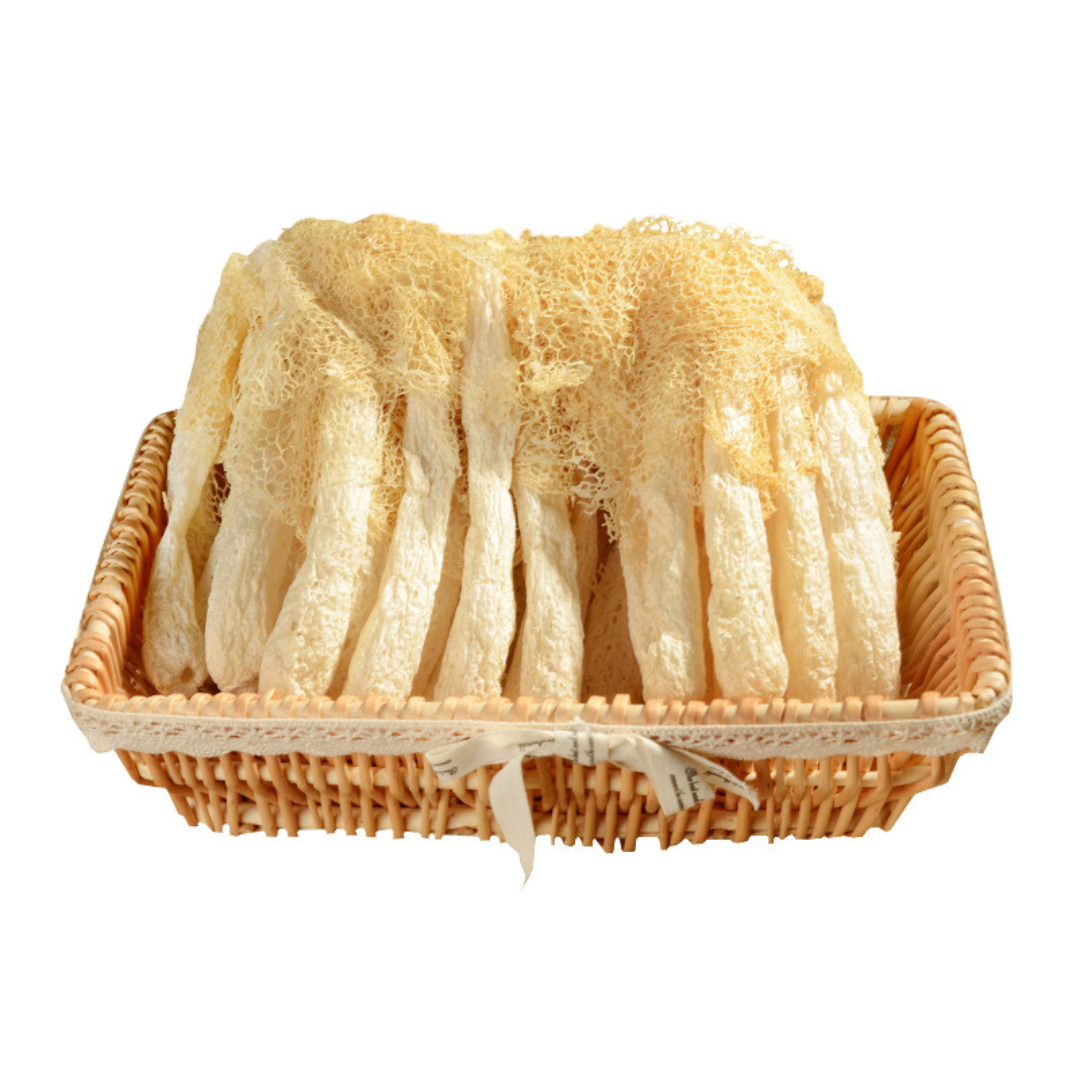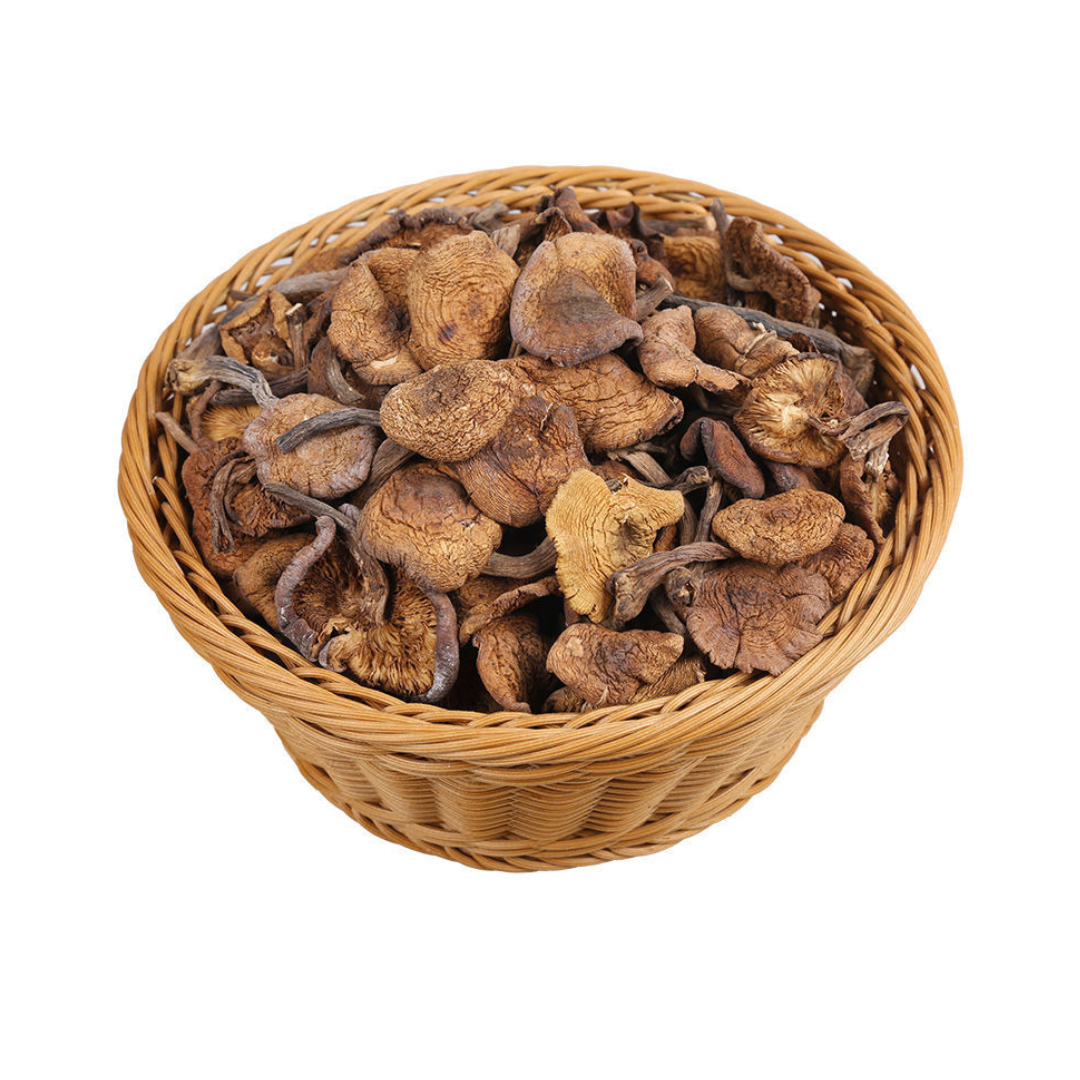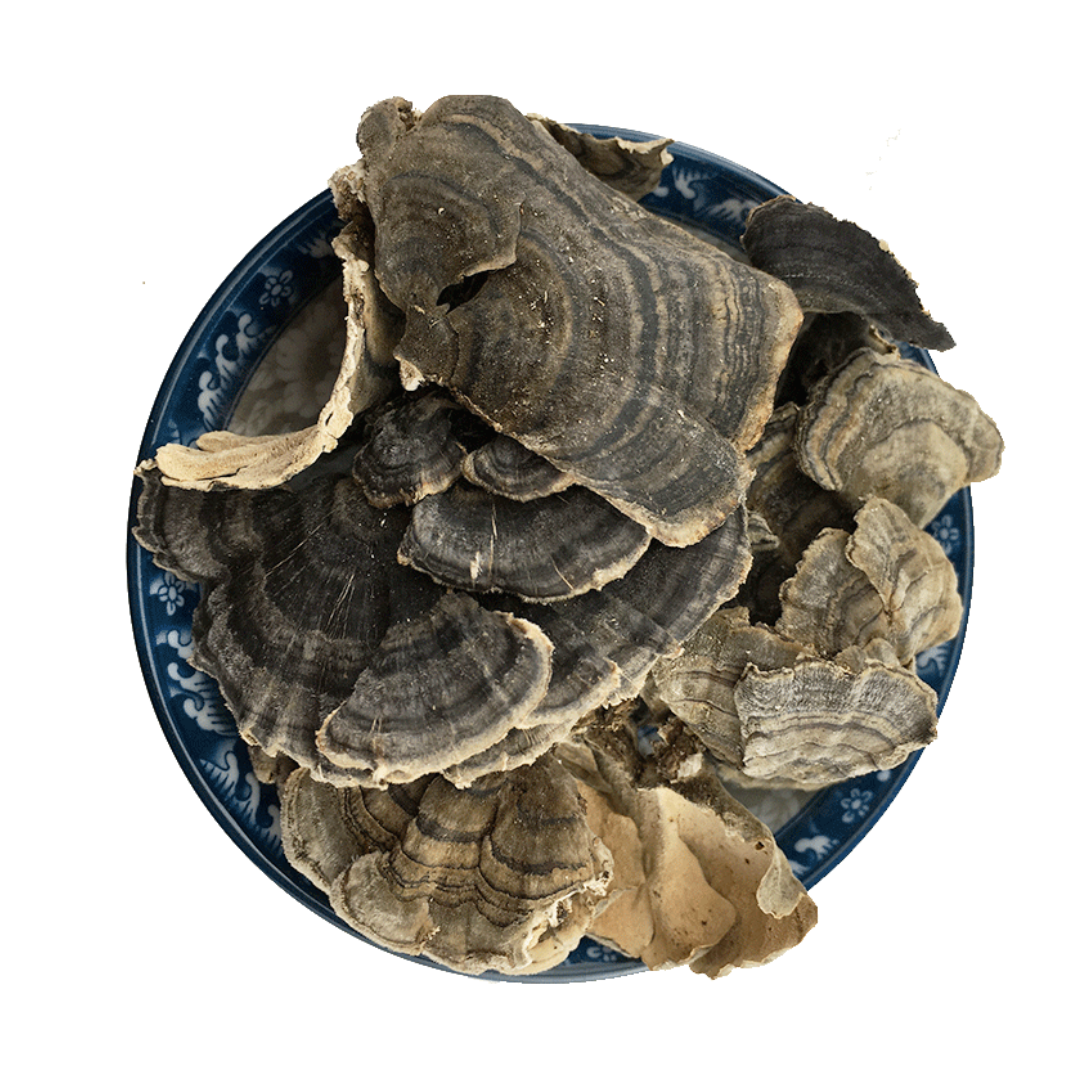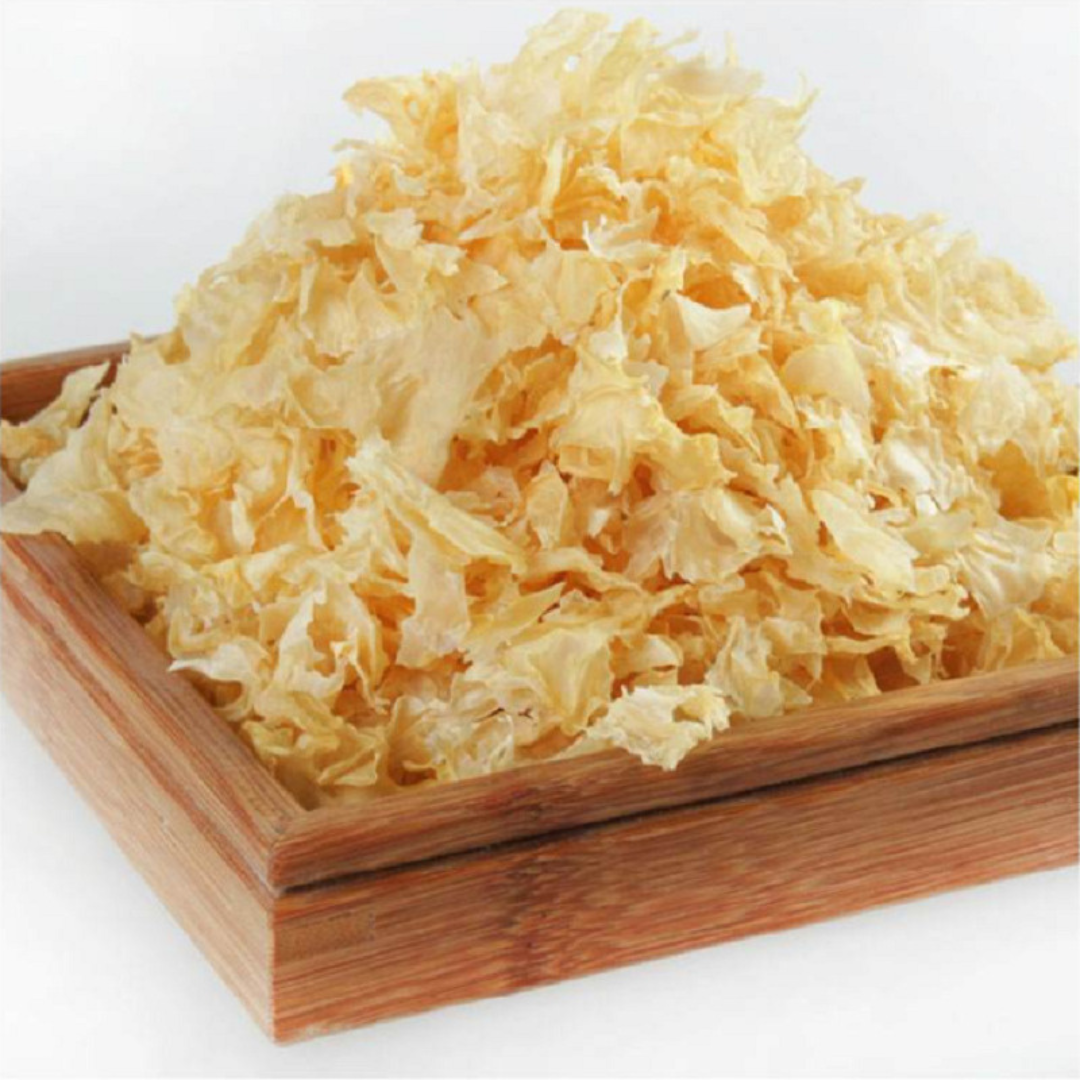


Product Introduction
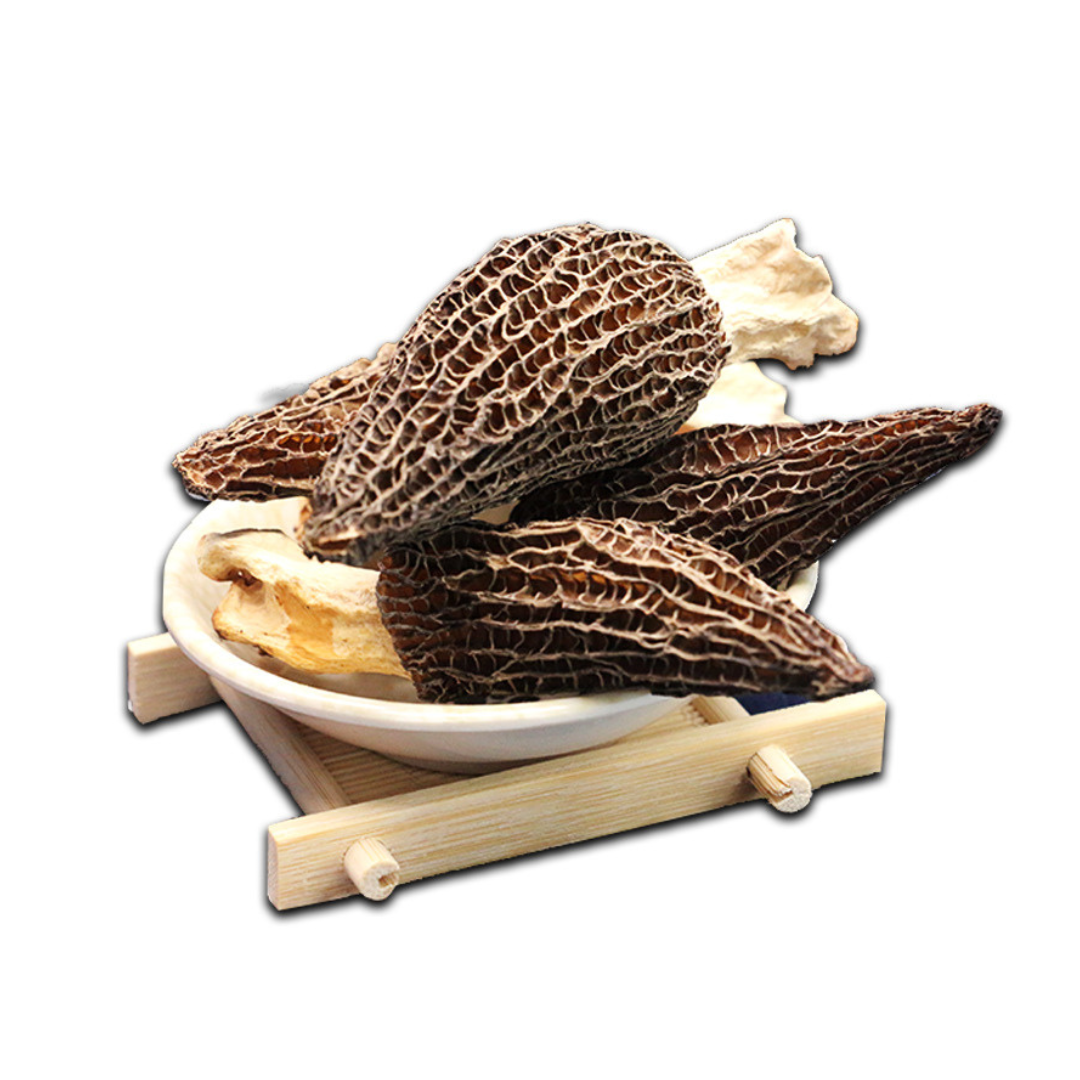
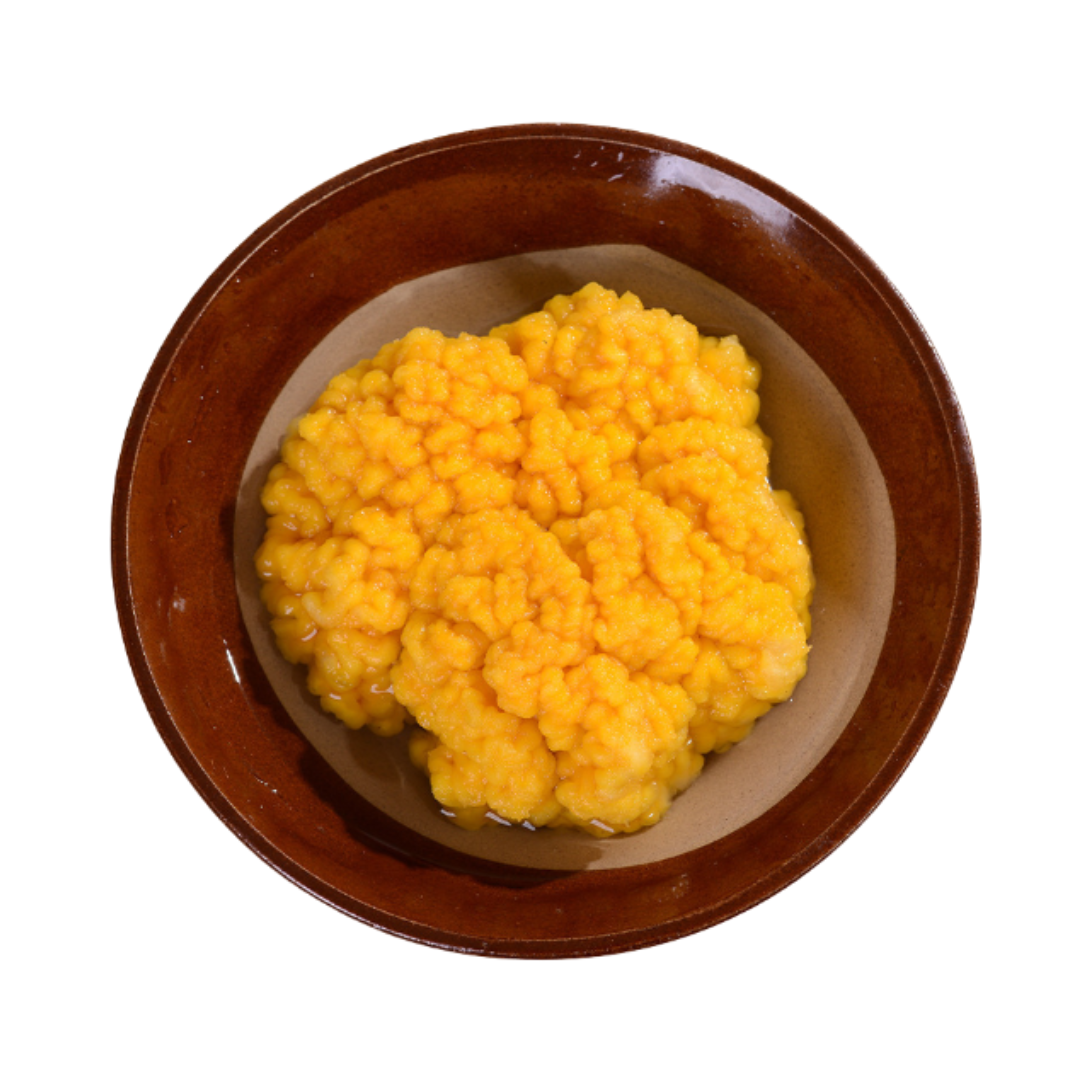
Golden ear mushroom powder, derived from the Tremella aurantia fungus, is a versatile ingredient valued for its unique texture and potential health benefits. The Tremella genus comprises approximately 118 species, primarily found in tropical regions and characterized by their distinctive gelatinous fruiting bodies [1]. Tremella aurantia, known for its golden-yellow color, is gaining popularity as a culinary and cosmetic ingredient due to its reported antioxidant and moisturizing properties [2]. Its conversion into powder form enhances its applicability across various industries, which makes it easy to incorporate into diverse product formulations.
Production Process
The production of golden ear mushroom powder begins with the careful cultivation and harvesting of Tremella aurantia. The mushrooms are typically grown on hardwood substrates under controlled environmental conditions to ensure optimal growth and quality [3]. Upon reaching maturity, they are harvested, thoroughly cleaned to remove any residual substrate or impurities, and then prepared for drying. Drying is a critical step that reduces the moisture content, which prevents microbial growth and preserves the mushroom’s nutritional and bioactive components [4]. Air-drying and freeze-drying are common methods employed; air-drying involves using warm air circulation, while freeze-drying, also known as lyophilization, involves freezing the mushrooms and then reducing the surrounding pressure to allow the frozen water to sublimate directly from the solid phase to the gas phase, thus removing moisture [5]. Freeze-drying generally results in better preservation of the mushroom’s original color, flavor, and nutritional profile compared to air-drying [6]. The dried mushrooms are then milled into a fine powder using industrial grinders or pulverizers. The resulting powder is sieved to ensure uniform particle size and packaged under hygienic conditions to maintain its quality and prevent contamination. Quality control measures, including testing for microbial load, heavy metals, and active compound content, are implemented throughout the production process to ensure the final product meets the required standards [7].
Product Applications
Golden ear mushroom powder is extensively used across various industries due to its unique properties. In the culinary field, it is utilized as a thickening agent in soups, stews, and sauces, providing a smooth, velvety texture [8]. It can also be incorporated into beverages and desserts for added nutritional value and subtle flavor [9]. The powder's reported health benefits, including antioxidant, anti-inflammatory, and moisturizing effects, have spurred its use in the dietary supplement and nutraceutical industries [10]. It is often encapsulated or added to powder blends aimed at promoting skin health and overall well-being. In the cosmetics industry, golden ear mushroom powder is valued for its moisturizing and anti-aging properties. It is incorporated into skincare products such as creams, lotions, and masks to enhance hydration, improve skin elasticity, and reduce the appearance of fine lines and wrinkles [11]. Some studies suggest that Tremella polysaccharides can hold up to 500 times their weight in water, making it a superior moisturizing agent compared to hyaluronic acid [12].
Packaging and Storage
Proper packaging and storage are essential to maintain the quality and extend the shelf life of golden ear mushroom powder. The powder should be packaged in airtight containers made of food-grade materials that prevent moisture absorption and exposure to air and light [13]. Aluminum foil pouches, glass jars, and high-density polyethylene (HDPE) containers are commonly used. The packaging should also include clear labeling with the product name, ingredient list, nutritional information, production date, expiration date, and storage instructions. Storage conditions should be cool, dry, and dark to minimize degradation of the powder's active compounds and prevent microbial growth [14]. The ideal storage temperature is between 4°C and 20°C (39°F and 68°F) with relative humidity below 60% [15]. Avoid placing the product near heat sources or areas with high humidity, such as the kitchen or bathroom. Under optimal storage conditions, golden ear mushroom powder typically has a shelf life of 12 to 18 months. Regular inspection of the packaging for any signs of damage or leakage is recommended to ensure product integrity [16].
Citations
[1] Loizides, M., et al. "Taxonomy and phylogeny of Tremella in Cyprus." Mycosphere 7.6 (2016): 798-818.
[2] Ooi, L. S., and Fung-Lung Liong. "Medicinal properties of Tremella fuciformis." Comprehensive Reviews in Food Science and Food Safety 9.5 (2010): 481-492.
[3] Yue, Q., et al. "Optimization of cultural conditions for mycelial growth and exo-polysaccharide production of Tremella aurantia." Journal of Food Science and Technology 52.11 (2015): 7293-7301.
[4] Ratti, C. "Drying of fruits and vegetables." drying technology 26.7 (2008): 895-904.
[5] Ciurzyńska, A., et al. "The influence of freeze-drying conditions on the bioactive compounds, colour, and microstructure of sour cherries." Food Chemistry 230 (2017): 482-489.
[6] Dissanayake, D. M. R. B., et al. "Effect of drying methods on the bioactive compounds and antioxidant activities of selected fruits and vegetables." Journal of the Science of Food and Agriculture 101.3 (2021): 1014-1021.
[7] Association of Official Analytical Chemists. Official Methods of Analysis. AOAC International, 2019.
[8] Chang, S. T., and Philip G. Miles. Mushrooms: cultivation, nutritional value, medicinal effect, and environmental impact. CRC press, 2008.
[9] Wasser, S. P. "Medicinal mushrooms as a source of antitumor and immunomodulating polysaccharides." Applied Microbiology and Biotechnology 60.3 (2002): 258-274.
[10] Kim, K. J., et al. "Antioxidant and anti-inflammatory activities of polysaccharides from Tremella aurantia." International Journal of Biological Macromolecules 125 (2019): 129-136.
[11] Ahn, H. J., et al. "Moisturizing effect of Tremella fuciformis polysaccharide in human skin." Mycobiology 43.3 (2015): 279-282.
[12] Leu, S. F., et al. "The effect of Tremella fuciformis polysaccharide on skin hydration: a randomized, controlled trial." Journal of Cosmetic Dermatology 16.4 (2017): 502-507.
[13] Marsh, K., and Bugusu, B. "Food packaging—roles, materials, and environmental issues." Journal of Food Science 72.3 (2007): R39-R55.
[14] Robertson, G. L. Food packaging: principles and practice. CRC press, 2016.
[15] Fellows, P. J. Food processing technology: principles and practice. Woodhead publishing, 2017.
[16] Kilcast, D., and Subramaniam, P. The stability and shelf-life of food. Woodhead publishing, 2011.

As a sales manager, I’m here to make sure you get exactly what you need for your dietary supplements. From sourcing to delivery, I’m always by your side, ensuring smooth and friendly service. Let’s make your products even better! 🥰🌿