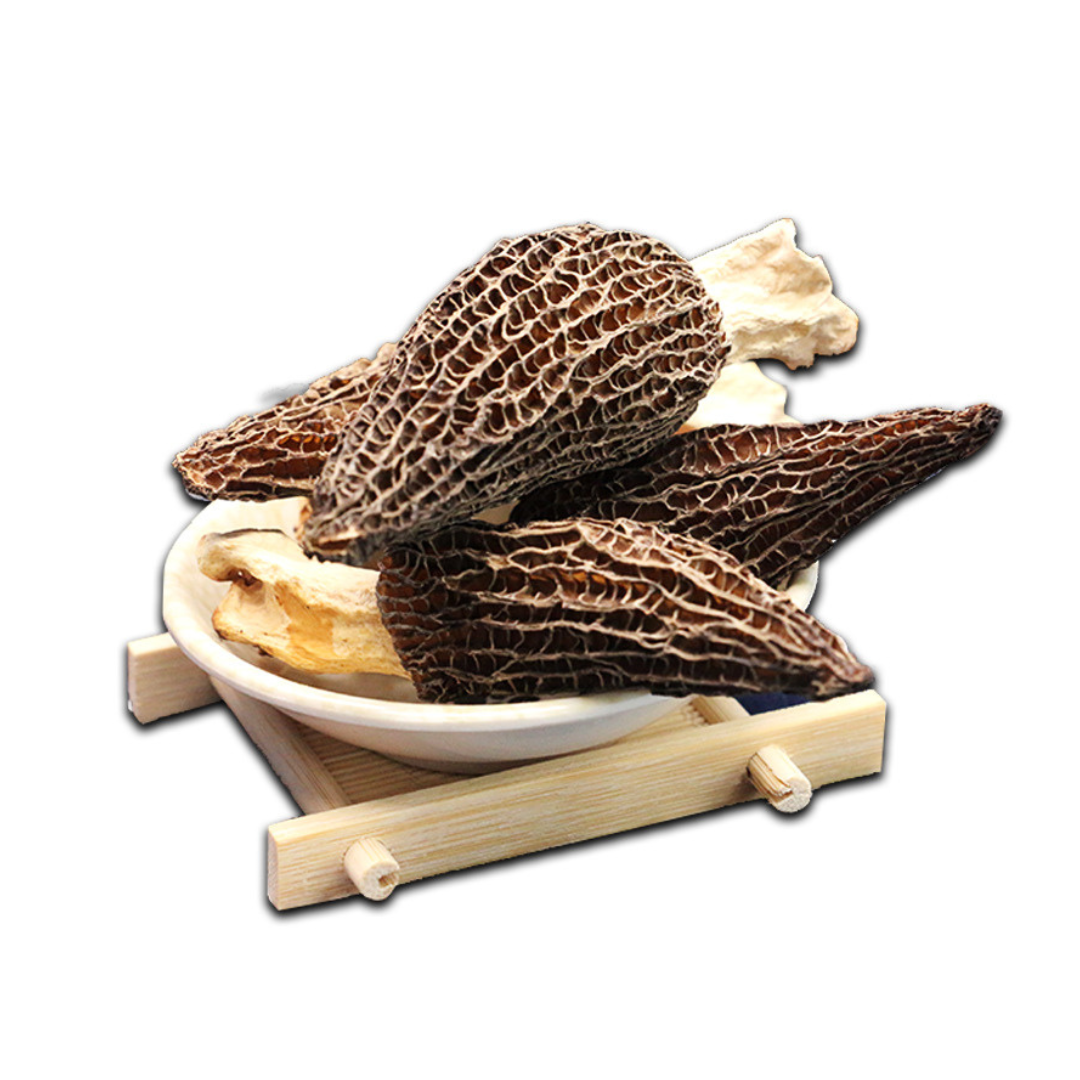
Product Introduction
Enoki mushroom powder is derived from Flammulina velutipes, commonly known as the enoki mushroom, golden needle mushroom, or lily mushroom. This mushroom is characterized by its long, thin stems and small caps, and it is widely cultivated and consumed, particularly in East Asian cuisine [1]. The powder form offers versatility and convenience for integration into various food products and dietary supplements. The enoki mushroom is rich in nutrients, including dietary fiber, vitamins, minerals, and bioactive compounds, contributing to its potential health benefits [2].
Production Process
The production of enoki mushroom powder involves several key steps to ensure a high-quality final product. Fresh enoki mushrooms are first harvested and carefully selected to ensure they meet quality standards. The mushrooms undergo a thorough cleaning process to remove any dirt or debris. After cleaning, the mushrooms are typically sliced or chopped to facilitate efficient drying. The drying process is crucial for preserving the nutritional properties and flavor of the mushrooms. Freeze-drying, is often employed, as it effectively removes moisture while minimizing heat damage [3]. The dried mushrooms are then milled into a fine powder using industrial grinders or mills. Finally, the powder is sifted and inspected to ensure a consistent particle size and purity. The resulting enoki mushroom powder is then packaged and stored under controlled conditions to maintain its quality and freshness [4].
Product Applications
Enoki mushroom powder has a wide range of applications in the food and supplement industries, owing to its nutritional profile and subtle flavor. In culinary applications, it is used as a natural flavor enhancer in soups, sauces, and broths, adding a delicate umami taste [5]. It can be incorporated into seasonings and spice blends to enhance the savory notes of various dishes. As a dietary supplement, enoki mushroom powder is valued for its potential health benefits. It is often included in formulations aimed at supporting immune function, due to its content of polysaccharides such as beta-glucans [6]. Additionally, the powder may be added to smoothies, shakes, and other beverages to boost their nutritional content. The fine texture of the powder allows it to blend easily into different food matrices without significantly altering their texture.
Packaging and Storage
Proper packaging and storage are essential to maintain the quality and extend the shelf life of enoki mushroom powder. The powder should be packaged in airtight containers made of materials that provide a barrier against moisture, oxygen, and light [7]. Suitable packaging materials include glass jars, food-grade plastic containers, and multilayered pouches with a resealable closure. To prevent clumping and degradation, the packaged powder should be stored in a cool, dry place with a temperature below 25°C and relative humidity below 65% [8]. Exposure to direct sunlight and heat should be avoided, as they can accelerate the loss of volatile compounds and cause discoloration. Proper storage conditions help to preserve the flavor, aroma, and nutritional properties of the enoki mushroom powder, ensuring that it remains fresh and effective for its intended use.
Citations:
[1] Chang, S. T., & Miles, P. G. (2004). Mushrooms: Cultivation, nutritional value, medicinal effect, and environmental impact. CRC press.
[2] Mori, K., Kobayashi, C., Tomita, T., Mabuchi, T., Terakawa, G., Komatsu, M., … & Ohno, N. (2008). Anti-influenza virus activity of chemically modified derivatives of water-soluble lignin from Eucalyptus globulus. Antiviral Research, 78(1), 36-44.
[3] Ratti, C. (2001). Hot air and freeze-drying of high-value foods: a review. Journal of Food Engineering, 49(4), 311-319.
[4] Fellows, P. J. (2009). Food processing technology: principles and practice. Woodhead Publishing.
[5] Yamaguchi, S., & Ninomiya, K. (2000). Umami and food palatability. Journal of Nutrition, 130(4S), 921S-926S.
[6] Wasser, S. P. (2002). Medicinal mushrooms as a source of antitumor and immunomodulating polysaccharides. Applied Microbiology and Biotechnology, 60(3), 258-274.
[7] Robertson, G. L. (2013). Food packaging: Principles and practice. CRC press.
[8] Kilcast, D., & Subramaniam, P. (2000). The stability and shelf-life of food. Woodhead Publishing.

As a sales manager, I’m here to make sure you get exactly what you need for your dietary supplements. From sourcing to delivery, I’m always by your side, ensuring smooth and friendly service. Let’s make your products even better! 🥰🌿