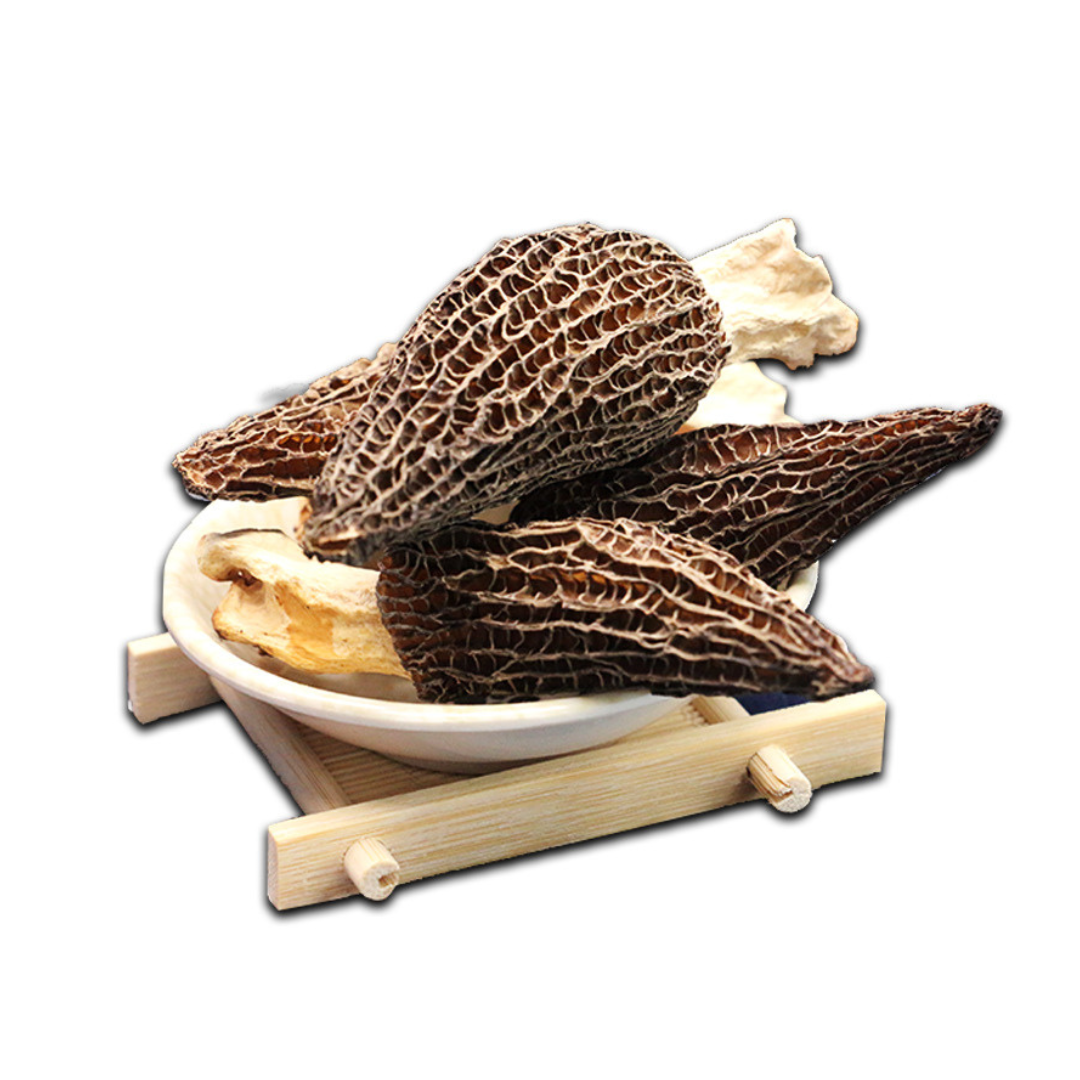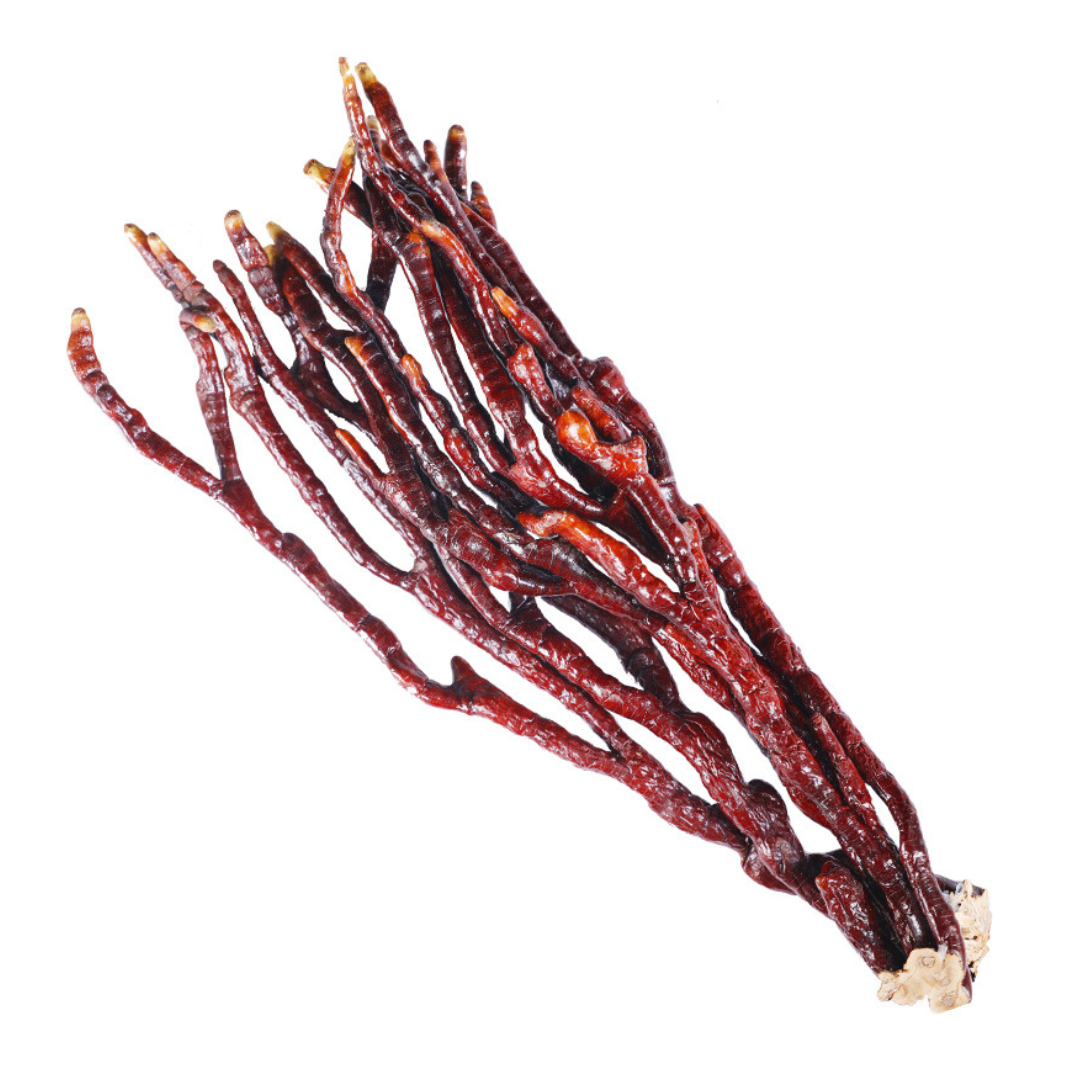


Product Introduction
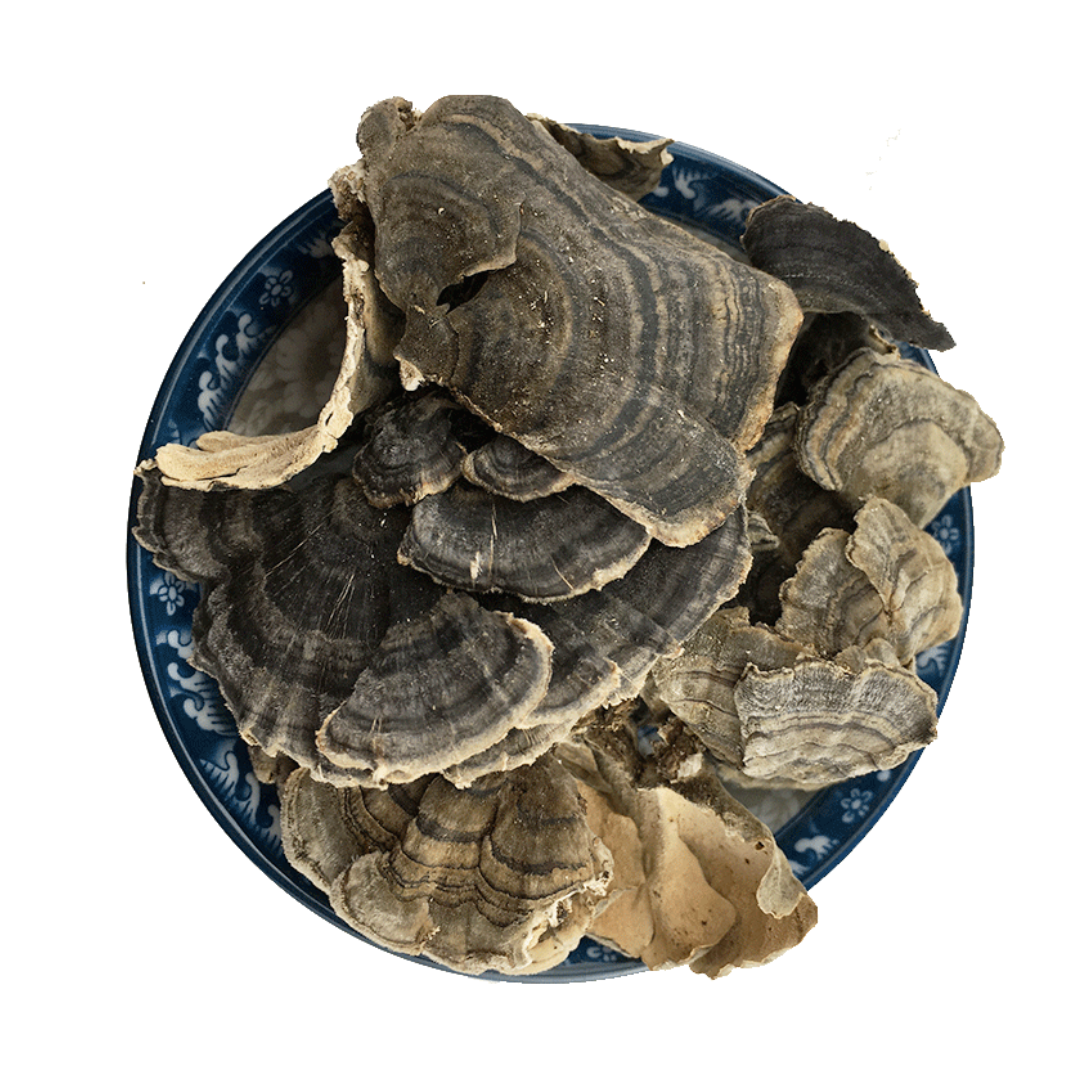
Lingzhi-Deer Horn Lingzhi Powder is a specialized product derived from Ganoderma lucidum and Ganoderma sinense, which are types of medicinal mushrooms. This powder combines the fruiting body (Lingzhi) with the branched, antler-like morphology known as "Deer Horn" Lingzhi, creating a potent blend. This process is valued for its concentrated bioactive compounds. The Lingzhi mushroom, also known as Reishi, has a long history of use in traditional medicine across Asia, particularly in Traditional Chinese Medicine (TCM) [1]. It is revered for its potential health benefits, including supporting the immune system, reducing stress, and promoting overall well-being [2]. Deer Horn Lingzhi is a unique cultivation of Ganoderma that is harvested when it resembles deer antlers; it is believed to offer enhanced properties due to its rapid growth phase and high concentration of active constituents [3]. The powder form allows for versatile applications, making it easy to incorporate into various health and wellness products.
Production Process
The production of Lingzhi-Deer Horn Lingzhi Powder involves several key steps, starting with the careful cultivation of both Lingzhi and Deer Horn Lingzhi mushrooms. Cultivation typically occurs on hardwood logs or in controlled substrate environments to ensure optimal growth and quality [4]. Once the mushrooms reach maturity, they are harvested, cleaned, and sliced. The drying process is crucial for preserving the bioactive compounds. Low-temperature dehydration methods, like freeze-drying or vacuum drying, are employed to remove moisture while minimizing heat damage [5]. After drying, the mushrooms are processed into a fine powder using cryogenic grinding techniques. This method uses extremely low temperatures to prevent oxidation and degradation of heat-sensitive components during the grinding process [6]. The resulting powder is then tested for purity, potency, and safety, ensuring it meets quality control standards before packaging.
Product Applications
Lingzhi-Deer Horn Lingzhi Powder has diverse applications across various industries. As a dietary supplement, it is often encapsulated or added to beverages and smoothies to support immune function and overall health [7]. In the realm of functional foods, the powder can be incorporated into products like teas, coffees, and health bars to enhance their nutritional profile and health-promoting properties [8]. Traditional medicine practitioners use the powder in formulations aimed at addressing various ailments, leveraging Lingzhi's adaptogenic and anti-inflammatory properties [9]. The cosmetic industry has also found use for Lingzhi-Deer Horn Lingzhi Powder. It is included in skincare products such as creams and serums, where its antioxidant and anti-aging properties are believed to benefit skin health [10].
Packaging and Storage
Proper packaging and storage are essential to maintain the quality and efficacy of Lingzhi-Deer Horn Lingzhi Powder. The powder should be packaged in airtight containers made of materials that prevent moisture absorption and protect against light exposure [11]. Examples of suitable packaging materials include food-grade aluminum pouches and dark glass jars. To ensure long-term stability, the product should be stored in a cool, dry place, away from direct sunlight and other sources of heat [12]. Recommended storage temperatures typically range from 15°C to 25°C (59°F to 77°F). It is also advisable to keep the product away from strong odors, as it can absorb them, affecting the powder's aroma and taste [13]. With proper packaging and storage, Lingzhi-Deer Horn Lingzhi Powder can maintain its quality and potency for an extended period, ensuring consumers receive the full benefits of this valuable product.
Citations:
- Chang, S. T., & Buswell, J. A. (2008). Ganoderma lucidum (Curt.: Fr.) P. Karst. – a medicinal mushroom. International Journal of Medicinal Mushrooms, 10(2), 103-116.
- 水野卓; 庄兆祥. (1995). 灵芝--药用价值与应用. 中国食用菌, *(3), 34-37.
- Patel, S., & Goyal, A. (2012). Recent developments in medicinal mushrooms for cancer therapy. 3 Biotech, 2(1), 1-11.
- Ríos-Ruiz, L. F., Medina, M. A., & Cardona, G. I. (2021). Substrates for Ganoderma lucidum cultivation: A review. Saudi journal of biological sciences, 28(1), 883-895.
- Фургалева, В. В., & Иванова, И. П. (2016). Влияние способа сушки на качество лекарственного растительного сырья. Разработка и регистрация лекарственных средств, *(1 (14)), 136-139.
- Zhao, Y., Dong, L., Long, Z., Liu, J., & Zhao, M. (2012). Effects of ultra-fine grinding on physicochemical and antioxidant properties of dietary fiber from wild jujube (Ziziphus jujuba Mill. var. spinosa). Powder Technology, 230, 24-30.
- Boh, B., Berovič, M., Zhang, J., & Zhi-Bin, L. (2007). Ganoderma lucidum and its pharmaceutically active compounds. Biotechnology annual review, 13, 265-301.
- Wachtel-Galor, S., Yuen, J., Buswell, J. A., & Benzie, I. F. F. (2011). Ganoderma lucidum (灵芝): a Chinese medicinal mushroom; bioreactive compounds and immunomodulatory effects. Nutrition reviews, 69(sup1), 90-102.
- Powell, M. (2015). Medicinal mushrooms: A clinical guide. Mycology Press.
- Luo, D., Zhao, M., Liu, X., Yang, L., & Fu, Y. (2021). The anti-aging effect of Ganoderma lucidum polysaccharides on mice induced by d-galactose. Food Science and Technology, 41, 223-229.
- Marsh, K., & Bugusu, B. (2007). Food packaging—roles, materials, and environmental issues. Journal of food science, 72(3), R39-R55.
- Robertson, G. L. (2013). Food packaging: principles and practice. CRC press.
- Kilcast, D., & Subramaniam, P. (2000). The stability and shelf-life of food. CRC press.

As a sales manager, I’m here to make sure you get exactly what you need for your dietary supplements. From sourcing to delivery, I’m always by your side, ensuring smooth and friendly service. Let’s make your products even better! 🥰🌿