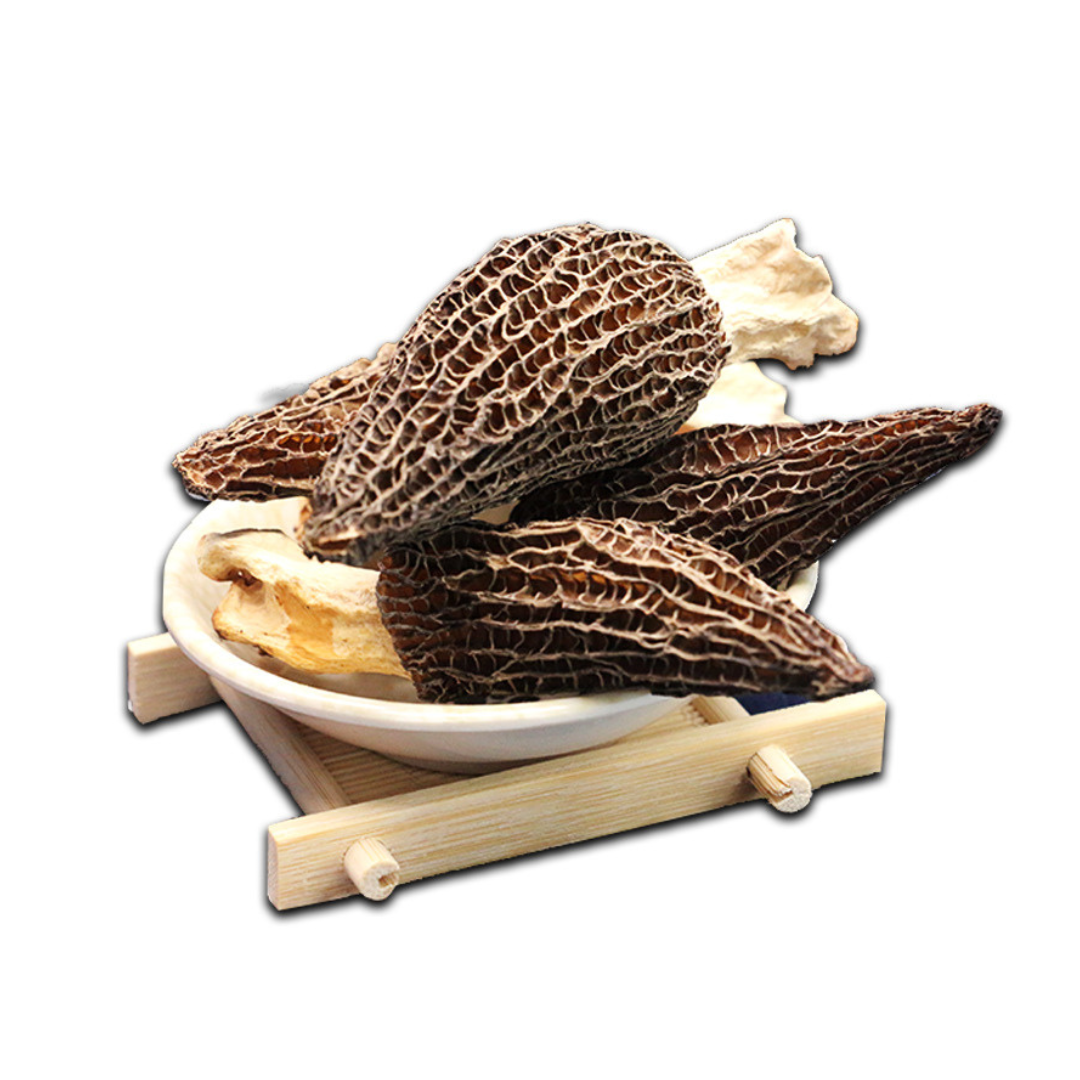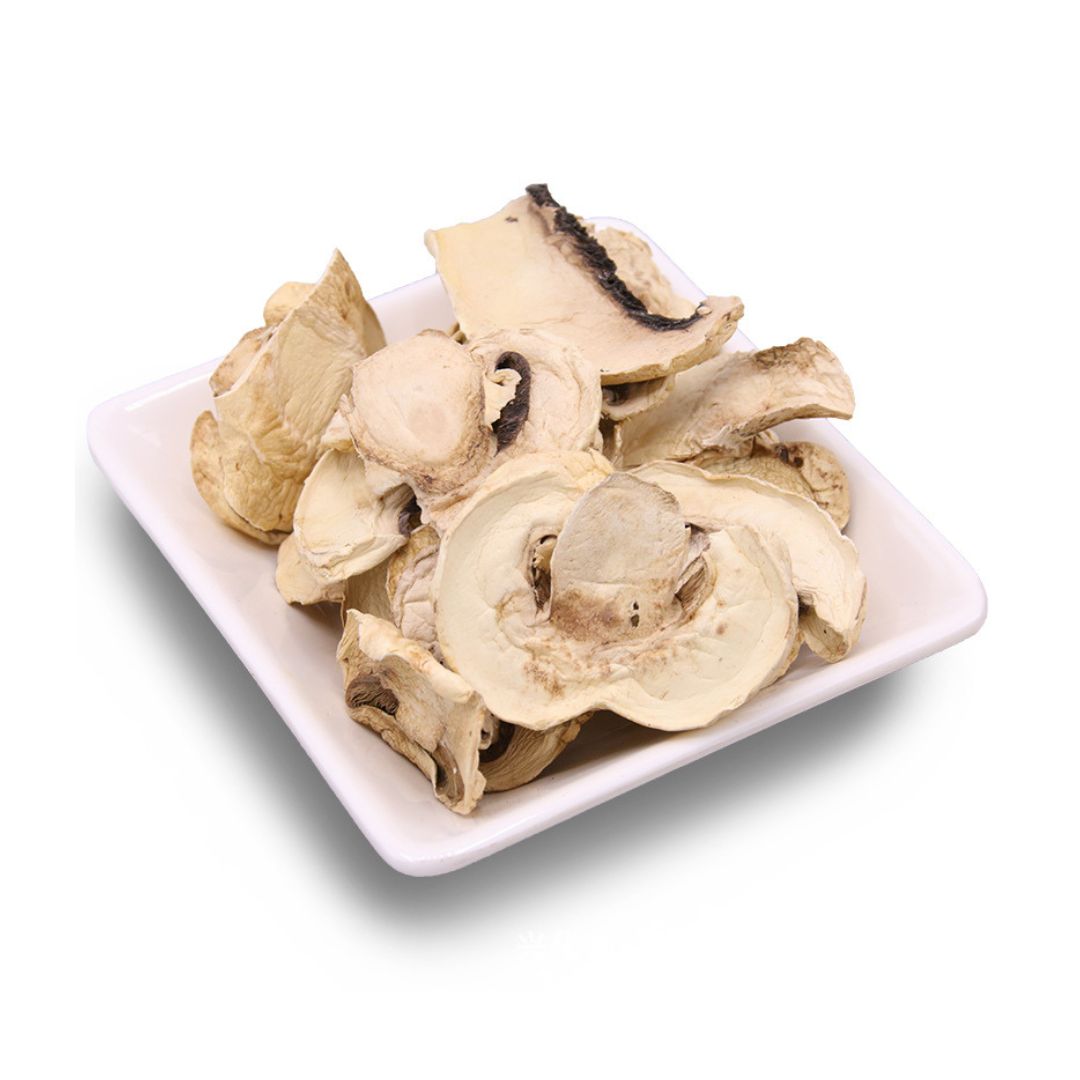


Product Introduction
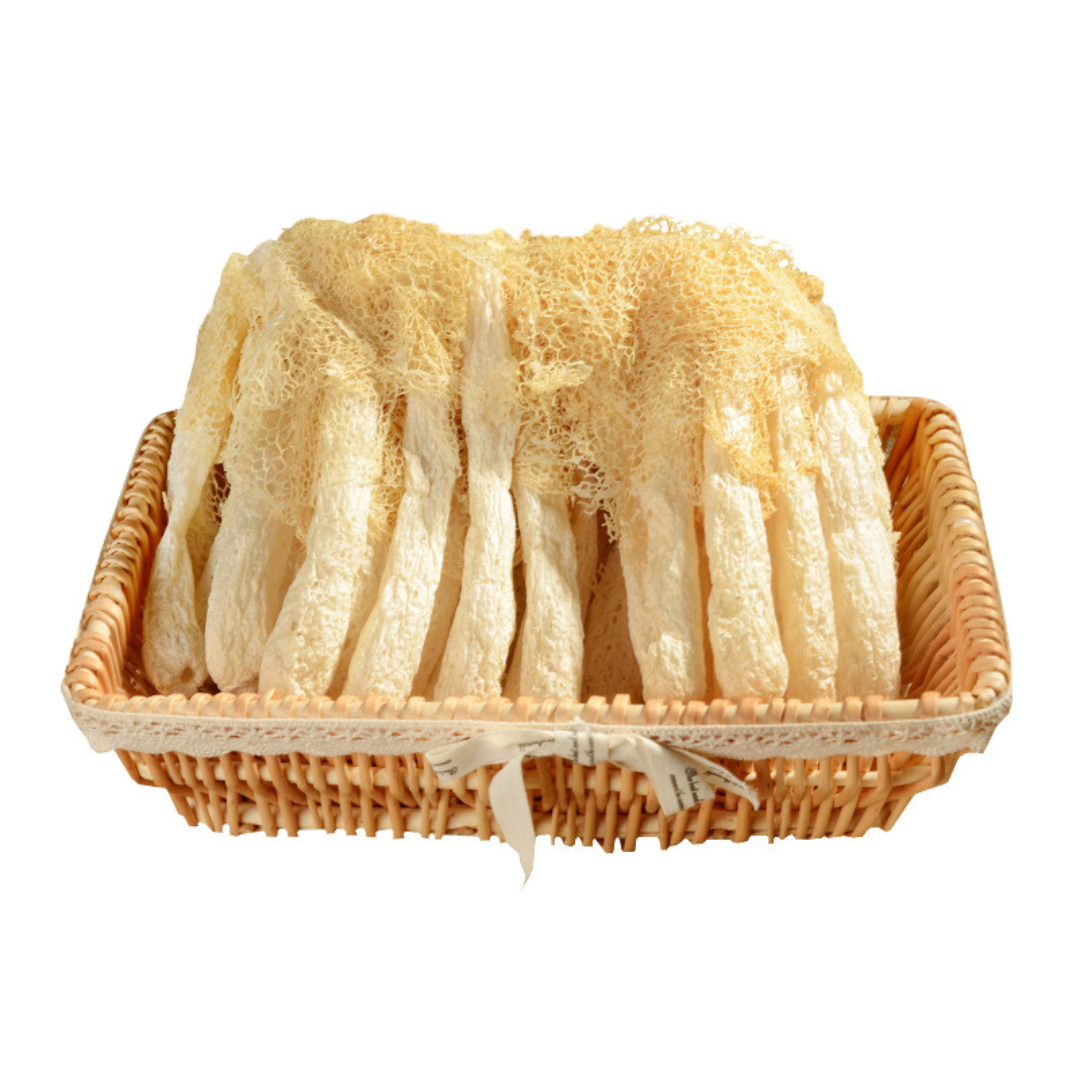
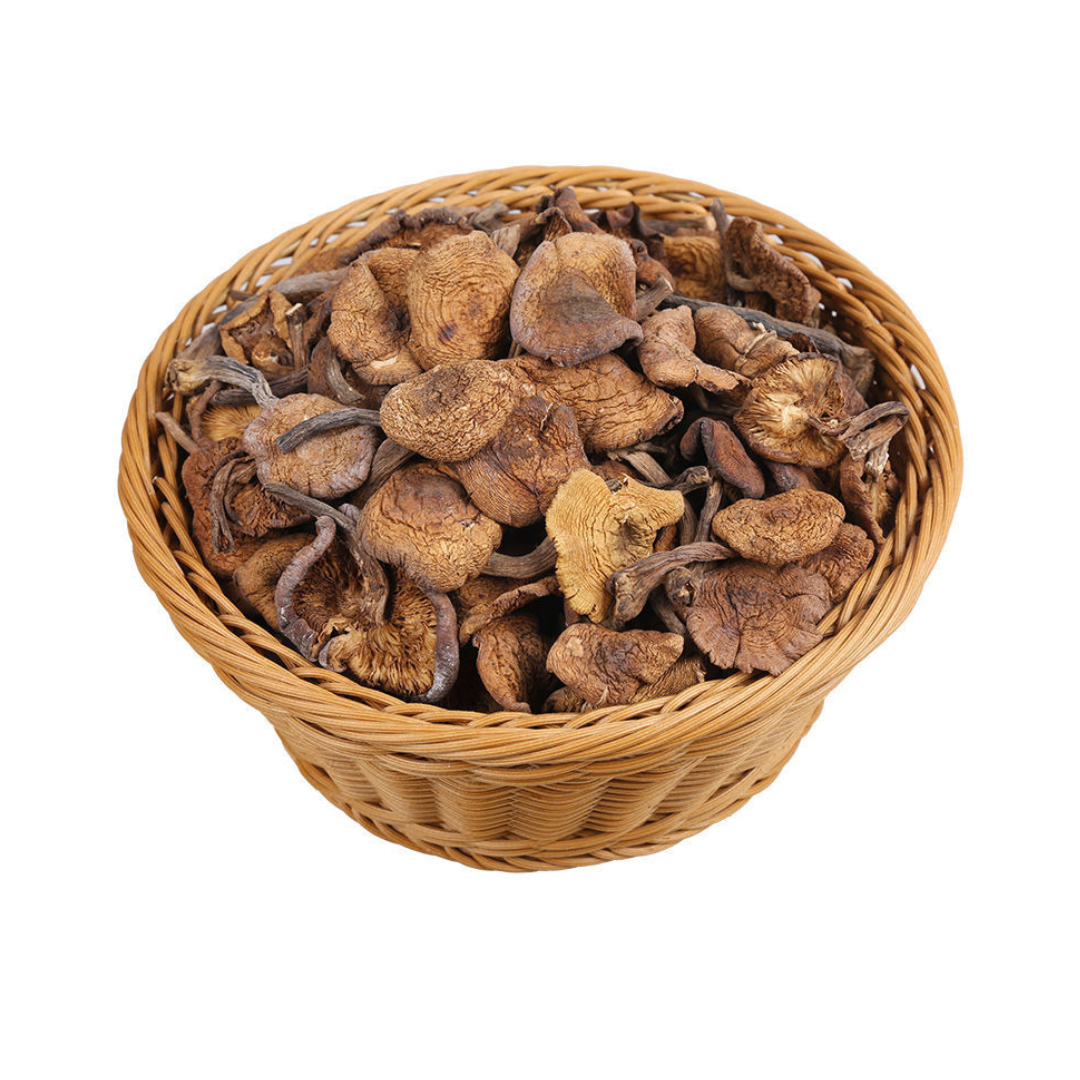
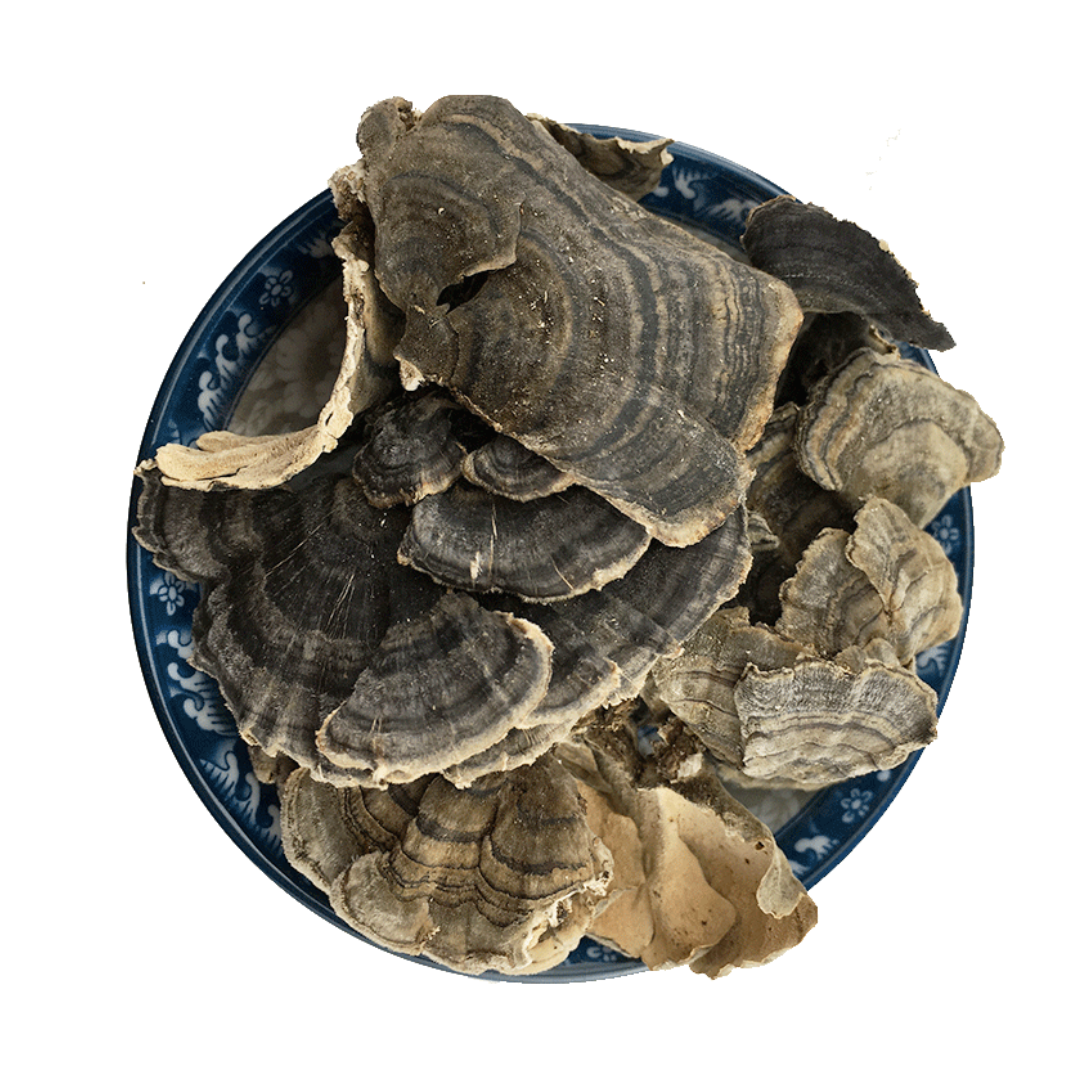
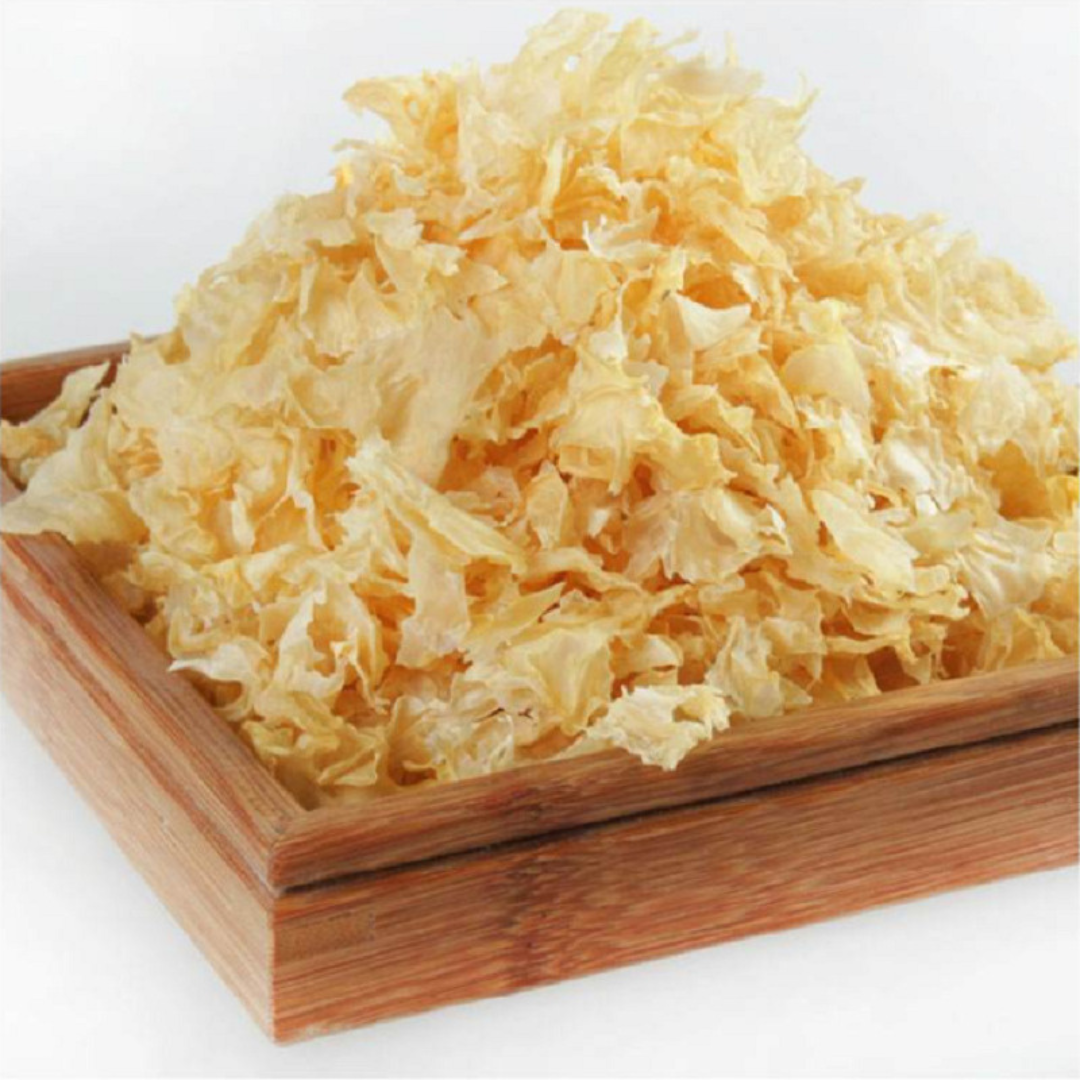
Mushroom powder is a versatile product made from dehydrated mushrooms, grounding them into a fine powder. This powder retains much of the original mushroom's flavor, aroma, and nutritional benefits. It is used extensively in the culinary world to enhance the umami taste of dishes and provide a concentrated source of vitamins and minerals. The specific characteristics of mushroom powder, like color and flavor intensity, depend largely on the mushroom species used in its production [1].
Production Process
The production of mushroom powder begins with selecting fresh, high-quality mushrooms. Different mushroom species, such as shiitake, portobello, or oyster mushrooms, are chosen based on the desired flavor profile. The selected mushrooms undergo a thorough cleaning process to remove any dirt or debris [2]. The mushrooms are then sliced to increase the surface area for drying. Several drying methods can be employed, including air-drying, vacuum-drying, and freeze-drying. Air-drying is a cost-effective method where mushrooms are placed in a controlled environment with warm air circulation. Vacuum-drying involves drying the mushrooms under reduced pressure, which lowers the boiling point of water and allows for faster drying at lower temperatures. Freeze-drying, also known as lyophilization, is a process where the mushrooms are frozen and then subjected to a vacuum to remove the ice crystals through sublimation [3]. Once the mushrooms are completely dried, they are milled into a fine powder using industrial grinders. The powder is then sifted to ensure uniform particle size and packaged to prevent moisture absorption and maintain freshness [4].
Product Applications
Mushroom powder has diverse applications in the food industry. It is commonly used as a natural flavor enhancer in soups, stews, sauces, and gravies, adding an umami-rich depth of flavor [5]. In the production of processed foods, mushroom powder is incorporated into seasoning blends, rubs, and marinades for meats, vegetables, and snacks [6]. It is also utilized in vegetarian and vegan products to impart a savory, meat-like flavor. Beyond culinary applications, mushroom powder is valued for its nutritional properties. It is a good source of vitamins, minerals, and antioxidants, and it can be added to dietary supplements and functional foods [7]. Some studies suggest that certain mushroom powders may have immune-boosting and anti-inflammatory properties, further expanding their use in health-focused products [8].
Packaging and Storage
Proper packaging and storage are crucial for maintaining the quality and extending the shelf life of mushroom powder. The powder should be packaged in airtight, moisture-proof containers, such as sealed bags, glass jars, or plastic containers with tight-fitting lids [9]. To prevent degradation, the packaging material should also protect the powder from light and air exposure. The ideal storage conditions for mushroom powder are a cool, dry, and dark environment, with temperatures below 70°F (21°C) and low humidity [10]. Storing the powder in a refrigerator or freezer can further extend its shelf life, especially in humid climates. It is important to keep the powder away from strong odors, as it can absorb them, affecting its flavor. Under optimal storage conditions, mushroom powder can maintain its quality for up to 12-24 months [11].
Citations:
[1] Rop, O., Mlcek, J., Jurikova, T., & Bednar, M. (2009). Chemical composition and nutritional value of culinary-medicinal mushrooms and their products. Comprehensive Reviews in Food Science and Food Safety, 8(1), 24-39.
[2] Valverde, M. E., Hernández-Pérez, T., & Paredes-López, O. (2015). Edible mushrooms: improving human health and promoting quality life. International Journal of Microbiology, 2015.
[3] Ciurzyńska, A., Lenart, A., & Galazka, R. (2014). Freeze-drying—application in food processing and biotechnology—a review. Polish Journal of Food and Nutrition Sciences, 64(3), 165-171.
[4] Sharma, S., Gautam, N., & Sharma, A. (2018). Processing and value addition of mushroom. Journal of Pharmacognosy and Phytochemistry, 7(2), 169-174.
[5] McGee, H. (2004). On food and cooking: The science and lore of the kitchen. New York, NY: Scribner.
[6] Chang, S. T., & Miles, P. G. (2004). Mushrooms: Cultivation, nutritional value, medicinal effect, and environmental impact. CRC press.
[7] Ribeiro, B., Lima, R. T., Oliveira, A., Sousa, R., Mendes, E., Ferreira, I. C., & Martins, A. (2021). Edible and medicinal mushrooms as source of bioactive compounds: antioxidant and anticholinesterase activities. Food Chemistry, 365, 130475.
[8] Wasser, S. P. (2010). Medicinal mushroom science: Current perspectives, advances, evidences, and challenges. Biomedicine & Pharmacotherapy, 64(4), 277-292.
[9] Robertson, G. L. (2013). Food packaging: principles and practice. CRC press.
[10] Fellows, P. J. (2009). Food processing technology: principles and practice. Woodhead publishing.
[11] Kilcast, D., & Subramaniam, P. (2000). The stability and shelf-life of food. Woodhead Publishing.

As a sales manager, I’m here to make sure you get exactly what you need for your dietary supplements. From sourcing to delivery, I’m always by your side, ensuring smooth and friendly service. Let’s make your products even better! 🥰🌿