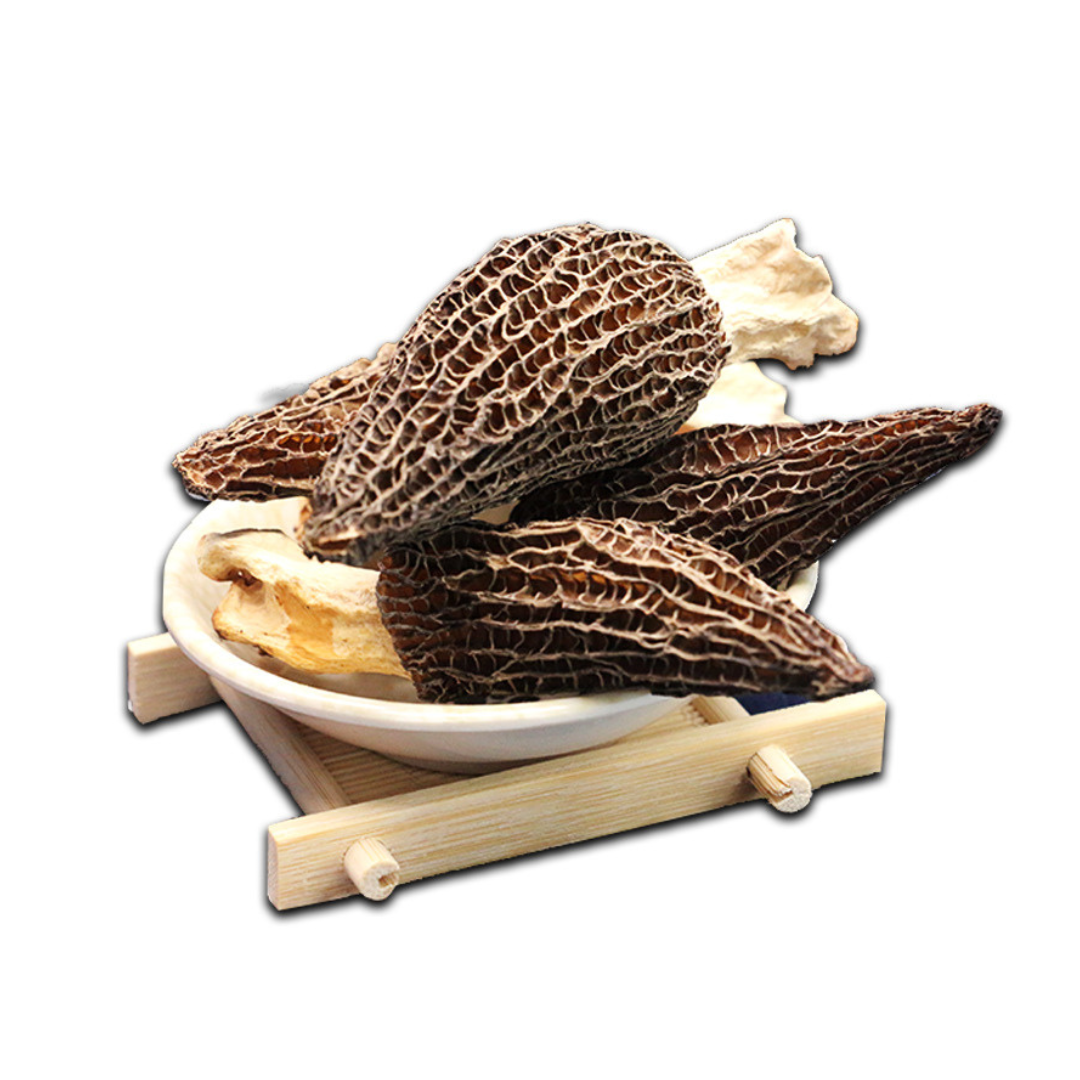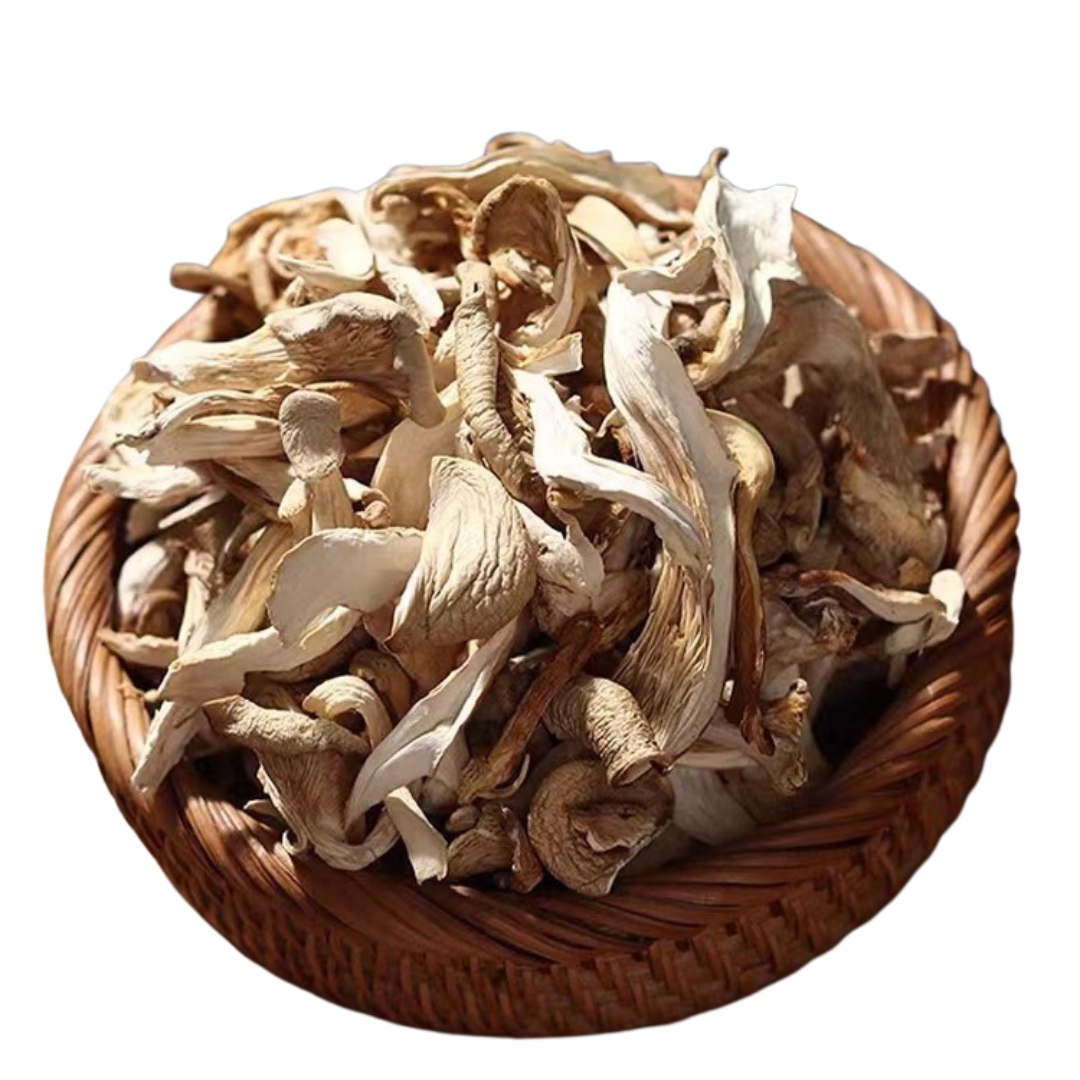


Product Introduction
Oyster mushroom powder is derived from Pleurotus ostreatus, a common edible mushroom species. This powder form offers a convenient way to incorporate the nutritional benefits and unique flavor profile of oyster mushrooms into various applications, ranging from culinary uses to dietary supplements. The powder is produced by dehydrating fresh oyster mushrooms and then grinding them into a fine consistency, preserving many of the original nutrients and flavor compounds.
Production Process
The production of oyster mushroom powder begins with the cultivation of Pleurotus ostreatus mushrooms. These mushrooms are grown on various substrates, such as straw, sawdust, or agricultural waste. Once the mushrooms reach maturity, they are harvested, cleaned, and prepared for dehydration.
Several drying methods can be used, including freeze-drying (lyophilization) and hot air drying. Freeze-drying involves freezing the mushrooms and then reducing the surrounding pressure to allow the ice to sublimate directly from the solid phase to the gas phase. This method is preferred because it minimizes heat damage and preserves the nutritional content and flavor compounds more effectively [1]. Hot air drying, while more economical, can result in some loss of heat-sensitive nutrients and flavor [2].
After dehydration, the dried mushrooms are milled into a fine powder using industrial grinders. The resulting powder is then sieved to ensure uniform particle size and packaged to protect against moisture and oxidation. Quality control measures are implemented throughout the production process to ensure the final product meets the required standards for purity, safety, and nutritional content.
Product Applications
Oyster mushroom powder has a wide array of applications due to its nutritional profile, flavor, and functional properties.
In the culinary field, it is used as a flavoring agent in soups, sauces, and seasonings. It can enhance the umami taste of dishes, providing a savory and rich flavor [3]. The powder can also be added to bread and pasta dough to improve the nutritional content and texture.
As a dietary supplement, oyster mushroom powder is valued for its high protein content, fiber, vitamins, and minerals. It contains essential amino acids, B vitamins, and minerals like potassium, phosphorus, and iron [4]. Additionally, oyster mushrooms are known for their bioactive compounds, including polysaccharides, which have been studied for their potential immune-modulating and antioxidant properties [5].
Oyster mushroom powder is also utilized in mycology research for various experiments. It can provide a standardized source of mushroom biomass for studying fungal enzymes, metabolites, and interactions with other organisms.
Packaging and Storage
To maintain the quality and extend the shelf life, oyster mushroom powder should be properly packaged and stored. The powder is typically packaged in airtight containers, such as sealed bags or jars, to prevent moisture absorption and oxidation. The packaging material should be food-grade and provide a barrier against light and air.
The optimal storage conditions are in a cool, dry place away from direct sunlight and heat. High temperatures and humidity can degrade the powder, leading to loss of flavor, nutritional value, and potential spoilage. Storing the powder in a refrigerator or freezer can further extend its shelf life, especially in warmer climates. Under proper storage conditions, oyster mushroom powder can maintain its quality for up to 12-24 months.
Citations
[1] Ratti, C. (2001). Hot air and freeze-drying of high-value foods: a review. Journal of Food Engineering, 49(4), 311-319.
[2] Doymaz, İ. (2005). Drying characteristics and modelling of thin layer drying of mulberry. Journal of Food Engineering, 69(3), 341-347.
[3] Yang, J. H., Lin, H. C., & Mau, J. L. (2001). Antioxidant properties of several commercial mushrooms. Food Chemistry, 73(2), 229-235.
[4] Bobek, P., & Galbavy, S. (1999). Effect of oyster mushroom (Pleurotus ostreatus) on serum and liver lipid levels in hypercholesterolemic rats. Die Nahrung, 43(5), 339-342.
[5] Wasser, S. P. (2002). Medicinal mushrooms as a source of antitumor and immunomodulating polysaccharides. Applied Microbiology and Biotechnology, 60(3), 258-274.

As a sales manager, I’m here to make sure you get exactly what you need for your dietary supplements. From sourcing to delivery, I’m always by your side, ensuring smooth and friendly service. Let’s make your products even better! 🥰🌿