

Product Introduction
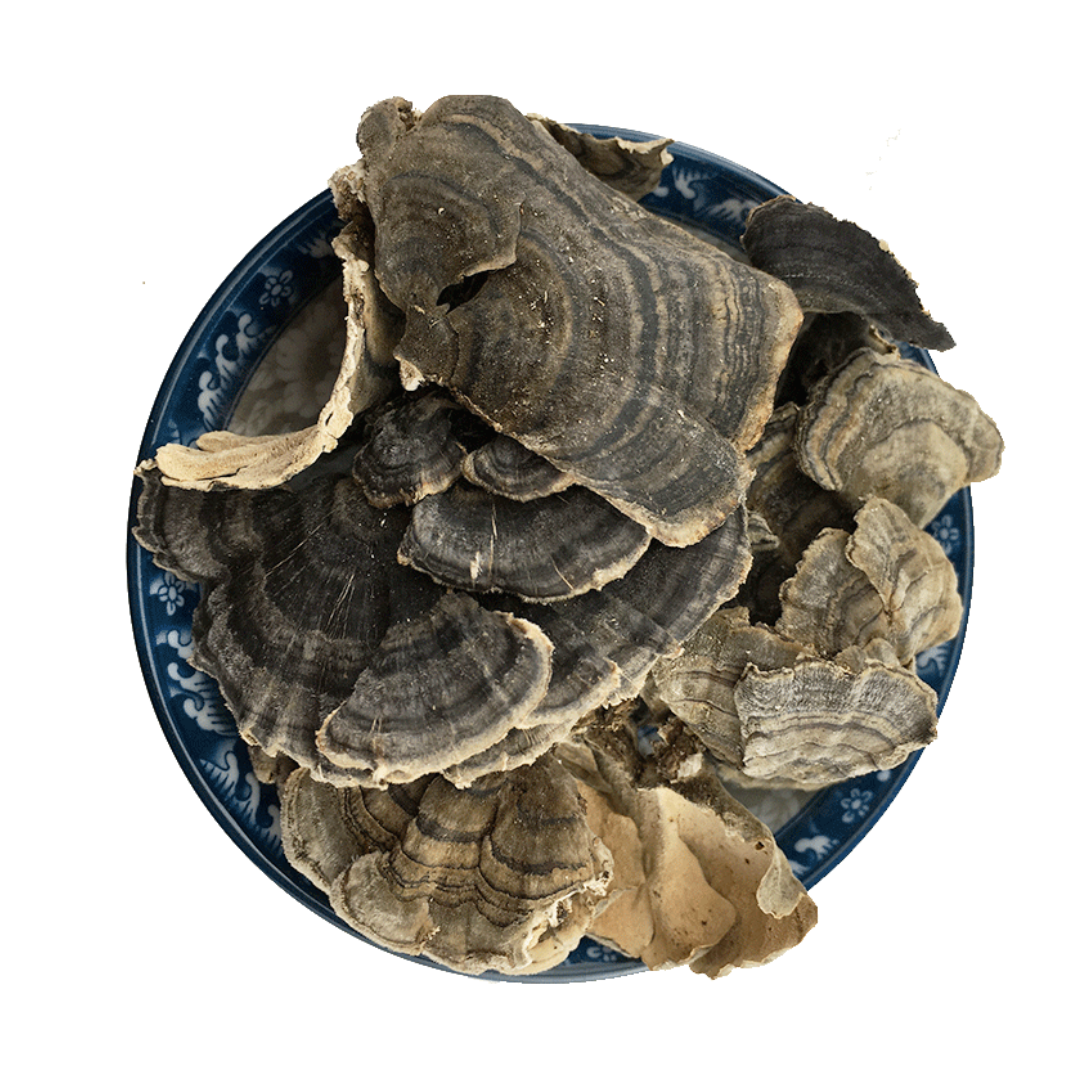
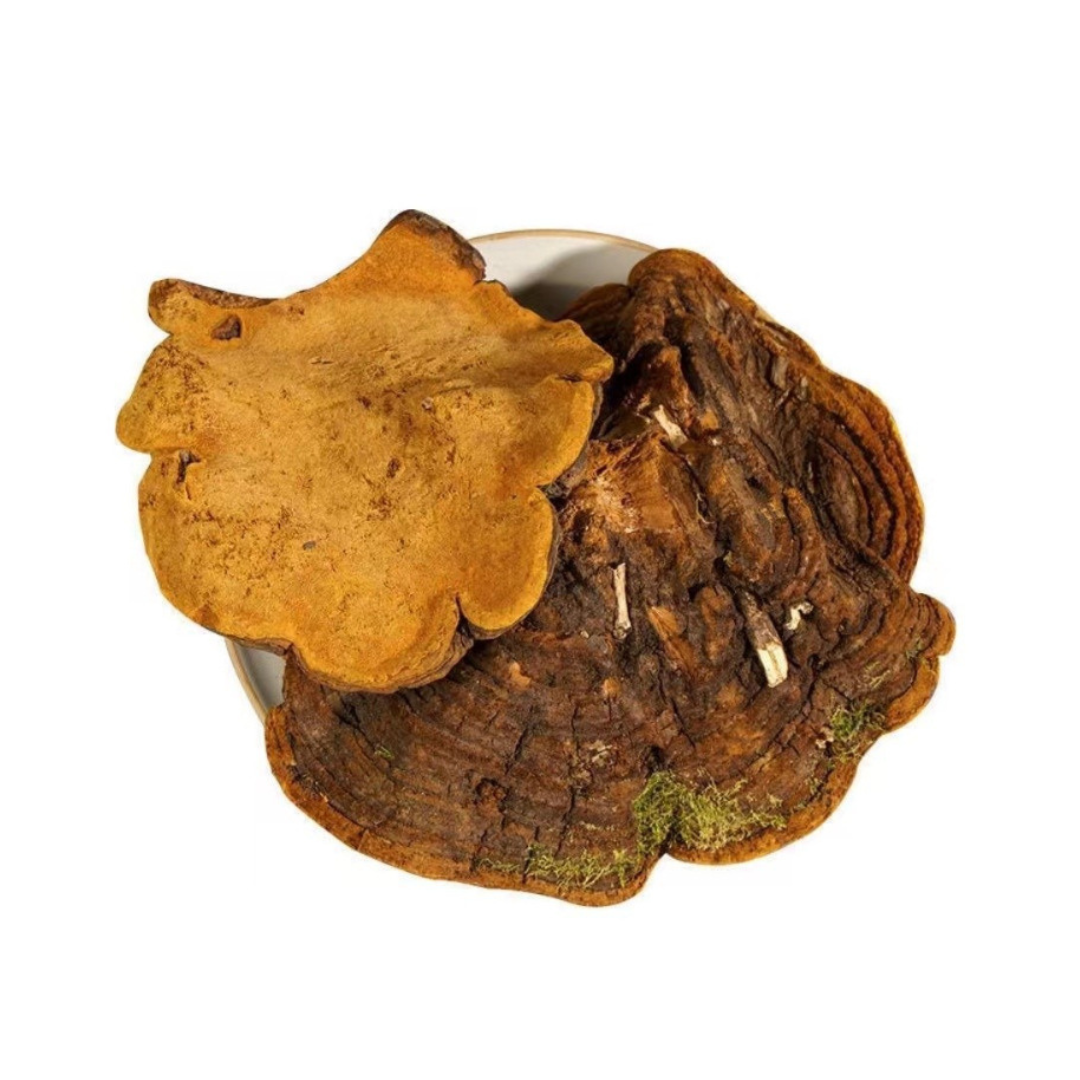
Phellinus linteus, commonly known as Sanghuang, is a medicinal mushroom that has been used in traditional medicine, particularly in East Asia, for centuries. The fruiting body of this fungus, which grows on trees, especially mulberry trees, is valued for its purported health-promoting properties. Modern research focuses on extracting and concentrating its bioactive compounds, transforming the mushroom into a powder form for ease of use and incorporation into various products. The powder form retains the potential benefits of the mushroom, offering a convenient way to harness its properties.
Production Process
The production of Phellinus linteus powder involves several key steps, beginning with the selection and cultivation of high-quality Phellinus linteus mushrooms. These mushrooms can be cultivated on natural wood substrates or in controlled environments to ensure consistency and purity. After harvesting, the mushrooms undergo a drying process to remove moisture, typically using methods like hot air drying, freeze-drying, or vacuum drying each of which helps to preserve the integrity of the bioactive compounds. The dried mushrooms are then milled into a fine powder. This powder may undergo further processing, such as extraction, to concentrate specific beneficial compounds like polysaccharides or polyphenols. Quality control measures are implemented throughout the process to ensure the final product meets the desired specifications for purity, potency, and safety.
Product Applications
Phellinus linteus powder finds applications across various industries, primarily due to its potential health benefits. In the dietary supplement industry, it is commonly used as an ingredient in capsules, tablets, and powder mixes, marketed for its immune-modulating, antioxidant, and anti-inflammatory properties [1]. In pharmaceuticals, research explores its potential in developing therapeutic agents, particularly in the context of cancer and other chronic diseases [2]. The skincare industry also utilizes Phellinus linteus powder in creams, lotions, and masks, capitalizing on its antioxidant and anti-inflammatory effects to promote skin health [3]. Additionally, it may be found in functional foods and beverages, adding a nutritional boost to everyday products.
Packaging and Storage
Proper packaging and storage are crucial to maintain the quality and efficacy of Phellinus linteus powder. The powder is typically packaged in airtight containers, such as sealed bags or jars, to protect it from moisture, light, and air exposure, all of which can degrade its bioactive compounds. Materials like aluminum foil or dark-colored glass are often used to provide additional protection from light. Storage recommendations generally advise keeping the product in a cool, dry place, ideally at temperatures below 25°C (77°F). It is essential to avoid exposure to direct sunlight and humidity, to prolong the shelf life and preserve the potency of the Phellinus linteus powder. Following these guidelines helps ensure that the product retains its beneficial properties throughout its intended shelf life.
Citations:
[1] Kim, G. Y., Kim, H. W., Park, Y. M., Kim, D. H., Kim, J. O., Park, J. D., … & Lee, H. J. (2006). Oral administration of proteoglycan isolated from Phellinus linteus in the prevention and treatment of urethane-induced mouse lung tumors. Cancer letters, 236(1), 105-113.
[2] Li, G., Kim, D. H., Kim, T. D., & Park, B. J. (2021). Anti-cancer activities of Phellinus linteus: A review. Food Science and Biotechnology, 30, 1-14.
[3] Park, Y. K., Kim, H. M., Jeong, H. J., Kim, J. H., Park, J. D., & Lee, K. T. (2004). Inhibitory effect of methanol extract from fruit body of Phellinus linteus on inflammatory mediators in LPS-stimulated RAW264. 7 cells. Journal of ethnopharmacology, 95(1-2), 69-75.

As a sales manager, I’m here to make sure you get exactly what you need for your dietary supplements. From sourcing to delivery, I’m always by your side, ensuring smooth and friendly service. Let’s make your products even better! 🥰🌿