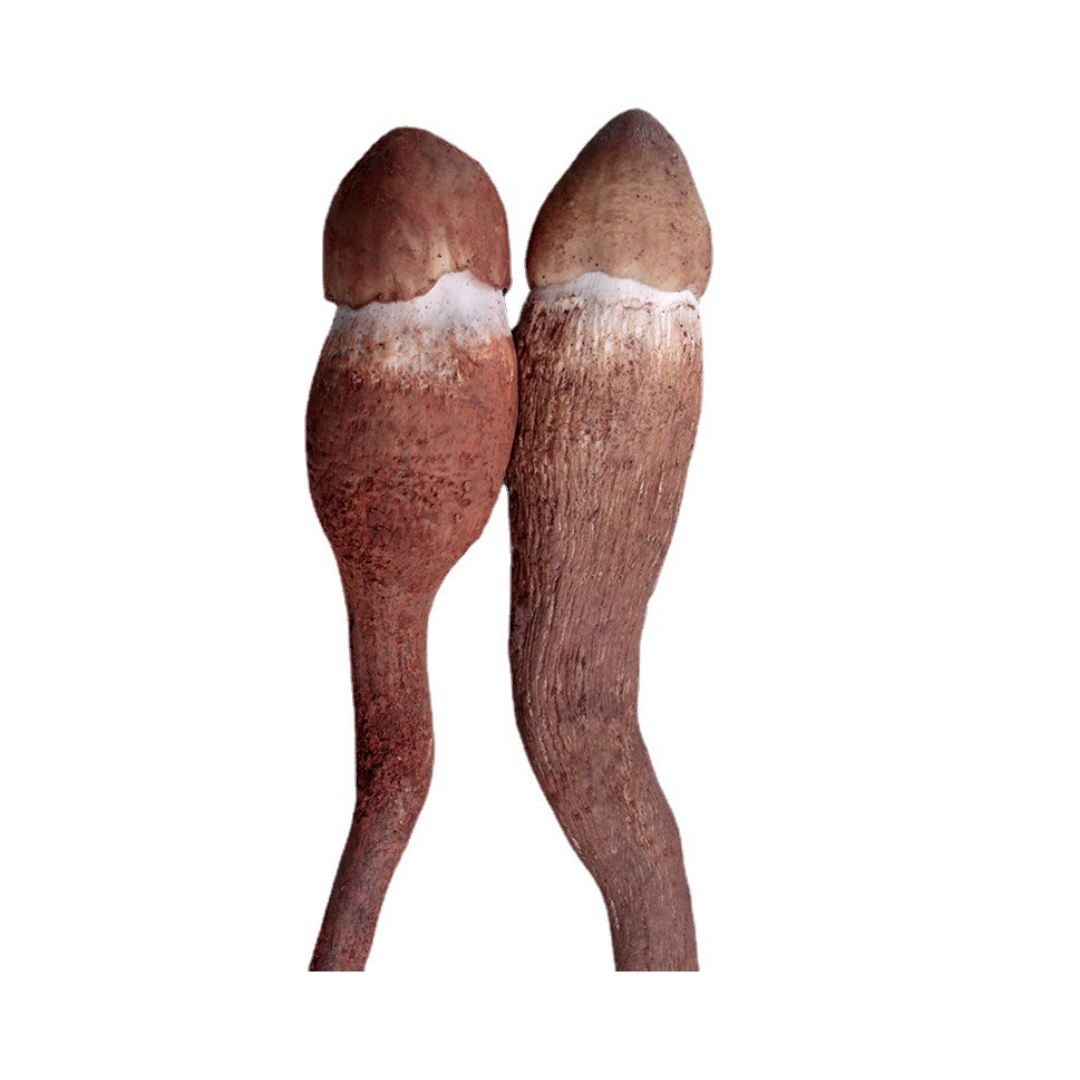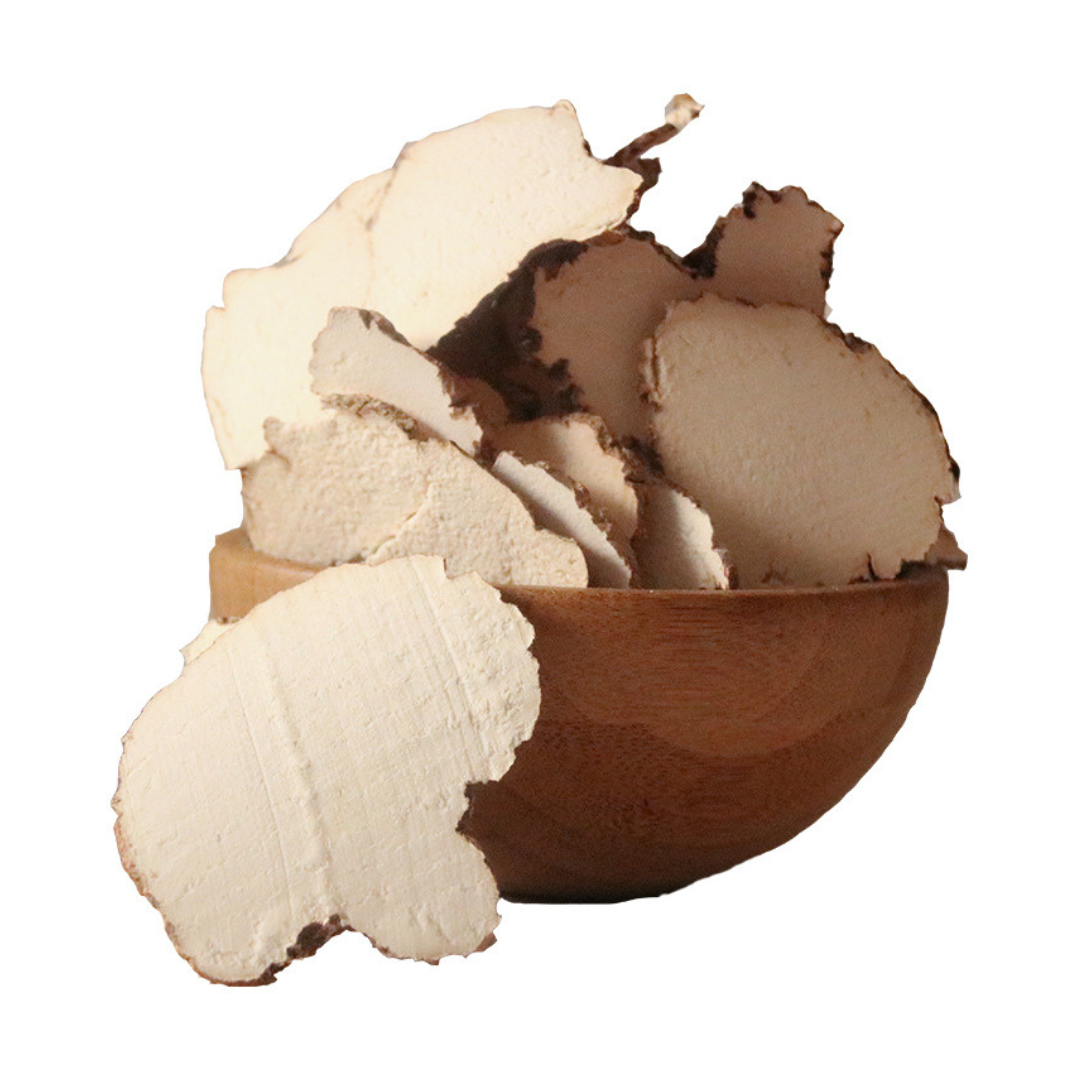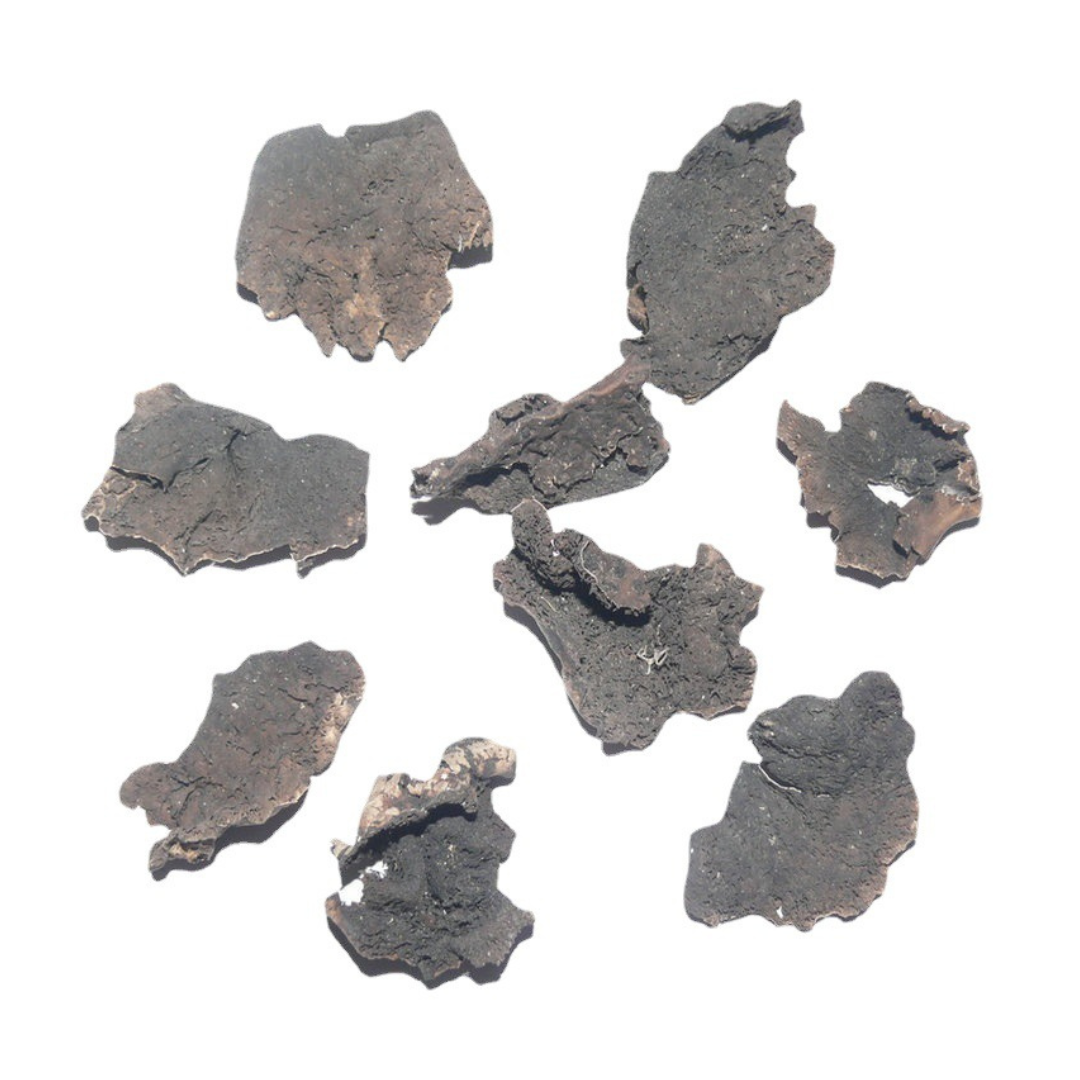


Product Introduction
Auricularia auricula, commonly known as wood ear mushroom, is a widely consumed edible fungus, and the powder form offers versatility in culinary and health applications. Auricularia auricula-judae belongs to the Auriculariaceae family and is characterized by its distinctive ear-like shape and gelatinous texture [1]. This fungus is found globally, particularly in temperate and subtropical regions, growing on decaying wood of broadleaf trees [2]. Its popularity stems from its unique texture, nutritional profile, and potential health benefits, making it a valuable ingredient in various cuisines and traditional medicine practices [3]. The dehydrated powder form allows for easy incorporation into recipes, supplements, and other applications, retaining many of the beneficial properties of the fresh mushroom.
Production Process
The production of Auricularia auricula powder involves several key steps to ensure a high-quality end product. First, the fresh wood ear mushrooms are harvested and carefully selected to remove any foreign materials or damaged pieces. The mushrooms are then thoroughly cleaned to eliminate dirt and debris. A critical step is the drying process, which typically involves hot air drying to reduce the moisture content while preserving the mushroom's nutritional value and flavor [4]. The dried mushrooms are then milled into a fine powder using industrial grinders. The powder is sieved to ensure a consistent particle size, which is important for its texture and functionality in various applications. Finally, the powder is packaged in airtight containers to prevent moisture absorption and maintain its quality during storage. Quality control measures are implemented throughout the entire process, including testing for microbial contamination, heavy metals, and other potential contaminants, to meet safety and quality standards [5].
Product Applications
Auricularia auricula powder has diverse applications due to its unique properties and nutritional composition. In the culinary field, it is used as a thickening agent in soups and stews, adding a distinctive texture and subtle earthy flavor [6]. The powder can also be incorporated into sauces, gravies, and vegetarian dishes to enhance their nutritional content and provide a unique mouthfeel. It is also a popular ingredient in traditional Chinese medicine, where it is believed to have health-promoting properties, such as improving blood circulation and reducing cholesterol levels [7]. Furthermore, Auricularia auricula powder is used in the nutraceutical industry as a dietary supplement, often encapsulated or added to health food products. Ongoing research explores its potential antioxidant, anti-inflammatory, and immune-modulating effects, further expanding its applications in health and wellness products [8].
Packaging and Storage
Proper packaging and storage are essential to maintain the quality and extend the shelf life of Auricularia auricula powder. The powder should be packaged in airtight, moisture-proof containers to prevent clumping and degradation [9]. Materials such as sealed plastic bags, glass jars, or vacuum-sealed packaging are commonly used to protect the powder from environmental factors. It is crucial to store the packaged powder in a cool, dry place, away from direct sunlight and heat sources [10]. Ideal storage conditions include a temperature below 25°C and a relative humidity below 65%. Under these conditions, Auricularia auricula powder can typically maintain its quality for up to 24 months. Regular monitoring of the storage conditions and periodic inspection of the powder for any signs of spoilage (such as off-odors or changes in color) are recommended to ensure product safety and efficacy.
Citations
[1] Wasser, S. P. (2002). Medicinal mushrooms as a source of antitumor and immunomodulating compounds. Applied Microbiology and Biotechnology, 60(3), 258-274.
[2] Miles, P. G., & Chang, S. T. (2004). Mushrooms: cultivation, nutritional value, medicinal effect, and environmental impact. John Wiley & Sons.
[3] Cheung, P. C. K. (2008). Mushrooms as functional foods. John Wiley & Sons.
[4] Ratti, C. (2001). Hot air and freeze-drying of high-value foods: a review. Journal of Food Engineering, 49(4), 311-319.
[5] Manzi, P., Aguzzi, A., & Pizzoferrato, L. (2001). Nutritional value of edible mushrooms widely consumed in Italy. Food Chemistry, 73(3), 321-325.
[6] Mattila, P., Suonpää, K., & Piironen, V. (2000). Functional properties of edible mushrooms. Nutrition, 16(7-8), 694-696.
[7] Hobbs, C. (1995). Medicinal mushrooms: an exploration of tradition, healing, & culture. Botanica Press.
[8] Kim, Y. S., Kim, M. Y., Kim, D. W., Park, J. P., Choi, J. W., & Park, H. J. (2006). Optimization of conditions for the preparation of mycelial extracts from Auricularia auricula-judae using response surface methodology. Bioresource Technology, 97(13), 1674-1679.
[9] Fellows, P. (2009). Food processing technology: principles and practice. Woodhead Publishing.
[10] Rahman, M. S. (2007). Handbook of food preservation. CRC press.

As a sales manager, I’m here to make sure you get exactly what you need for your dietary supplements. From sourcing to delivery, I’m always by your side, ensuring smooth and friendly service. Let’s make your products even better! 🥰🌿