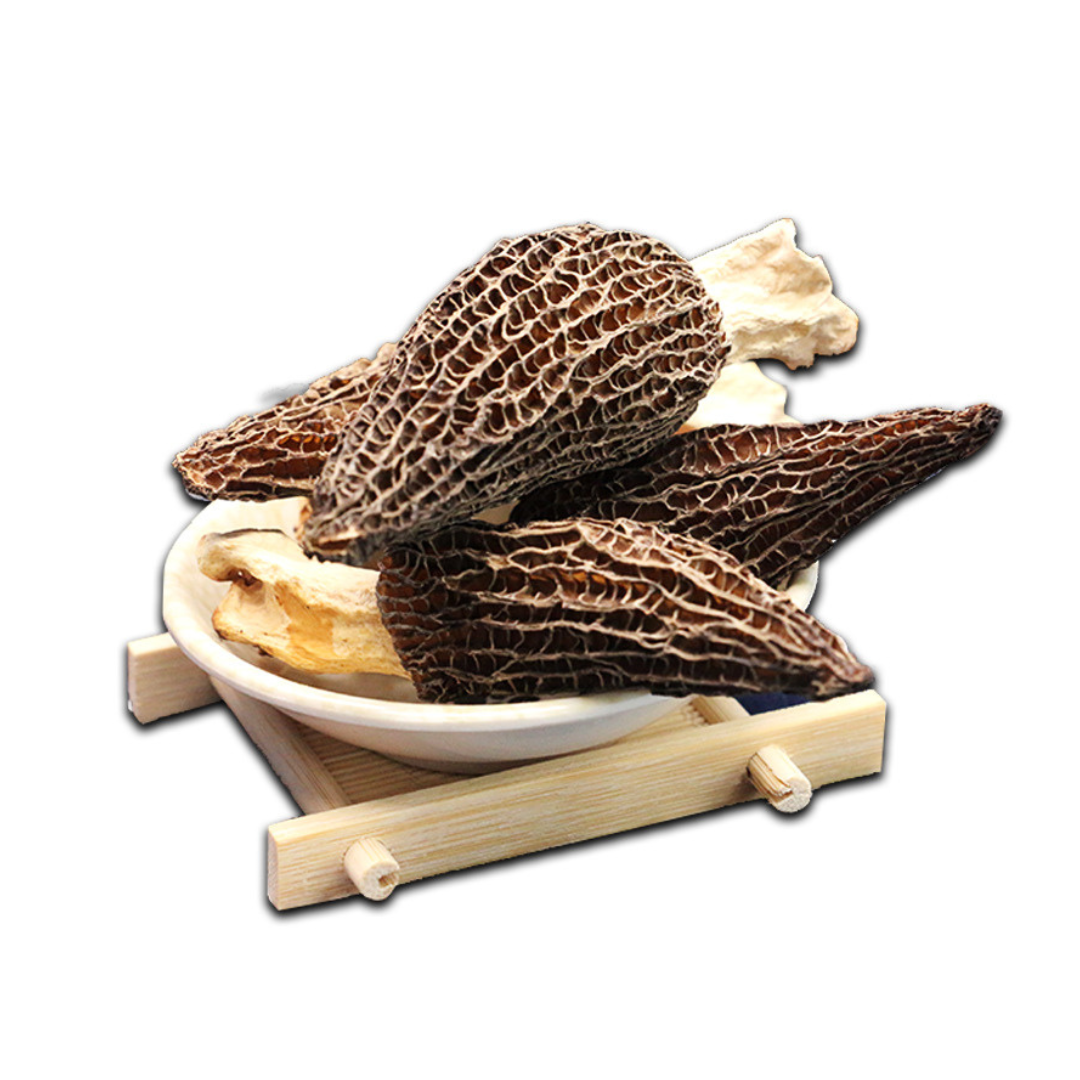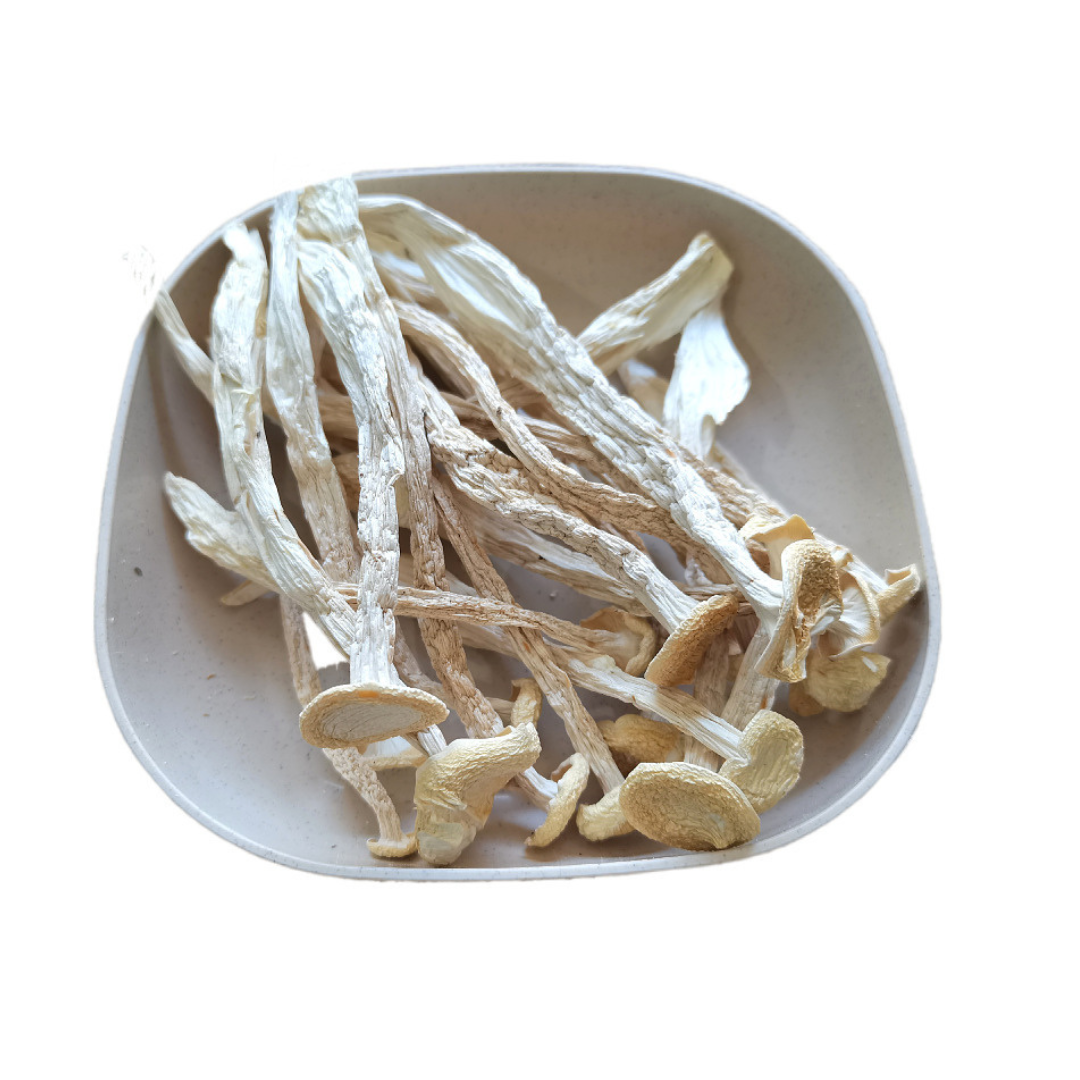


Product Introduction
Crab mushroom powder is derived from the Hypsizygus tessellatus mushroom, commonly known as the crab mushroom or shimeji mushroom. This powder form offers a convenient way to incorporate the mushroom's unique flavor and nutritional benefits into various food products. The powder is produced by drying, then grinding the mushrooms into a fine powder, thereby concentrating its natural compounds. It is known for its subtle seafood-like flavor profile.
Production Process
The production of crab mushroom powder typically involves several key steps, starting with sourcing high-quality Hypsizygus tessellatus mushrooms. Once harvested, the mushrooms are thoroughly cleaned to remove any debris or impurities. A critical step is the drying process, which often utilizes freeze-drying (lyophilization) to retain the mushroom's volatile compounds and nutrients, protecting both flavor and nutritional properties. After drying, the mushrooms are milled into a fine powder using specialized equipment. The resulting powder will then be tested for quality control, including particle size, moisture content, and microbial load, to ensure it meets industry standards for safety and purity. Finally, the powder is packaged under controlled conditions to prevent moisture absorption and maintain its quality and shelf life.
Product Applications
Crab mushroom powder can be used in a variety of culinary applications. It serves as a flavoring agent in soups, sauces, and broths, adding umami and a subtle seafood flavor. It can also be incorporated into dry rubs and seasonings for meats and vegetables. Furthermore, the powder can be used in vegetarian and vegan dishes to impart a savory taste, mimicking seafood notes, enhancing flavor profiles. The fine texture of the powder allows for easy dispersion and blending in different food matrices. Additionally, it can be encapsulated for use in dietary supplements, offering a concentrated source of mushroom nutrients.
Packaging and Storage
Proper packaging and storage are crucial for maintaining the quality and extending the shelf life of crab mushroom powder. The powder must be packaged in airtight, moisture-proof containers to prevent degradation from humidity and oxidation. Suitable packaging materials include glass jars, sealed plastic bags (such as mylar or vacuum-sealed bags), and containers with tight-fitting lids. It is recommended to store the packaged powder in a cool, dry place, away from direct sunlight and heat sources. Optimal storage temperatures are typically between 4°C and 22°C (40°F and 72°F) as excessive heat can degrade the powder's flavor and nutritional properties. Under these conditions, crab mushroom powder can maintain its quality for up to 12-24 months.
Citations:
- Chang, S. T., & Miles, P. G. (2004). Mushrooms: Cultivation, nutritional value, medicinal effect, and environmental impact. CRC press.
- Rop, O., Mlcek, J., Jurikova, T., & Bednárová, M. (2009). Chemical composition and nutritional value of culinary-medicinal mushrooms and their products. Journal of the Czech University of Life Sciences, Prague, Faculty of Agrobiology, Food and Natural Resources, 22(1), 159-168.
- 侗庆华, 李峻, 聂绍平, & 谢明. (2011). 冻干技术在食品工业中的应用. 食品科学, 32(1), 255-259.

As a sales manager, I’m here to make sure you get exactly what you need for your dietary supplements. From sourcing to delivery, I’m always by your side, ensuring smooth and friendly service. Let’s make your products even better! 🥰🌿