

Product Introduction
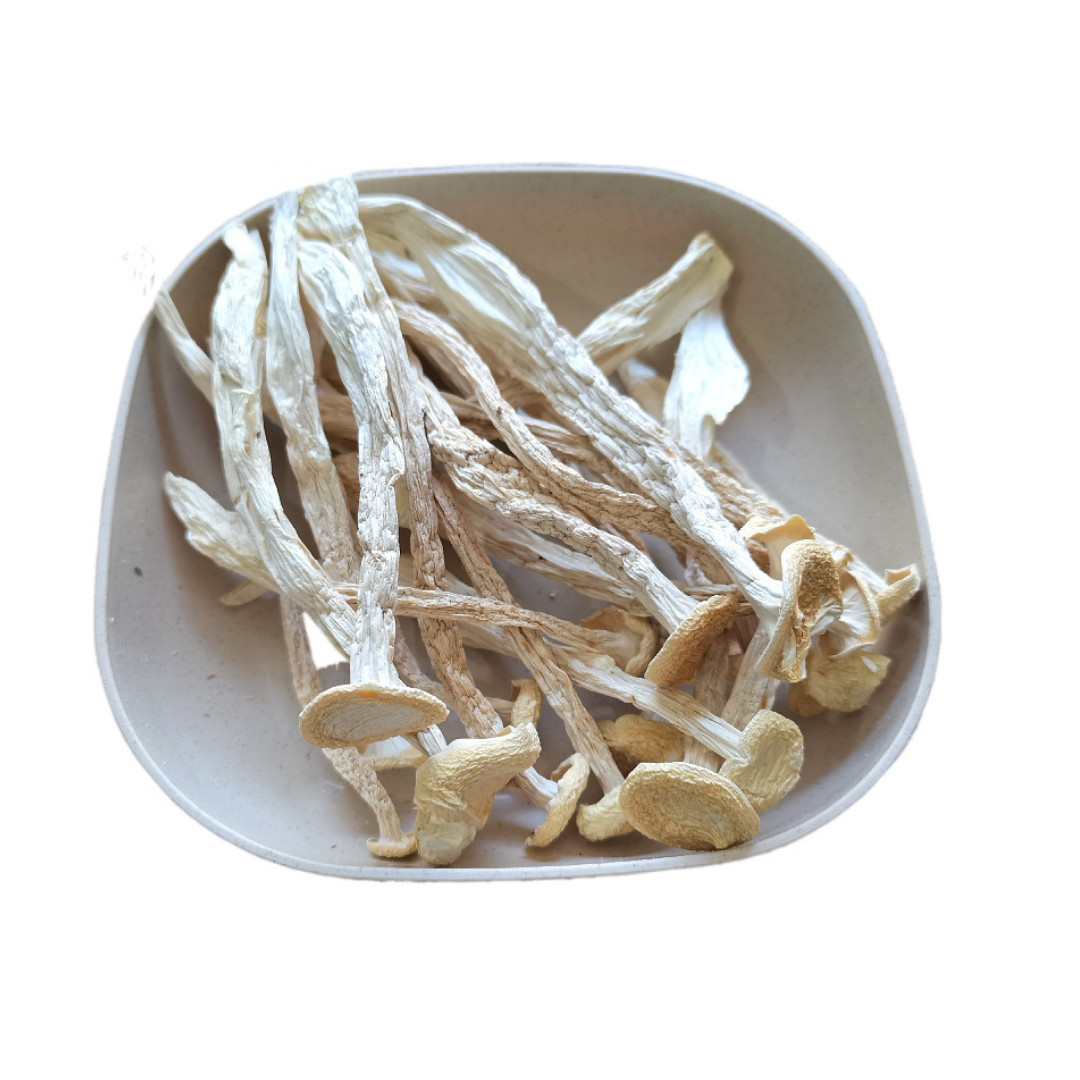
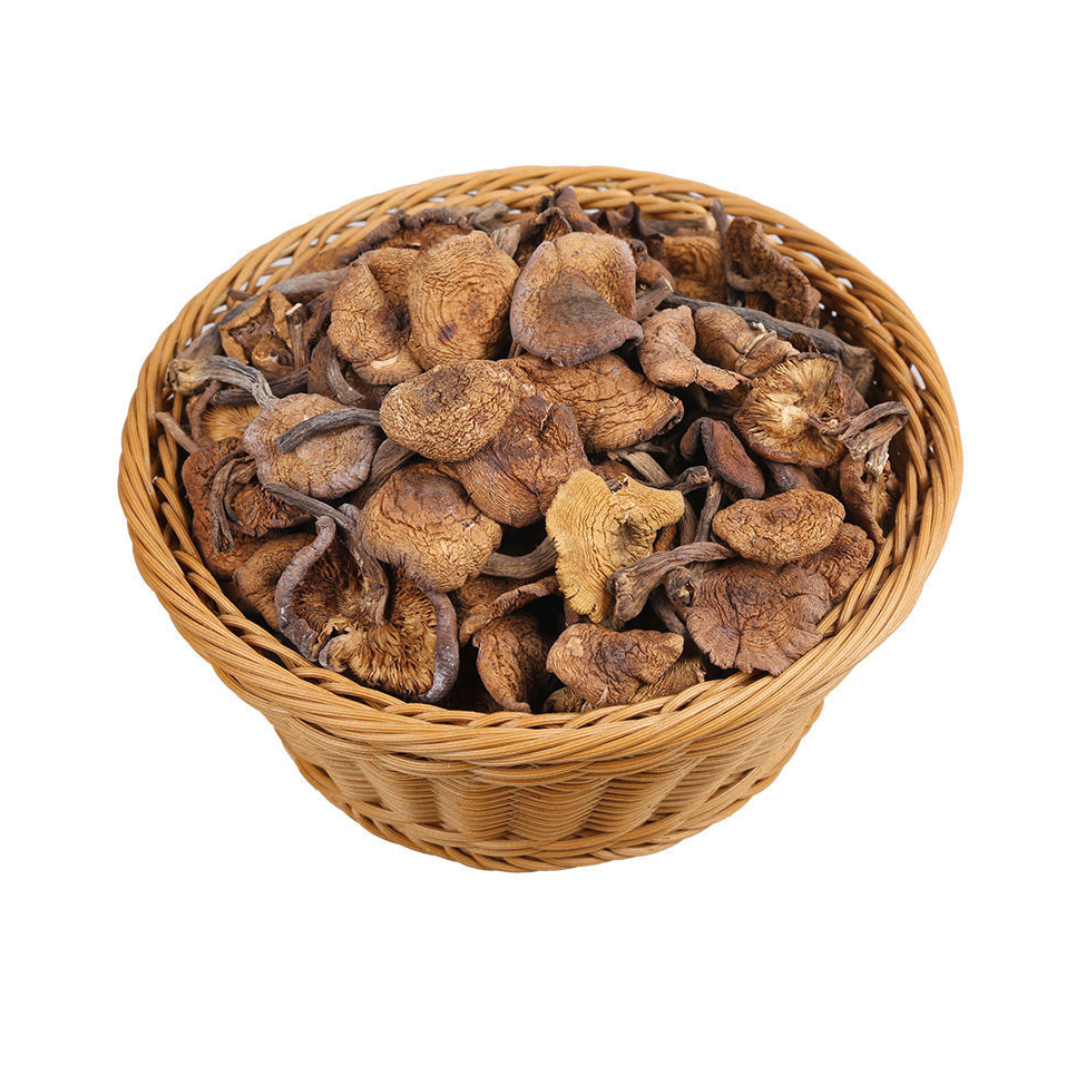
Hazel mushroom powder is derived from Leratiomyces percevalii, a mushroom with a distinctive hazelnut-like aroma. These mushrooms are carefully harvested and then dehydrated to preserve their flavor and nutritional properties. The dehydration process typically involves either air-drying or freeze-drying, both methods effectively removing moisture while retaining the mushroom's essential compounds. As a result, the powder form allows for easy incorporation into various food and supplement formulations.
Production Process
The production of hazel mushroom powder begins with the careful selection and harvesting of Leratiomyces percevalii mushrooms. These mushrooms are thoroughly cleaned to remove any debris and then sliced into smaller pieces to facilitate efficient drying. The selected drying method, either air-drying or freeze-drying, is then applied.
Air-drying involves placing the mushroom slices in a controlled environment with low humidity and sufficient airflow, which gradually removes moisture over several hours or days. Freeze-drying, on the other hand, involves freezing the mushrooms and then subjecting them to a vacuum, which causes the ice crystals to sublimate directly into vapor, skipping the liquid phase. This method, known as lyophilization, is effective at preserving delicate compounds and flavors.
Once the mushrooms are completely dried, they are milled into a fine powder using industrial grinders or mills. The resulting powder is then sifted to ensure a consistent particle size and packaged to protect against moisture and oxygen. Quality control measures, including testing for microbial contamination and moisture content, are implemented throughout the process to ensure product safety and quality.
Product Applications
Hazel mushroom powder has versatile applications across both culinary and nutritional fields. In culinary applications, it serves as a natural flavoring agent, enhancing the umami and earthy notes of soups, sauces, and seasonings. It can be added directly to recipes or used as a component in spice blends. Many chefs value its ability to impart a unique and subtle hazelnut-like aroma, which complements a variety of dishes.
In the realm of dietary supplements, hazel mushroom powder is incorporated for its potential nutritional benefits. Mushrooms, in general, are known to contain various bioactive compounds, including polysaccharides, antioxidants, and vitamins. The specific nutritional profile of Leratiomyces percevalii is still under investigation, but it's valued for supporting overall wellness. It can be found in capsule form or as an ingredient in powdered nutritional blends.
Packaging and Storage
Proper packaging is essential to maintaining the quality and extending the shelf life of hazel mushroom powder. The powder should be packaged in airtight containers, which provide a barrier against moisture, oxygen, and light. Options include resealable bags, glass jars, and plastic containers designed for food storage.
Storage conditions also play a critical role. The powder should be stored in a cool, dry, and dark place to minimize degradation of its flavor and nutritional components. Exposure to heat, humidity, and light can accelerate spoilage and reduce the powder's overall quality. Under optimal storage conditions, hazel mushroom powder can maintain its quality for an extended period, typically ranging from 12 to 24 months.
Citations
- Chang, S. T., & Miles, P. G. (2004). Mushrooms: Cultivation, nutritional value, medicinal effect, and environmental impact. CRC Press.
- Rai, M., et al. (2017). Medicinal Mushrooms: Recent Progress in Research and Development. CRC Press.
- Tewari, P., et al. (2020). Recent advances in mushroom nutraceuticals. Food Bioscience, 37, 100734.

As a sales manager, I’m here to make sure you get exactly what you need for your dietary supplements. From sourcing to delivery, I’m always by your side, ensuring smooth and friendly service. Let’s make your products even better! 🥰🌿