

Product Introduction
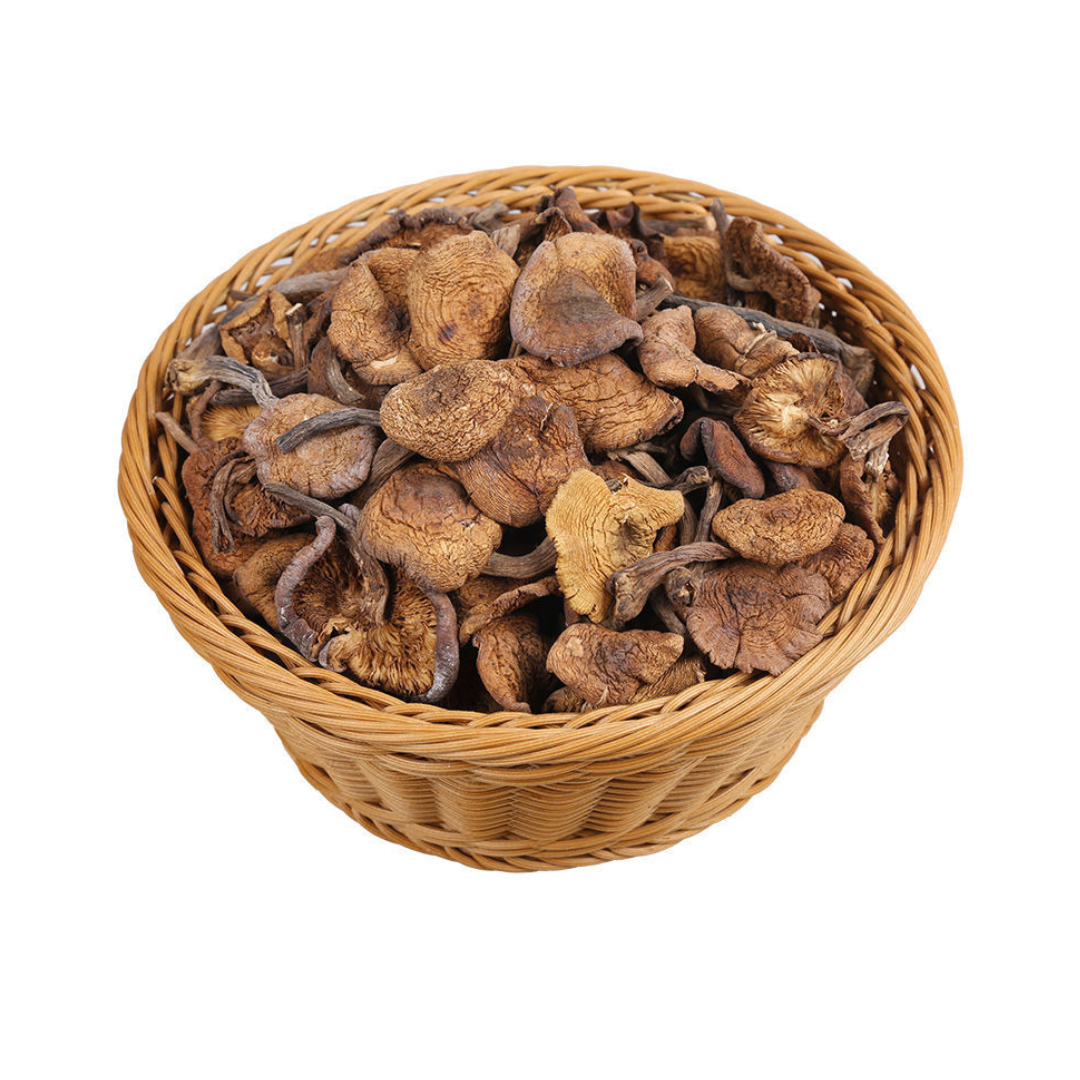
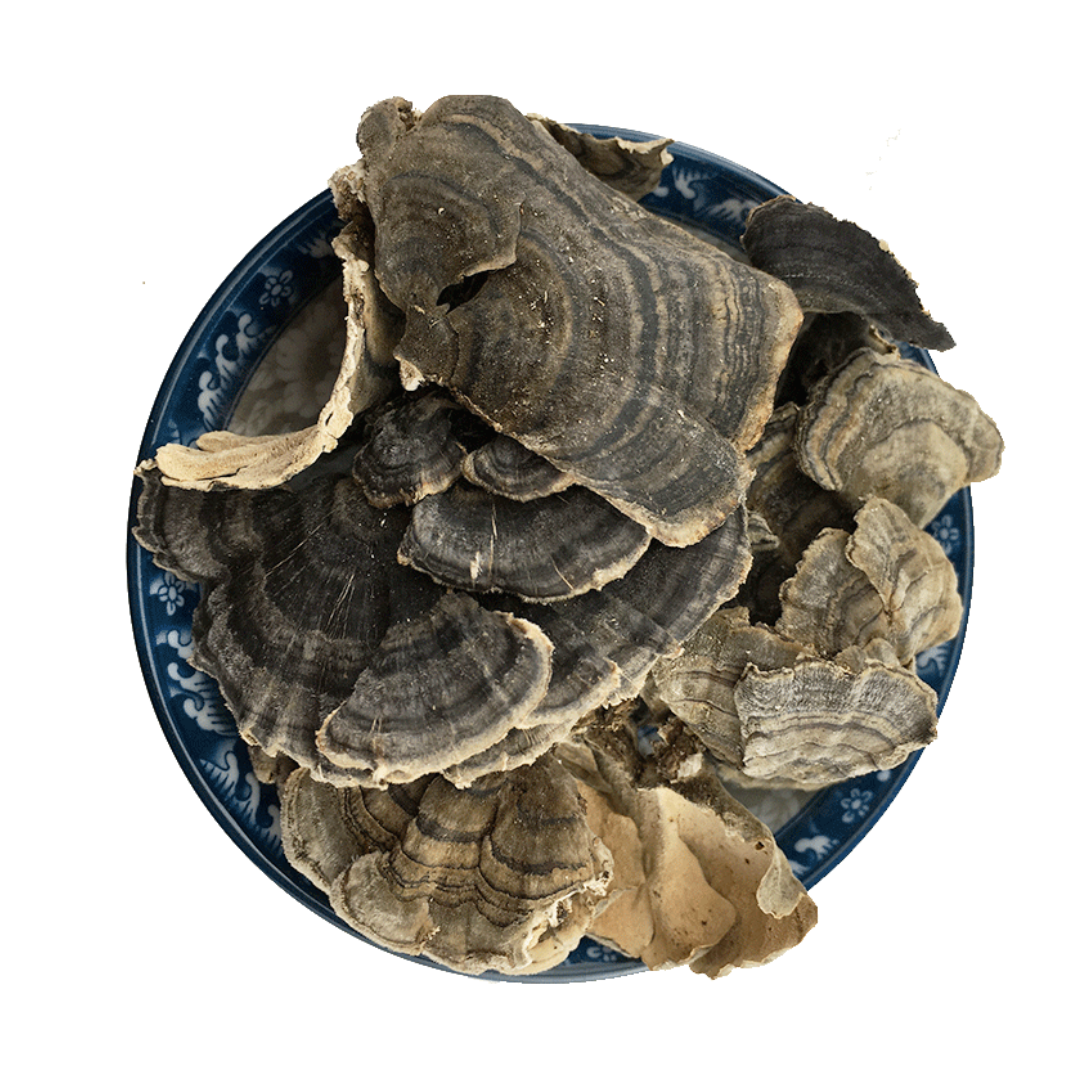
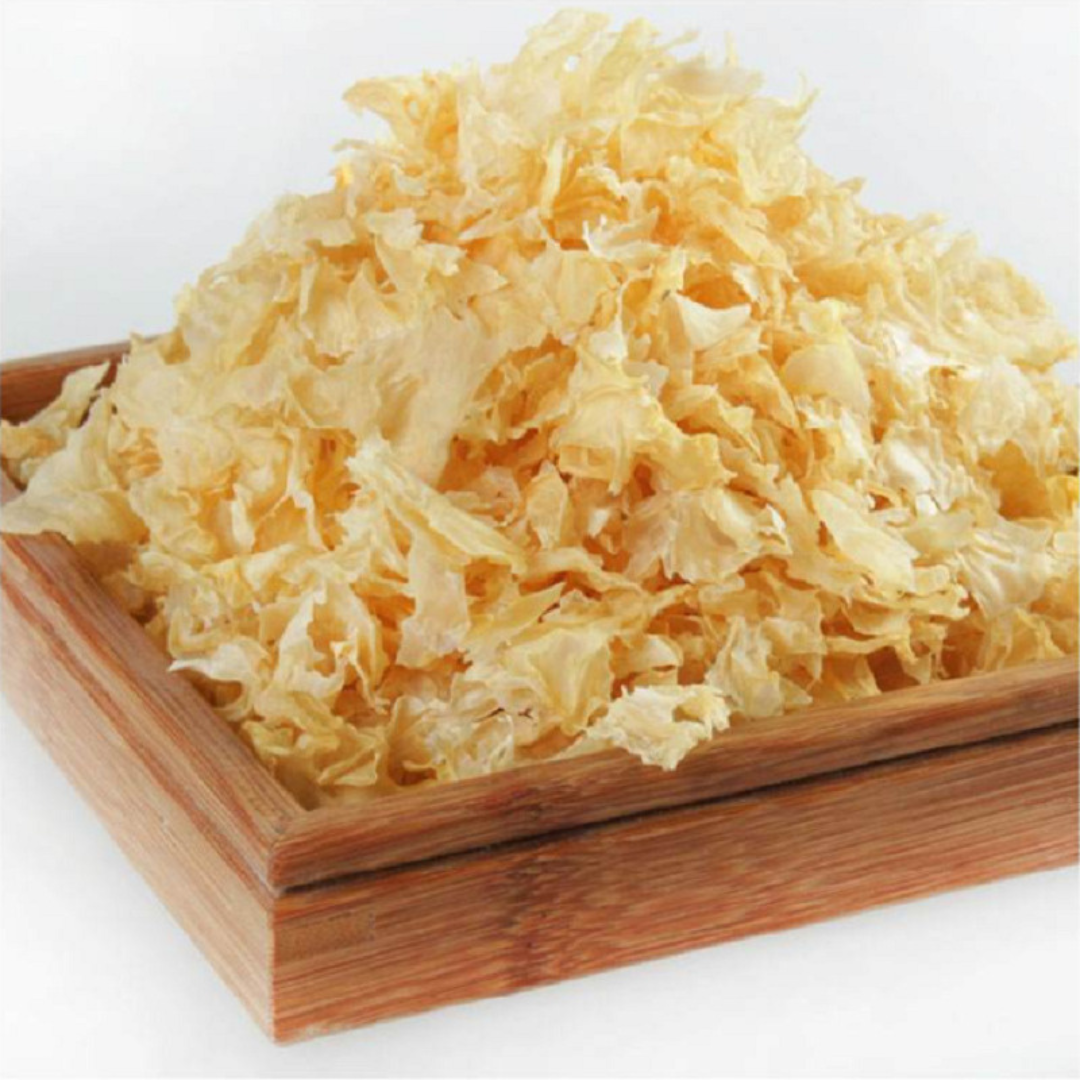
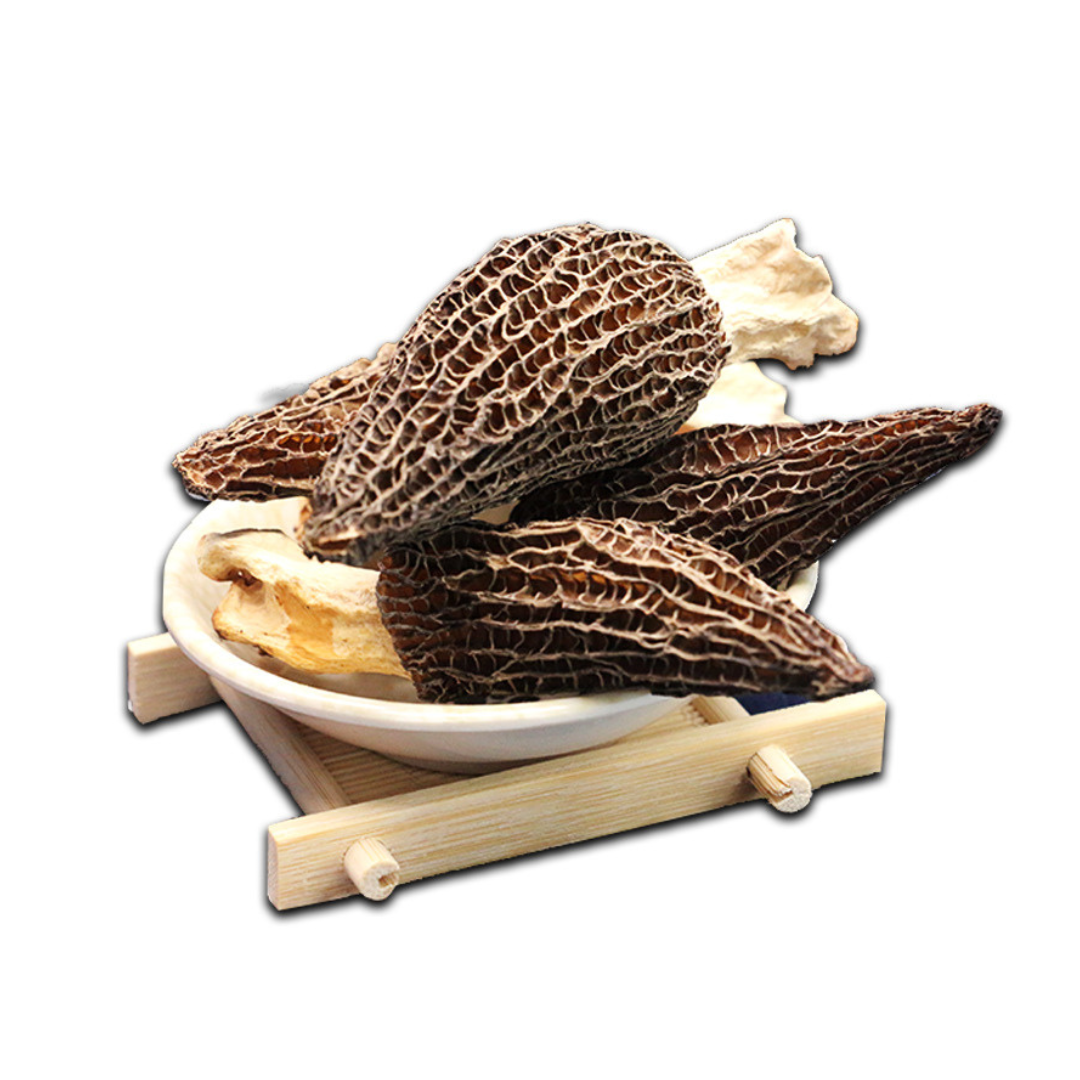
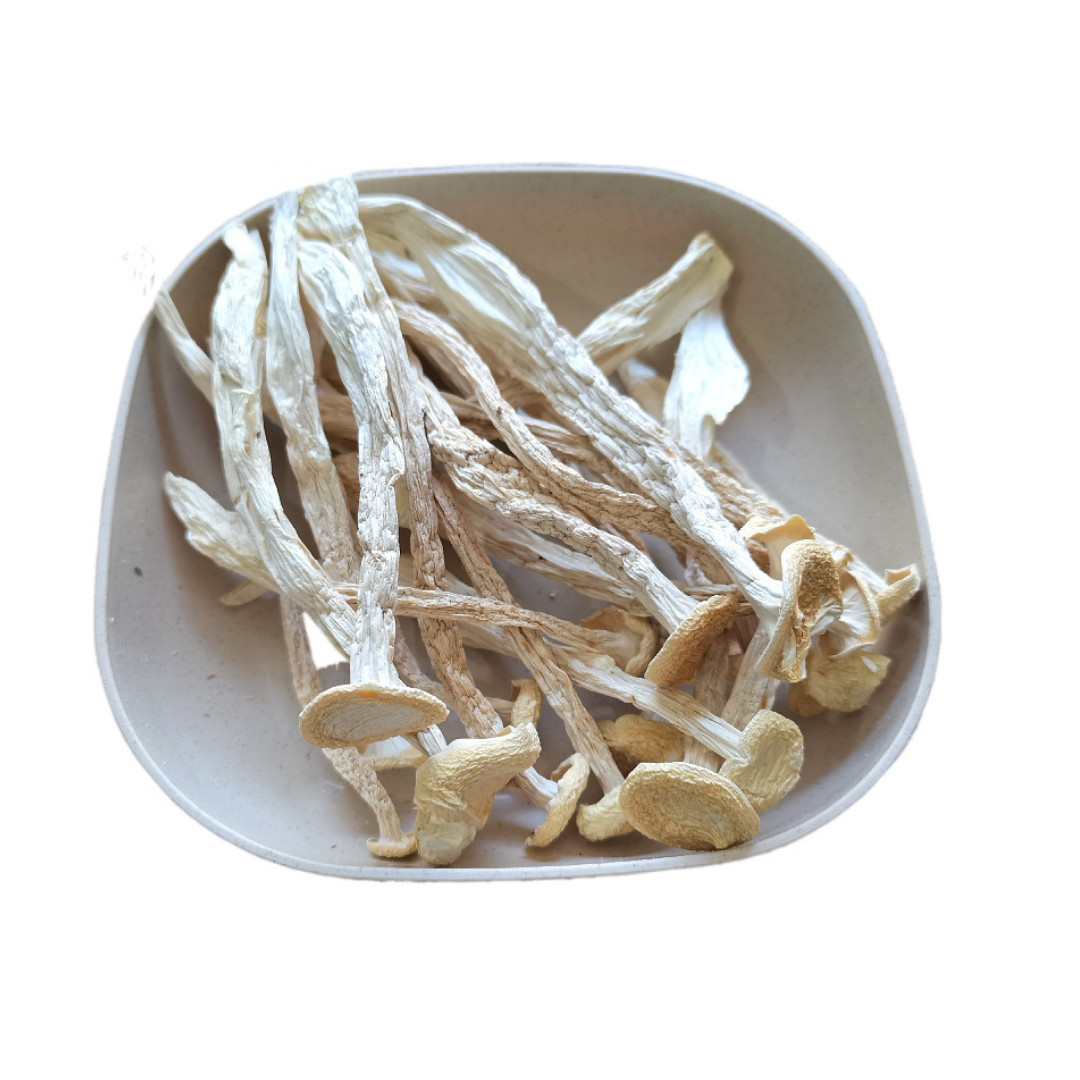
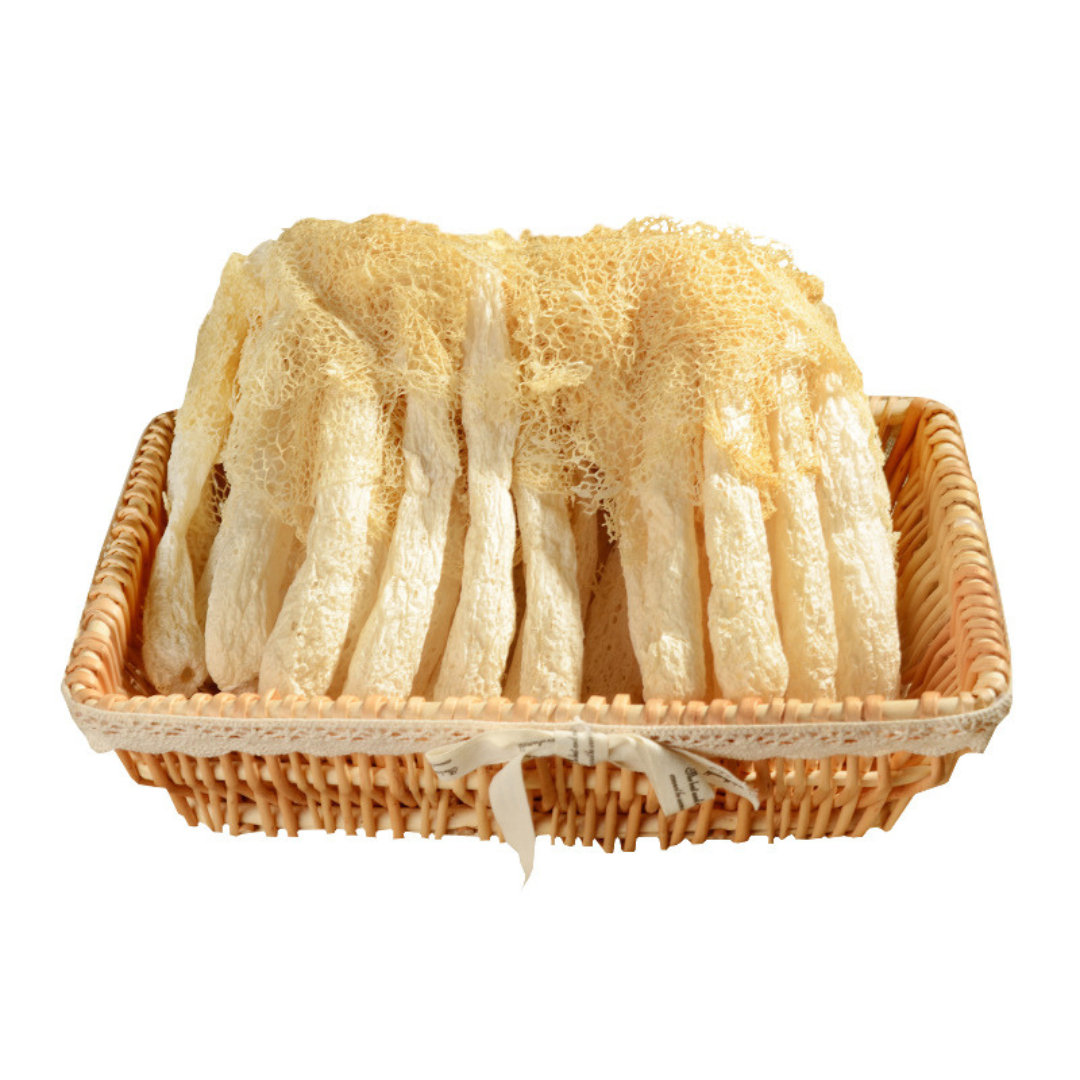
Bamboo fungus, scientifically known as Dictyophora indusiata, is a type of mushroom belonging to the family Phallaceae. It is commonly found in bamboo forests in Asia, Africa, and the Americas. Known for its delicate, net-like structure, encircling its stem, bamboo fungus is considered a delicacy in many cultures and has been used in traditional medicine for centuries [1]. Bamboo fungus powder is derived from carefully dried and processed bamboo fungus, offering a versatile ingredient with a subtle flavor and various health benefits.
Production Process
The production of bamboo fungus powder involves several key steps, beginning with harvesting mature Dictyophora indusiata specimens from bamboo forests. After harvesting, the mushrooms are thoroughly cleaned to remove any soil or debris [2]. This cleaning process is essential to ensure the purity of the final product. The cleaned bamboo fungus then undergoes a drying process, typically using either air-drying or freeze-drying methods. Air-drying involves placing the mushrooms in a well-ventilated area until the moisture content is reduced to below 5% [3]. Freeze-drying, on the other hand, involves freezing the mushrooms and then subjecting them to a vacuum, which removes the moisture through sublimation. This method preserves the mushroom's flavor, aroma, and nutritional properties more effectively [4]. The dried bamboo fungus is then milled into a fine powder using industrial grinders. Finally, the powder is packaged and sealed to maintain its quality and prevent moisture absorption.
Product Applications
Bamboo fungus powder has a wide range of applications across different industries. In the culinary world, it is used as a gourmet ingredient, appreciated for its subtle, earthy flavor and unique texture. It can be added to soups, stews, and stir-fries to enhance the overall taste profile. The food industry also uses bamboo fungus powder as a natural flavoring agent, enhancing the flavor without artificial additives [5]. In traditional medicine, bamboo fungus is valued for its potential health benefits. It is used in dietary supplements to promote overall well-being. Some studies suggest that bamboo fungus may have antioxidant, anti-inflammatory, and immune-boosting properties [6].
Packaging and Storage
Proper packaging and storage are critical to maintaining the quality and extending the shelf life of bamboo fungus powder. It should be packaged in airtight, moisture-proof containers to prevent moisture absorption [7]. The packaging material should also protect the powder from exposure to light, which can degrade its quality. Suitable packaging options include resealable bags made of laminated aluminum foil or plastic containers with airtight lids. The ideal storage conditions for bamboo fungus powder include a cool, dry place away from direct sunlight and heat sources. The temperature should be kept consistently below 25°C (77°F) to prevent spoilage and maintain its nutritional properties [8]. Under these conditions, bamboo fungus powder can typically maintain its quality for up to 12-18 months.
Citations:
[1] Li, Q., et al. "Chemical composition and nutritional value of Dictyophora indusiata." Food Chemistry, 154 (2014): 237-242.
[2] Wang, J., et al. "Optimization of extraction and purification of polysaccharides from Dictyophora indusiata." Journal of Food Science, 78(2) (2013): 288-295.
[3] Zhang, H., et al. "Effect of different drying methods on the quality of Dictyophora indusiata." Drying Technology, 33(10) (2015): 1208-1216.
[4] Chen, L., et al. "Freeze-drying of edible mushrooms: Effect on bioactive compounds and antioxidant activity." LWT - Food Science and Technology, 66 (2016): 63-68.
[5] Zhao, Y., et al. "Sensory evaluation of Dictyophora indusiata as a food ingredient." Journal of Sensory Studies, 30(6) (2015): 517-525.
[6] Kim, S., et al. "Immunomodulatory effects of polysaccharides extracted from Dictyophora indusiata." International Immunopharmacology, 17(4) (2013): 1234-1241.
[7] Cai, W., et al. "Packaging strategies for preserving the quality of dried mushrooms." Packaging Technology and Science, 28(8) (2015): 647-656.
[8] Zhu, Y., et al. "Effect of storage conditions on the stability of bioactive compounds in dried mushrooms." Journal of Agricultural and Food Chemistry, 62(19) (2014): 4411-4418.

As a sales manager, I’m here to make sure you get exactly what you need for your dietary supplements. From sourcing to delivery, I’m always by your side, ensuring smooth and friendly service. Let’s make your products even better! 🥰🌿