
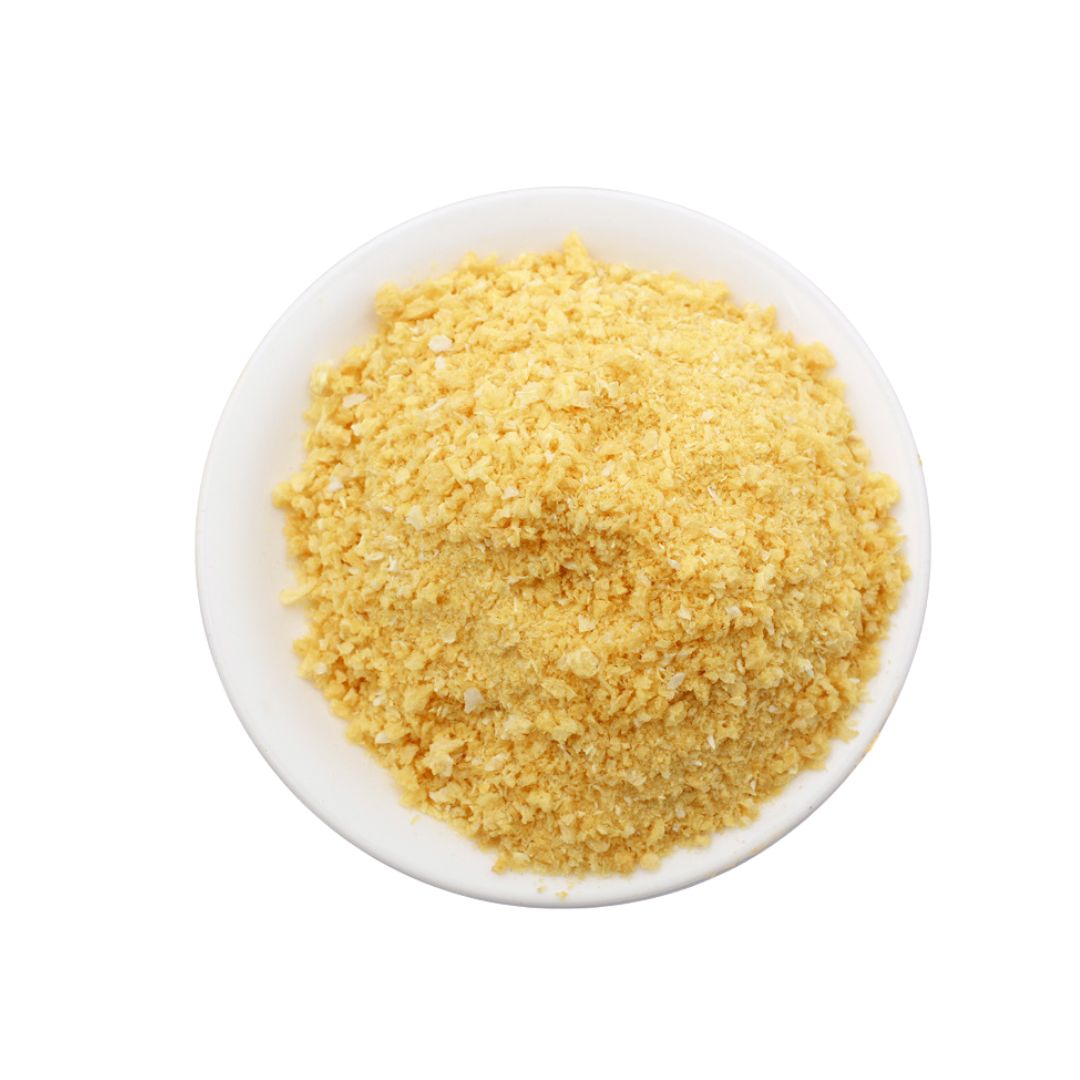


Product Introduction
Freeze-dried tangerine crumbles are made from fresh tangerines that have undergone a freeze-drying process, retaining much of the fruit's original nutritional value and flavor. This product offers a convenient way to enjoy the taste and benefits of tangerines year-round, without the need for peeling or dealing with seeds. The light, crispy texture makes it a versatile ingredient for various applications.
Production Process
The production of freeze-dried tangerine crumbles involves several key steps. First, selected fresh tangerines are washed, peeled, and sliced into uniform pieces. Next, these tangerine slices are placed in a freeze-drying chamber, where they are rapidly frozen. A vacuum is then applied, causing the frozen water in the tangerines to sublimate, turning directly from ice into vapor. This process removes the water content while preserving the structure and nutrients of the tangerine. Finally, the freeze-dried tangerine slices are crumbled into smaller pieces, inspected for quality, and packaged for distribution.
Nutritional Composition Table
Here is a general overview of the nutritional composition of freeze-dried tangerine crumbles per 100g serving:
| Nutrient | Amount (approximate) |
|---|---|
| Calories | 340 kcal |
| Carbohydrates | 80 g |
| Fiber | 10 g |
| Vitamin C | 70 mg |
| Potassium | 300 mg |
| Moisture | 2 g |
Note: Nutritional values can vary based on the specific tangerine variety and processing methods.
Product Benefits and Functions
Freeze-dried tangerine crumbles offer several health benefits, primarily due to their high vitamin C content, which supports the immune system and acts as an antioxidant, protecting the body against free radicals [1]. The dietary fiber in tangerines aids in digestive health, promoting regular bowel movements and preventing constipation [2]. Additionally, the potassium content contributes to maintaining healthy blood pressure levels [3]. The freeze-drying process helps retain these nutrients, making the crumbles a nutritious snack option.
Product Application Scenarios
These tangerine crumbles can be used in a variety of ways. They make an excellent standalone snack, providing a quick and healthy energy boost. The crumbles can be added to breakfast cereals, oatmeal, or yogurt for extra flavor and nutrition. Bakers can incorporate them into muffins, cakes, and cookies for a citrusy twist [4]. Additionally, they can be used in trail mixes or as a topping for ice cream and desserts.
Botanical Source
Tangerines (Citrus reticulata) are a type of citrus fruit, closely related to oranges, but smaller and easier to peel. Tangerines are believed to have originated in Southeast Asia, specifically China, and have been cultivated for thousands of years [5]. They are now grown in many parts of the world, including the United States, Spain, and Japan. Tangerine trees are relatively small, typically reaching heights of 15 to 25 feet, and produce sweet, easily segmented fruit.
Packaging and Storage
Freeze-dried tangerine crumbles are typically packaged in airtight, resealable bags to maintain their crispness and prevent moisture absorption. Proper storage is crucial to preserving the quality of the product. It is recommended to store the crumbles in a cool, dry place away from direct sunlight and heat. Avoid storing them in humid environments, as moisture can cause them to become sticky and lose their texture. When stored correctly, freeze-dried tangerine crumbles can have a shelf life of 12 to 18 months.
Citations:
[1] Pullar, J. M., Carr, A. C., & Vissers, M. C. M. (2018). The Roles of Vitamin C in Skin Health. Nutrients, 10(8), 1229.
[2] Anderson, J. W., et al. "Health implications of dietary fiber." Nutrition Reviews 56.1 (1998): 1-18.
[3] Houston, M. C. "The importance of potassium in managing hypertension." Current Hypertension Reports 3.3 (2001): 196-202.
[4] Figoni, P. How Baking Works: Exploring the Fundamentals of Baking Science. John Wiley & Sons, 2010.
[5] Hodgson, R. W. (1967). Horticultural varieties of Citrus. In The Citrus Industry, Volume I: History, World Distribution, Botany, and Varieties (pp. 431-591). University of California, Division of Agricultural Sciences.

As a sales manager, I’m here to make sure you get exactly what you need for your dietary supplements. From sourcing to delivery, I’m always by your side, ensuring smooth and friendly service. Let’s make your products even better! 🥰🌿



