

Product Introduction
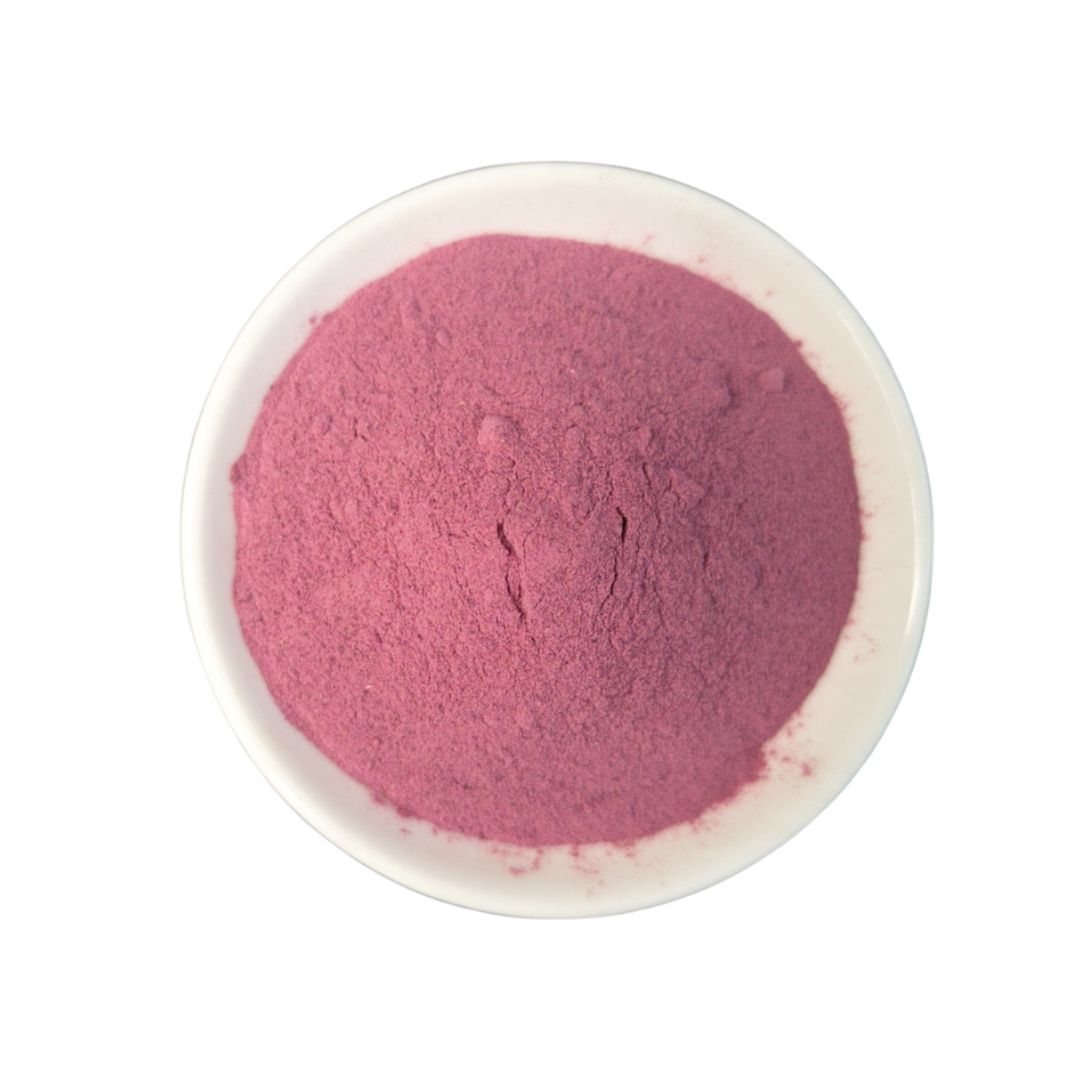
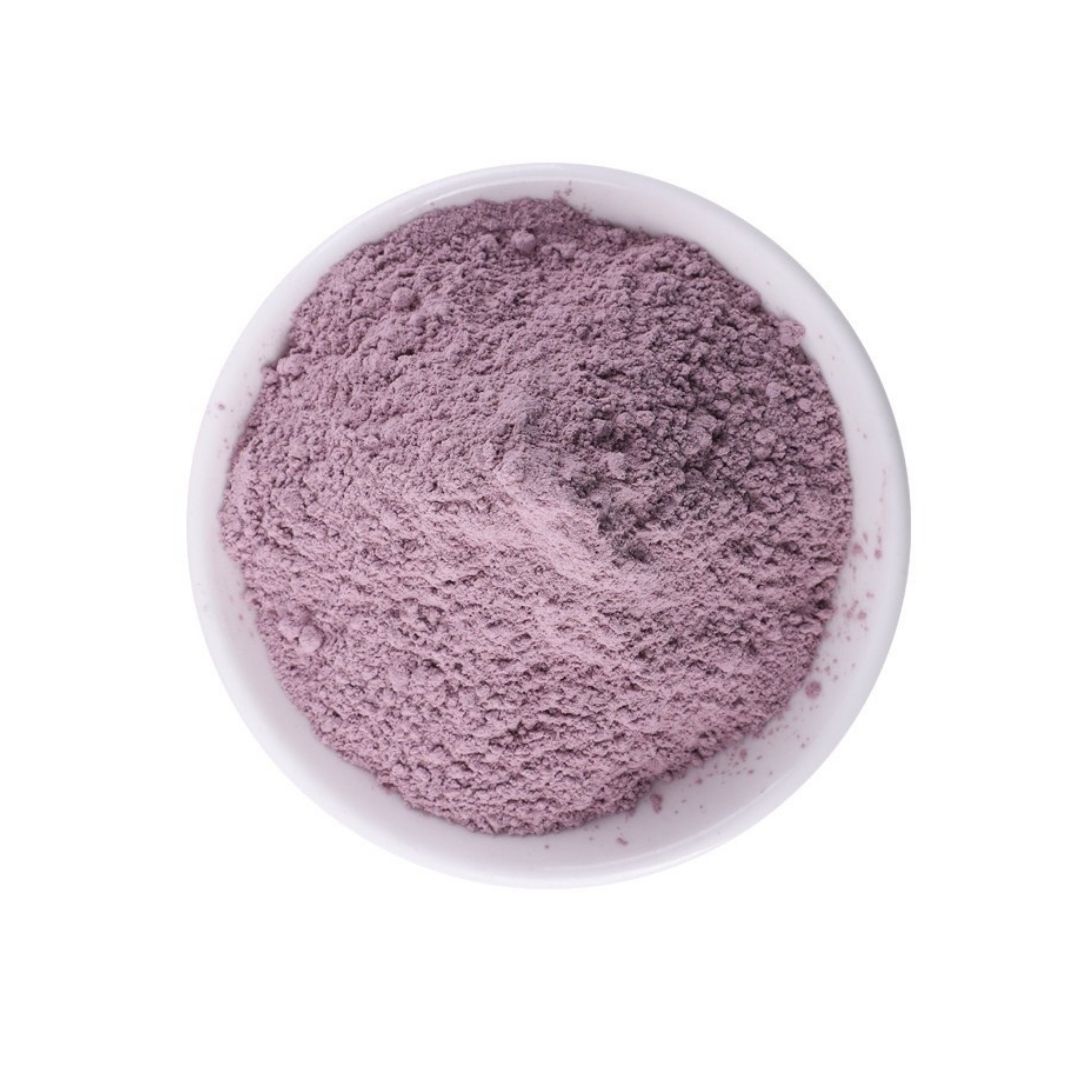
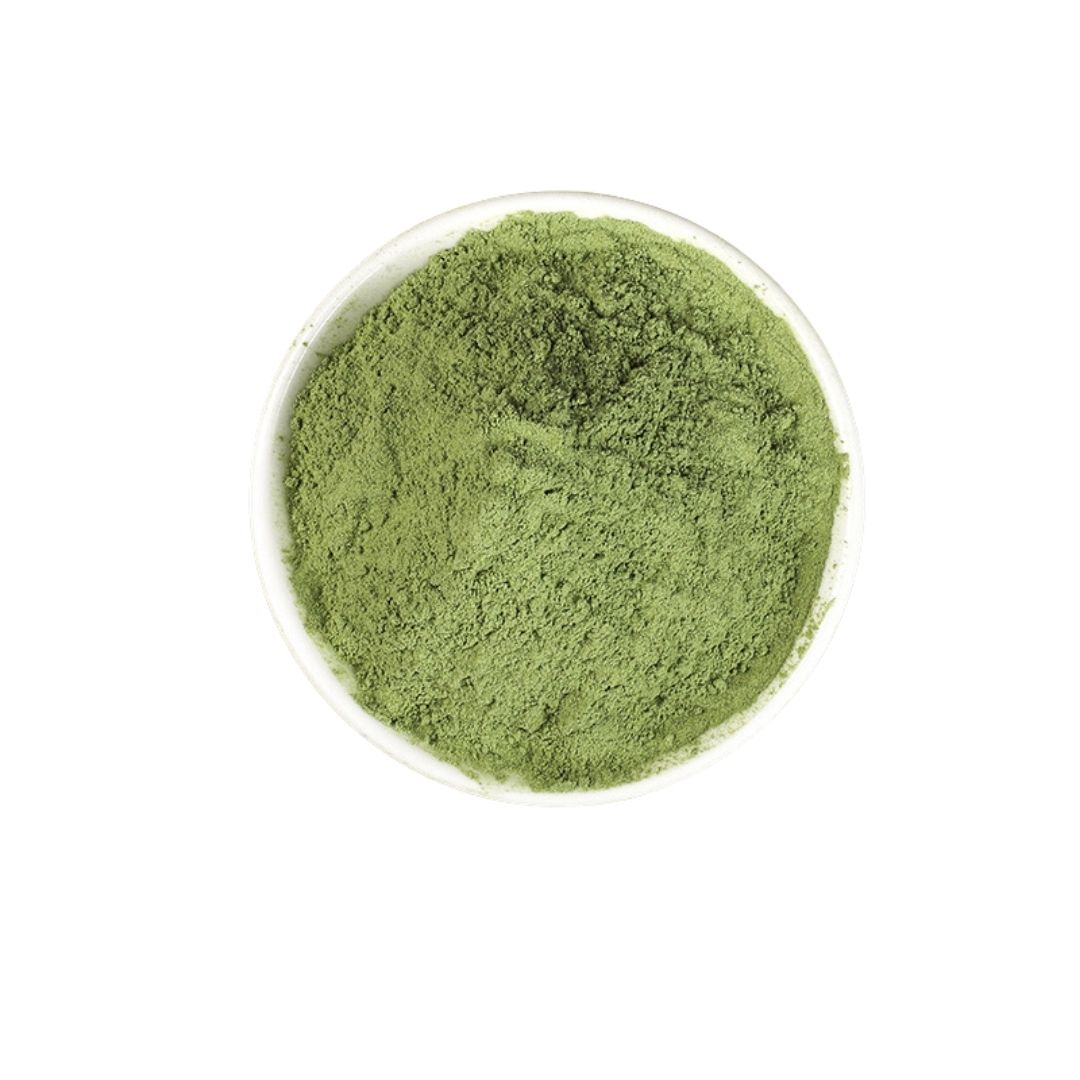
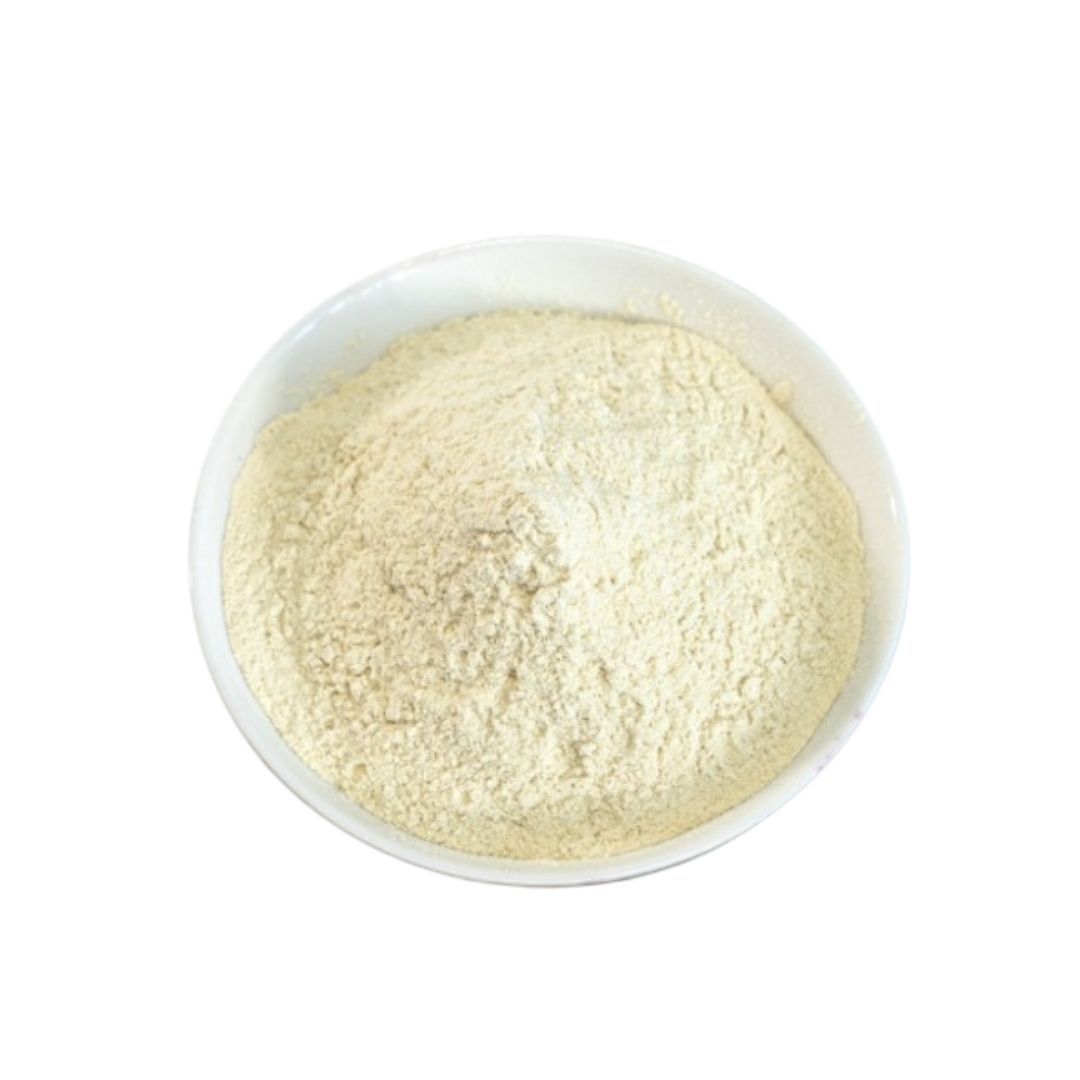
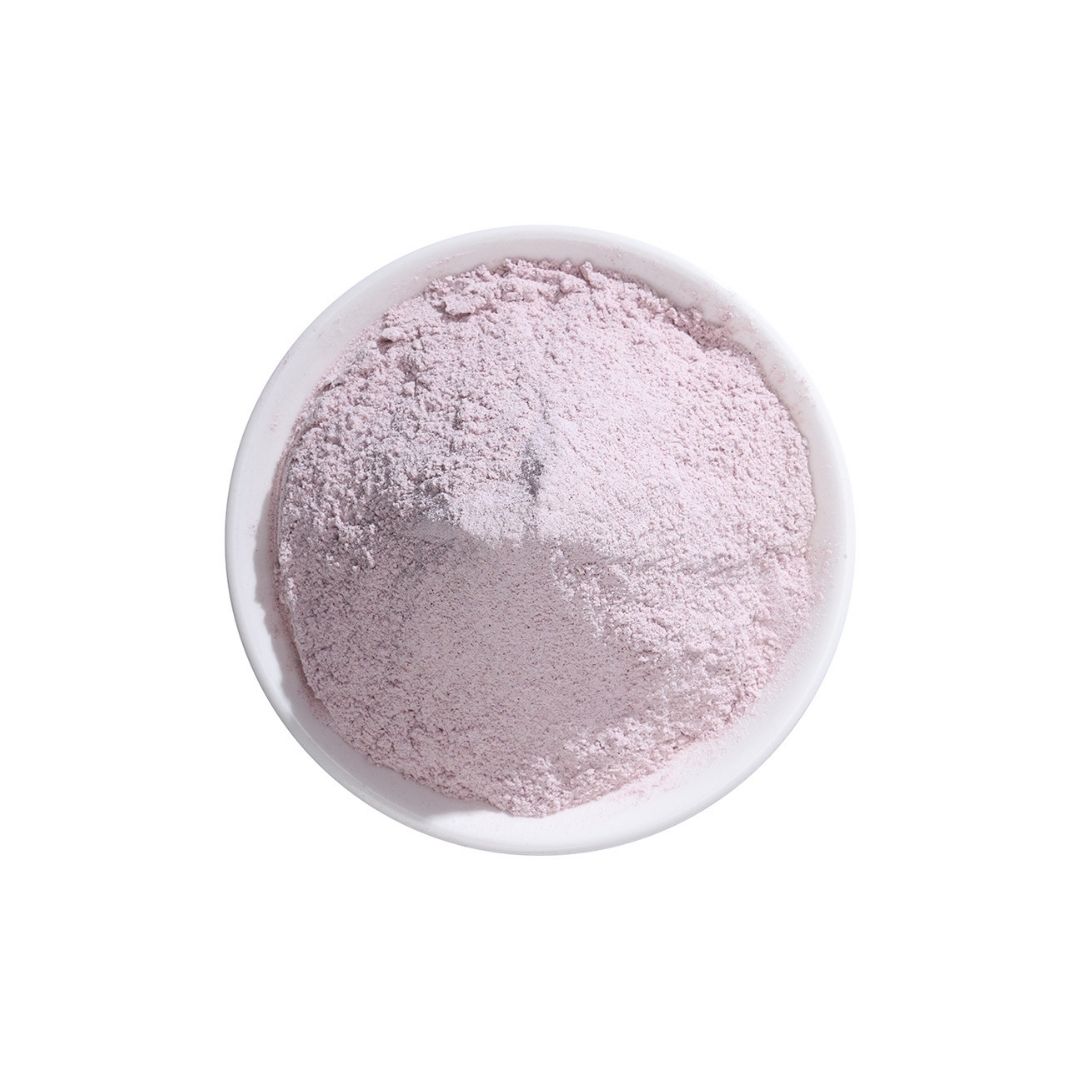
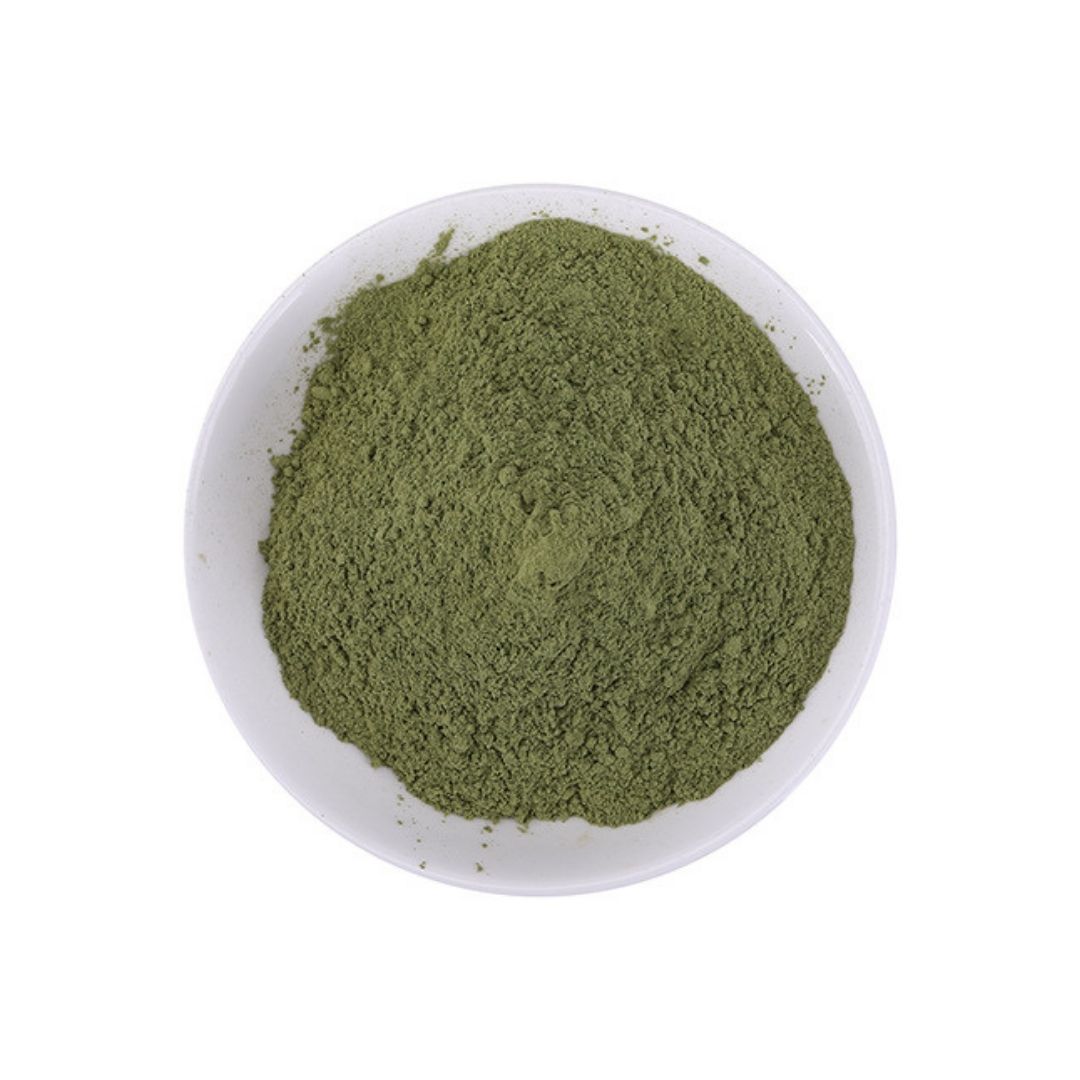
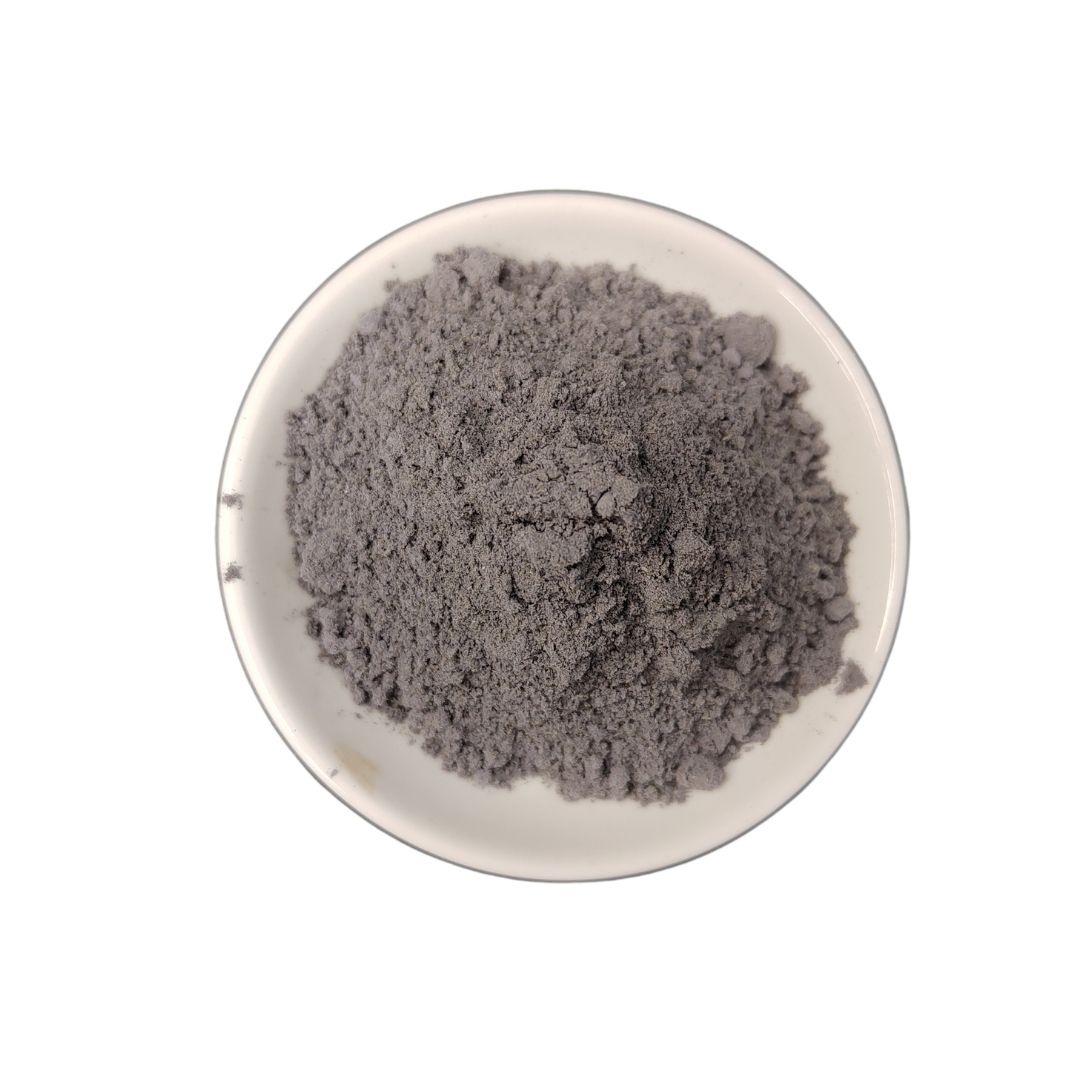
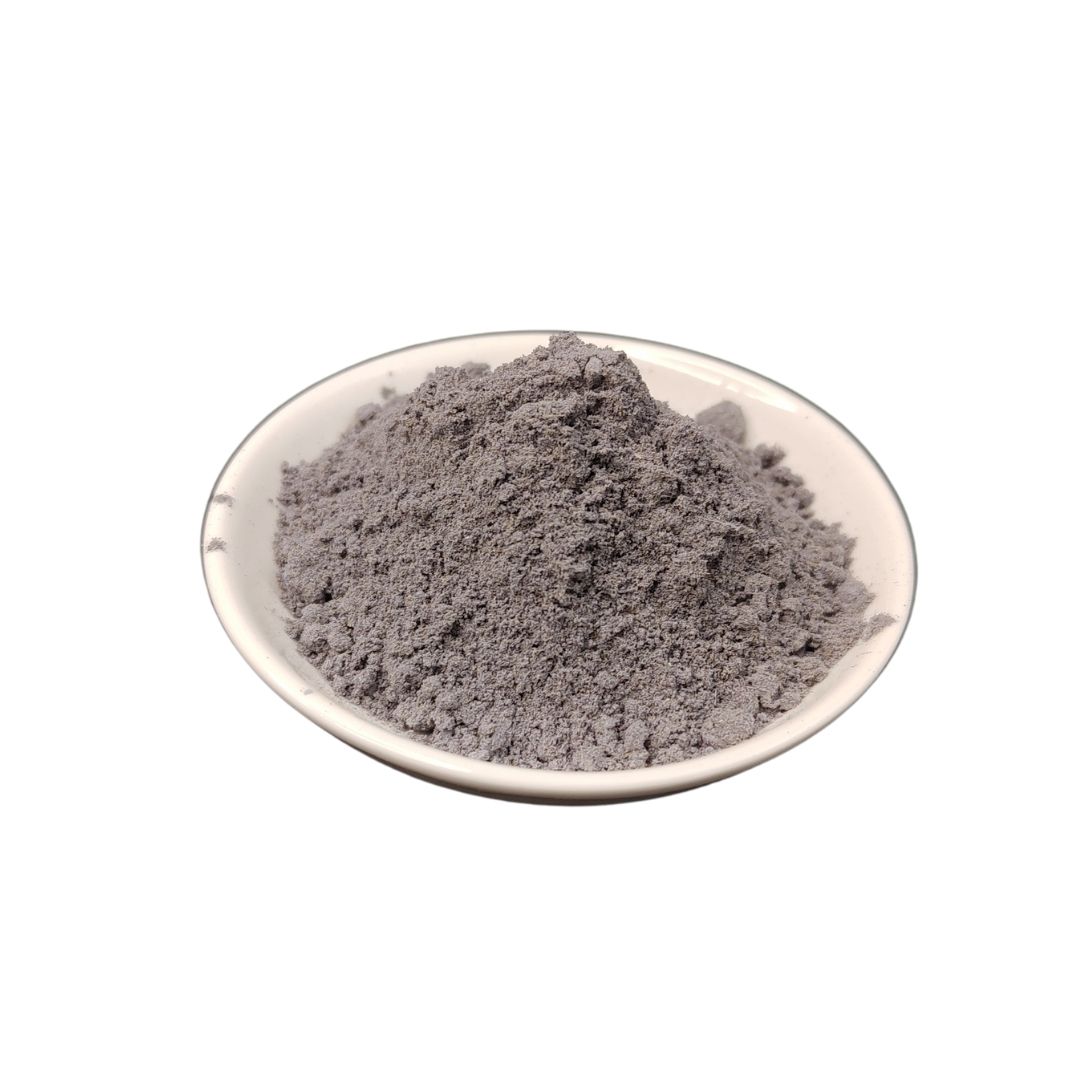
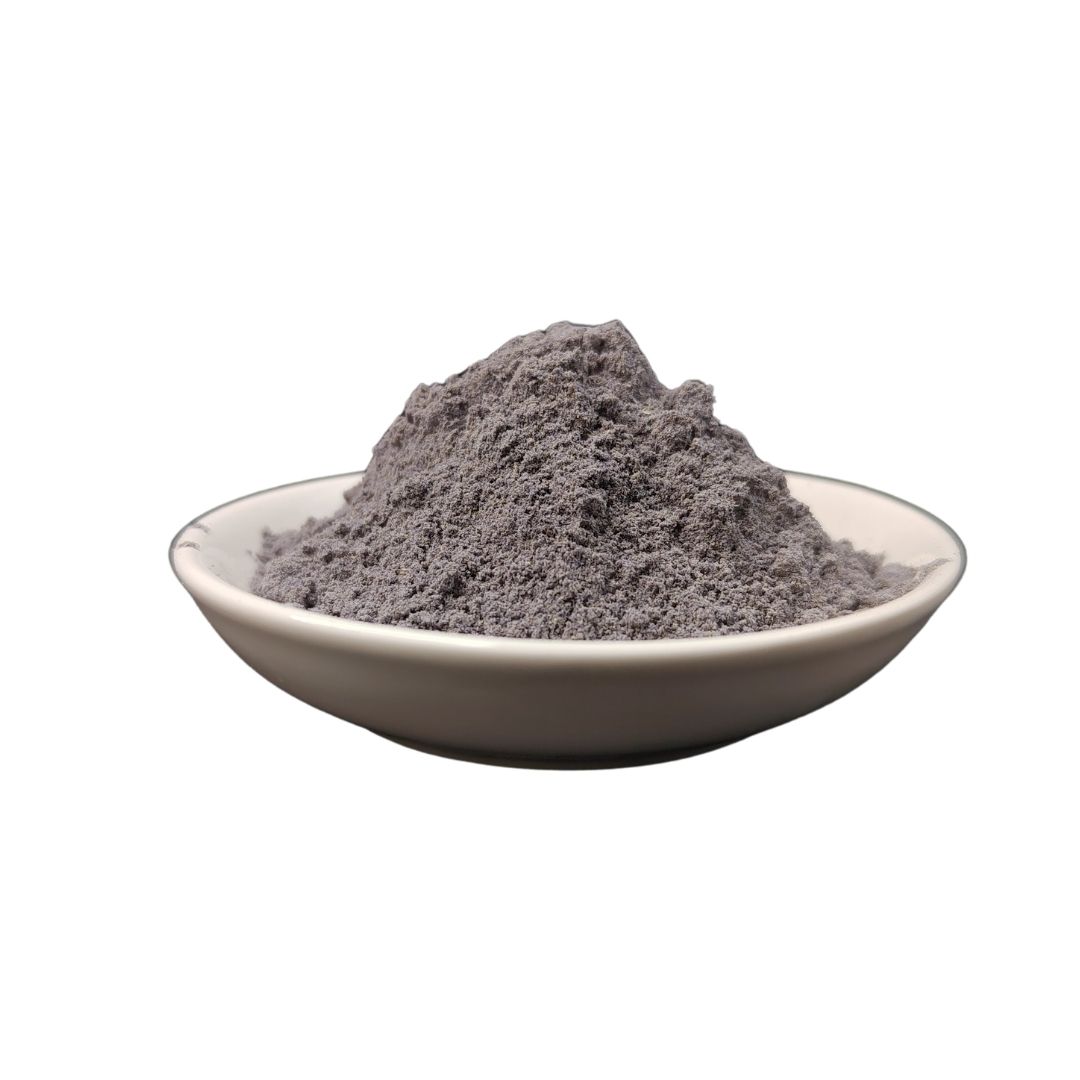
Butterfly pea pollen is derived from the Clitoria ternatea plant, commonly known as the butterfly pea. This plant is native to Southeast Asia and is now cultivated in various tropical and subtropical regions. The pollen is harvested from the plant's vibrant blue flowers and carefully processed to preserve its beneficial components. Butterfly pea pollen is rich in flavonoids, antioxidants, peptides, and amino acids, making it a valuable ingredient in health and wellness applications. It is primarily used in beverages, dietary supplements, and skincare products due to its potential health benefits and natural coloring properties.
Production Process
The production of butterfly pea pollen involves several key steps to ensure purity and quality. First, the butterfly pea flowers are harvested, typically by hand, to avoid damage. The pollen is then extracted from the flowers using specialized equipment that gently separates the pollen grains. After extraction, the pollen is dried to reduce moisture content, which helps prevent spoilage and clumping. The drying process usually involves either air-drying or using low-heat drying methods to preserve the pollen's nutritional properties. Finally, the dried pollen is finely ground into a powder and packaged to protect it from light, air, and moisture. Quality control measures, such as testing for contaminants and verifying the concentration of key compounds, are often implemented throughout the production process.
Nutrition Facts
The nutritional profile of butterfly pea pollen reveals several noteworthy components. It contains a variety of flavonoids, including anthocyanins, which are known for their antioxidant properties. Additionally, it provides essential amino acids and peptides, which are the building blocks of proteins. Carbohydrates are also present, providing a source of energy. While specific values may vary, a typical serving size of butterfly pea pollen (e.g., 1-2 grams) contains minimal calories, fat, and protein, allowing it to be easily incorporated into the diet without significantly altering caloric intake.
Product Components and Benefits
The health benefits of butterfly pea pollen are attributed to its unique composition. Flavonoids, particularly anthocyanins, act as powerful antioxidants, neutralizing free radicals and protecting cells from oxidative stress [1]. These antioxidant properties contribute to overall health and may reduce the risk of chronic diseases. Some studies suggest that butterfly pea pollen may support cognitive function, potentially enhancing memory and learning [2]. The anti-inflammatory properties of the pollen may also help to reduce inflammation in the body, further promoting health and wellness [3]. These combined effects make butterfly pea pollen a valuable addition to a balanced diet and healthy lifestyle.
Product Applications
Butterfly pea pollen has a wide range of applications across various industries. In the food and beverage sector, it is used as a natural food coloring agent, imparting a vibrant blue hue to teas, smoothies, and desserts [4]. It is also incorporated into dietary supplements aimed at boosting antioxidant intake and supporting cognitive health. In the skincare industry, butterfly pea pollen is added to creams, serums, and masks due to its potential anti-inflammatory and antioxidant effects, which may help improve skin tone and reduce signs of aging [5]. Furthermore, it is used in traditional medicine practices for its perceived therapeutic properties.
Citations
[1] Ma, Z., et al. "Anthocyanins from Clitoria ternatea flower extract ameliorate cognition deficits and oxidative stress induced by intracerebroventricular injection of streptozotocin in rats." Nutrients 10.1 (2018): 60.
[2] Rai, K. S., et al. "Clitoria ternatea root extract improves scopolamine-induced amnesia in mice." Journal of Ethnopharmacology 91.2-3 (2004): 261-266.
[3] Zakaria, Z. A., et al. "Antinociceptive and anti-inflammatory activities of Clitoria ternatea extract in experimental animal models." Journal of Natural Medicines 60 (2006): 96-101.
[4] Lim, K. H., et al. "Effect of Clitoria ternatea extract on physicochemical and sensory properties of blue rice." Food Chemistry 279 (2019): 109-116.
[5] Neda Shahsavari, Khadijeh Niakan Lahiji, Shiva Roshangar, Atefeh Ghoreishi, Soheila Rezvan, Ali Akbar Movassaghpour, Mohammad Nouri, Mahdi Mahdipour. Clitoria ternatea extract induces apoptosis in human keratinocyte (HaCaT) cells through mitochondrial pathway. Dovepress. https://www.dovepress.com/clitoria-ternatea-extract-induces-apoptosis-in-human-keratinocyte-hac-peer-reviewed-fulltext-article-CCID

As a sales manager, I’m here to make sure you get exactly what you need for your dietary supplements. From sourcing to delivery, I’m always by your side, ensuring smooth and friendly service. Let’s make your products even better! 🥰🌿