

Product Introduction
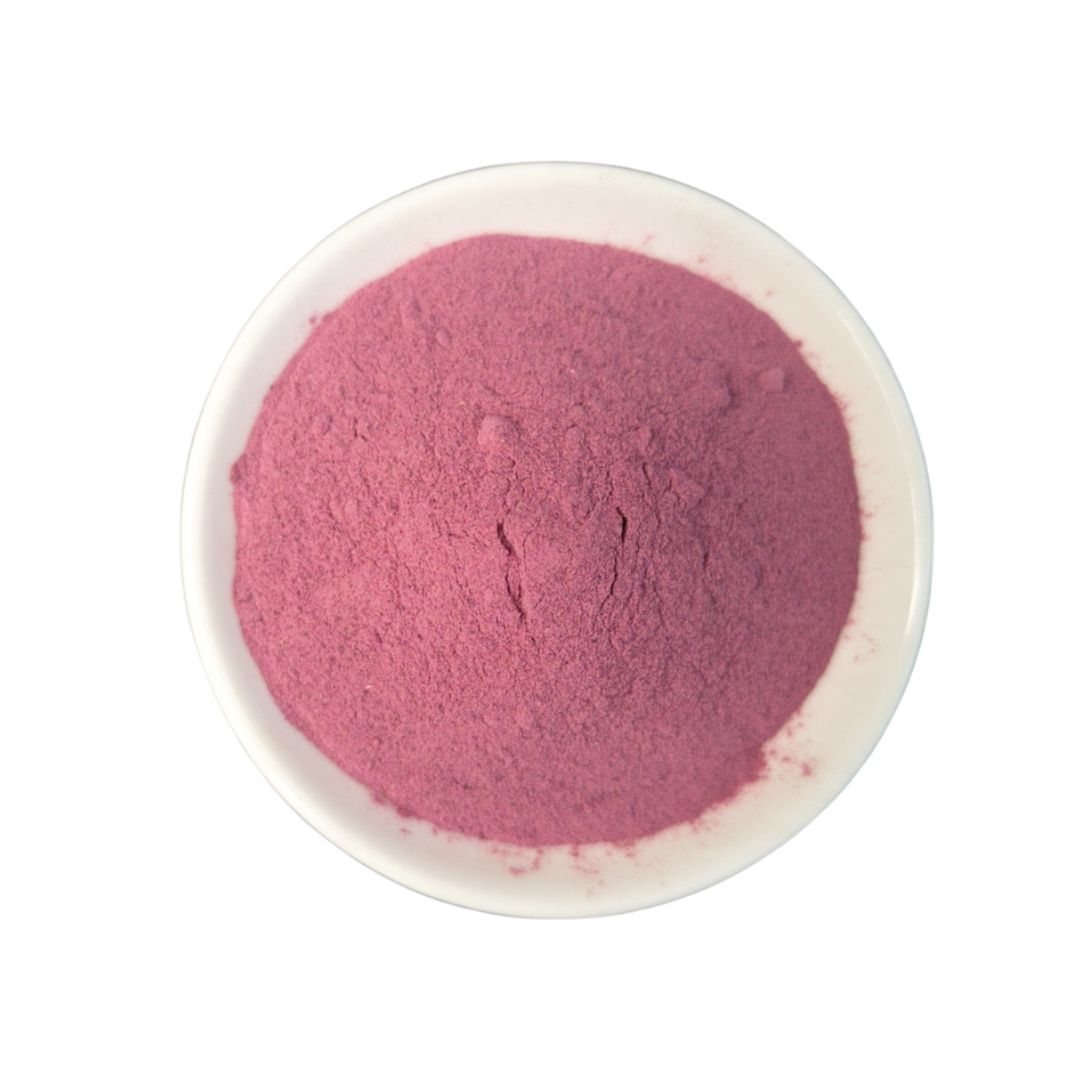
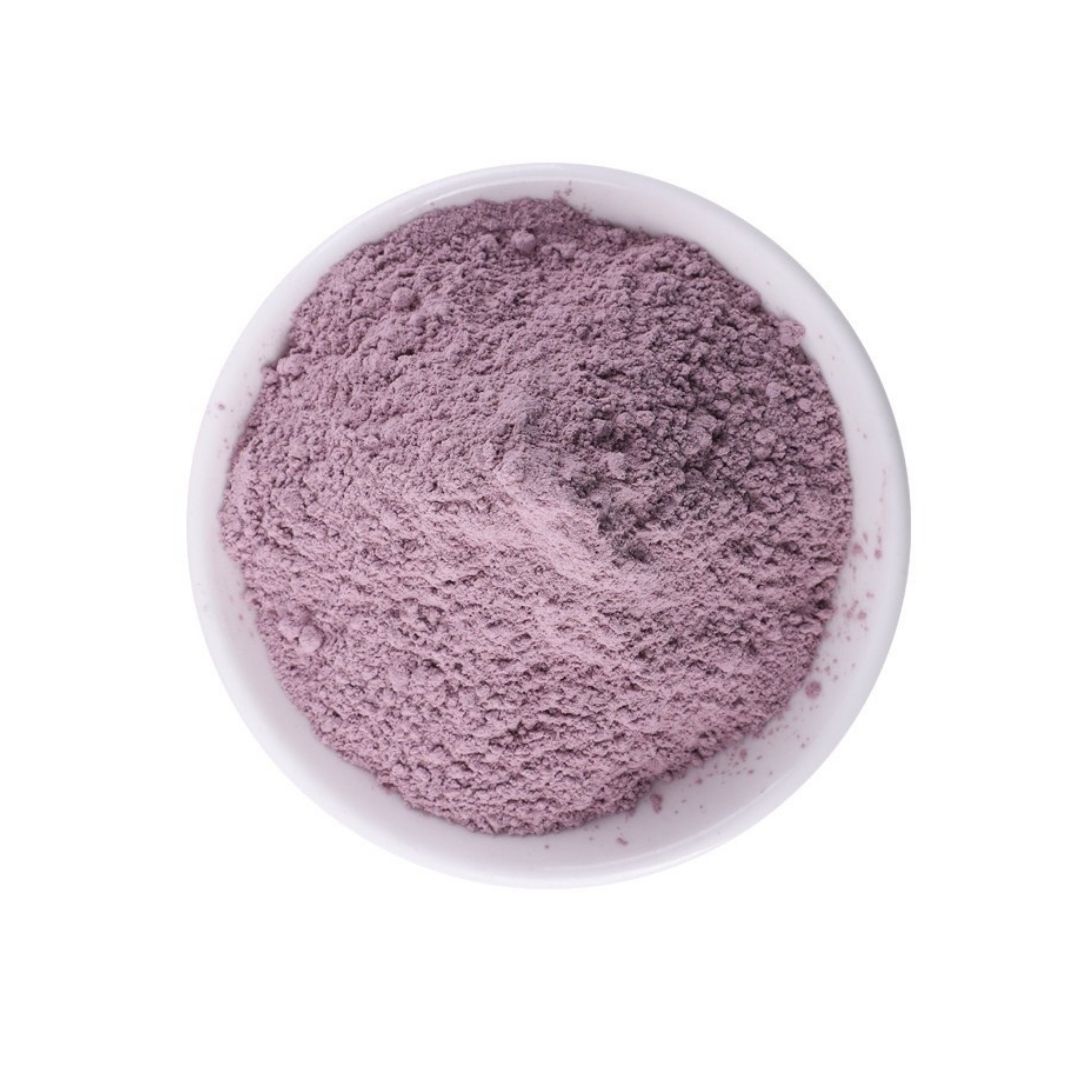
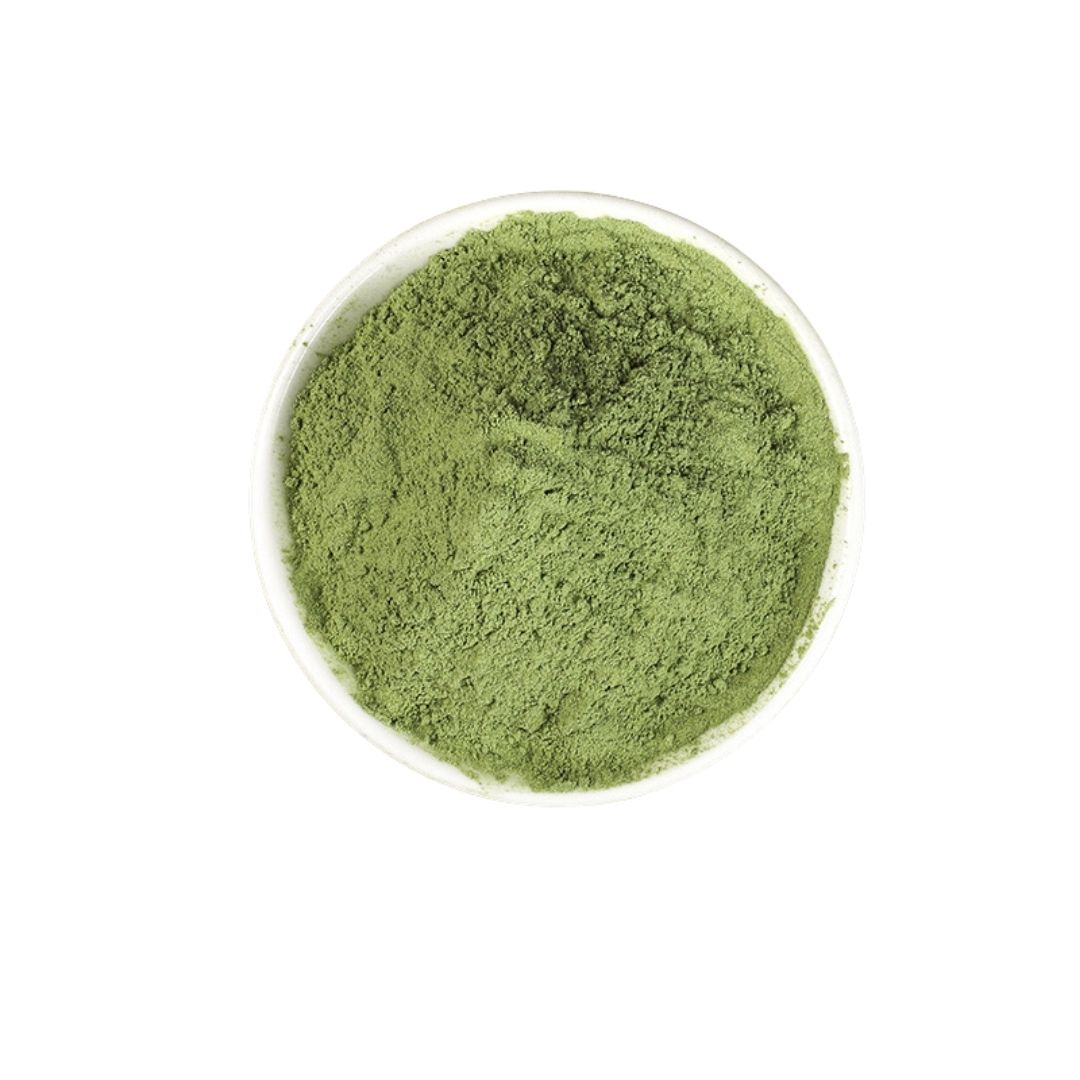
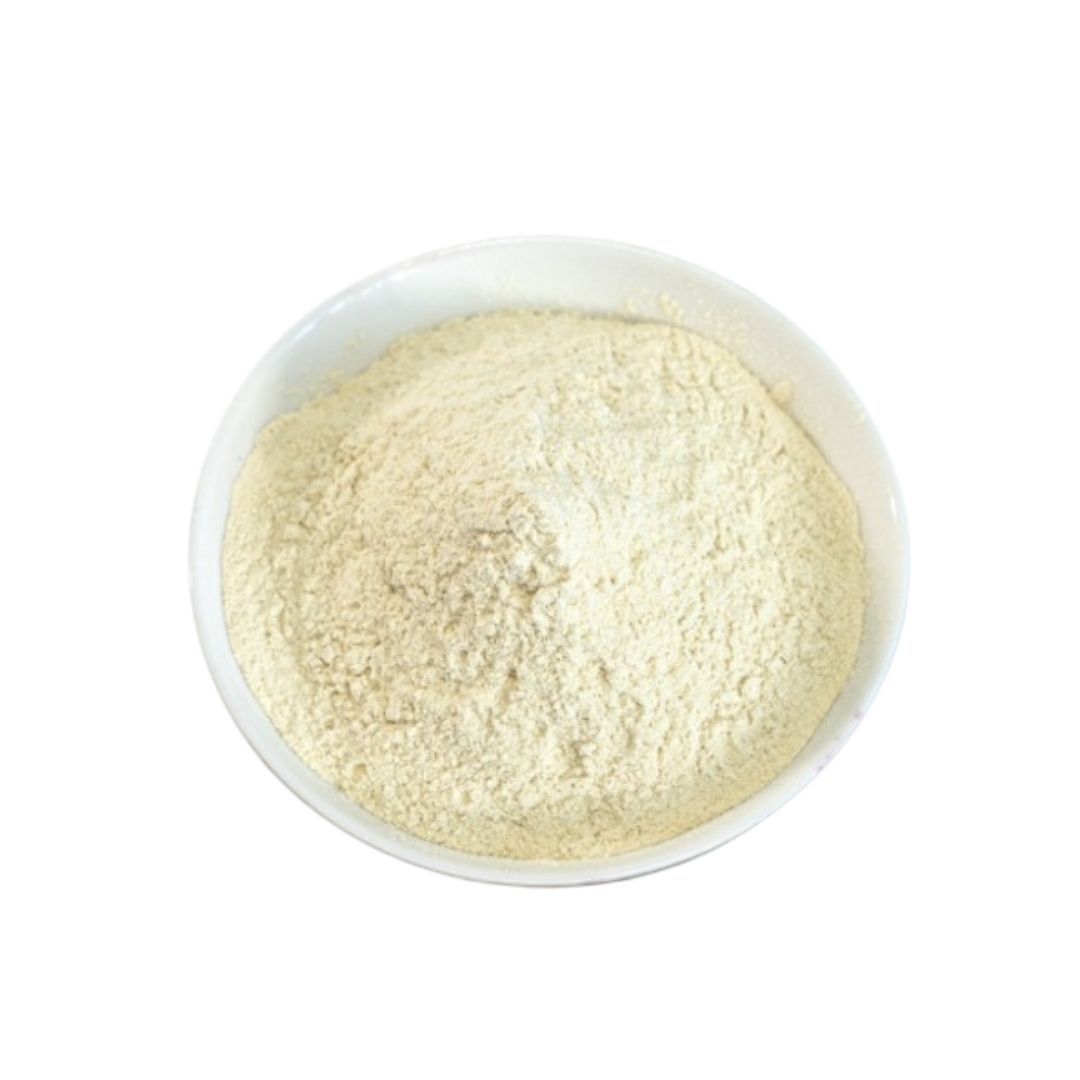
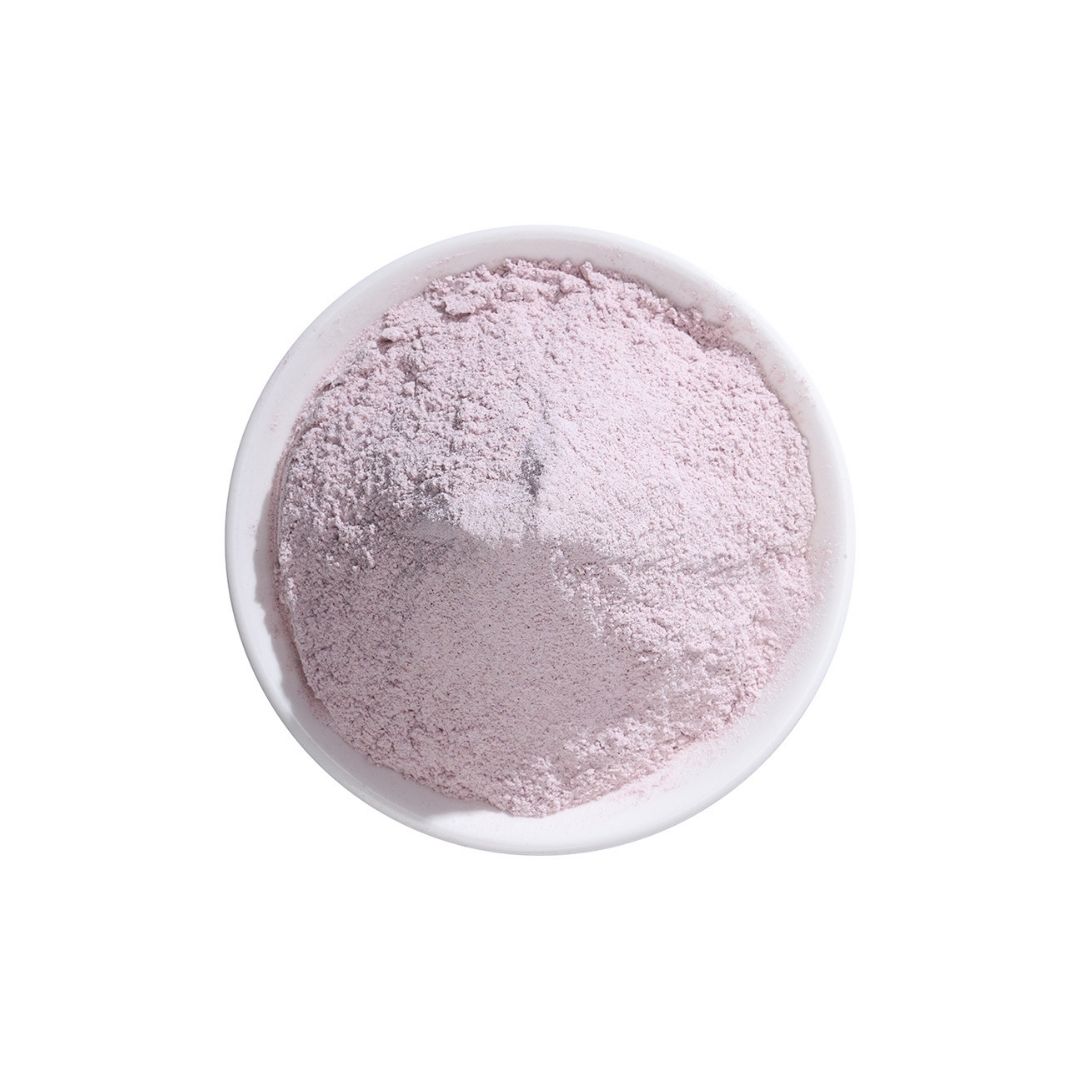
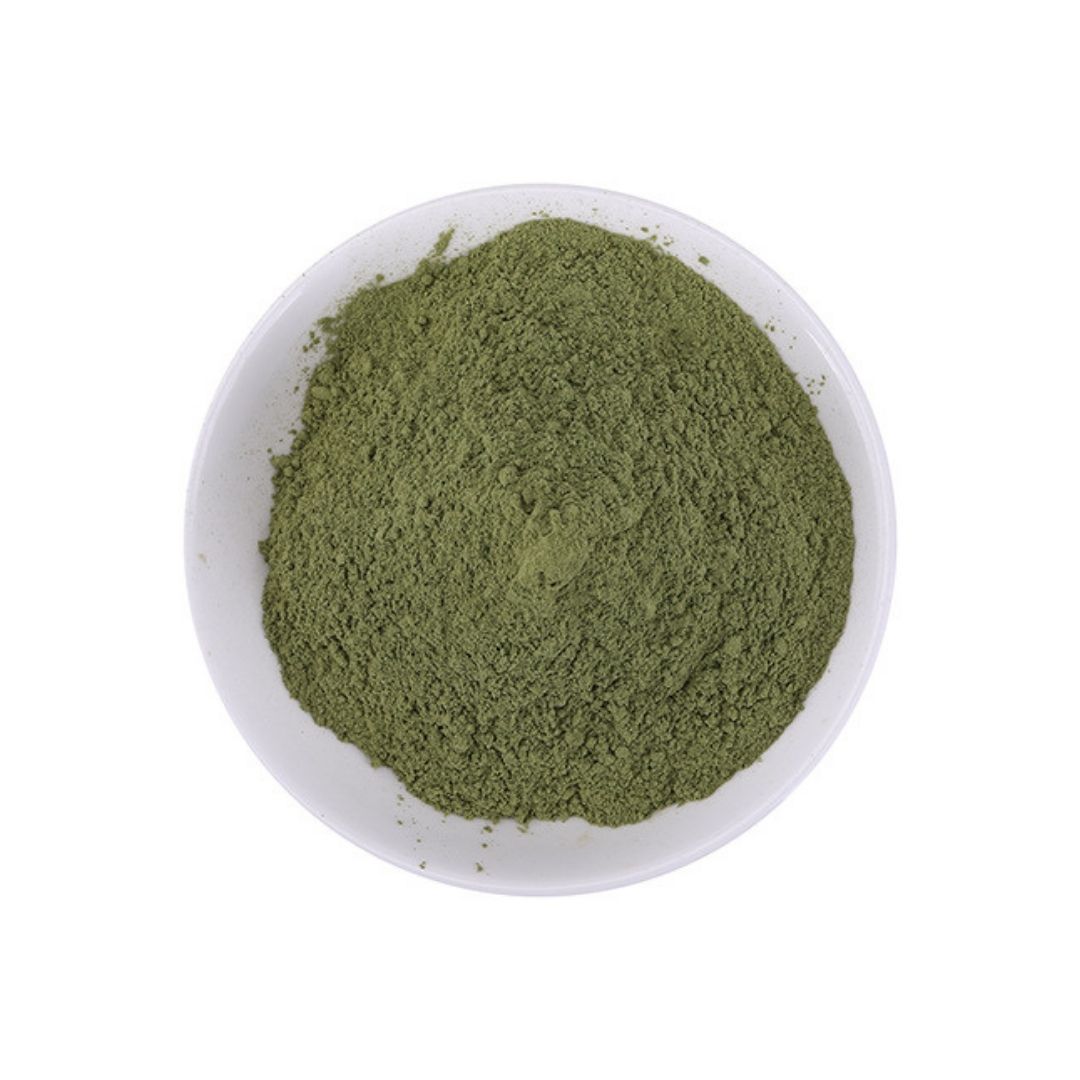
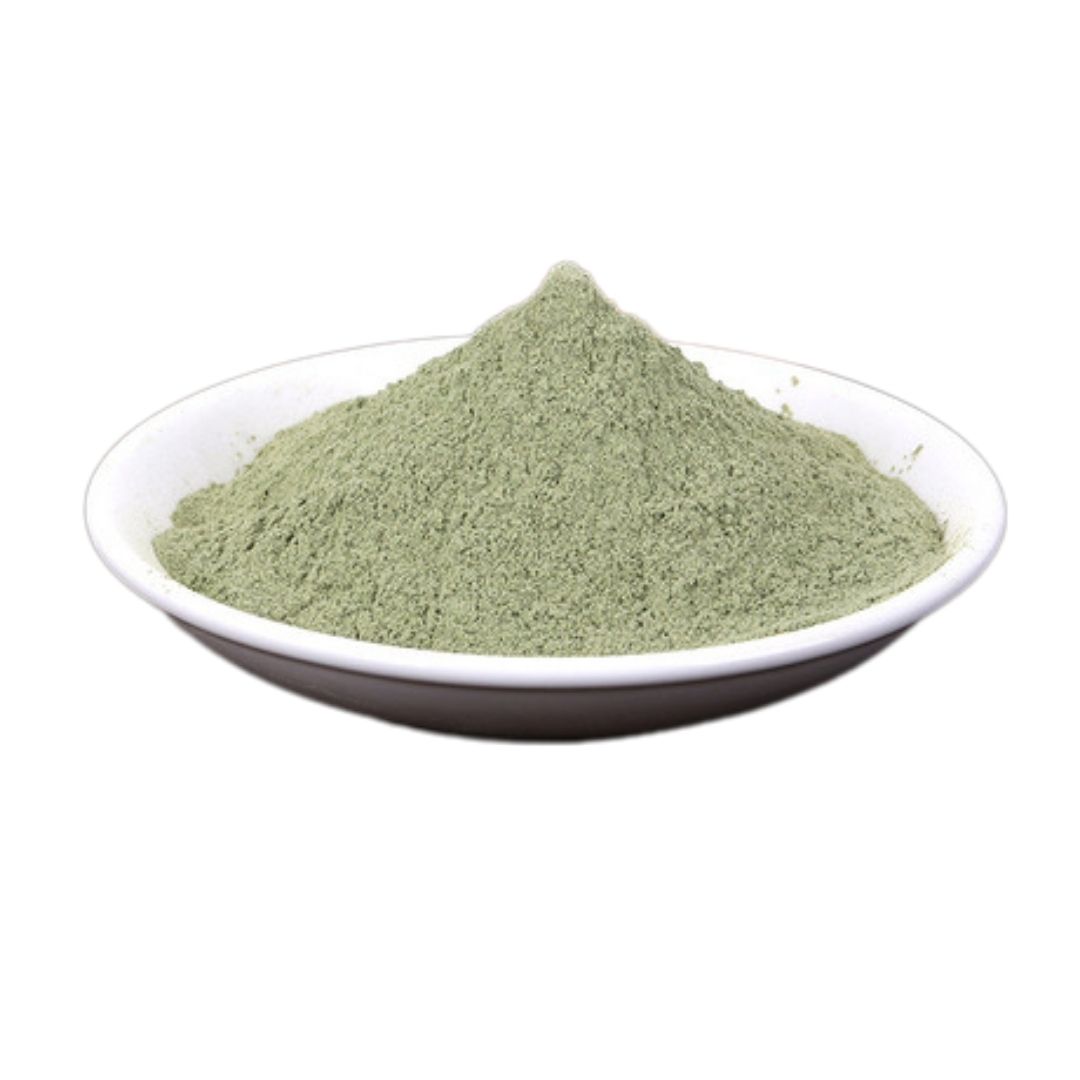
Kelp powder comes from kelp, a type of seaweed known for its rapid growth and nutrient density. Kelp is a rich source of iodine, vitamins, and minerals, widely utilized as a nutritional supplement and food ingredient. It supports thyroid health, provides essential nutrients, and enhances the flavor of various dishes. It is commonly used in culinary applications to boost the nutritional content of meals.
Production Process
The production of kelp powder begins with the sustainable harvesting of kelp from ocean environments. The harvested kelp is then thoroughly cleaned to remove any impurities such as sand, shells, or other marine debris. Washed kelp undergoes a drying process, which can include sun-drying or using industrial dryers, to remove moisture and concentrate the nutrients. Once dried, the kelp is milled into a fine powder and then tested for quality, including checks for heavy metals, ensuring that it meets safety standards. Finally, the kelp powder is packaged and labeled for distribution and sale.
Nutrition Facts
A typical serving size of 1 tablespoon (approximately 8 grams) of kelp powder contains:
- Calories: Approximately 20-25 kcal
- Protein: Less than 1 gram
- Fat: Less than 1 gram
- Carbohydrates: 4-6 grams
- Fiber: 1-2 grams
- Iodine: May exceed the daily recommended intake, with levels varying by source.
- Sodium: Approximately 50-150 mg
- Calcium: Around 30-50 mg
- Iron: About 0.2-0.5 mg
- Potassium: Roughly 50-100 mg
- Magnesium: Approximately 20-40 mg
- Vitamin K: Varies, but can be a significant source.
Product Components and Benefits
Kelp powder is composed of various beneficial components that contribute to health. Iodine is critical for thyroid hormone production, which regulates metabolism, growth, and development [1]. Vitamins, including A, B, C, and E, act as antioxidants, supporting immune function and overall health [2]. Minerals like calcium, magnesium, and iron are essential for bone health, nerve function, and oxygen transport [3]. Polysaccharides found in kelp may have prebiotic effects, promoting gut health [4].
Product Applications
Kelp powder is versatile and can be used in various applications:
- Dietary Supplement: As a natural source of iodine, it supports thyroid health, especially for those with iodine deficiencies [1].
- Food Additive: It enhances the nutritional content of smoothies, soups, stews, and baked goods. It can also serve as a natural flavor enhancer due to its umami taste [5].
- Skincare Products: It can be added to skincare formulations due to its mineral content, which can nourish and revitalize the skin [6].
- Animal Feed: Kelp powder is used as a supplement in animal feed to improve the nutritional value and overall health of livestock [7].
- Gardening: Kelp powder serves as a natural fertilizer, enriching the soil with minerals and promoting plant growth [8].
Citations:
- Teas, J., et al. "Seaweed and human health." Nutrition Reviews 62.1 (2004): 1-18.
- Holdt, S.L., and S. Kraan. "Bioactive compounds in seaweed: functional food applications and legislation." Journal of Applied Phycology 23 (2011): 543-597.
- Brown, E.M., et al. "Seaweed and human health." Journal of Applied Phycology 26 (2014): 2053-2064.
- Goni, I., et al. "Seaweeds as a source of novel prebiotics." Journal of Applied Phycology 28 (2016): 1657-1666.
- Nisizawa, K. "Seaweeds as a functional food." Seaweed Resources of the World (1987): 270-276.
- Kim, S.K., ed. Marine nutraceuticals: possibilities and perspectives. CRC press, 2011.
- Allen, V.G., et al. "Animal diet supplementation with seaweed." Journal of Animal Science 79 (2001): 14-18.
- Craigie, J.S. "Seaweed extract stimuli in plant science." Journal of Applied Phycology 23 (2011): 371-393.

As a sales manager, I’m here to make sure you get exactly what you need for your dietary supplements. From sourcing to delivery, I’m always by your side, ensuring smooth and friendly service. Let’s make your products even better! 🥰🌿