

Product Introduction
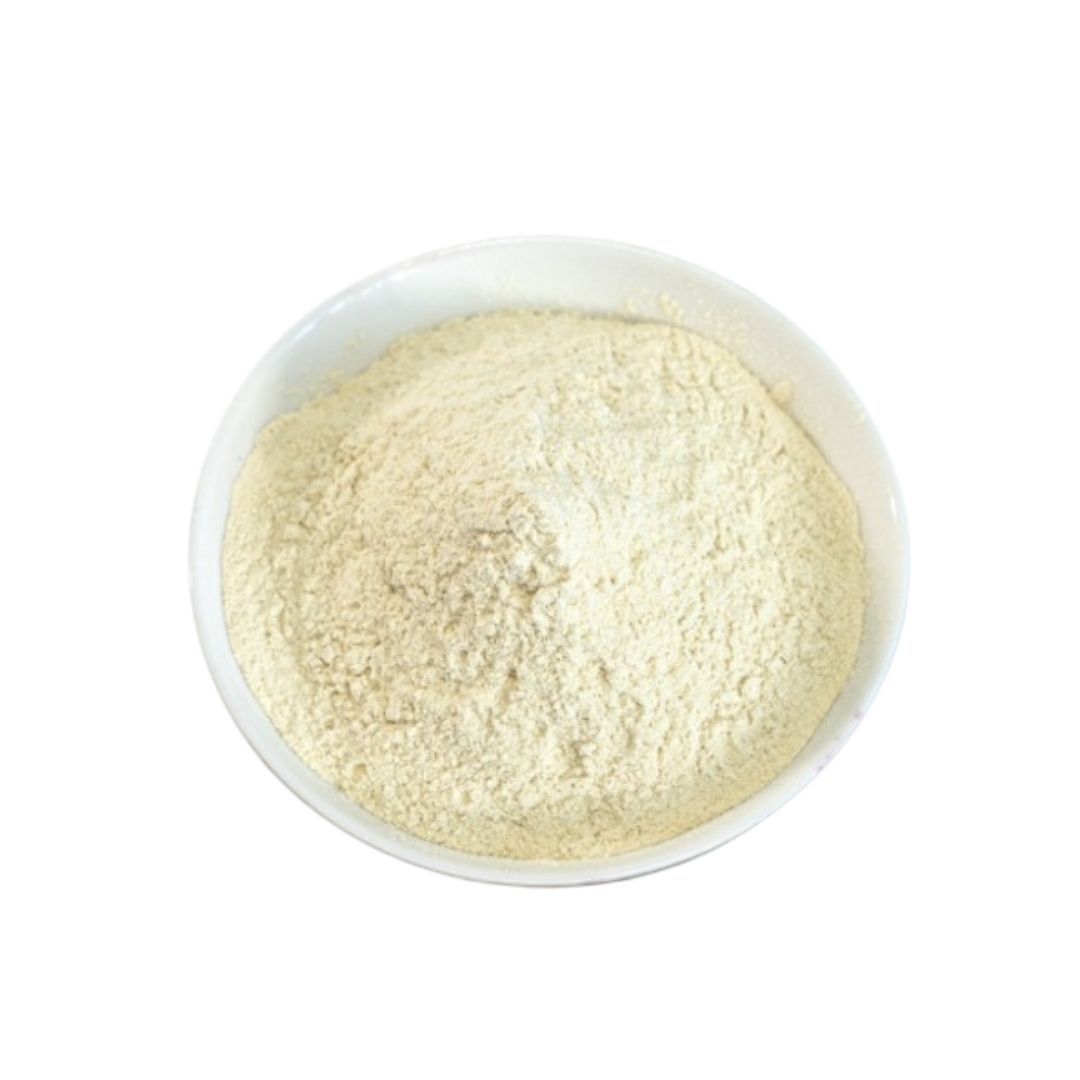
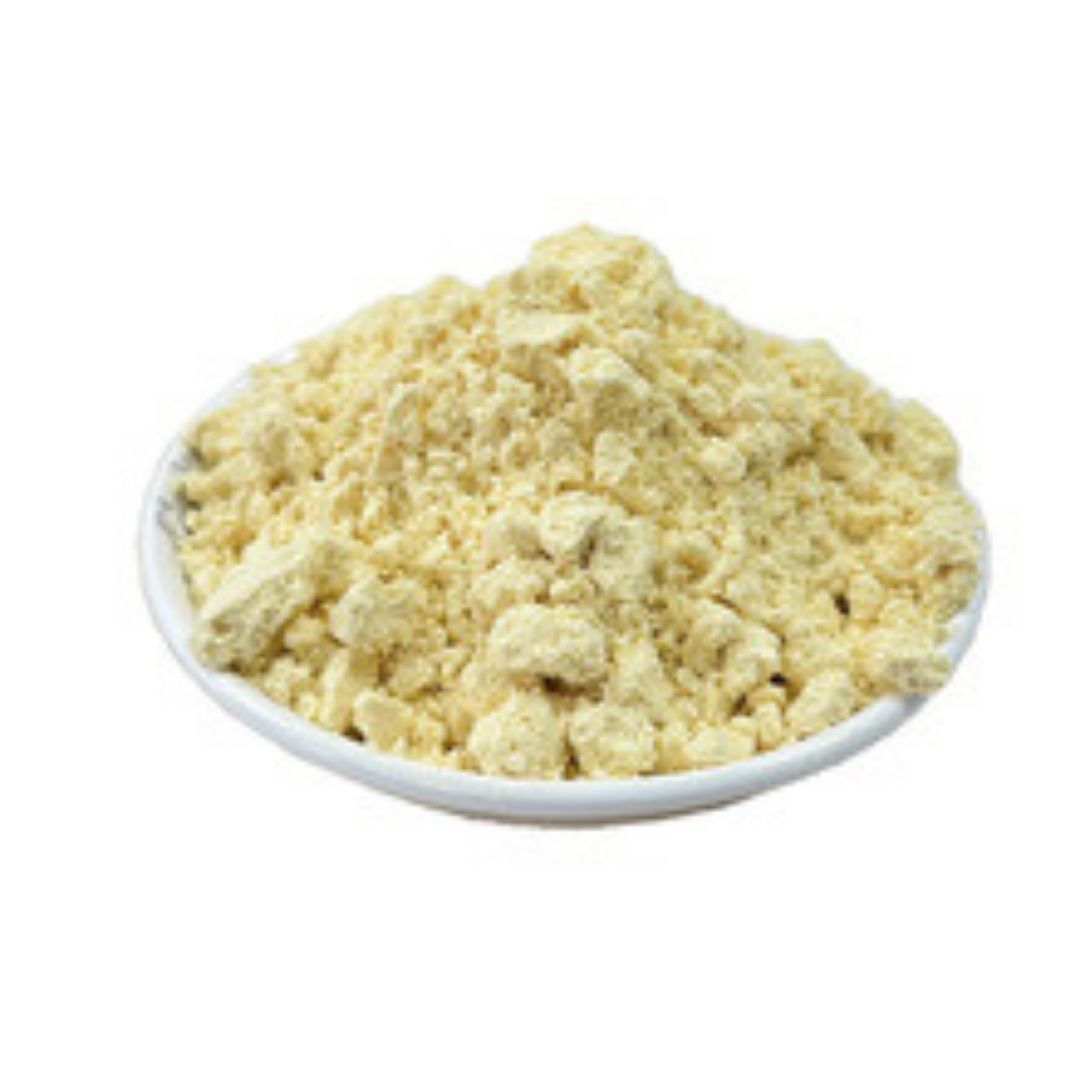
Soybean flour is a powder made from ground soybeans. It's a good source of protein and fiber, and it's naturally gluten-free. Typically, soybean flour is used in baking, as a thickening agent, and as a protein supplement. Soybeans are the source of soy flour. Soybeans originally came from Southeast Asia and have been cultivated for thousands of years.
Production Process
The production of soybean flour typically involves several steps: cleaning, cracking, dehulling, flaking, and grinding the soybeans [1]. First, the soybeans are cleaned to remove any dirt or debris. Next, the beans are cracked and dehulled to remove the outer layer. Then, the soybeans are flaked and the oil is often extracted. Finally, the remaining flakes are ground into a fine powder to produce soybean flour [2].
Nutrition Facts
A 1/4 cup (30 grams) serving of soybean flour typically contains:
- Calories: 120
- Protein: 14 grams
- Fat: 1 gram
- Carbohydrates: 13 grams
- Fiber: 6 grams
- Iron: 10% of the Daily Value (DV)
- Calcium: 4% of the DV [3]
Product Components and Benefits
Soybean flour is composed of several beneficial components, including protein, fiber, and isoflavones. Soybean flour is also a good source of iron and calcium [3].
- Protein: Soybean flour serves as a complete protein source, containing all nine essential amino acids, vital for muscle repair, growth, and overall body function [4].
- Fiber: The high fiber content in soybean flour can promote digestive health, help regulate blood sugar levels, and contribute to a feeling of fullness, aiding in weight management [5].
- Isoflavones: Soybean flour contains isoflavones, which are plant compounds that may have antioxidant properties and could help reduce the risk of certain chronic diseases [6].
- Iron: Iron helps in the production of red blood cells and prevents anemia. Soybean flour can contribute to meeting daily iron needs [7].
- Calcium: Soybean flour provides calcium, which is essential for maintaining strong bones and teeth, supporting nerve function and muscle contractions [8].
Product Applications
Soybean flour is versatile and can be used in various applications.
- Baking: Soybean flour can be added to baked goods like bread, muffins, and pancakes to increase protein content and improve texture. Some bakers use it in gluten-free recipes [9].
- Thickening Agent: It can be used to thicken sauces, soups, and gravies. Soybean flour provides a smooth consistency without adding extra fat [10].
- Protein Supplement: People add soybean flour to smoothies, shakes, and energy bars to boost their protein intake [11].
- Gluten-Free Products: Soybean flour is a common ingredient in gluten-free baking due to its binding properties and nutritional value [9].
Citations
[1] Singh, B., et al. "Soybean: Chemistry, Technology and Utilization." Comprehensive Reviews in Food Science and Food Safety, vol. 16, no. 5, 2017, pp. 1006-1032.
[2] Anderson, J. W., et al. "Health implications of dietary fiber." Nutrition Reviews, vol. 56, no. 1, 1998, pp. 1-18.
[3] U.S. Department of Agriculture, Agricultural Research Service. FoodData Central.
[4] Messina, V. "Nutritional and health implications of consuming plant protein." The American Journal of Clinical Nutrition, vol. 70, no. 3, 1999, pp. 516s-526s.
[5] Anderson, J. W., et al. "Health implications of dietary fiber." Nutrition Reviews, vol. 56, no. 1, 1998, pp. 1-18.
[6] Messina, M. "Soy isoflavones: from science to practice." The American Journal of Clinical Nutrition, vol. 91, no. 6, 2010, pp. 1482-1492.
[7] Abbaspour, N., Hurrell, R., & Kelishadi, R. "Review on iron and its importance for human health." Journal of Research in Medical Sciences, vol. 19, no. 2, 2014, pp. 164–174.
[8] Weaver, C. M. "Calcium requirements: new estimations for men and women by the Institute of Medicine". The American Journal of Clinical Nutrition, vol. 86, no. 4, 2007, pp. 891-892.
[9] Gallagher, E., et al. "The Effect of Dairy and Novel Plant Proteins on the Quality and Nutritional Value of Gluten-Free Bread." European Food Research and Technology, vol. 223, no. 3, 2006, pp. 441-448.
[10] Mudgil, D., & Barak, S. "Composition, properties and uses of chickpea flour: A review." Journal of Food Science and Technology, vol. 50, no. 3, 2013, pp. 409-420.
[11] Hughes, G. J., et al. "Protein digestibility-corrected amino acid scores (PDCAAS) for soy protein isolates and concentrate: Criteria for evaluation." Journal of Food Science, vol. 76, no. 1, 2011, pp. R1-R6.

As a sales manager, I’m here to make sure you get exactly what you need for your dietary supplements. From sourcing to delivery, I’m always by your side, ensuring smooth and friendly service. Let’s make your products even better! 🥰🌿