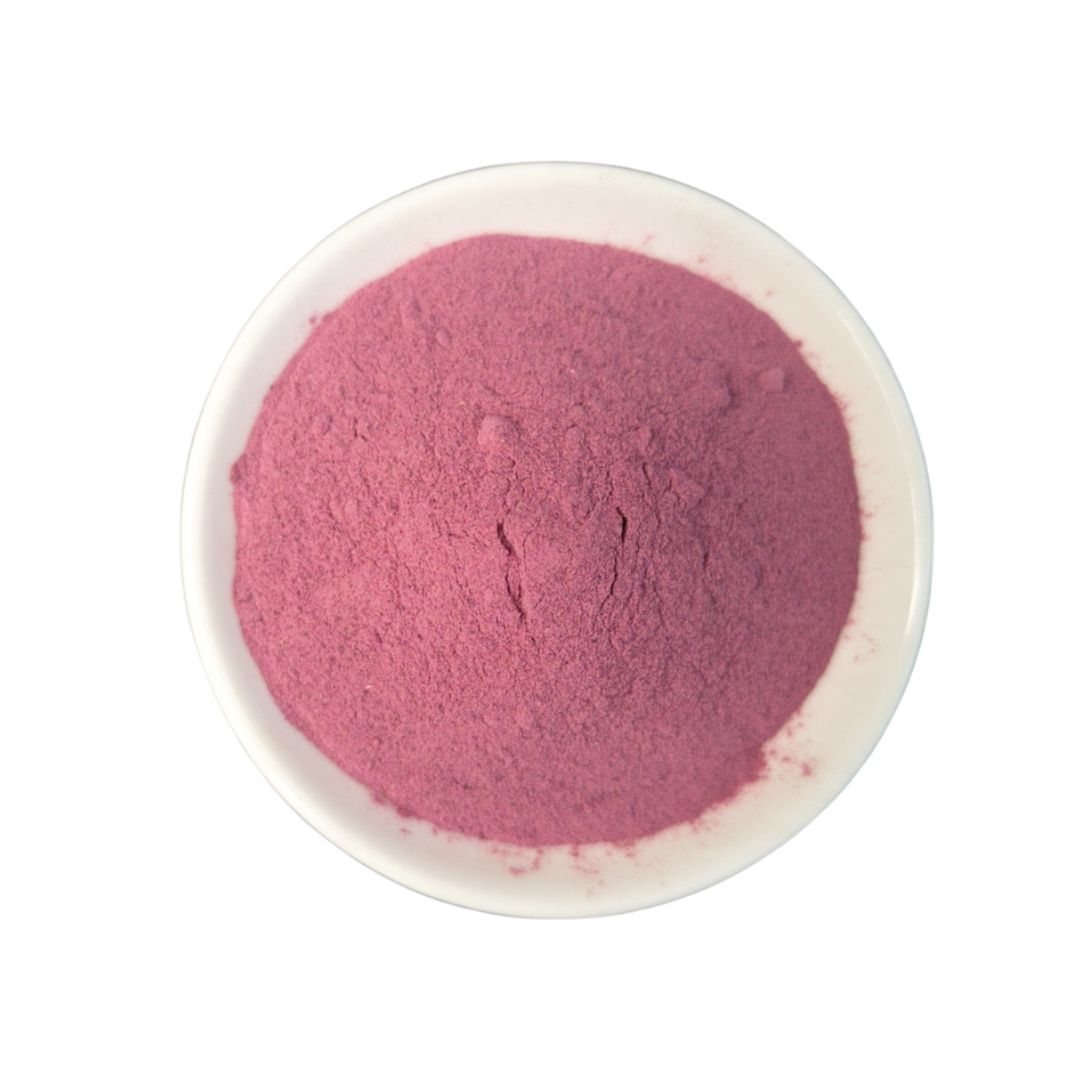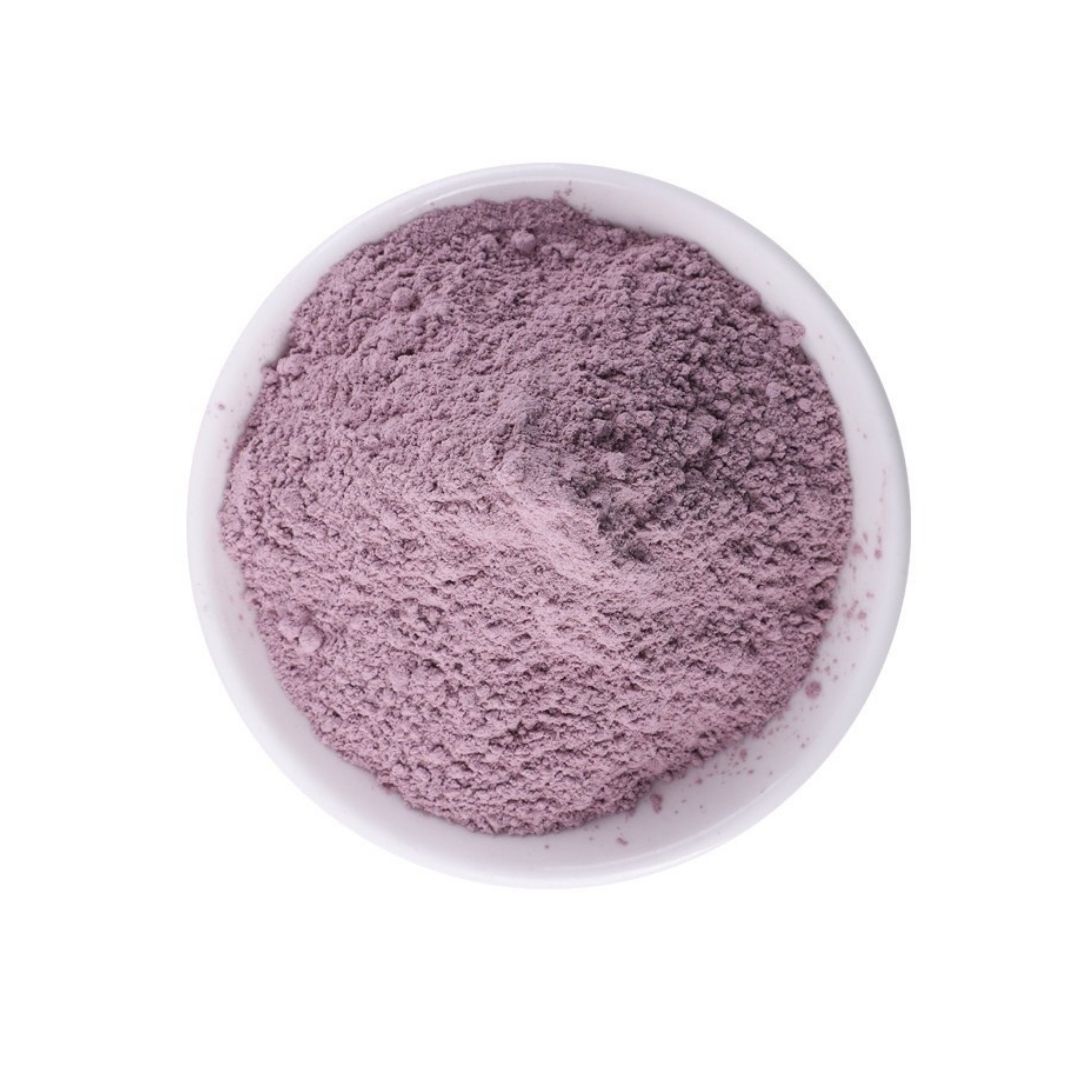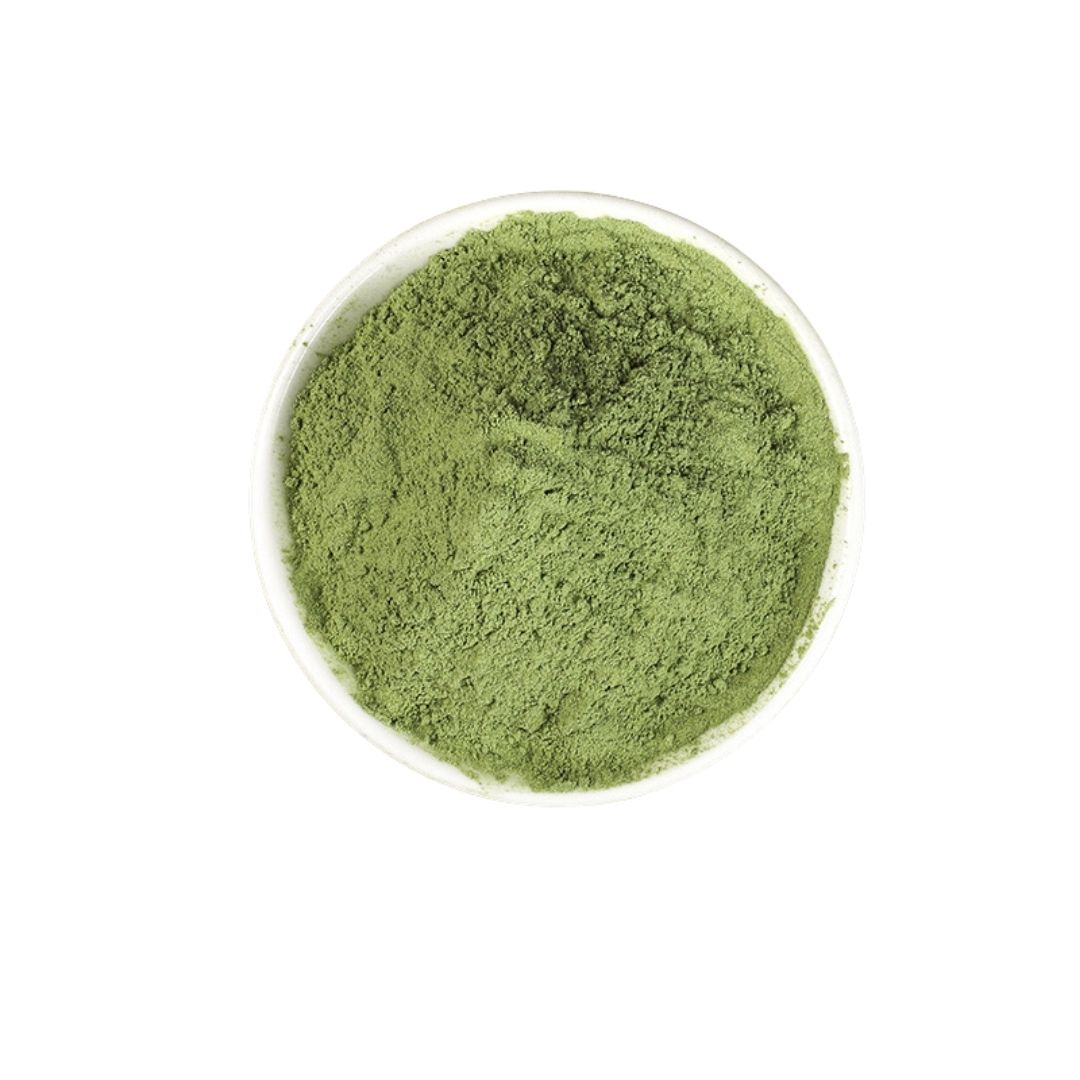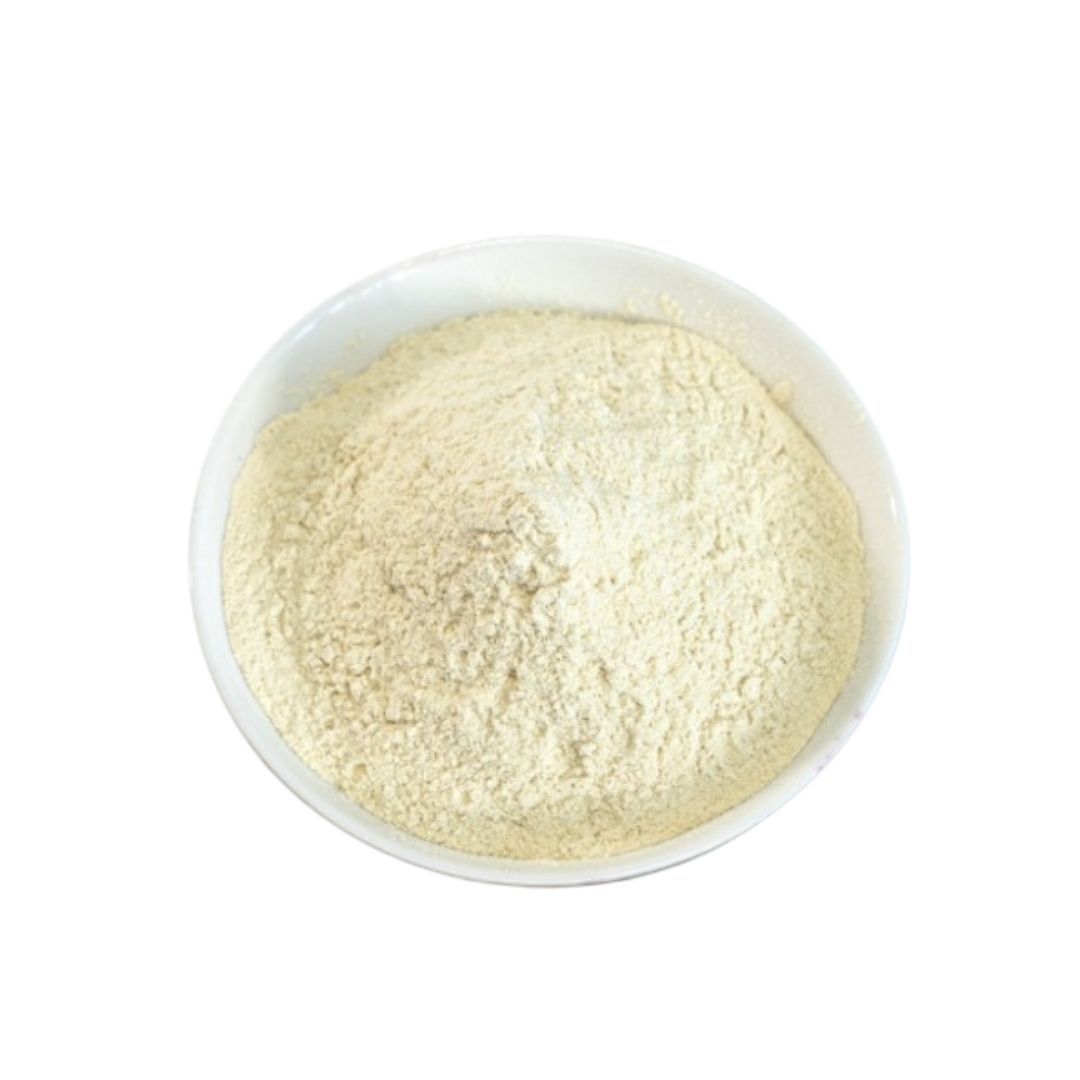


Product Introduction
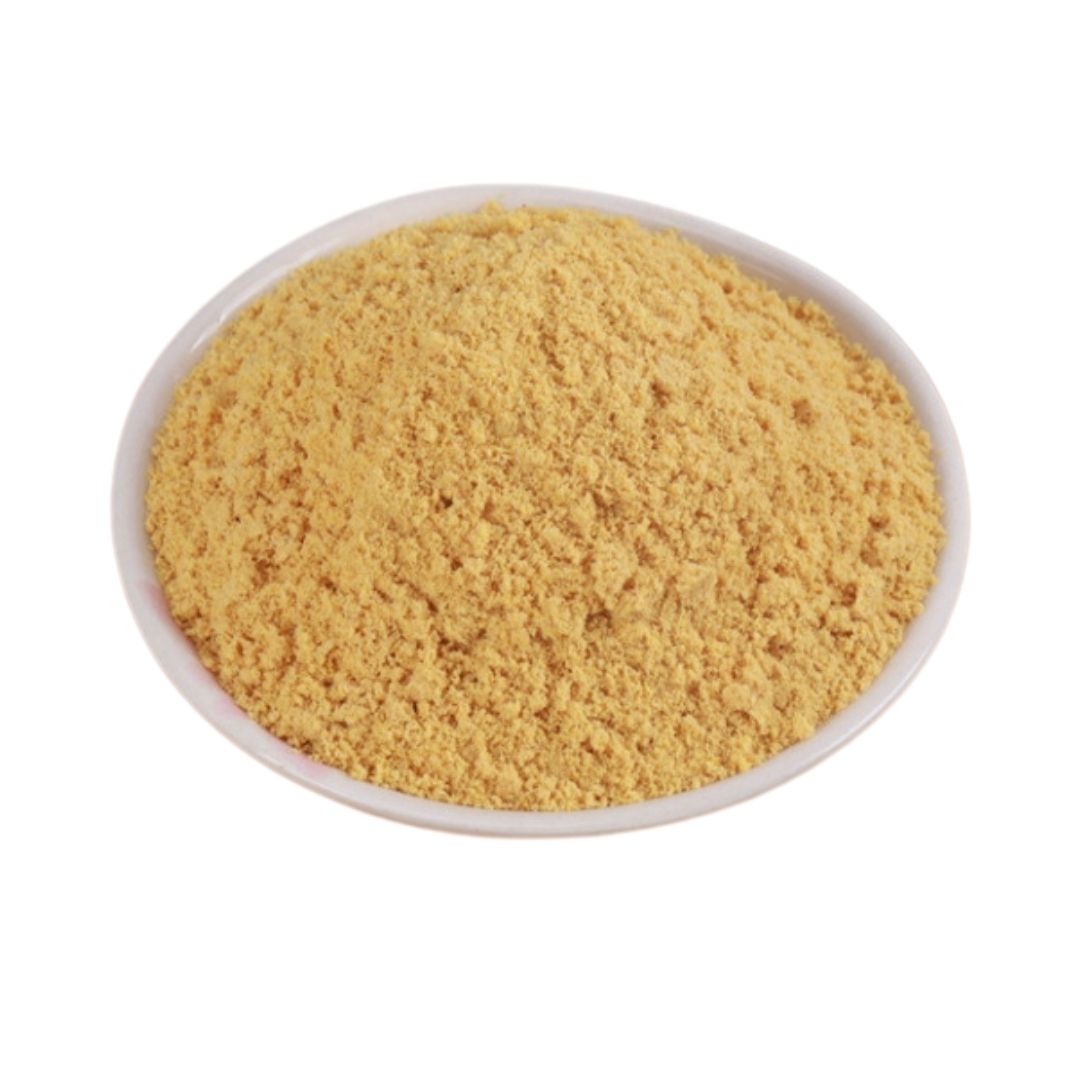
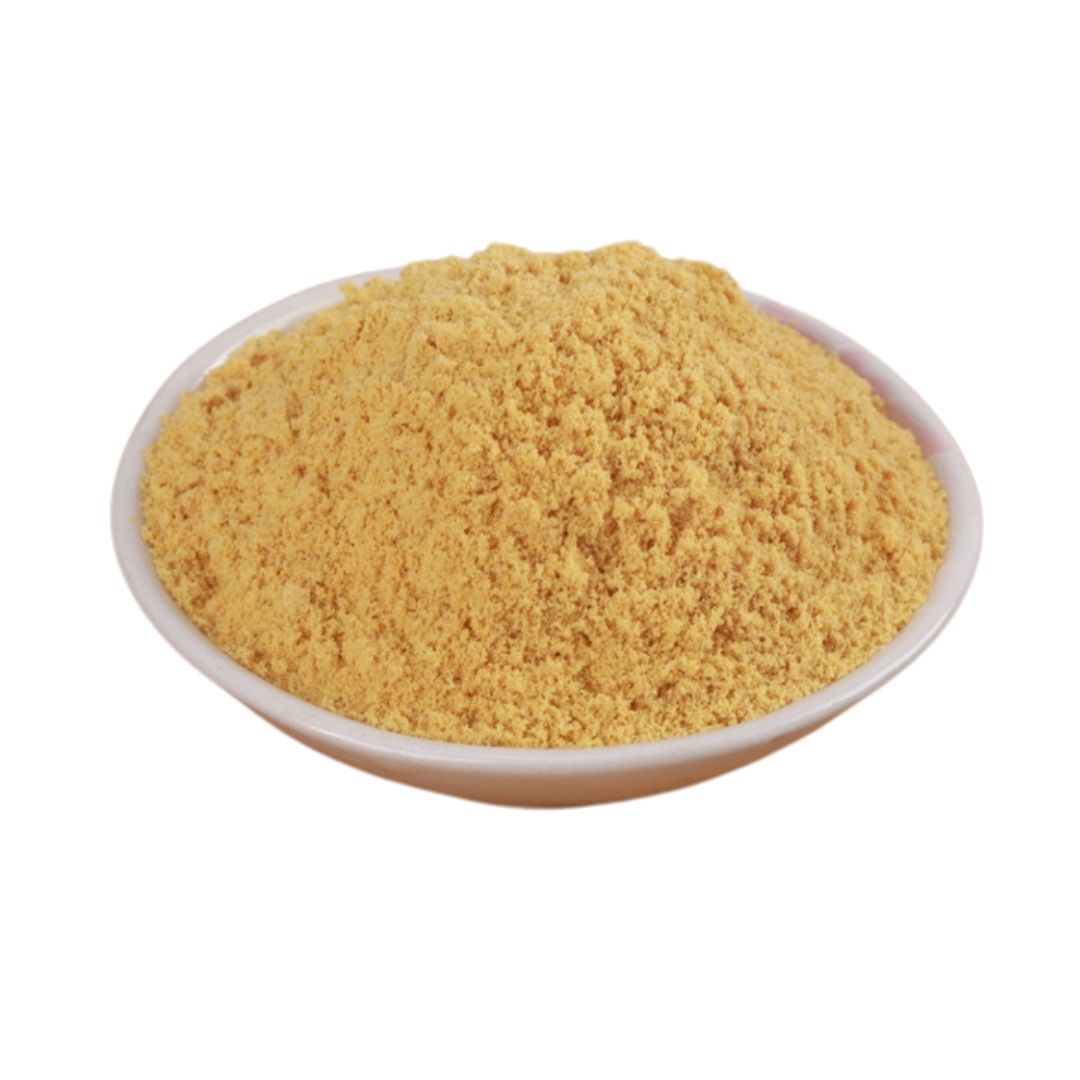
Mustard powder is derived from ground mustard seeds and is commonly used as a spice and flavoring agent. The main species used to produce mustard powder are Brassica juncea (brown mustard), Sinapis alba (yellow mustard), and Brassica nigra (black mustard). Mustard powder contains glucosinolates, sinigrin, and the enzyme myrosinase, which contribute to its pungent flavor. Historically, it has been used not only in culinary applications but also in traditional medicine.
Production Process
The production of mustard powder begins with harvesting mustard seeds. These seeds are then cleaned and dried to reduce moisture content. Following drying, the seeds are ground into a fine powder. During the grinding process, the temperature is carefully controlled to prevent the loss of volatile oils, which are crucial for the flavor and aroma. The resulting powder is then sifted to ensure a uniform texture. Finally, the mustard powder is packaged in airtight containers to maintain its quality and prevent degradation.
Nutrition Facts
A typical serving (approximately one teaspoon or 2.3 grams) of mustard powder contains a small number of calories, usually less than 10. It provides trace amounts of dietary fiber, protein, and various micronutrients. Mustard powder also contains selenium, magnesium, and manganese, along with glucosinolates.
Product Components and Benefits
The key components of mustard powder, such as, glucosinolates and sinigrin, are responsible for many of its potential health benefits. When mustard powder is mixed with water, myrosinase enzyme converts glucosinolates to isothiocyanates, compounds studied for their potential anti-inflammatory and anticancer properties [1].
Selenium, another component, acts as an antioxidant, which helps protect the body against damage from free radicals [2]. The isothiocyanates in mustard may assist in reducing inflammation by modulating inflammatory pathways in the body [3]. The minerals present, like calcium and magnesium, support bone health and overall well-being [4].
Product Applications
Mustard powder is used extensively in the food industry as well as home cooking. It acts as a key ingredient in mustard sauces, salad dressings, and dry rubs for meats. Its emulsifying properties are valuable in creating stable mixtures of oil and water-based ingredients. Beyond culinary uses, mustard powder has applications in traditional medicine, such as in poultices for muscle aches, though scientific evidence supporting these uses is limited [5].
Citations:
[1] Zhang, Y. (2010). Role of glutathione in the accumulation of sulforaphane and related isothiocyanates in broccoli florets and sprouts. Journal of Agricultural and Food Chemistry, 58(9), 5484-5491.
[2] Rayman, M. P. (2000). The importance of selenium to human health. The Lancet, 356(9225), 233-241.
[3] Heber, D. (2004). Vegetables, fruits, and cancer prevention: a review. Journal of the American College of Nutrition, 23(5), 527S-533S.
[4] Weaver, C. M., & Heaney, R. P. (2006). Calcium in human health. Nutrients, 1(1), 39-45.
[5] Singletary, K. (2010). Mustard: an overview of potential health benefits. Nutrition Today, 45(5), 226-234.

As a sales manager, I’m here to make sure you get exactly what you need for your dietary supplements. From sourcing to delivery, I’m always by your side, ensuring smooth and friendly service. Let’s make your products even better! 🥰🌿