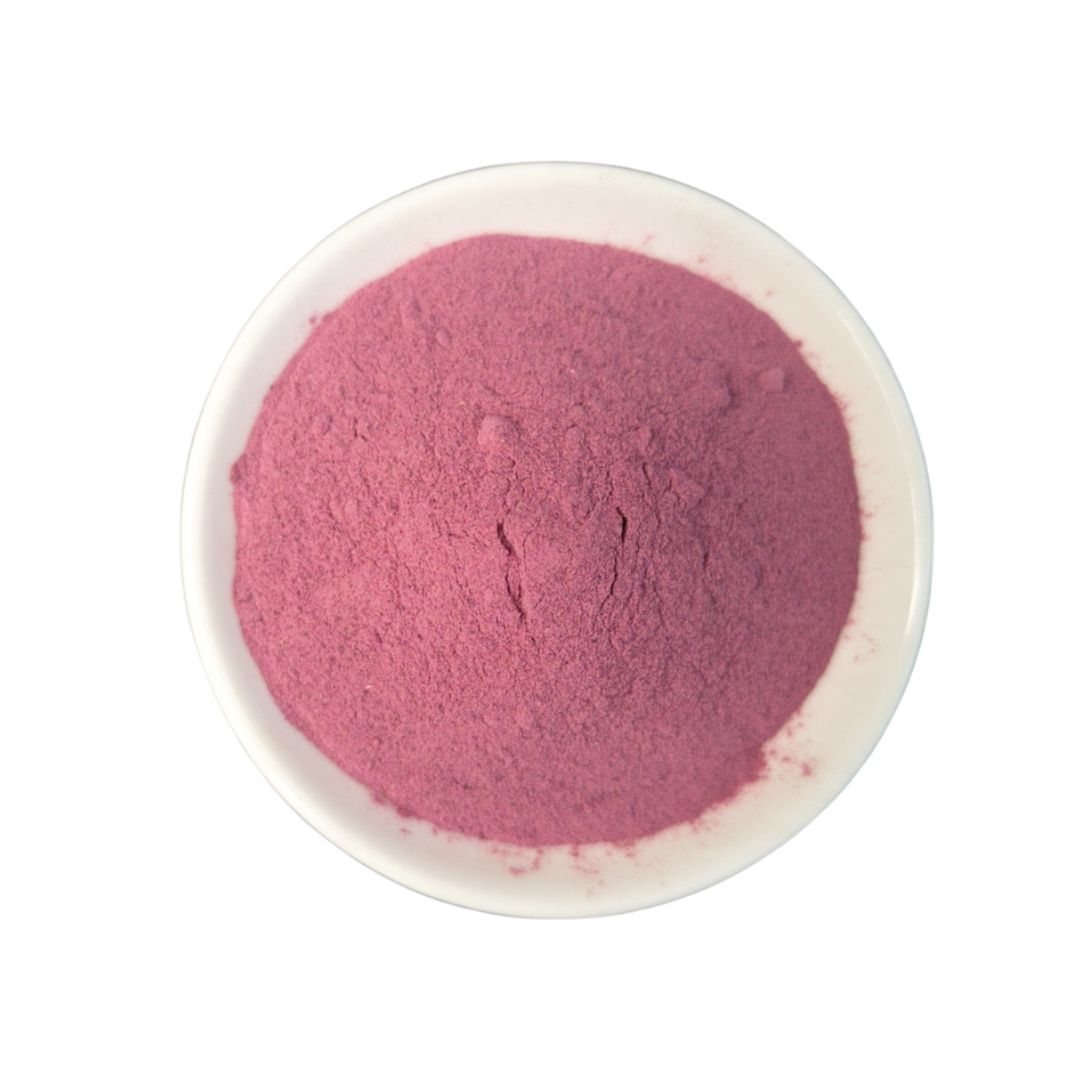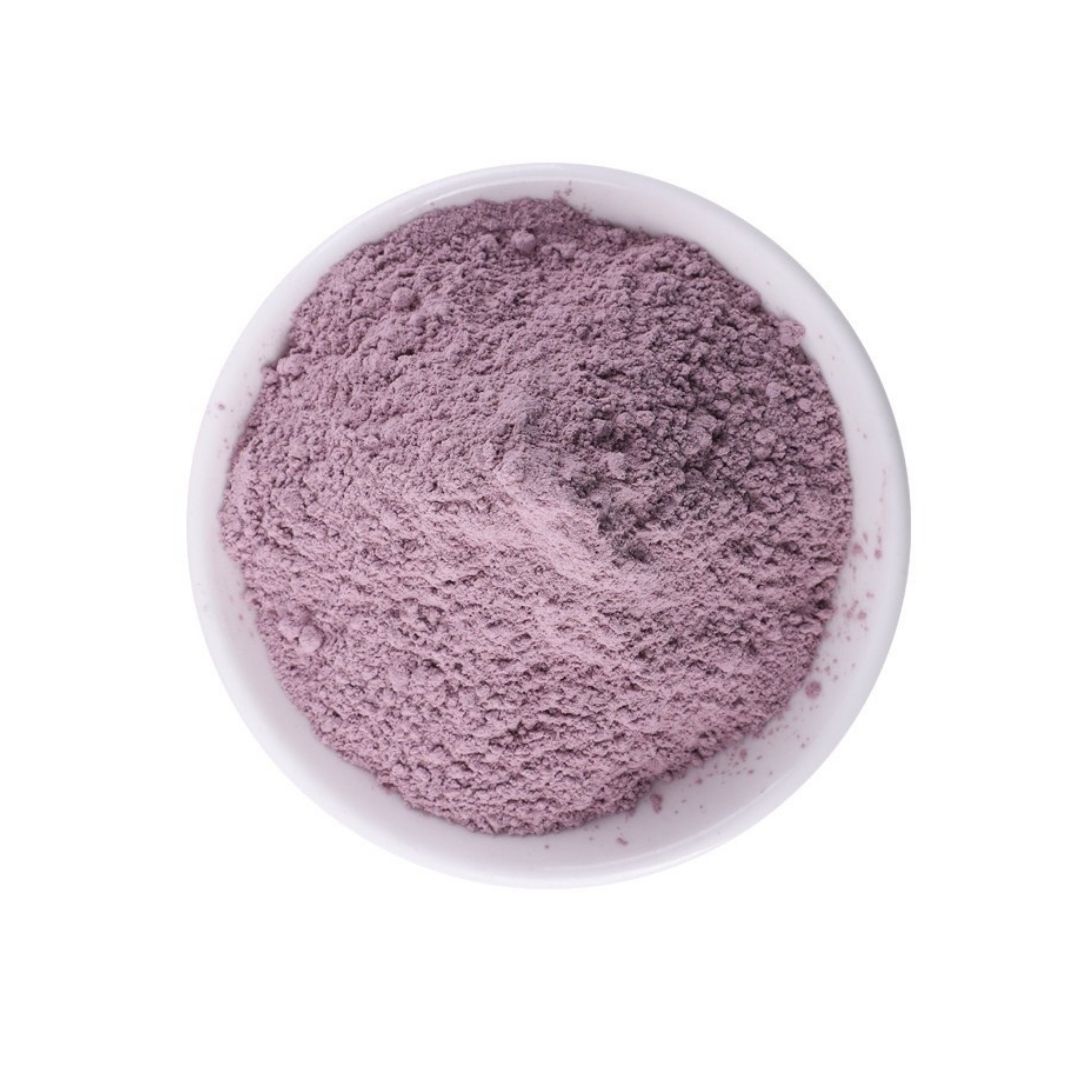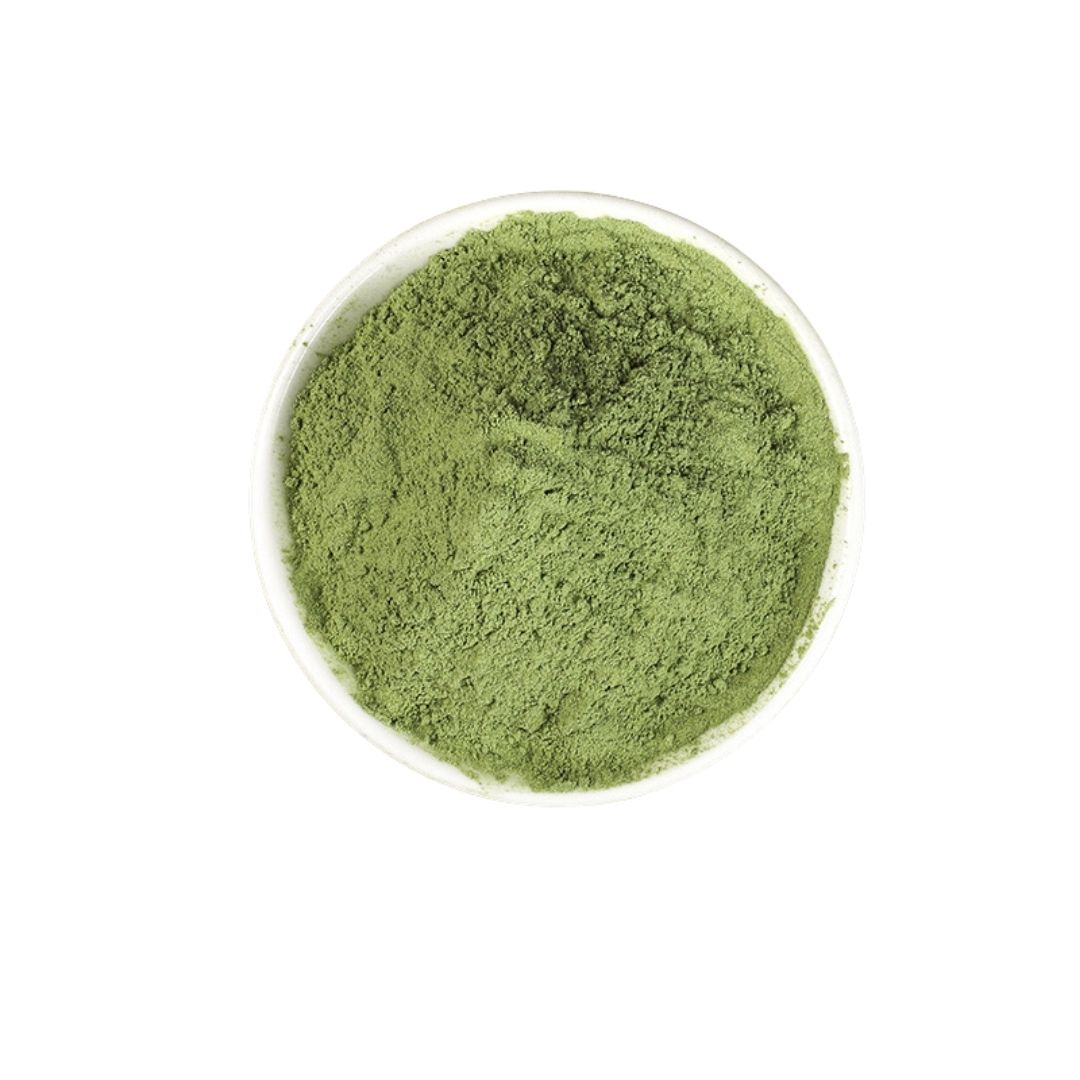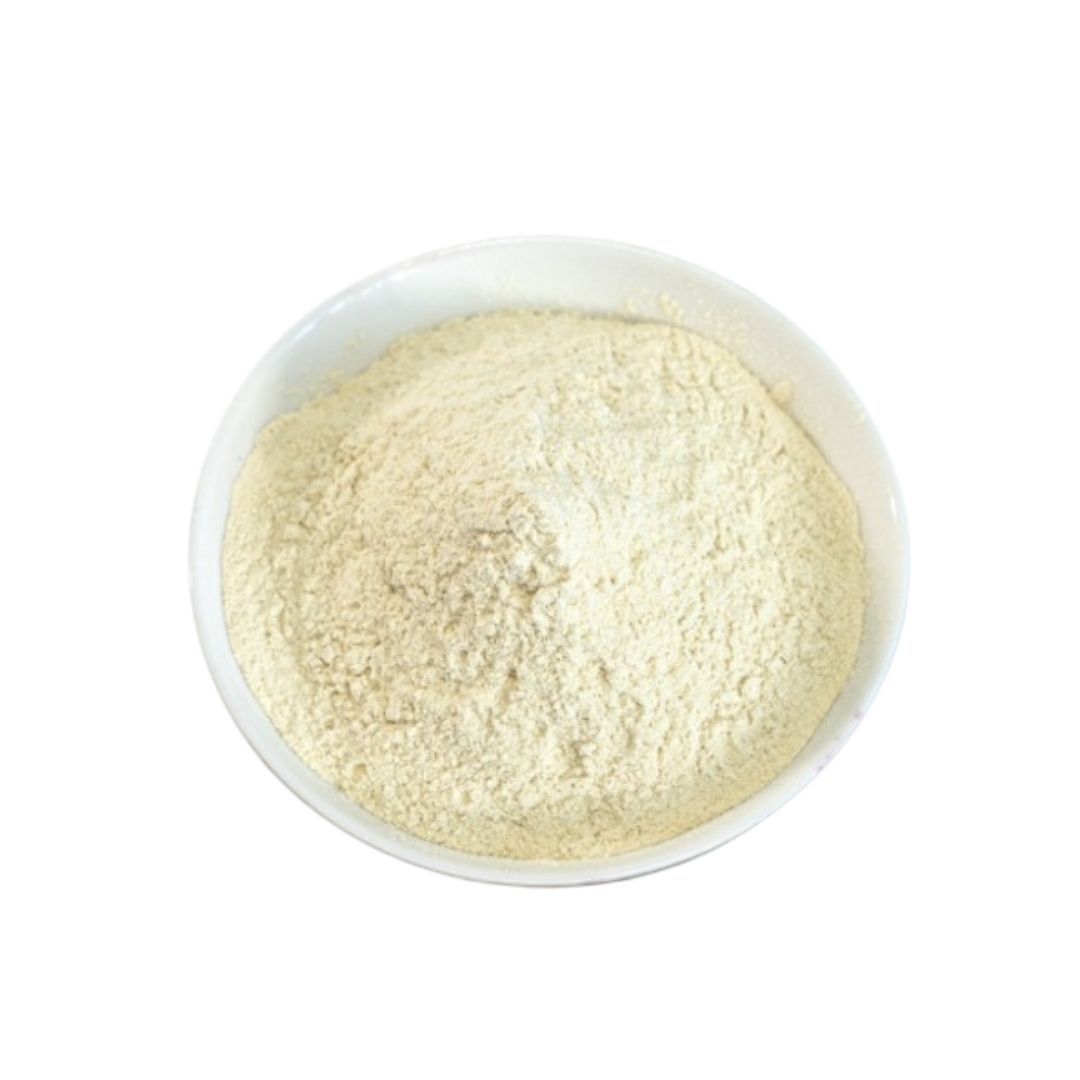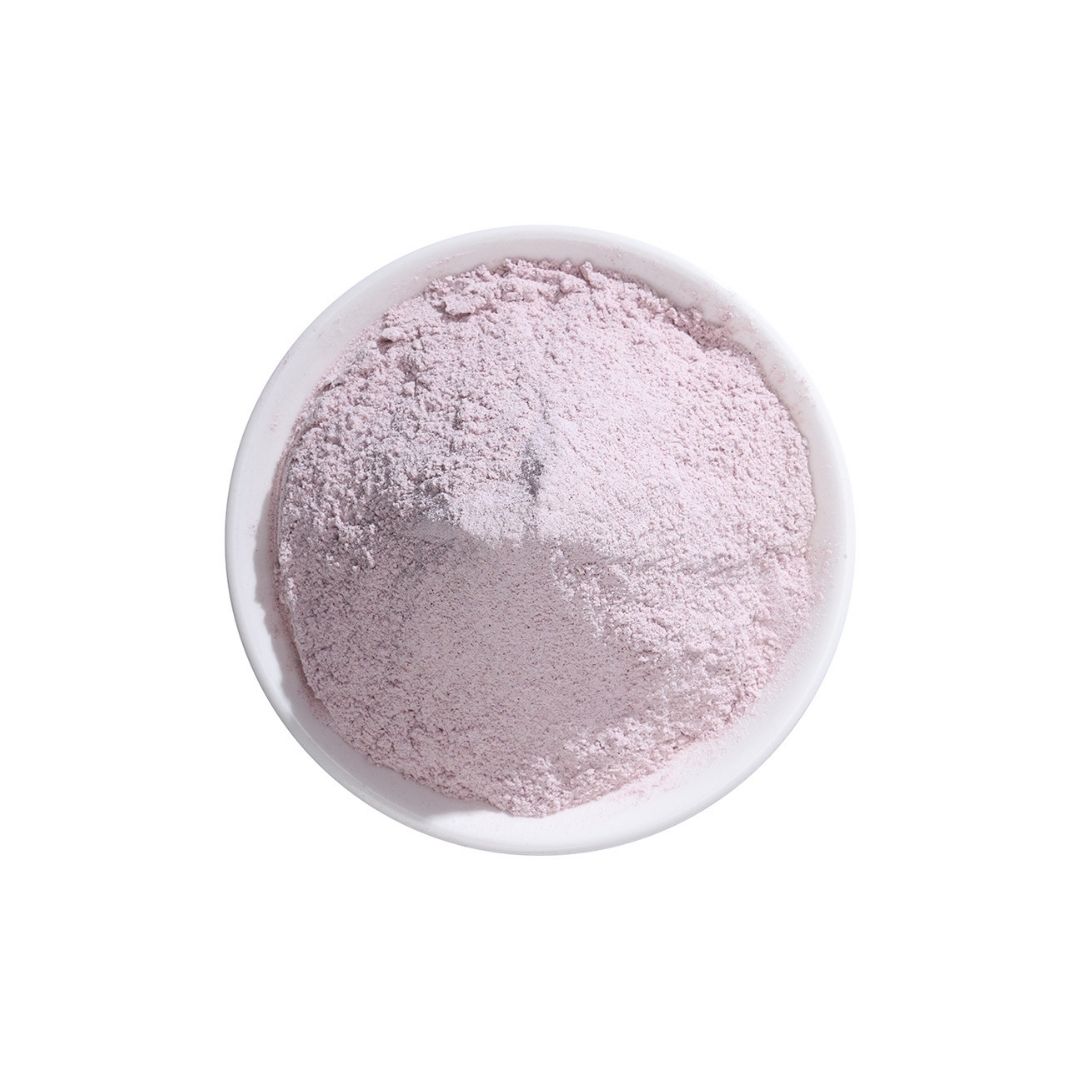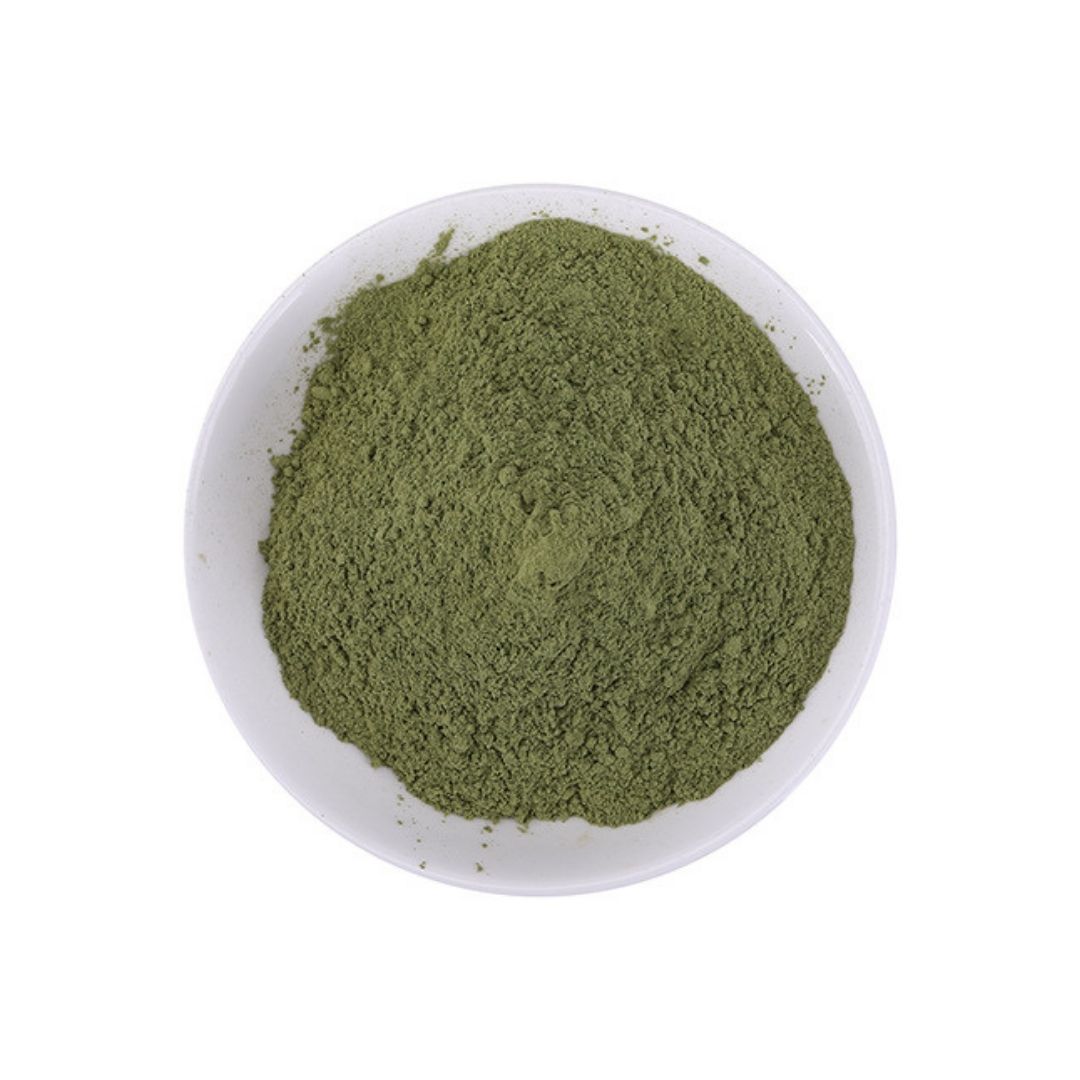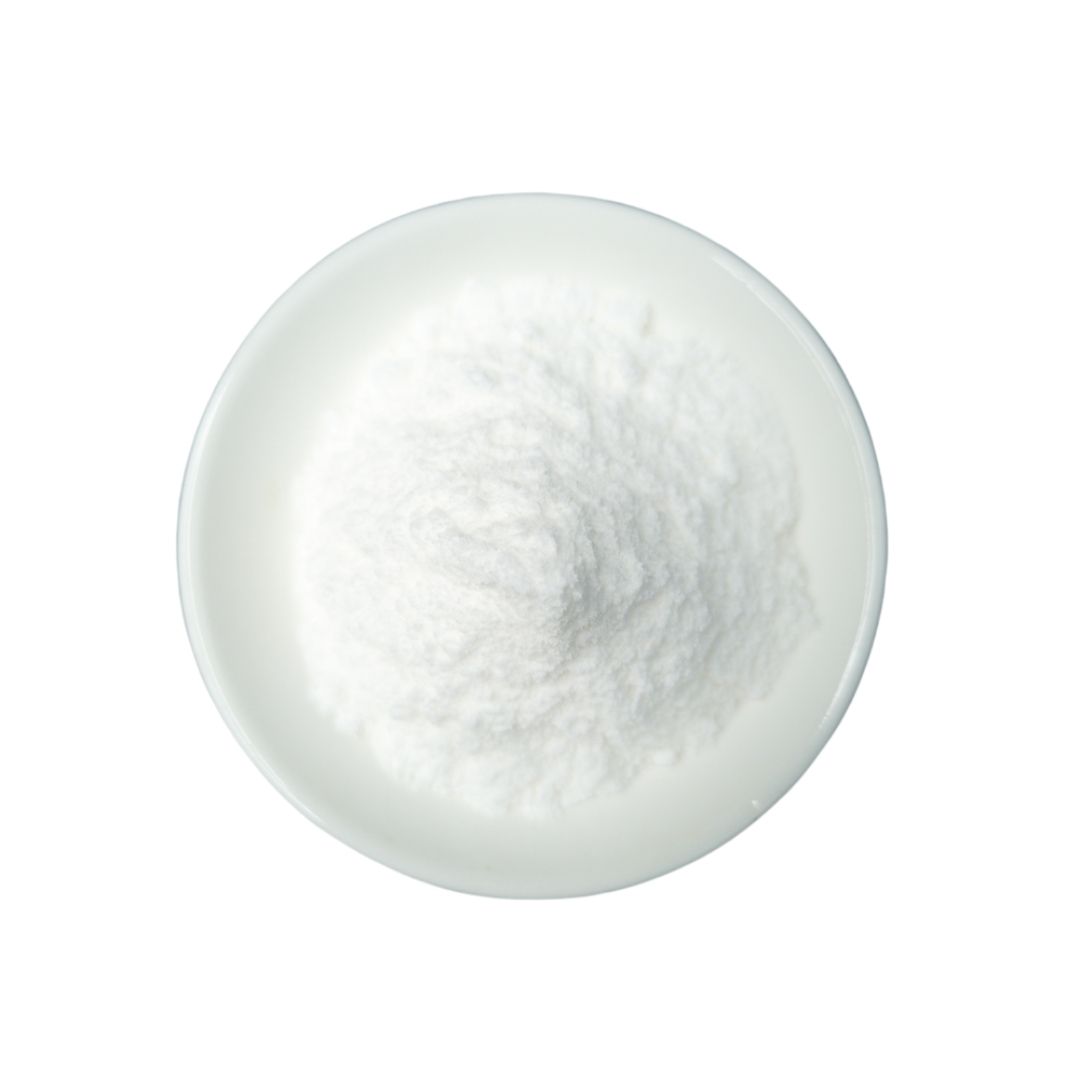


Product Introduction
Lotus root powder is derived from the root of the lotus plant (Nelumbo nucifera), a plant known for its beautiful flowers and edible parts. The lotus plant is native to Asia, and its root has been used for centuries in traditional medicine and cuisine. Lotus root powder is primarily composed of complex carbohydrates, dietary fiber, and various vitamins and minerals. It is commonly used in beverages and as a thickening agent in cooking, and it is also valued for its potential health benefits, such as aiding digestion and boosting energy.
Production Process
The production of lotus root powder typically involves several steps. First, the lotus roots are harvested, usually in the late fall or early winter when they are at their starchiest [1]. These roots are then thoroughly washed to remove any dirt or debris. After washing, the roots are sliced into smaller pieces to facilitate drying. The sliced lotus roots are then dried, either through sun-drying or using mechanical dryers, until they are completely dehydrated. Finally, the dried lotus root slices are ground into a fine powder using milling equipment. The resulting powder is then packaged and ready for consumption [2]. This process ensures that the lotus root powder retains its nutritional properties and characteristic flavor.
Nutrition Facts
Lotus root powder is a source of various nutrients. It is primarily composed of carbohydrates, with a significant portion coming from dietary fiber [3]. Additionally, it contains vitamins such as vitamin C and several B vitamins, as well as minerals like potassium, copper, and manganese [4]. Lotus root powder is relatively low in fat and protein.
A typical serving size (approximately 1 tablespoon or 15 grams) of lotus root powder may contain:
- Calories: 50-60
- Carbohydrates: 12-14 grams
- Dietary Fiber: 1-2 grams
- Sugars: Less than 1 gram
- Fat: Less than 1 gram
- Protein: Less than 1 gram
- Vitamin C: 5-10% of the Daily Value (DV)
- Potassium: 2-5% of the DV
- Manganese: 5-10% of the DV
[5]
Product Components and Benefits
Lotus root powder is characterized by its unique combination of nutritional components, which contribute to its potential health benefits. The high carbohydrate content provides a good source of energy, while the dietary fiber aids in digestive health by promoting regular bowel movements and preventing constipation [6]. The presence of vitamin C helps support the immune system and acts as an antioxidant, protecting the body against free radicals [7]. Minerals like potassium are important for maintaining healthy blood pressure, and manganese plays a role in bone health and metabolism [8].
The potential health benefits of lotus root powder include:
- Digestive Health: The dietary fiber in lotus root powder can promote healthy digestion and prevent constipation [6].
- Energy Boost: The complex carbohydrates provide a sustained release of energy [9].
- Immune Support: Vitamin C helps support the immune system [7].
- Nutrient Rich: Contains essential vitamins and minerals like potassium and manganese [8].
Product Applications
Lotus root powder has various applications, mainly in the culinary field. It can be used to prepare beverages, such as a warm, soothing drink made by mixing the powder with hot water and a sweetener like honey or sugar [10]. It is also frequently used as a thickening agent in soups, stews, and sauces, providing a smooth and creamy texture [11]. In some Asian cuisines, lotus root powder is used to make desserts and snacks, such as lotus root cakes or puddings [12]. Additionally, it can be incorporated into baked goods like bread and muffins to add nutritional value and a subtle flavor [13].
Citations
[1] Singh, N., Singh, B., Kaur, A., & Singh, S. (2018). Lotus (Nelumbo nucifera) seeds: Nutritional composition, health benefits, and processing. Food Chemistry, 259, 114-122.
[2] USDA FoodData Central. (n.d.). Lotus root, raw.
[3] Li, Y., Yao, Y., Yang, X., & Ohno, C. (2016). Dietary fiber: Chemistry, physics, and function. Comprehensive Reviews in Food Science and Food Safety, 15(5), 859-876.
[4] Gopalan, C., Rama Sastri, B. V., & Balasubramanian, S. C. (2007). Nutritive value of Indian foods. National Institute of Nutrition.
[5] USDA FoodData Central. (n.d.). Basic Report: 11274, Lotus root, raw.
[6] Anderson, J. W., et al. "Health implications of dietary fiber." Nutrition Reviews 56.1 (1998): 1-18.
[7] Pullar, J. M., Carr, A. C., & Vissers, M. (2018). The roles of vitamin C in immunity and cancer. Nutrients, 10(11), 1570.
[8] Soetan, K. O., Olaiya, C. O., & Oyewole, O. E. (2013). The importance of mineral elements for human health: An overview. African Journal of Food Science, 7(8), 200-213.
[9] Brand-Miller, J. C., et al. "Glycemic index and glycemic load for foods: a systematic review." American Journal of Clinical Nutrition 71.6 (2000): 1455-1492.
[10] Bensky, D., Gamble, A., & Kaptchuk, T. J. (1993). Chinese herbal medicine: Materia Medica. Eastland Press.
[11] McGee, H. (2004). On food and cooking: The science and lore of the kitchen. Scribner.
[12] Tanaka, T. (1976). Tanaka's Cyclopedia of Edible Plants of the World. Keigaku Publishing Co.
[13] Figoni, P. (2008). How baking works: Exploring the fundamentals of baking science. John Wiley & Sons.

As a sales manager, I’m here to make sure you get exactly what you need for your dietary supplements. From sourcing to delivery, I’m always by your side, ensuring smooth and friendly service. Let’s make your products even better! 🥰🌿