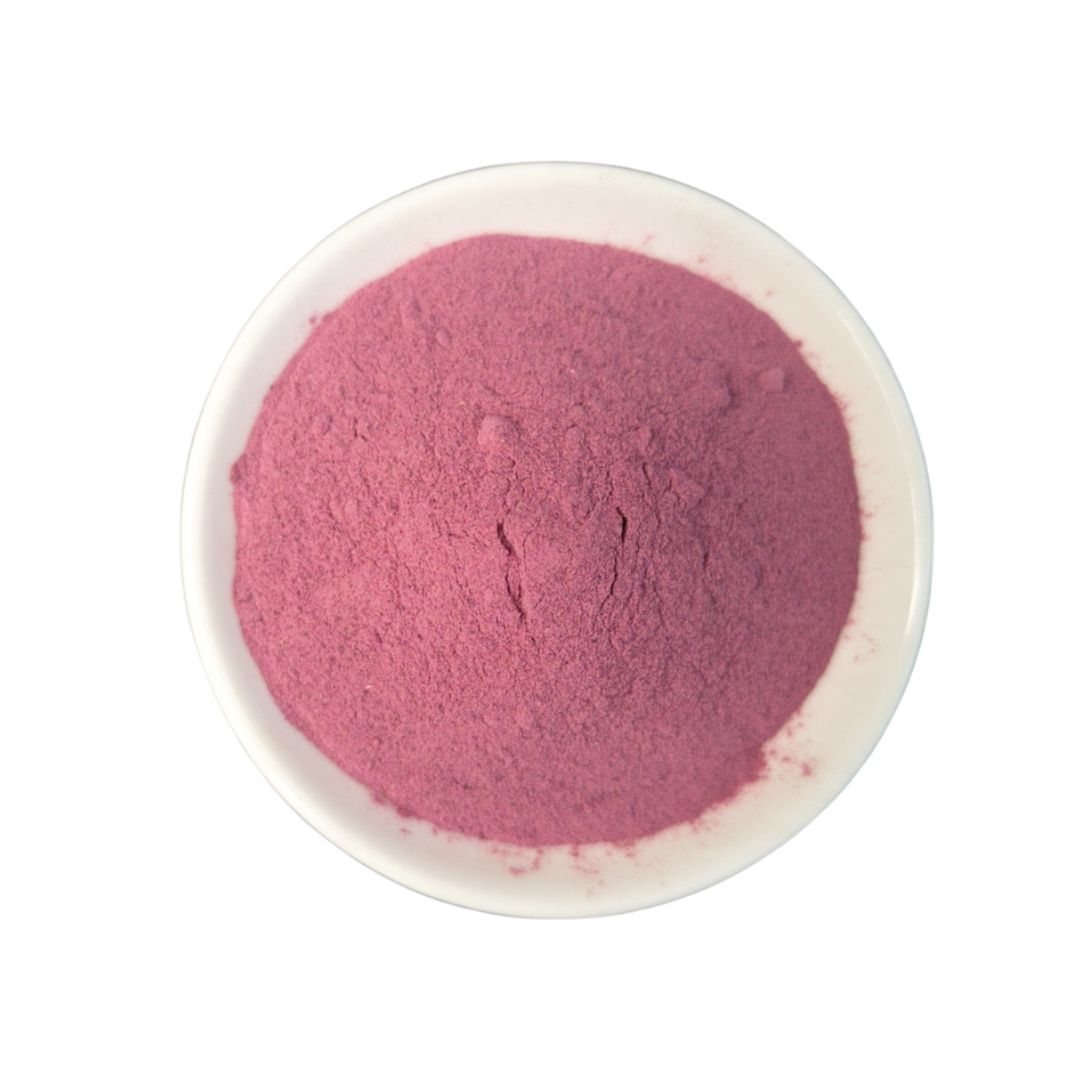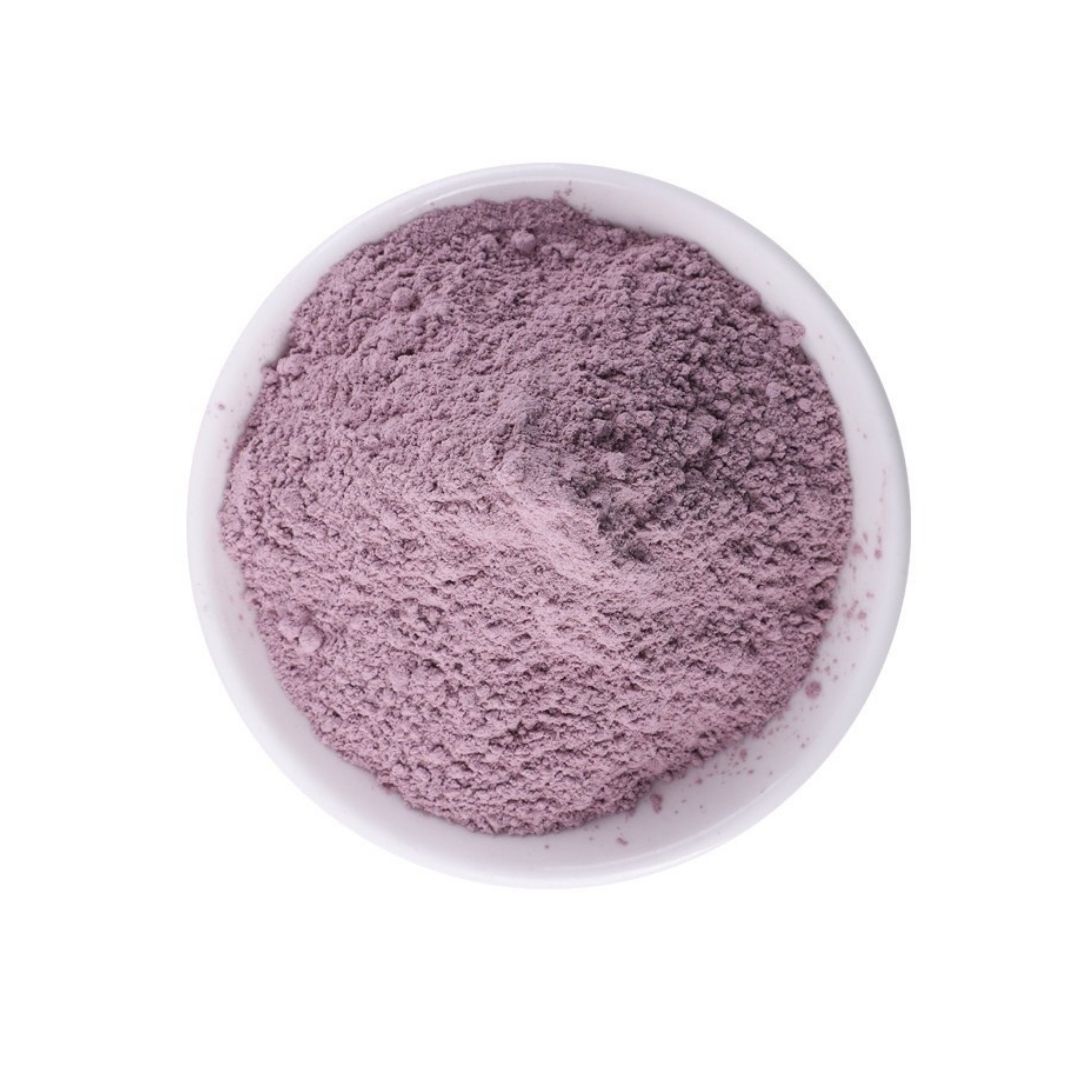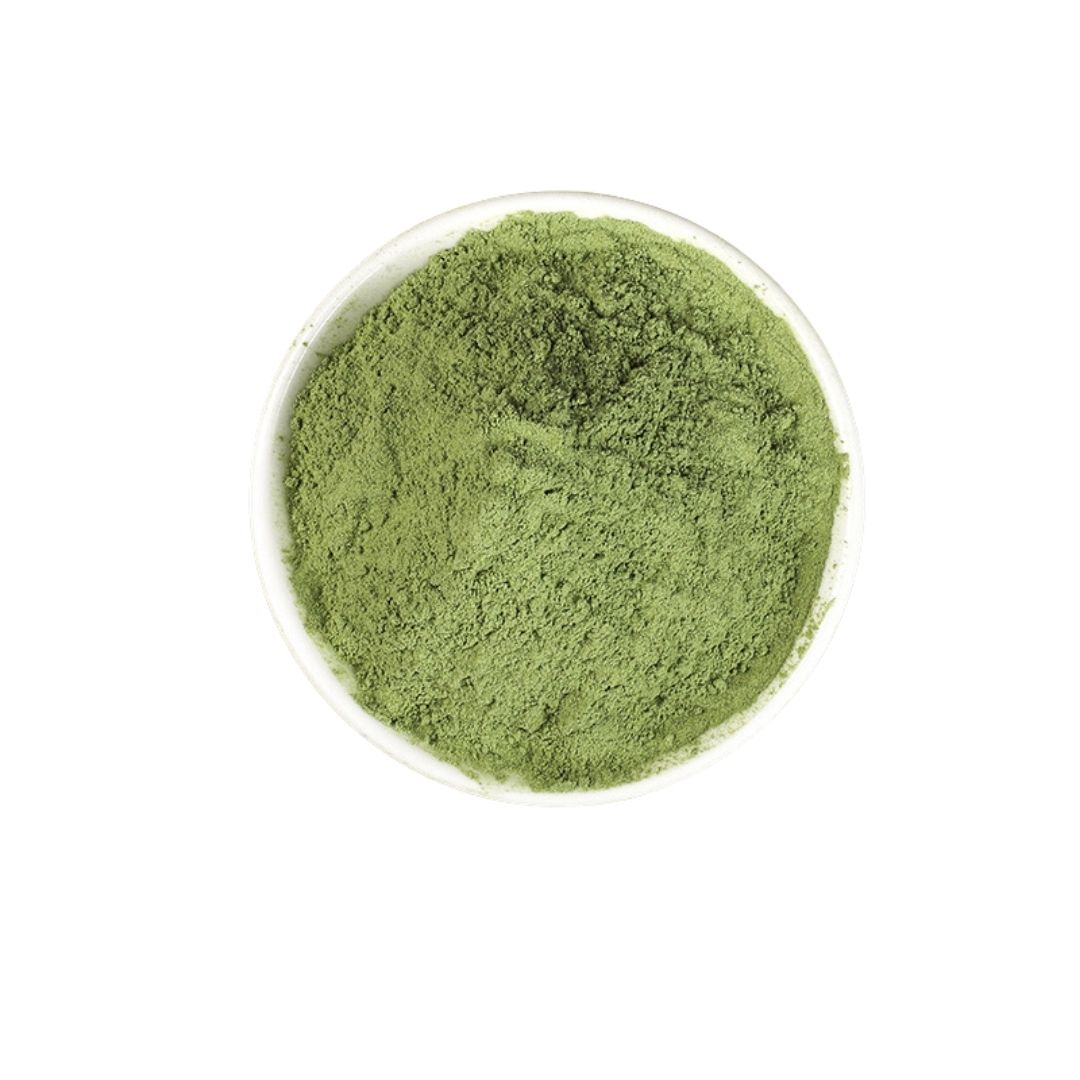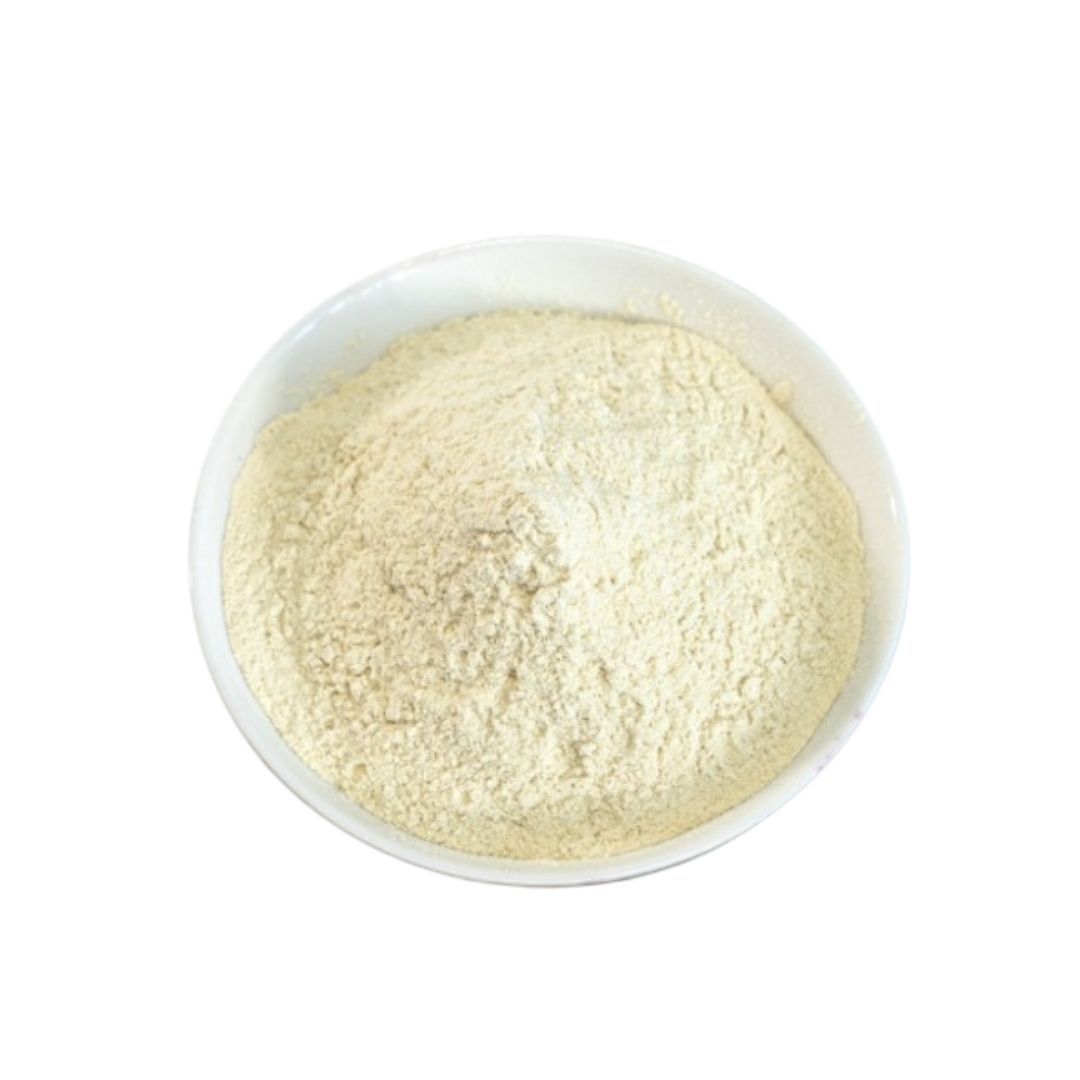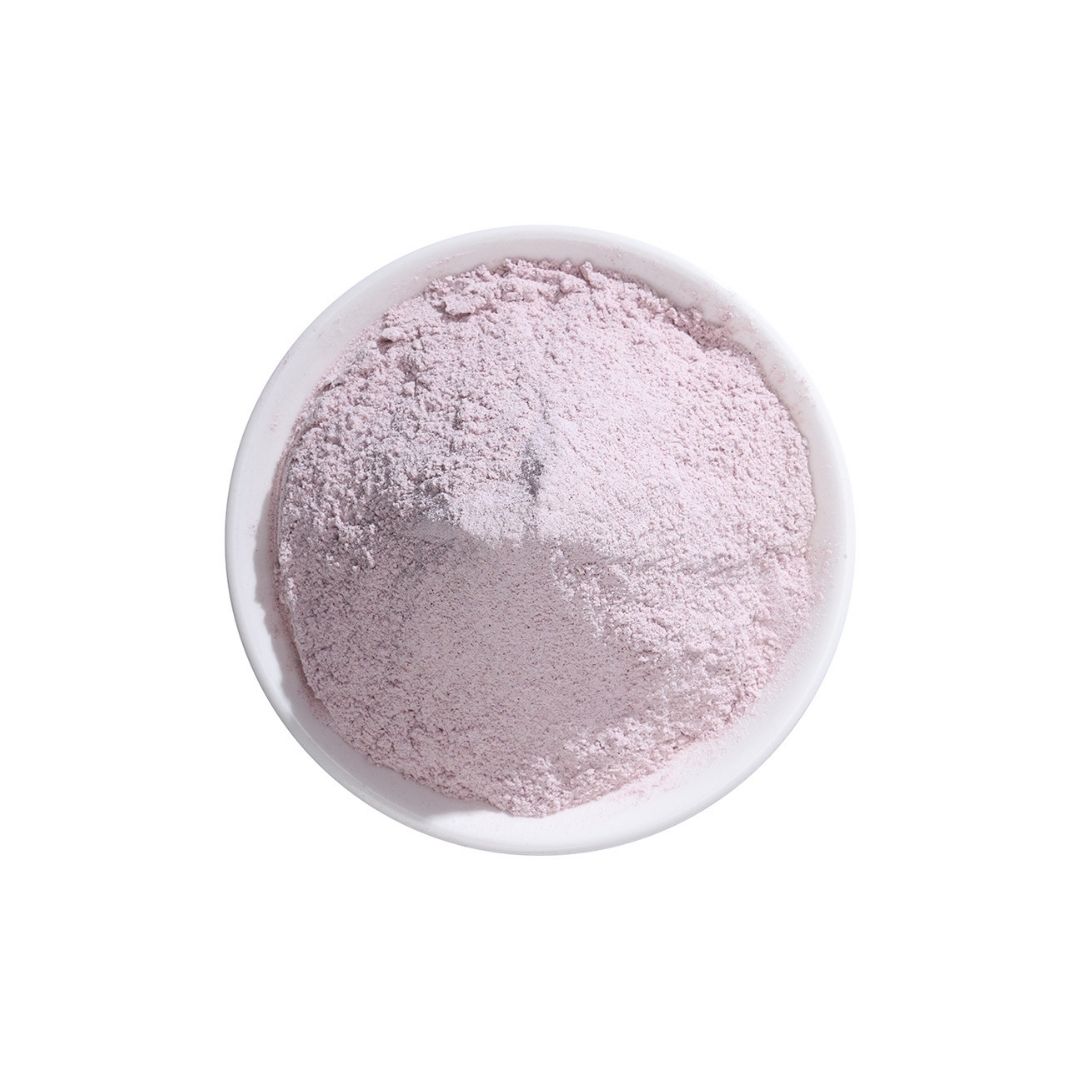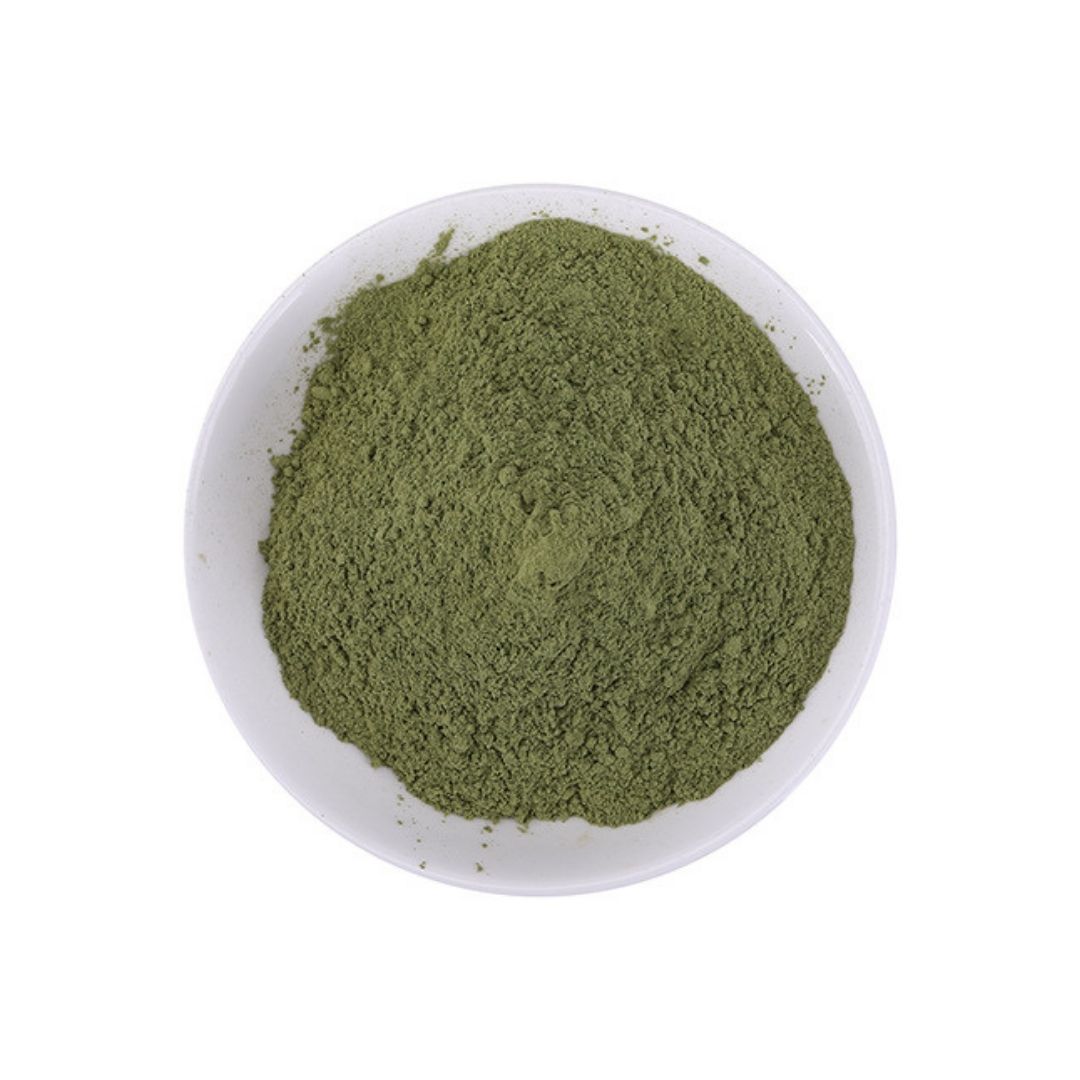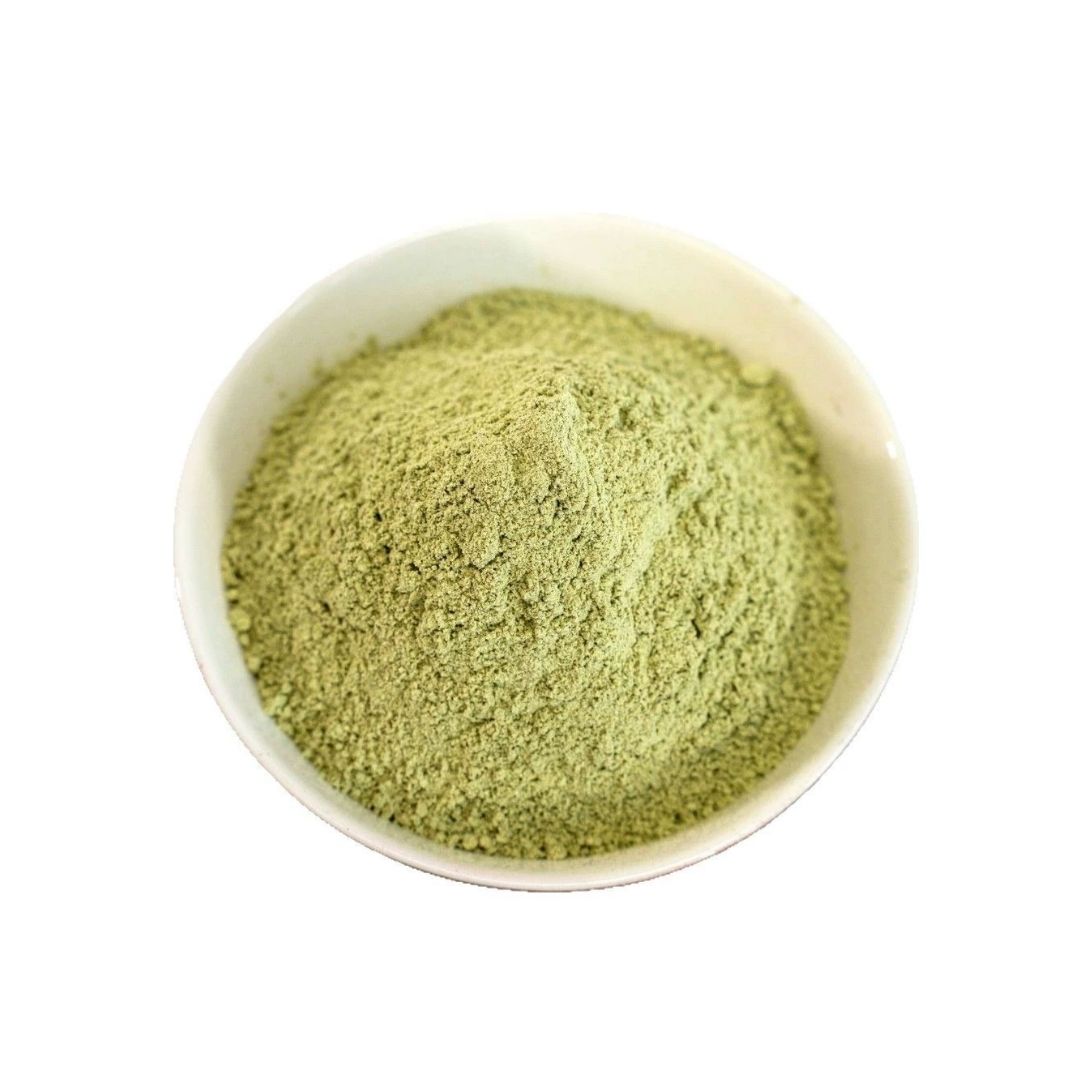


Product Introduction
Asparagus powder is derived from asparagus, a plant known scientifically as Asparagus officinalis. The powder form is created through a dehydration and grinding process, which concentrates the nutrients found in fresh asparagus spears. Asparagus is commonly used as a vegetable, but its powdered form serves as a nutritional supplement and food ingredient. It is known for its mild, vegetable flavor and its use in contributing beneficial compounds to various food and beverage products.
Production Process
The production of asparagus powder begins with harvesting fresh asparagus spears. These spears are washed and then dehydrated to remove moisture, which concentrates the solid components. The dehydration process can involve various methods, such as air drying or freeze-drying, to preserve the nutritional content. Once dried, the asparagus is ground into a fine powder using industrial milling equipment. The resulting powder is then packaged and stored to maintain its quality and prevent moisture absorption.
Nutrition Facts
A typical serving size for asparagus powder is around one teaspoon (approximately 3 grams). This amount generally provides a small number of calories, usually around 10 calories. Asparagus powder contains dietary fiber, vitamins (such as vitamin K, folate, and vitamin C), and minerals (including potassium and phosphorus). It also contains antioxidants, such as glutathione, which contributes to its health benefits.
Product Components and Benefits
Asparagus powder contains several key components that contribute to its health benefits. Folate (vitamin B9) is essential for cell growth and development [1]. Vitamin K plays a critical role in blood clotting and bone health [2]. Vitamin C is an antioxidant that supports the immune system [3]. Dietary fiber promotes digestive health. Additionally, the antioxidants, such as glutathione and other polyphenols, present in asparagus, help protect the body against oxidative stress [4].
Product Applications
Asparagus powder can be incorporated into various applications. It is often added to smoothies and shakes to increase the nutritional content. It can be mixed into soups and sauces as a natural flavoring agent and nutrient enhancer. In baking, asparagus powder can be added to bread and other baked goods to boost their vitamin and mineral content. It is also used in dietary supplements and nutritional products, taking advantage of its concentrated nutrient profile.
Citations:
[1] National Institutes of Health (NIH). (n.d.). Folate: Fact sheet for health professionals. Retrieved from https://ods.od.nih.gov/factsheets/Folate-HealthProfessional/
[2] National Institutes of Health (NIH). (n.d.). Vitamin K: Fact sheet for health professionals. Retrieved from https://ods.od.nih.gov/factsheets/VitaminK-HealthProfessional/
[3] National Institutes of Health (NIH). (n.d.). Vitamin C: Fact sheet for health professionals. Retrieved from https://ods.od.nih.gov/factsheets/VitaminC-HealthProfessional/
[4] Pizzorno, J. (2014). Glutathione!. Integrative Medicine: A Clinician's Journal, 13(1), 8–12.

As a sales manager, I’m here to make sure you get exactly what you need for your dietary supplements. From sourcing to delivery, I’m always by your side, ensuring smooth and friendly service. Let’s make your products even better! 🥰🌿