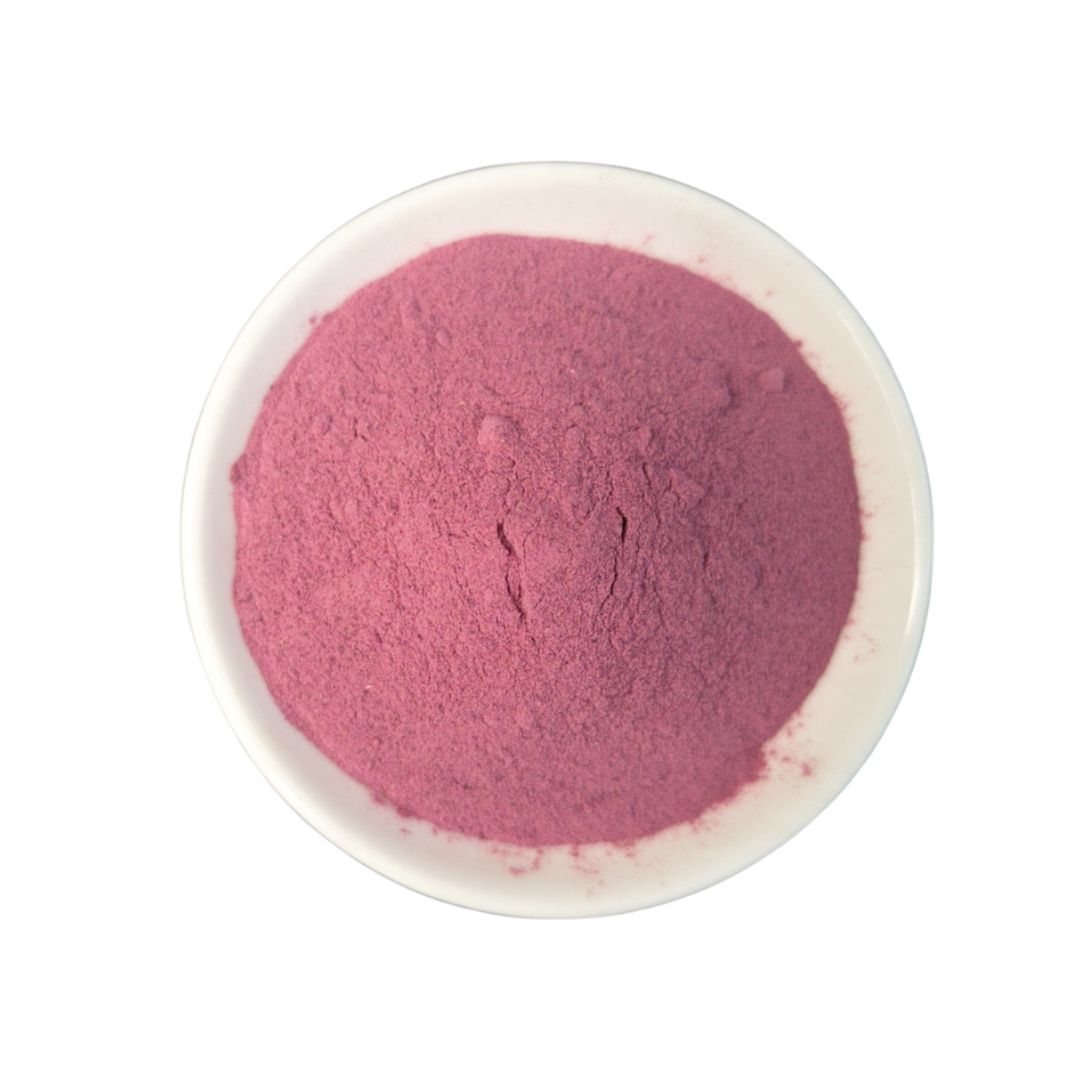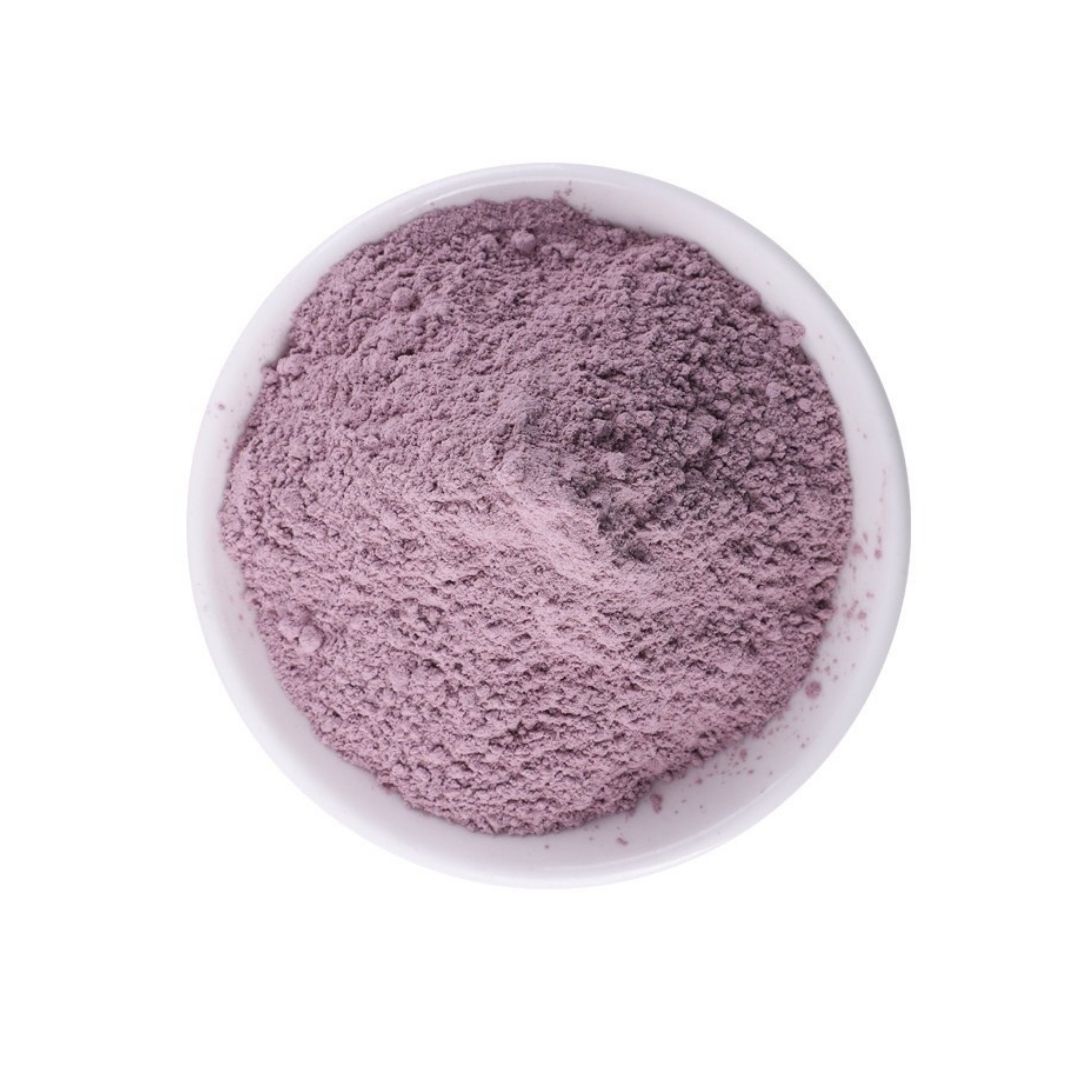


Product Introduction
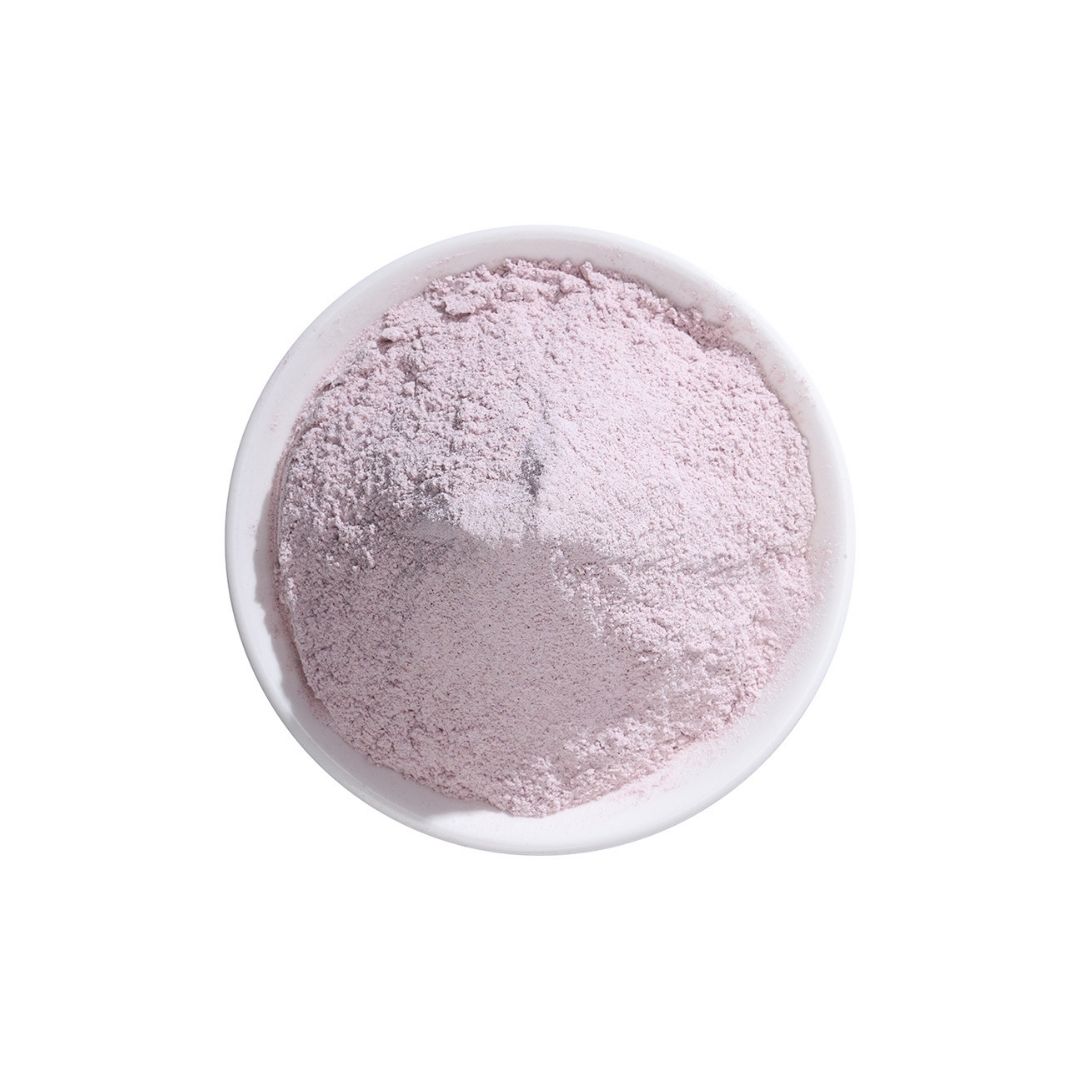
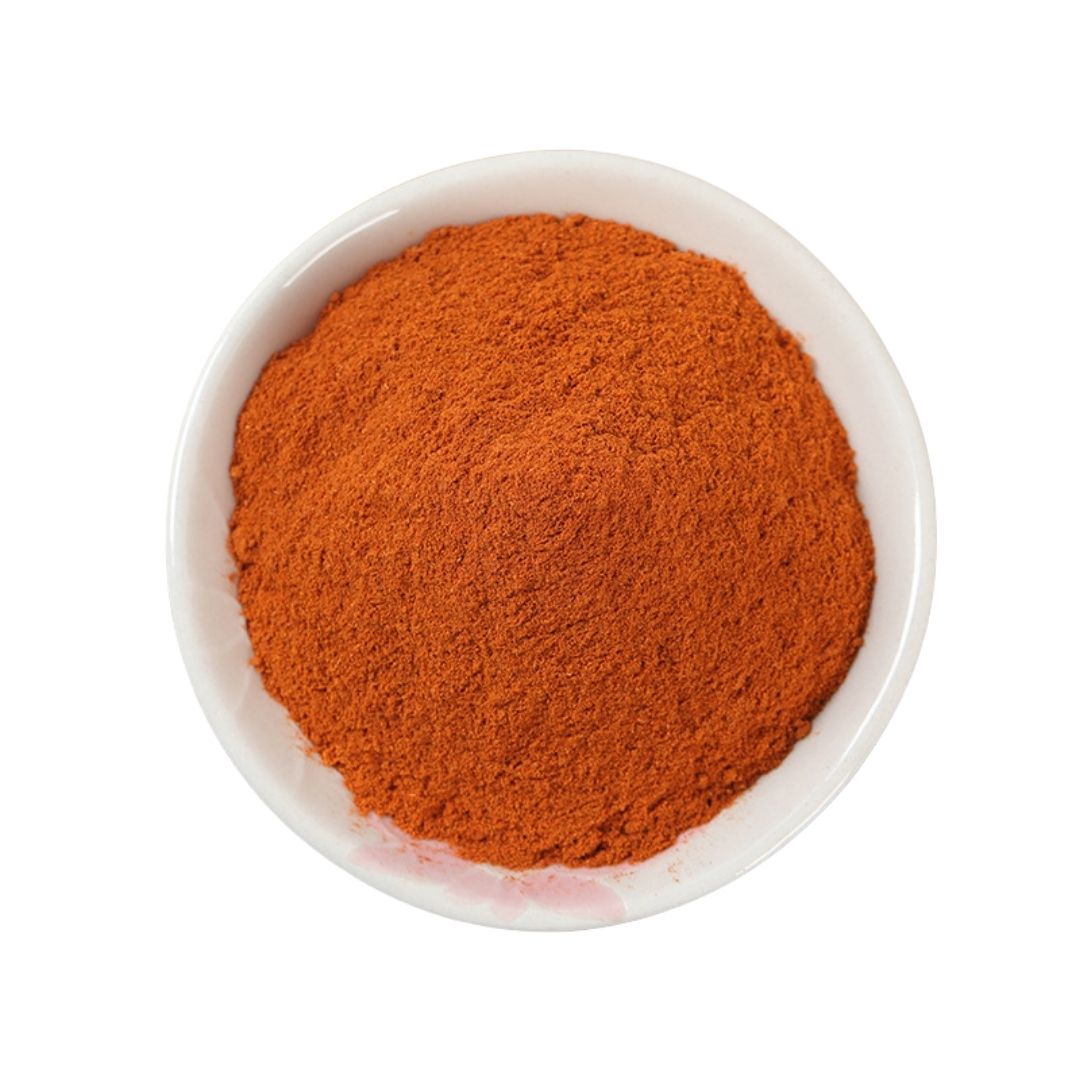
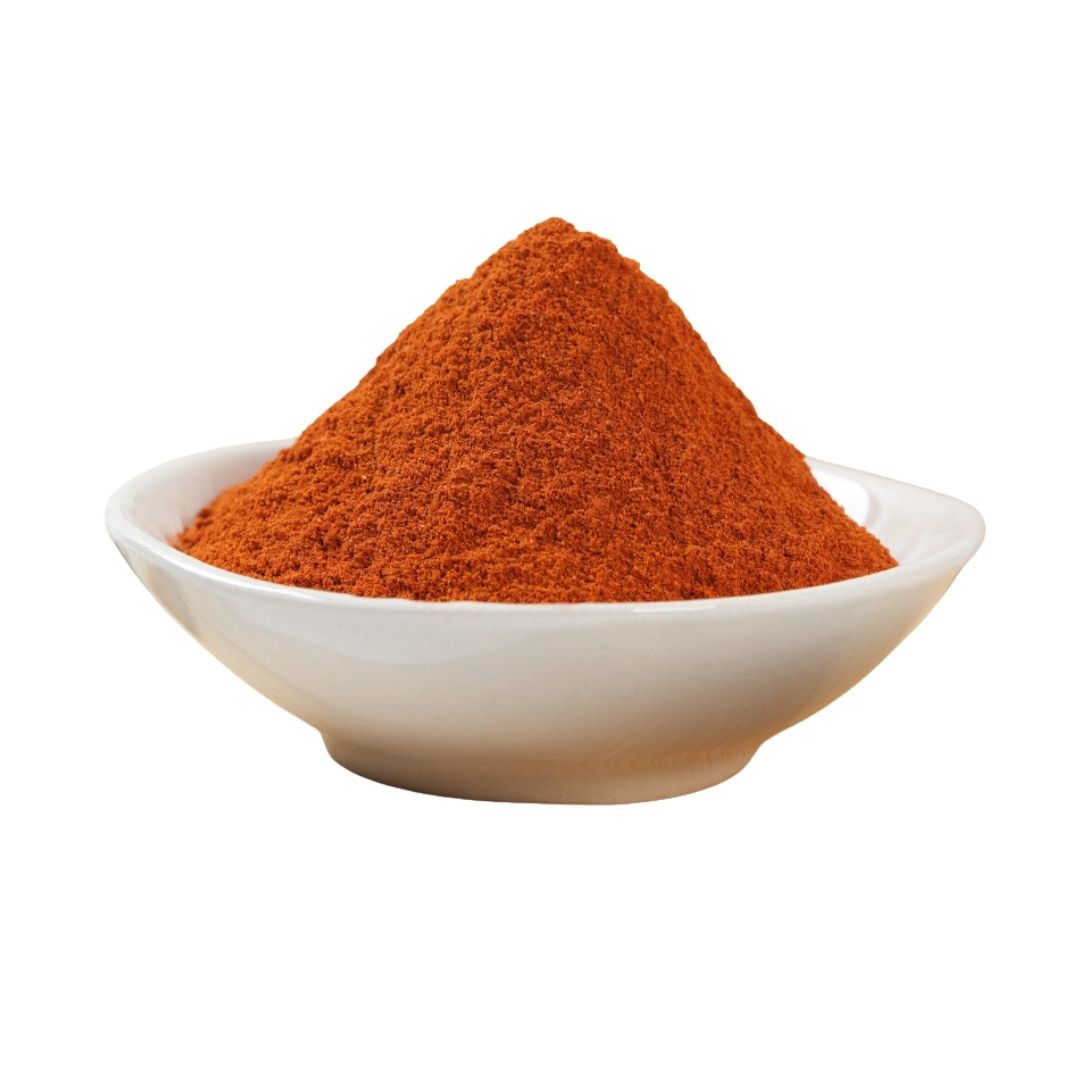
Kimchi powder is a dehydrated and powdered form of traditional Korean kimchi. Kimchi, the source of this powder, is made through the fermentation of vegetables, most commonly Napa cabbage and Korean radish, with a mix of seasonings. These seasonings often include gochugaru (Korean chili powder), garlic, ginger, scallions and jeotgal (fermented seafood), or other ingredients. The fermentation process not only preserves the vegetables but also develops a distinctive sour and spicy flavor profile alongside beneficial probiotics [1]. Kimchi powder captures these flavors and potential health benefits in a convenient, shelf-stable form, making it a versatile ingredient for adding a spicy, umami boost to various dishes. The main components of kimchi powder include probiotics from the fermentation process, vitamins and minerals present in the vegetables and spices, dietary fiber and the characteristic spicy compounds from the chili powder and other seasonings.
Production Process
The production of kimchi powder starts with the traditional preparation of kimchi itself [2]. Producers select fresh, high-quality vegetables, such as Napa cabbage and Korean radish, washing and cutting them before the fermentation begins. A seasoning paste is prepared. Producers mix ingredients like gochugaru, garlic, ginger, scallions, and jeotgal. They rub the paste into the vegetables ensuring every piece is well coated. The seasoned vegetables are then packed into jars or containers and left to ferment at controlled temperatures. Fermentation times vary, often ranging from a few days to several weeks, depending on the desired level of sourness and the ambient temperature. Once the kimchi has reached the desired level of fermentation, it is then dehydrated. Dehydration methods may include air-drying, freeze-drying, or using a food dehydrator to remove moisture content from the fermented kimchi. Once the kimchi is fully dried, it becomes brittle and easy to grind. Producers use grinders or mills to process the dried kimchi into a fine powder. Lastly, they package the kimchi powder in airtight containers or bags to prevent moisture absorption and preserve its flavor and quality, ensuring a longer shelf life.
Nutrition Facts
The nutrition facts for kimchi powder can vary based on the specific recipe and ingredients used, but below are some general nutritional components typically found in kimchi powder [3]:
- Calories: A relatively low amount per serving, typically around 10-20 calories per teaspoon.
- Fiber: A good source of dietary fiber, aiding in digestion and promoting gut health.
- Vitamins: Contains vitamins such as vitamin C, vitamin A, and vitamin K.
- Minerals: Includes minerals like calcium, iron, and potassium.
- Probiotics: Contains beneficial bacteria from the fermentation process, which may promote a healthy gut microbiome.
- Carbohydrates: A small amount, mainly from the vegetables and spices.
- Protein: Present in trace amounts.
- Fat: Minimal fat content, largely dependent on recipe.
- Sodium: Can be relatively high due to the salt used in the fermentation process.
Product Components and Benefits
Kimchi powder boasts a range of components that contribute to its potential health benefits. Probiotics, which are live microorganisms, support gut health and may enhance immune function [4]. Fiber aids in digestion and promotes a feeling of fullness, which can be beneficial for weight management. Kimchi contains vitamins like vitamin C, known for its antioxidant properties and role in immune support, as well as vitamin A, essential for vision and immune function, and vitamin K, important for blood clotting and bone health [5]. Minerals such as calcium, iron, and potassium contribute to various bodily functions, including bone health, oxygen transport, and maintaining healthy blood pressure. Finally, the spices used in kimchi, such as gochugaru, garlic, and ginger, contain antioxidant and anti-inflammatory compounds [6].
Product Applications
Kimchi powder is a versatile ingredient that can be used in a variety of culinary applications. As a seasoning, it can add a spicy and umami flavor to dishes like soups, stews, and stir-fries. It can be incorporated into marinades for meats, tofu, or vegetables, adding depth and complexity. Kimchi powder can be sprinkled on snacks such as popcorn or chips for a flavorful twist, or mixed into dips and sauces to enhance their taste [7]. It can also be added to dry rubs for meats, providing a unique flavor profile when grilling or roasting. Kimchi powder can also be mixed into rice or noodle dishes, offering a quick and easy way to infuse the dish with the distinctive taste of kimchi.
Citations
[1] Jung, J. Y., Lee, N. K., Park, S. Y., Jeon, C. O., & Park, Y. S. (2014). Microbial community analysis during fermentation of Korean kimchi with next-generation sequencing. International Journal of Food Microbiology, 185, 123-131.
[2] Kim, H. J., Choi, I. J., Kim, Y., Park, S., Myung, S. J., Shin, C. M., … & Kim, J. (2011). Risk factors for gastric cancer in Korean population: a meta-analysis. Journal of Gastric Cancer, 11(3), 142-154.
[3] Park, K. Y. (1995). The nutritional evaluation, and antimutagenic and anticancer effects of kimchi. Journal of the Korean Society of Food Science and Nutrition, 24(1), 169-182.
[4] Gill, H. S., Guarner, F. (2004). Probiotics and human health: a clinical perspective. Postgraduate medical journal, 80(947), 516–526.
[5] Reaegana, M. M., Kim, Y., Song, W. O., Koo, S. I. (2012). Effects of kimchi consumption on the immune system: a systematic review. Critical reviews in food science and nutrition, 53(5), 447-458.
[6] Song, I. S., Oh, H. I., & Kim, S. H. (2015). The Flavors and Health Functionalities of Kimchi. Journal of Food and Drug Analysis, 23(3), 449-456.
[7] Lee, H. J., & Kim, J. Y. (2011). Effect of kimchi on the composition of human gut microbiota. Journal of Microbiology, 49(6), 960-967.

As a sales manager, I’m here to make sure you get exactly what you need for your dietary supplements. From sourcing to delivery, I’m always by your side, ensuring smooth and friendly service. Let’s make your products even better! 🥰🌿