

Product Introduction
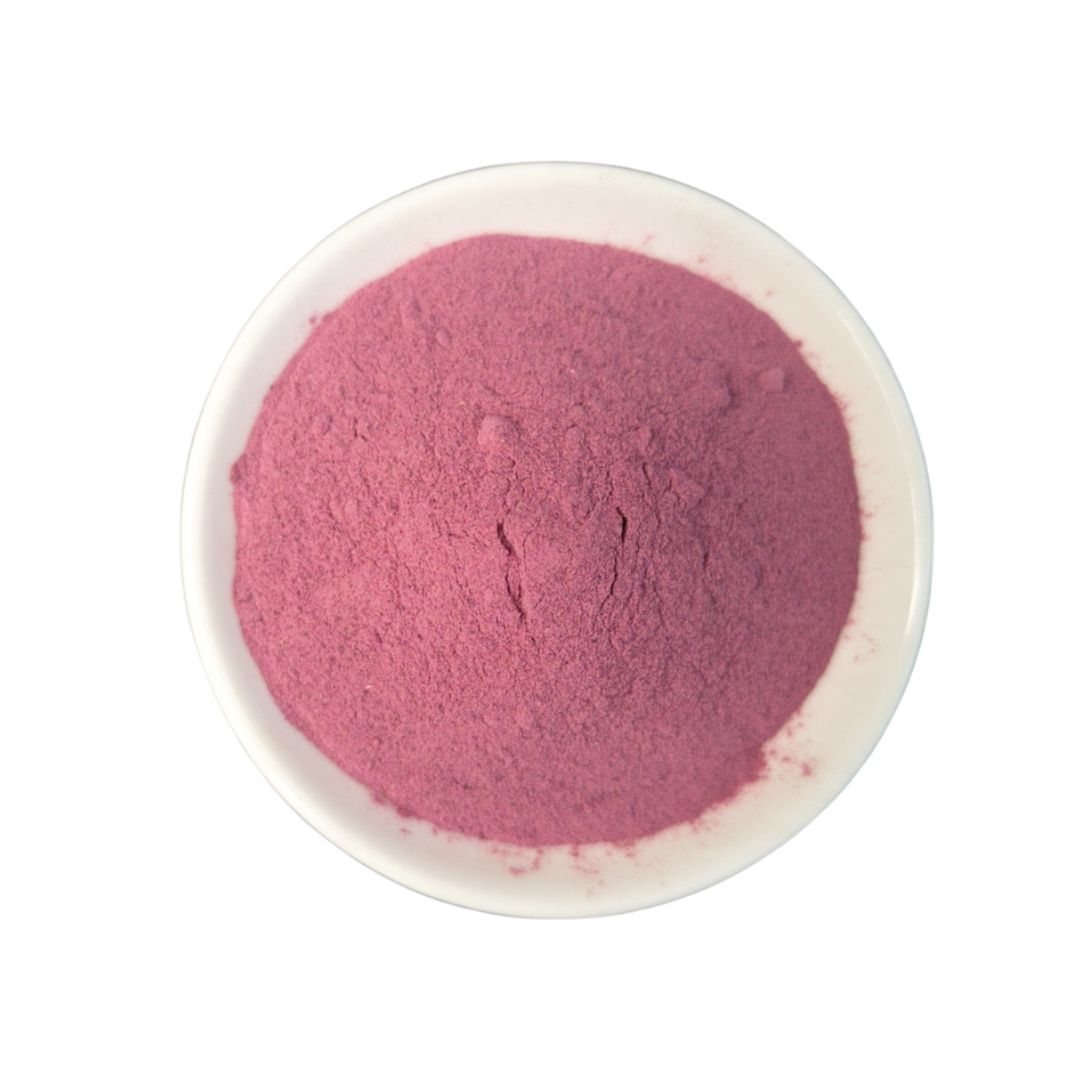
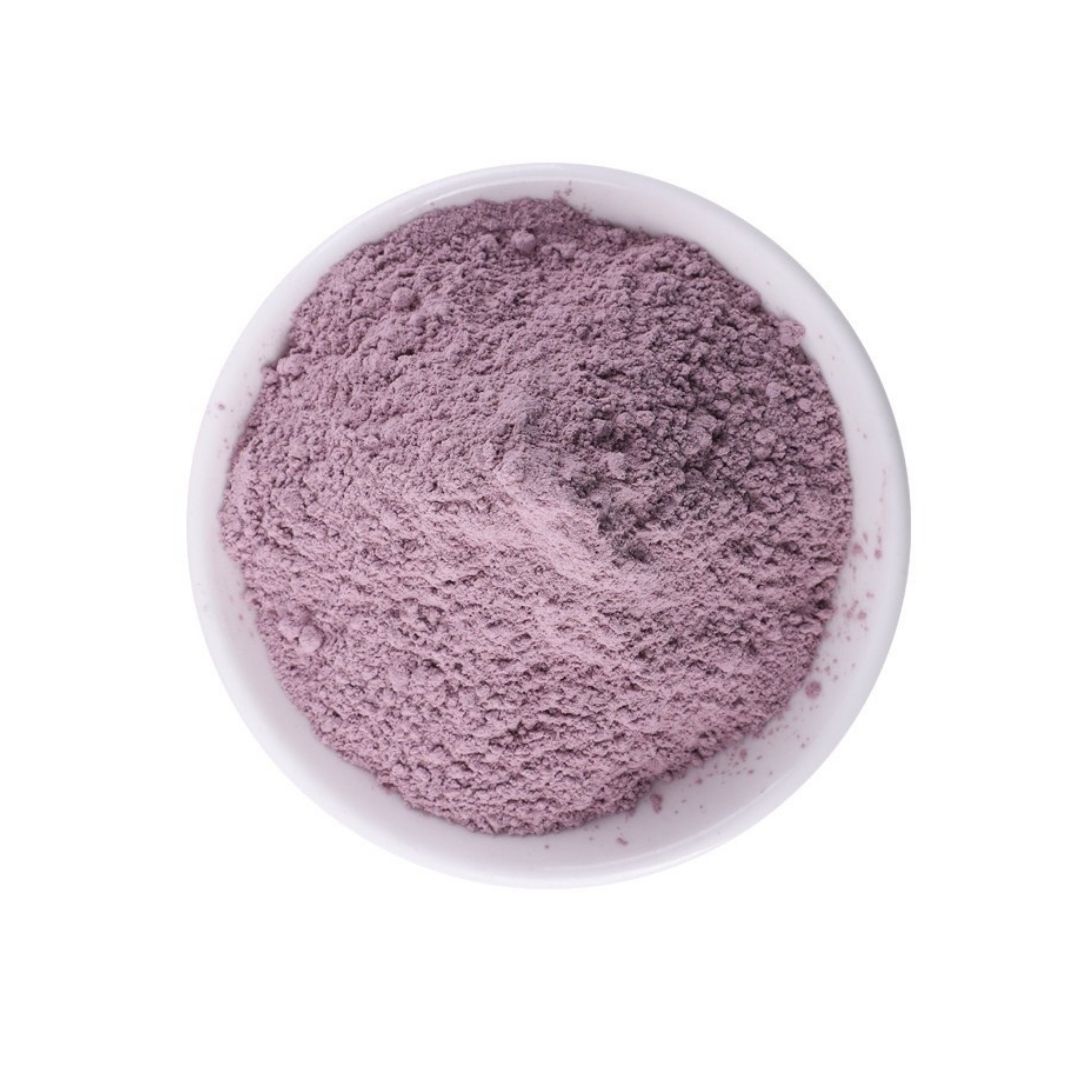
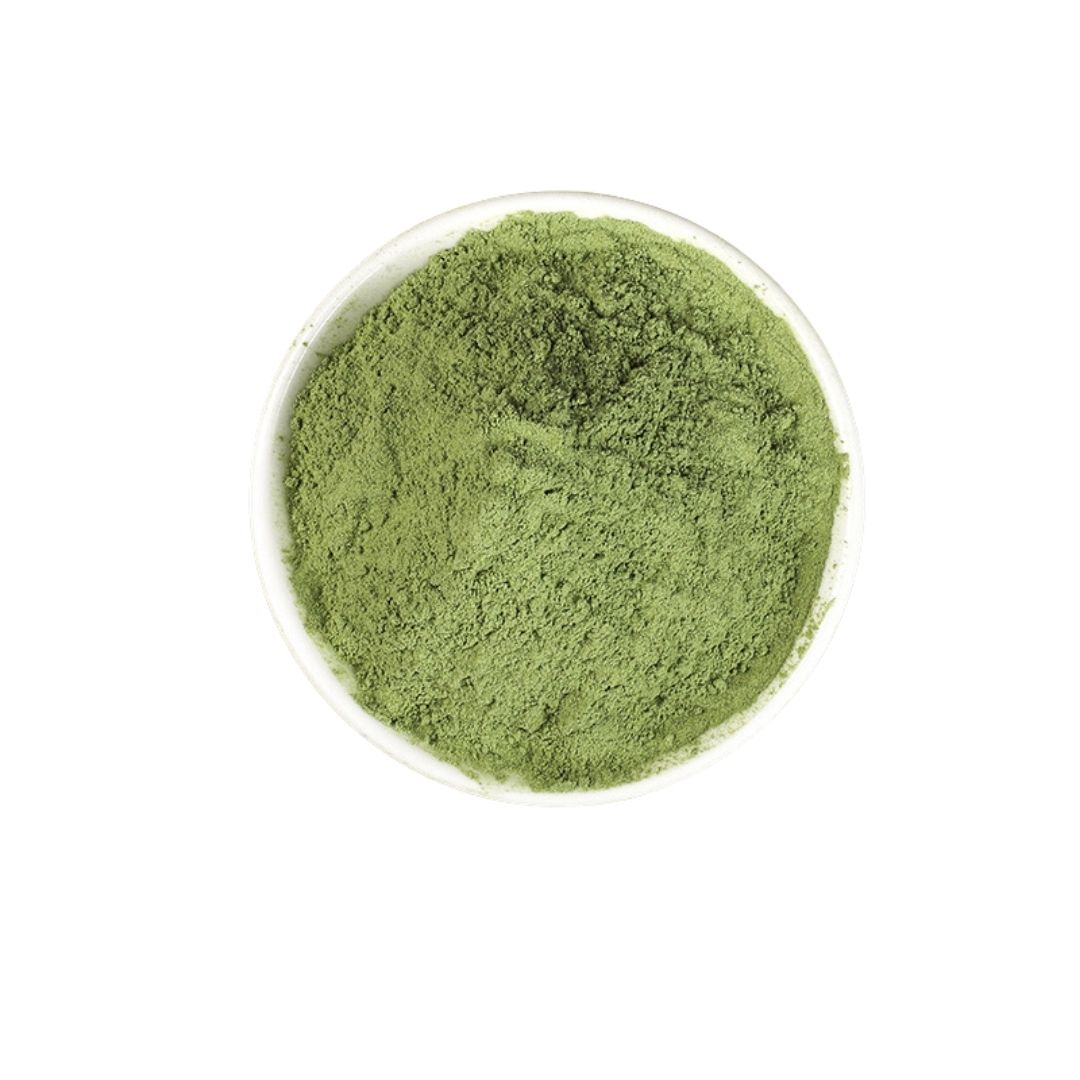
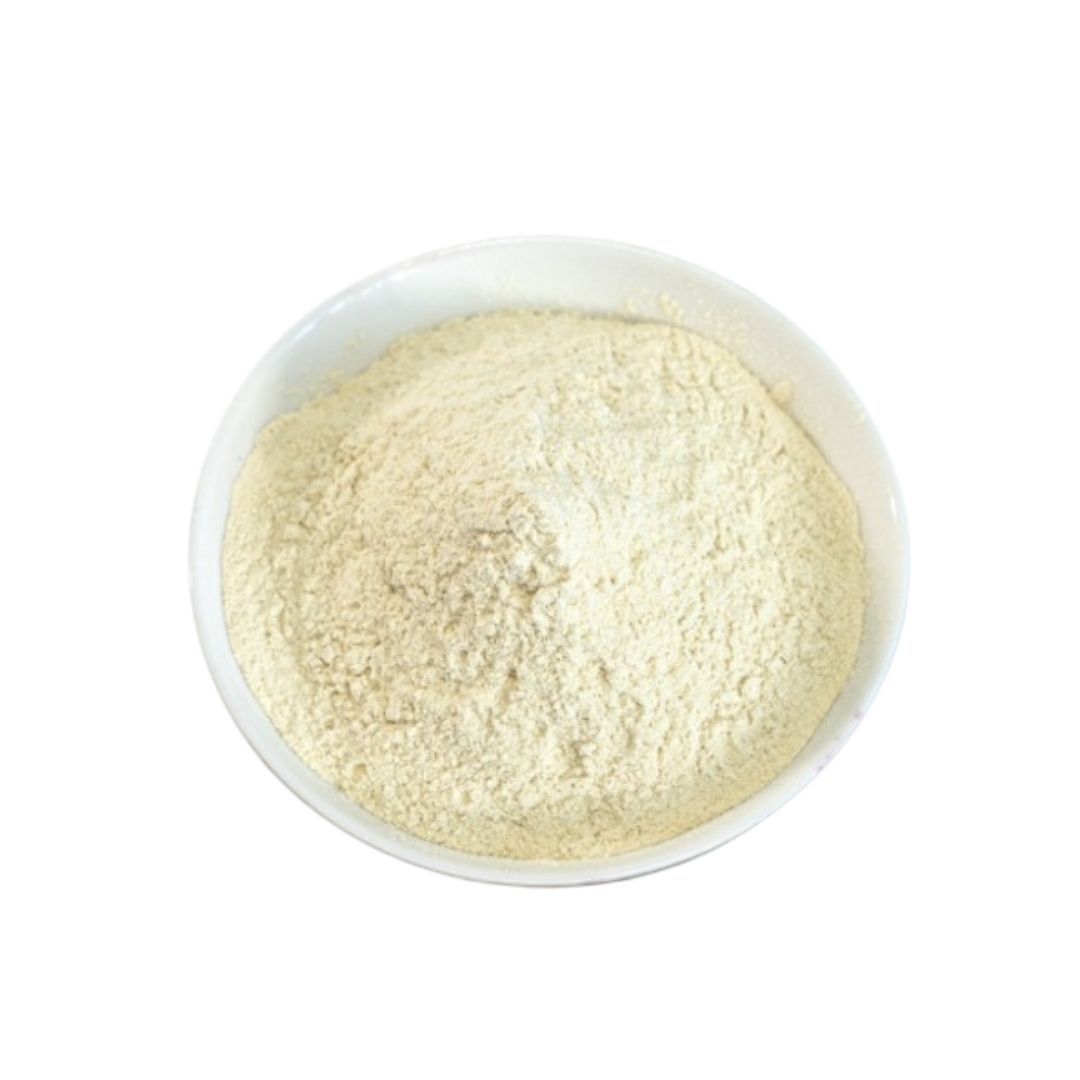
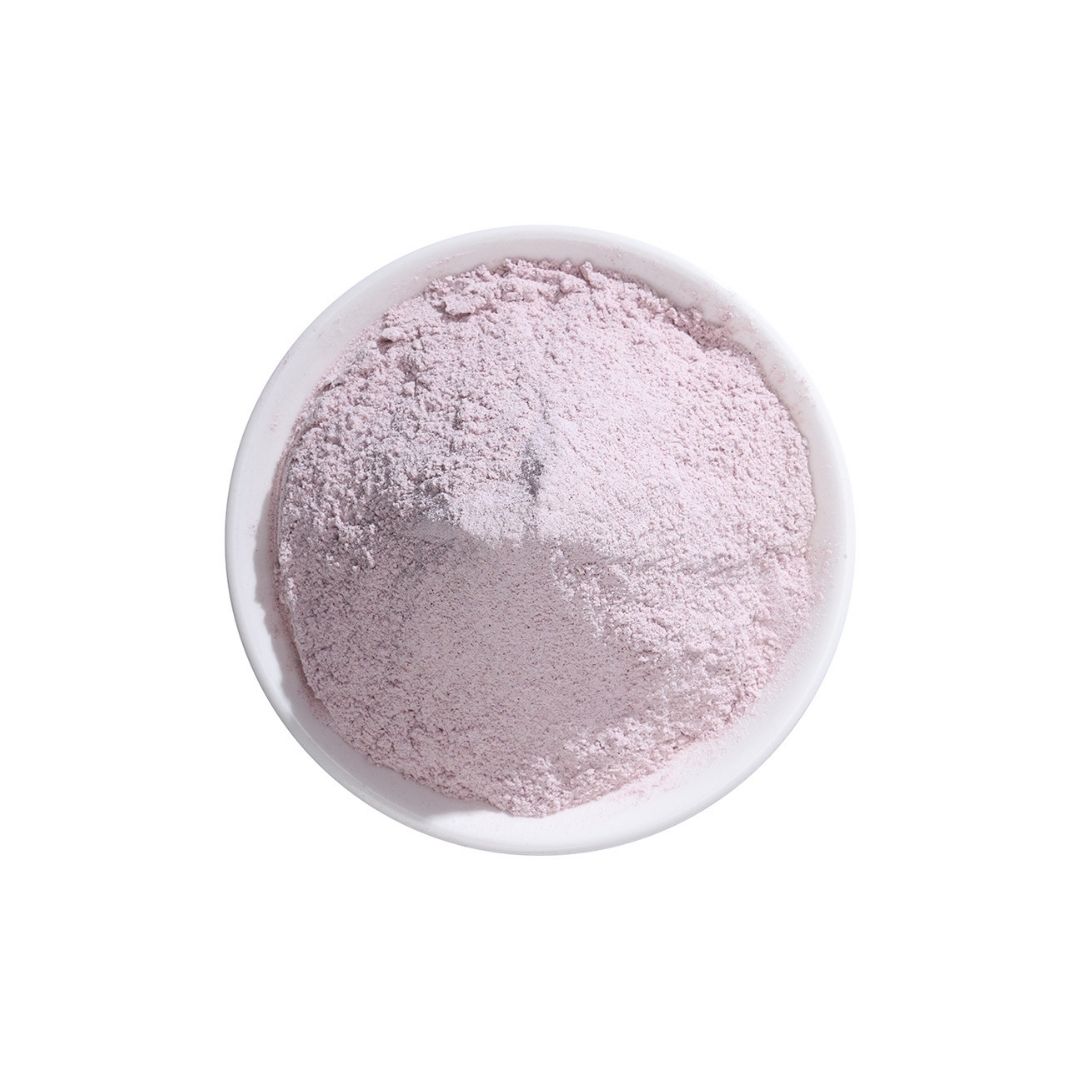
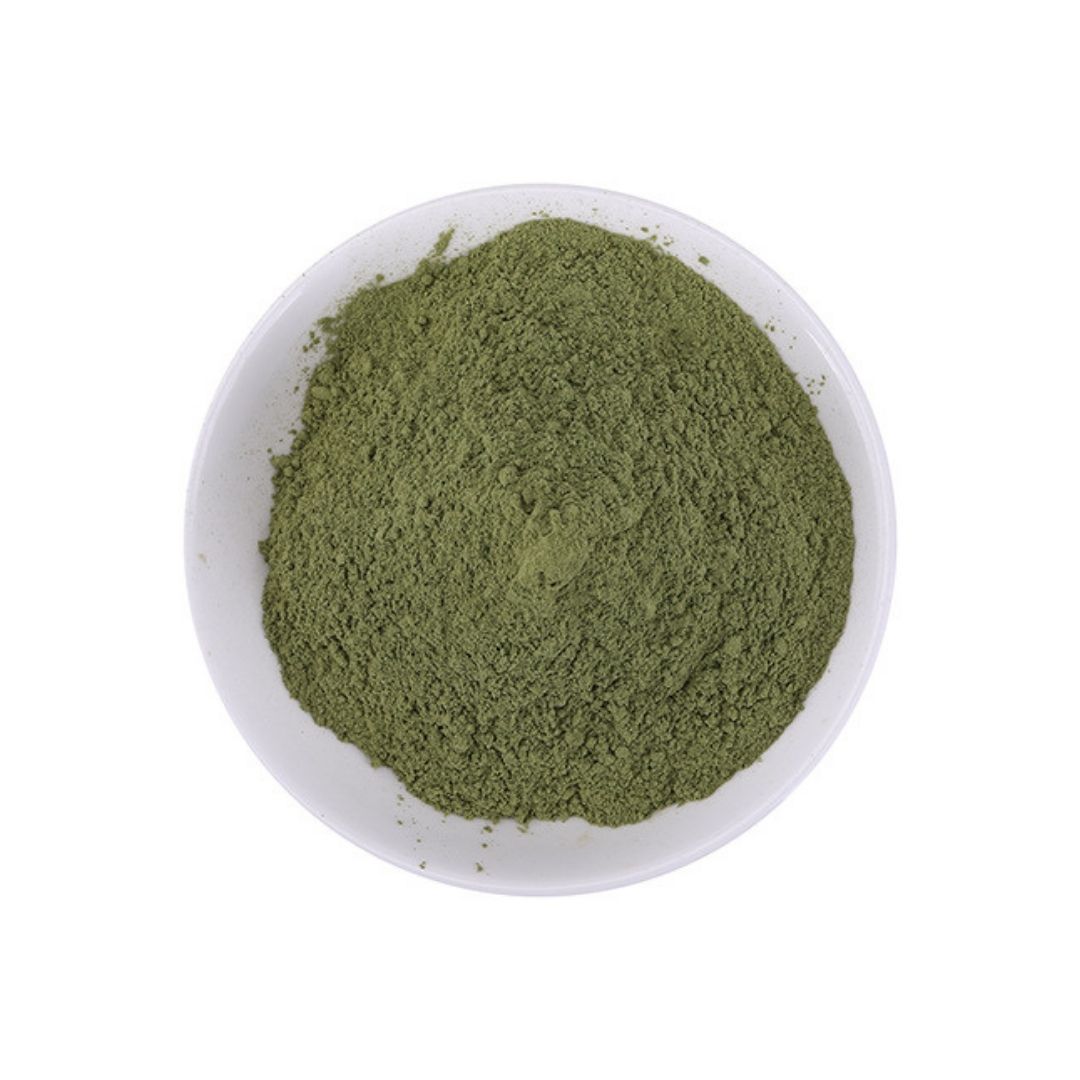
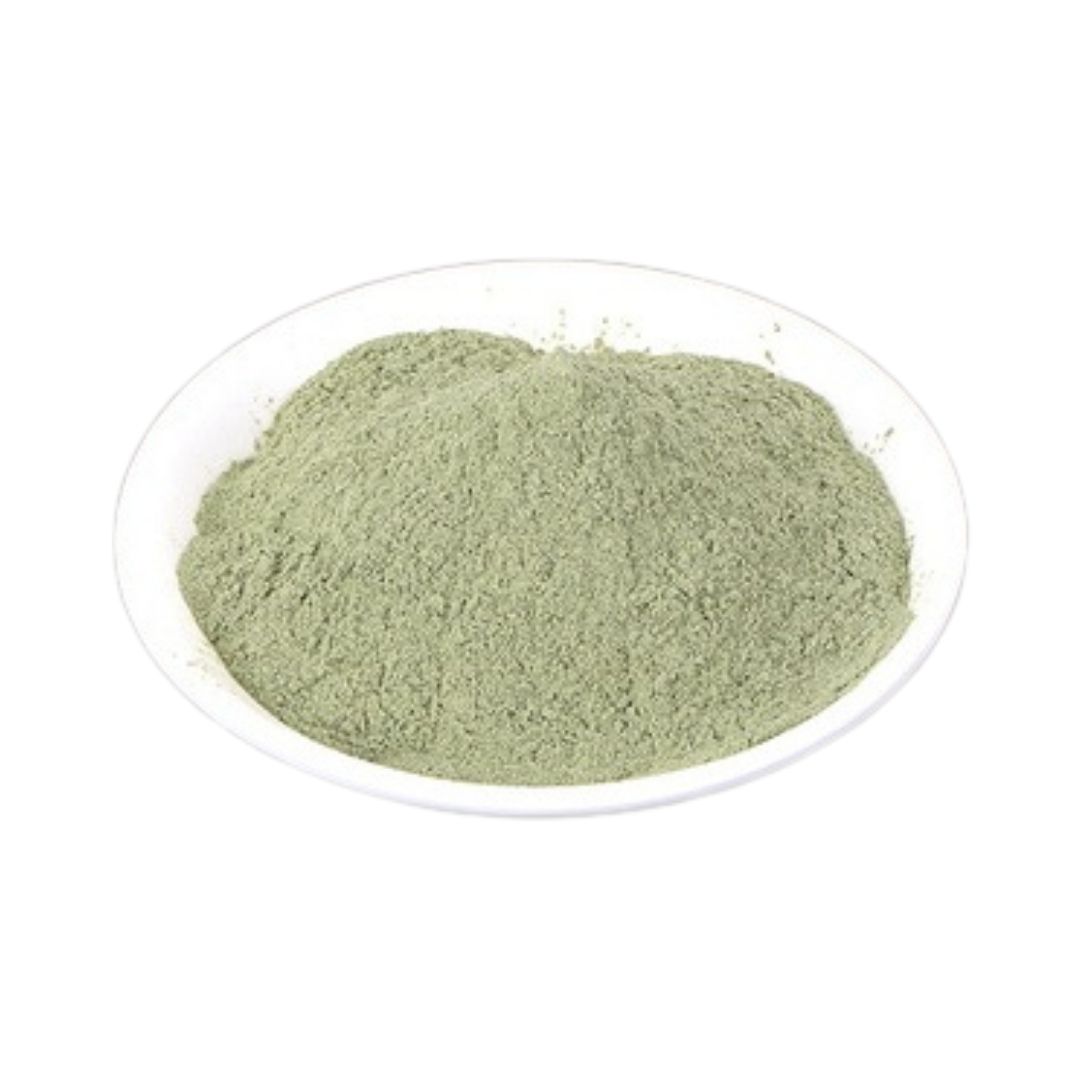
Wakame powder is derived from wakame seaweed (Undaria pinnatifida), mainly sourced from the coastal regions of Japan, Korea, and France, where it thrives in cold, nutrient-rich waters [1]. This seaweed is a type of brown algae known for its nutritional benefits and culinary uses. Wakame powder retains the natural properties of the seaweed, including essential minerals, vitamins, and antioxidants. It is commonly used, particularly in Japanese cuisine, in soups, salads, and as a seasoning [2]. Additionally, wakame powder is incorporated into dietary supplements and health foods due to its high iodine content and other beneficial nutrients. It is valued for its ability to enhance both the flavor and nutritional profile of various dishes and products [3].
Production Process
The production of wakame powder involves several key steps to ensure quality and purity. First, wakame seaweed is harvested from the ocean, usually during its peak season to maximize nutrient content [4]. After harvesting, the seaweed is thoroughly washed to remove any impurities such as sand, salt, and marine debris. Then, the wakame undergoes a drying process, which can be done through sun-drying or using mechanical dryers, depending on the scale of production and desired quality [5]. Once dried, the wakame is ground into a fine powder using specialized milling equipment. The powder is then sifted to ensure uniform particle size and remove any coarse fragments. Finally, the wakame powder is packaged in airtight containers to protect it from moisture and light, which helps to preserve its nutritional properties and extend its shelf life [6].
Nutrition Facts
Wakame powder is a nutrient-dense food, providing various essential vitamins and minerals. A typical serving size of 1 tablespoon (approximately 5 grams) of wakame powder contains:
- Calories: 5-10 kcal
- Protein: 0.2-0.5 g
- Fat: 0.1-0.2 g
- Carbohydrates: 1-2 g
- Fiber: 0.5-1 g
- Iodine: 200-400% of the Daily Value (DV)
- Calcium: 2-5% of the DV
- Iron: 1-3% of the DV
- Magnesium: 2-4% of the DV
- Vitamin A: 2-5% of the DV
- Vitamin C: 1-3% of the DV
- Folate: 1-3% of the DV
These values can vary slightly depending on the source and processing methods of the wakame [7].
Product Components and Benefits
Wakame powder is composed of several key nutrients that contribute to its health benefits:
- Iodine: Essential for thyroid hormone production, which regulates metabolism and energy levels [8].
- Fucoidan: A unique sulfated polysaccharide found in brown seaweeds like wakame, known for its anti-inflammatory and antioxidant properties [9].
- Fucoxanthin: A carotenoid with antioxidant properties, which may support weight management and cardiovascular health [10].
- Omega-3 Fatty Acids: Including EPA, which contributes to heart health and reduces inflammation [11].
- Calcium: Important for bone health, nerve function, and muscle contraction [12].
- Iron: Necessary for red blood cell production and oxygen transport [13].
- Magnesium: Involved in numerous enzymatic reactions and supports muscle and nerve function [14].
- Vitamins A and C: Antioxidants that support immune function and skin health [15].
Product Applications
Wakame powder is versatile and can be easily incorporated into various food products and recipes:
- Culinary Uses: It can be added to soups, such as miso soup, to enhance flavor and nutritional value. It also serves as a seasoning for salads, stir-fries, and noodle dishes [16].
- Smoothies and Beverages: Wakame powder can be blended into smoothies for a boost of minerals and antioxidants. It can also be mixed into green juices and other health drinks [17].
- Baked Goods: It can be added to bread, muffins, and other baked goods to increase their nutritional content. Its subtle umami flavor can complement savory baked items [18].
- Dietary Supplements: Wakame powder is used in dietary supplements aimed at supporting thyroid health, weight management, and overall wellness [19].
- Pet Food: Some pet food manufacturers include wakame powder in their formulations to provide essential minerals and support the health of animals [20].
Citations:
- Nisizawa, K. (2002). Recent advances in seaweed polysaccharide biochemistry: An overview. Journal of Applied Phycology, 14(2), 99-110.
- Dawczynski, C., Schubert, R., & Jahreis, G. (2007). Seaweed as a source of dietary iodine. Journal of Applied Phycology, 19(6), 509-529.
- ইয়ামাদা, কে. (1961)। ইউটিলাইজেশন অফ সিওয়েডস ইন জাপান। Procedings of the International Seaweed Symposium, 4, 5, 85-93।
- McHugh, D. J. (2003). A guide to the seaweed industry. FAO Fisheries Technical Paper, 441, 1-105.
- FAO. (2023). The Global Status of Seaweed Production, Trade and Utilization. FAO Fisheries and Aquaculture Circular No. 1243. Rome.
- Venugopal, V. (2005). Preservation and processing of marine fish and shellfish. CRC press.
- ইয়োস্টেন, এইচ.এম., জাংসমা, জে., গ্রেভাস, এইচ., ও ভার্দিয়েরে, জি.এল. (2013)। দ্য ইওডিন কনটেন্ট অফ সিউইড: মিনিরাইজেশন অফ হিউম্যান হেলথ রিস্কস। ইউরোপিয়ান জার্নাল অফ নিউট্রিশন, 52(2), 349-358।
- Zimmermann, M. B. (2009). Iodine deficiency. Endocrine Reviews, 30(4), 376-408.
- Atashrazm, F., Lowenthal, R. M., Woods, G. M., & Holloway, A. F. (2015). Fucoidan and cancer: A systematic review. Marine Drugs, 13(6), 3474-3494.
- Maoka, T., & Fujiwara, Y. (2008). Carotenoids in marine algae: Chemical features and bioactivities. Antioxidants, 12(3), 594.
- Wall, R., Ross, R. P., Fitzgerald, G. F., & Stanton, C. (2010). Fatty acids from fish: the anti-inflammatory potential of long-chain omega-3 fatty acids. Nutrition Reviews, 68(5), 280-289.
- Weaver, C. M. (2015).钙需求: নিউট্রিশন ইন কনটেক্সট। अमेरिकन জার্নাল অফ ক্লিনিক্যাল নিউট্রিশন, 101(5), 867-868।
- Abbaspour, N., Hurrell, R., & Kelishadi, R. (2014). রিভিউ অন আয়রন এন্ডে ইটস ইম্প্যাক্ট অন হিউম্যান হেলথ। জার্নাল অফ রিসার্চ ইন মেডিকেল সায়েন্সেস: দ্য অফিশিয়াল জার্নাল অফ ইজফাহান ইউনিভার্সিটি অফ মেডিকেল সায়েন্সেস, 19(2), 164।
- Razzaque, M. S. (2018)। ম্যাগনেসিয়াম: ইইটস রোল ইন হিউম্যান হেলথ। রোল ইন টক্সিকোলজি। BMJS Open Gate, 5(1), 104-126।
- Pullar, J. M., Carr, A. C., & Vissers, M. (2017). দ্য রোলে অফ ভিটামিন সি ইন স্কিন হেলথ। নিউট্রেন্টস, 9(8), 866।
- Kadam, S. U., Tiwari, B. K., & O'Donnell, C. P. (2013). Seaweed as a source of functional ingredients for human foods. Journal of Food Science, 78(11), R1491-R1499.
- Brown, E. S., Allsopp, P. J., Magee, P. J., Strain, J. J., McSorley, E. M. (2014). Seaweed and human health. Nutrition Reviews, 72(3), 205-216.
- Cornish, M. L., Critchley, A. T., & Mouritsen, O. G. (2017). What is the role of seaweed ingredients in addressing the increasing global need for enhanced nutrition?. Trends in Food Science & Technology, 66, 126-135.
- Bito, T., et al. (2017). Potential anti-obesity effect of fucoxanthin: A systematic review. Marine Drugs, 15(12), 370.
- Gómez-Zavaglia, A., et al. (2020). Use of seaweeds in animal feeding: Nutritional value and effects on animal health and product quality. Animal Feed Science and Technology, 269, 114617.

As a sales manager, I’m here to make sure you get exactly what you need for your dietary supplements. From sourcing to delivery, I’m always by your side, ensuring smooth and friendly service. Let’s make your products even better! 🥰🌿