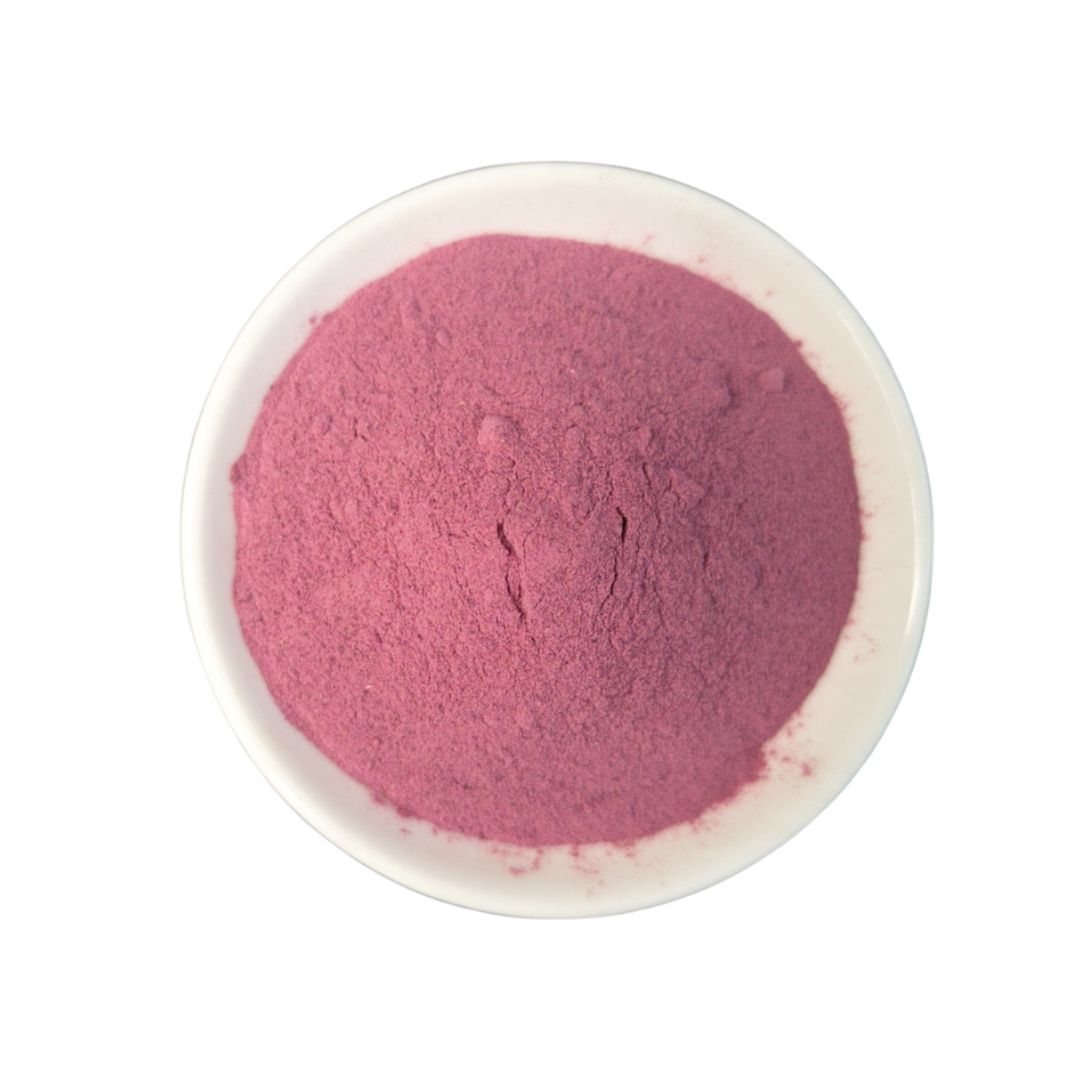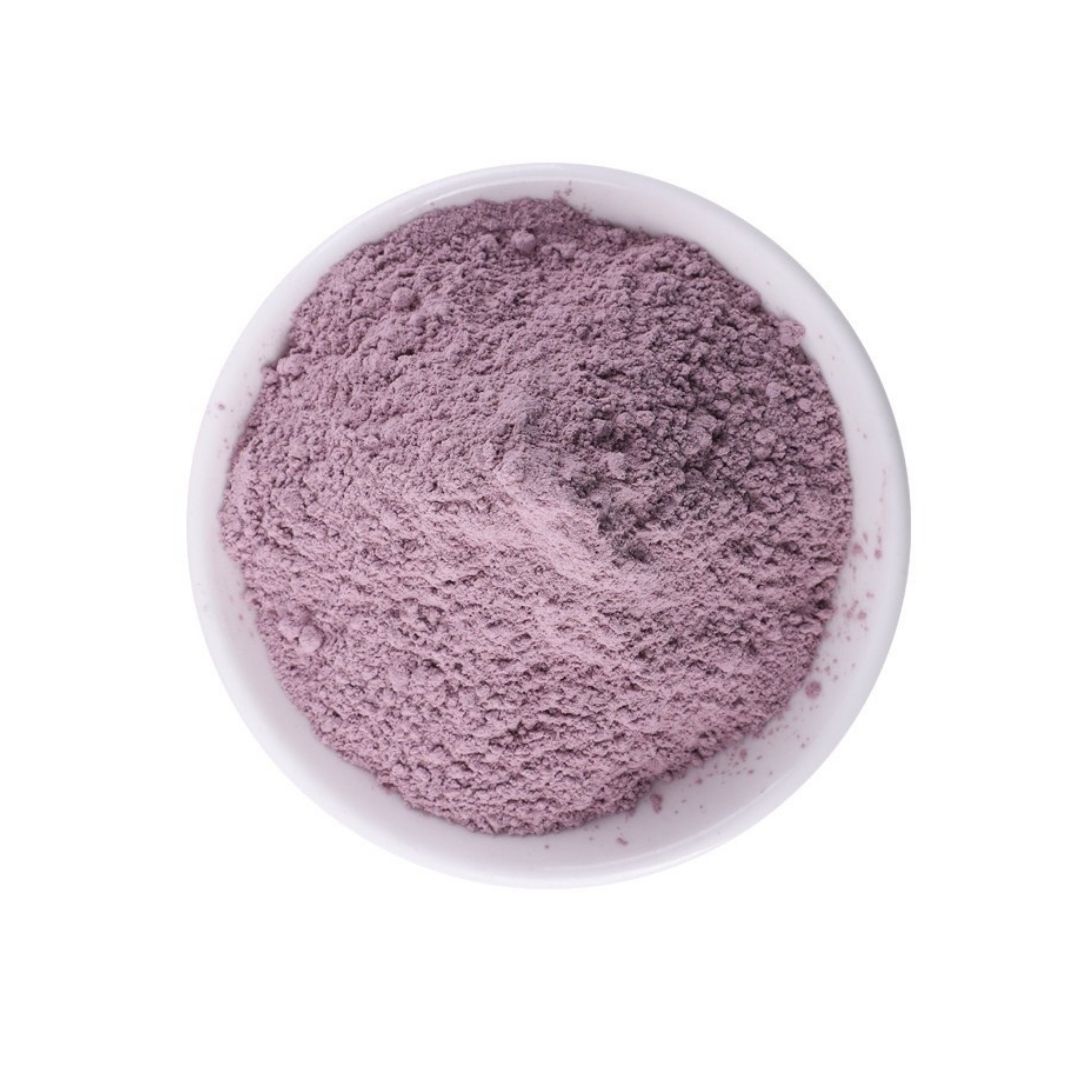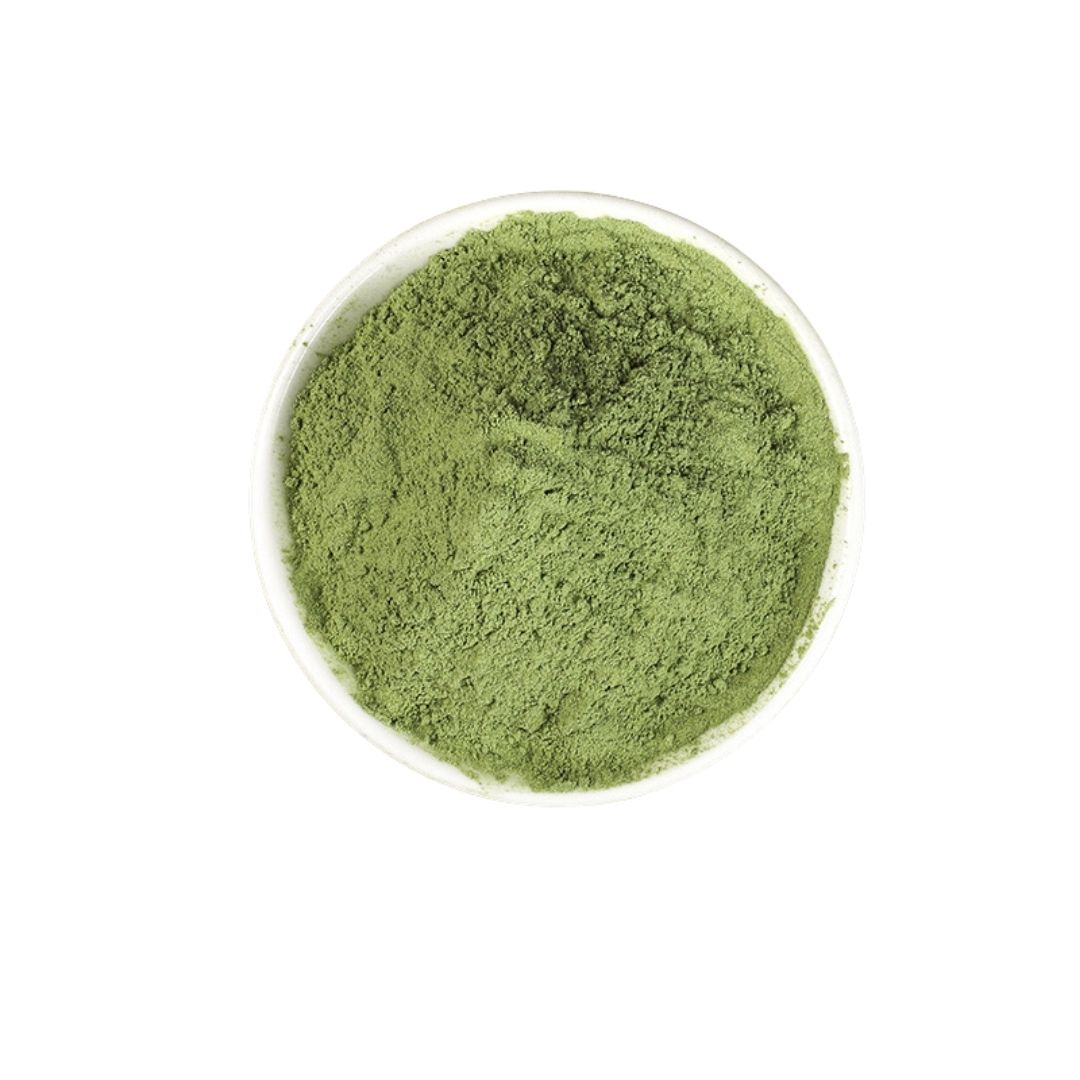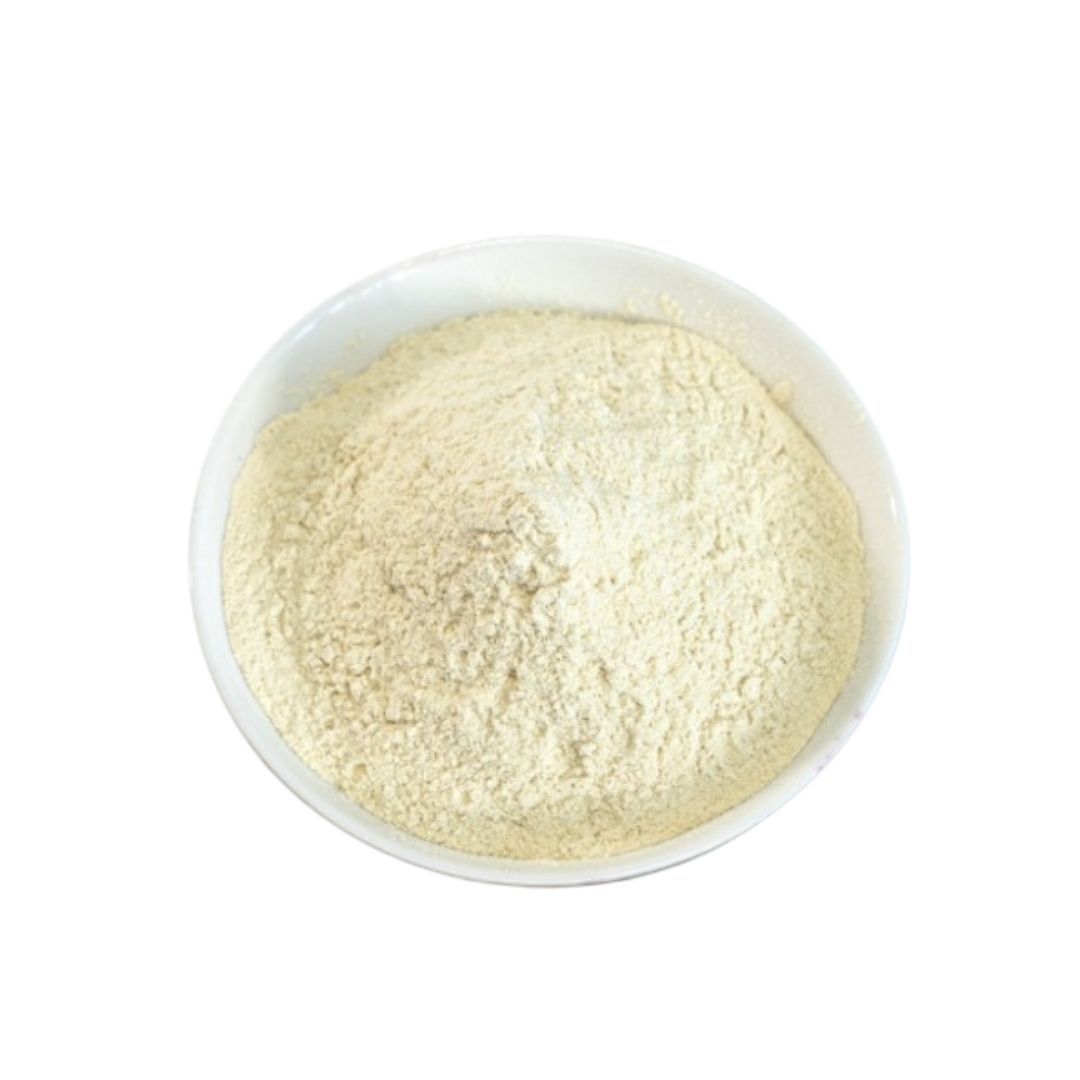


Product Introduction
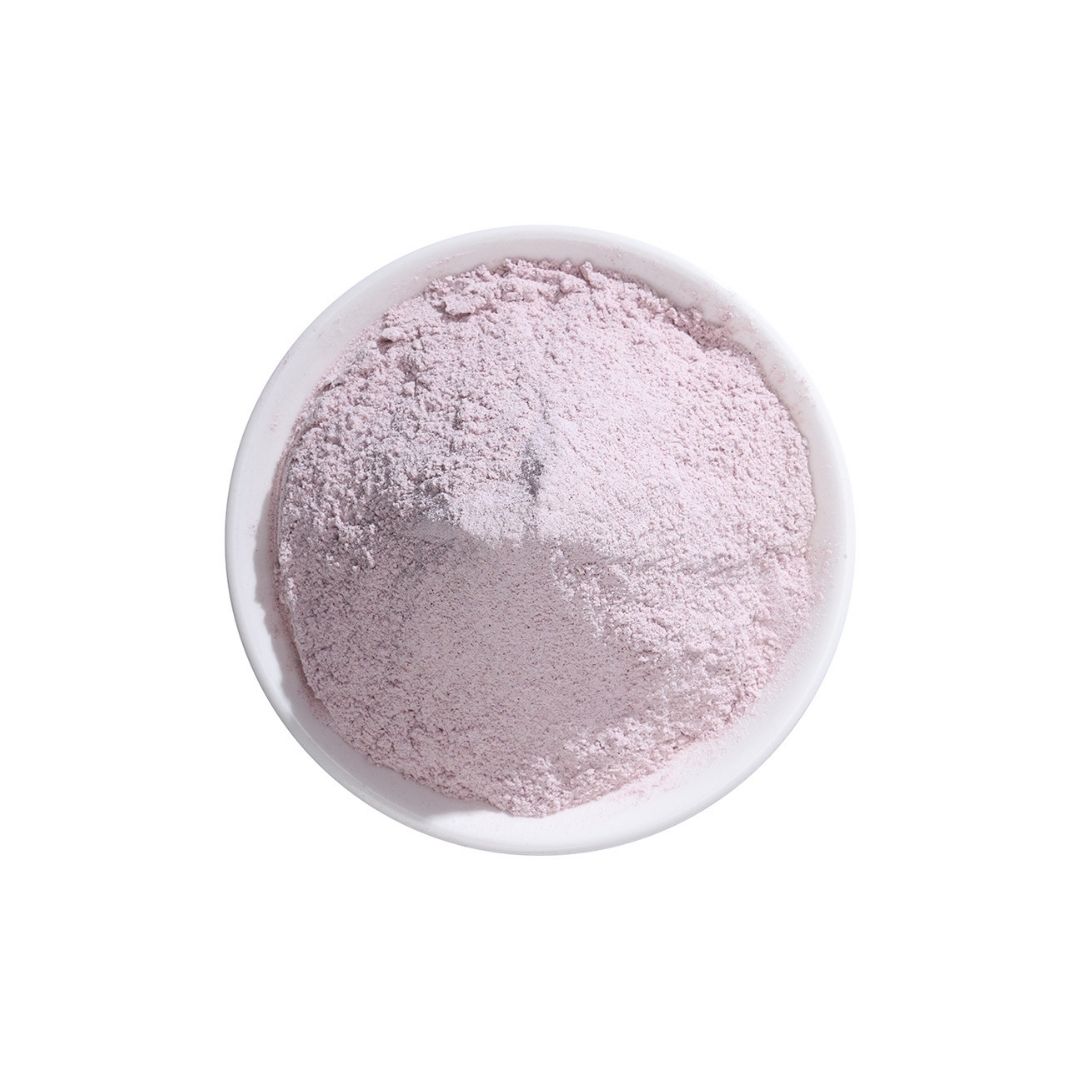
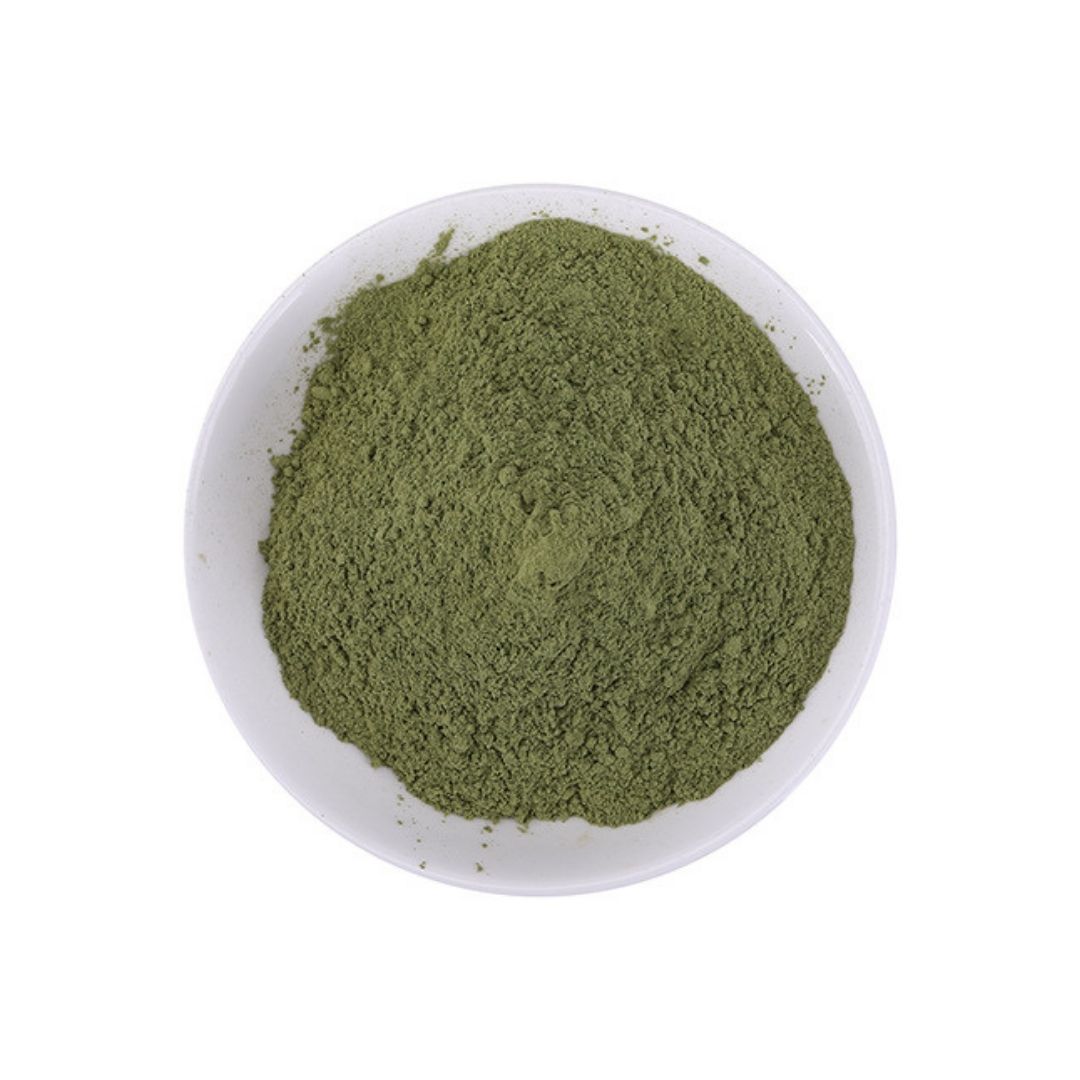
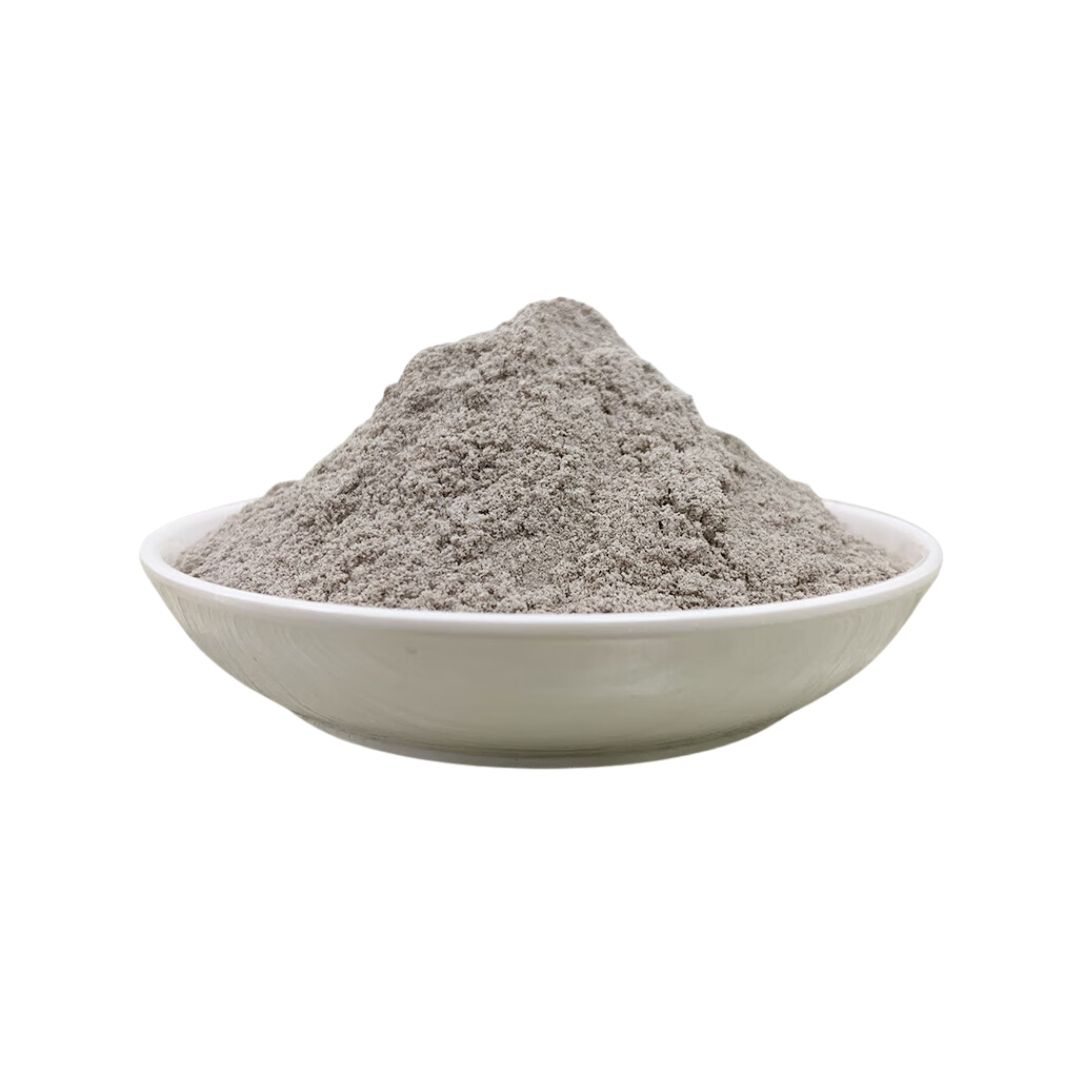
Grass jelly powder is a product primarily composed of extracts from the Mesona chinensis plant, a member of the mint family typically grown in Southeast Asia and East Asia [1]. The primary component responsible for its gelling properties is the polysaccharide within the plant's leaves and stems [2]. This powder is used to create grass jelly, a popular dessert known for its slightly bitter taste and cooling properties. It serves as a base for various refreshing drinks and desserts, especially during hot weather. The powder simplifies the traditional preparation method, making it more accessible for home and commercial use.
Production Process
The production of grass jelly powder involves several key steps. First, the Mesona chinensis plants are harvested, and the leaves and stems are dried and processed. Next, the dried plant material is boiled for an extended period, sometimes with the addition of starch, to extract the gelling substances. The resulting liquid is then filtered and dehydrated into a powder form [3]. This powder is then packaged and sold as grass jelly powder, which can be reconstituted with water and heated to form the familiar jelly consistency. Quality control measures ensure the powder retains the characteristic flavor and gelling properties of traditional grass jelly.
Nutrition Facts
While specific nutritional content can vary between brands, grass jelly, in general, is low in calories. It contains trace amounts of essential minerals. Grass jelly is mainly consumed for its cooling effects and unique texture rather than its nutritional value. Calorie values are insignificant, with a 100g serving containing approximately 20 calories [4].
Product Components and Benefits
The main functional component of grass jelly is a polysaccharide derived from the Mesona chinensis plant, which gives the jelly its characteristic texture and gelling properties [2]. Although not particularly rich in nutrients, grass jelly is often consumed for its cooling properties and potential health benefits such as relieving heat and aiding digestion [5]. Some studies suggest that compounds in Mesona chinensis may possess antioxidant and anti-inflammatory properties, offering potential health advantages [6].
Product Applications
Grass jelly powder is versatile and widely used in various culinary applications. It is most commonly used to make grass jelly, which is a staple in refreshing drinks and desserts. The prepared jelly can be cubed and added to beverages such as iced tea, milk tea, and various sweet soups. It is also used in desserts, often combined with fruits, sweeteners, and other toppings. In some traditional medicinal practices, grass jelly is consumed for its cooling and detoxifying effects [5]. Its ease of preparation and versatility make grass jelly powder a popular ingredient in both home kitchens and commercial food service.
Citations:
[1] Lu, L., et al. "Chemical composition and antioxidant activity of Mesona chinensis Benth." Journal of Food Biochemistry 42.5 (2018): e12560.
[2] Taib, M., et al. "Extraction and characterization of polysaccharide gum from Mesona chinensis." Food Hydrocolloids 79 (2018): 487-494.
[3] Shih, M. C., et al. "Optimization of the extraction conditions of polysaccharides from Mesona procumbens Hemsl using response surface methodology." Journal of Food Processing and Preservation 43.9 (2019): e14100.
[4] USDA FoodData Central. "Grass jelly, canned."
[5] Ooi, C. P., et al. "Traditional uses, phytochemistry, and pharmacology of Mesona chinensis Benth (Lamiaceae)." Journal of Ethnopharmacology 245 (2019): 112172.
[6] Liang, Y. C., et al. "Antioxidant and anti-inflammatory activities of water extracts of Mesona procumbens Hemsl." Journal of Ethnopharmacology 139.2 (2012): 606-612.

As a sales manager, I’m here to make sure you get exactly what you need for your dietary supplements. From sourcing to delivery, I’m always by your side, ensuring smooth and friendly service. Let’s make your products even better! 🥰🌿