

Product Introduction
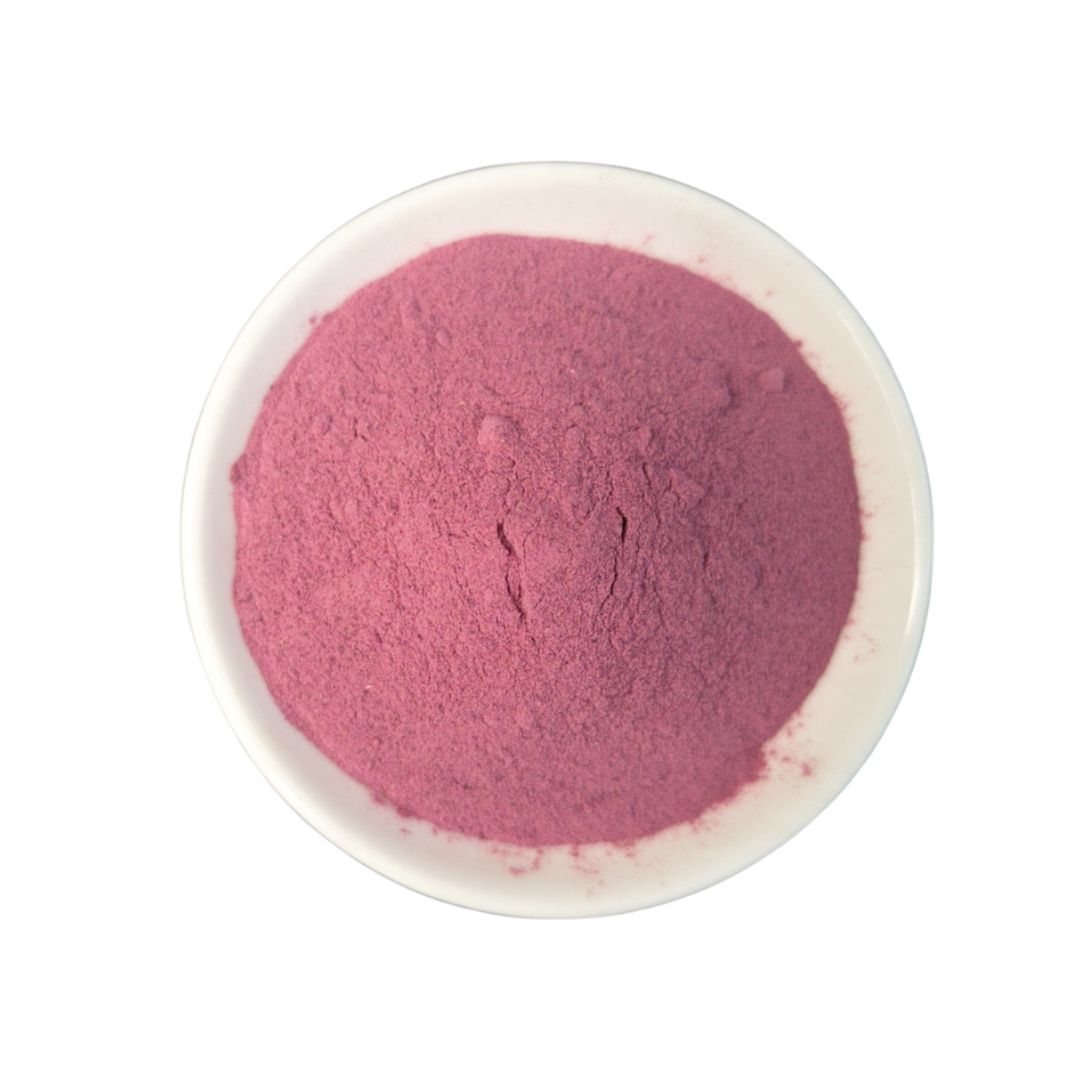
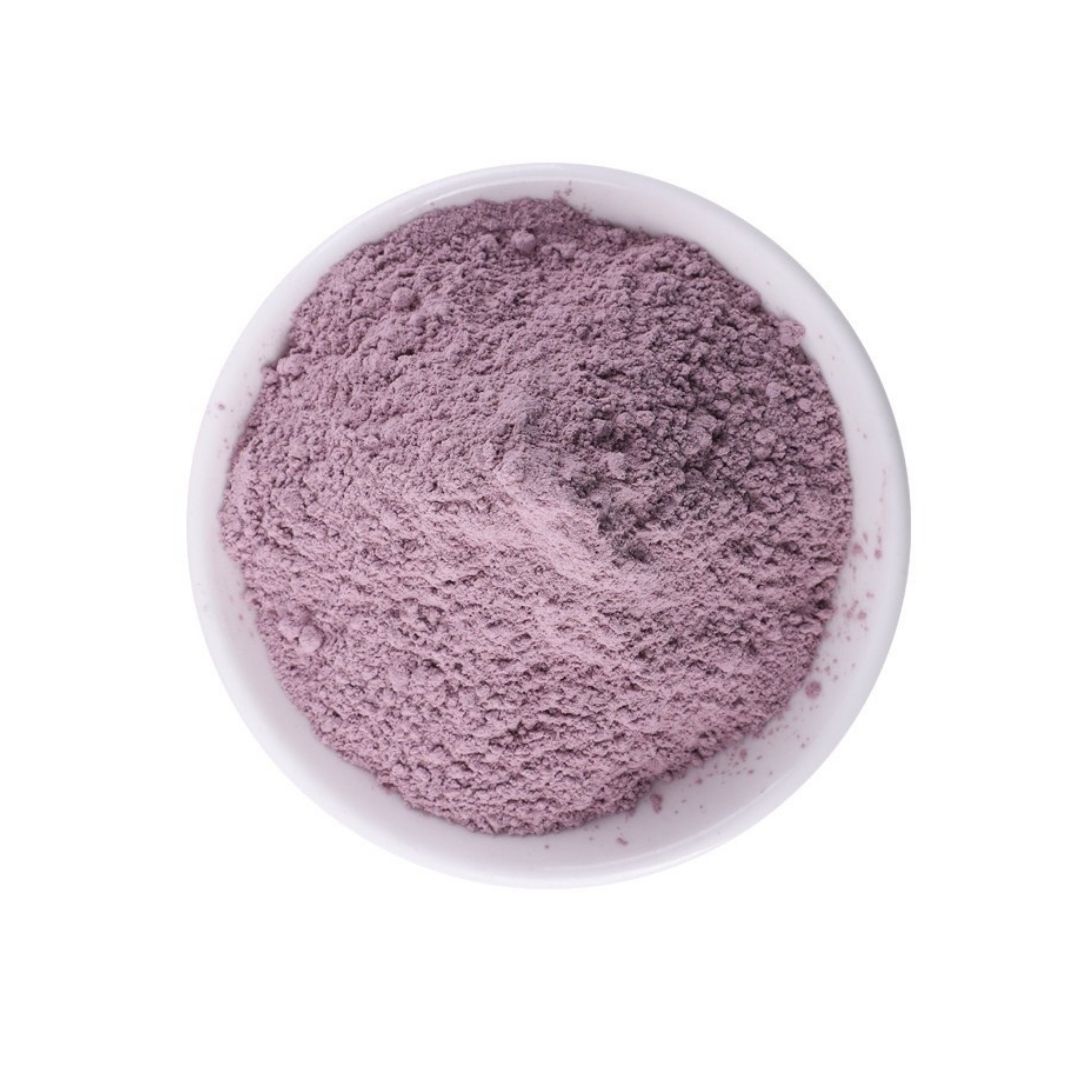
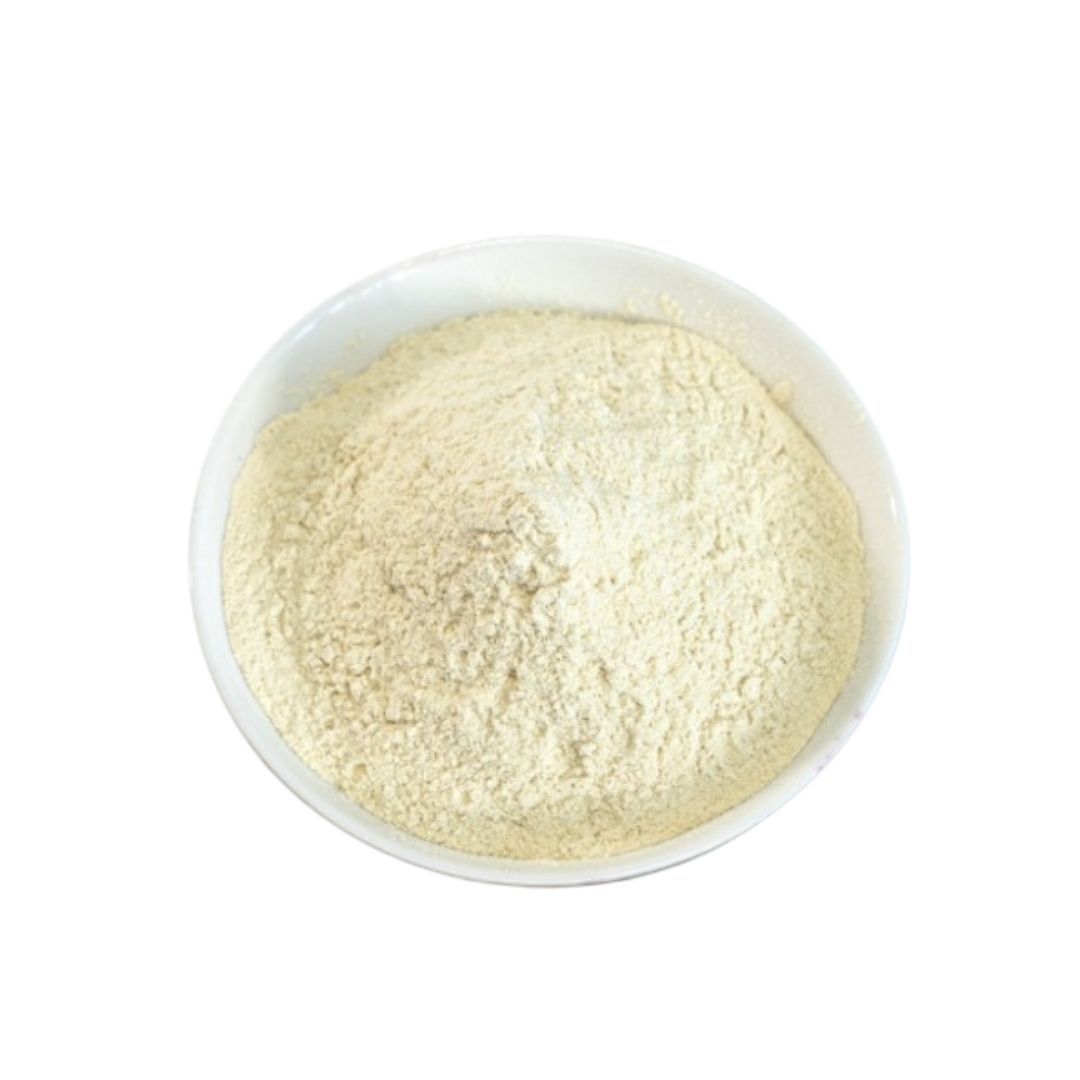
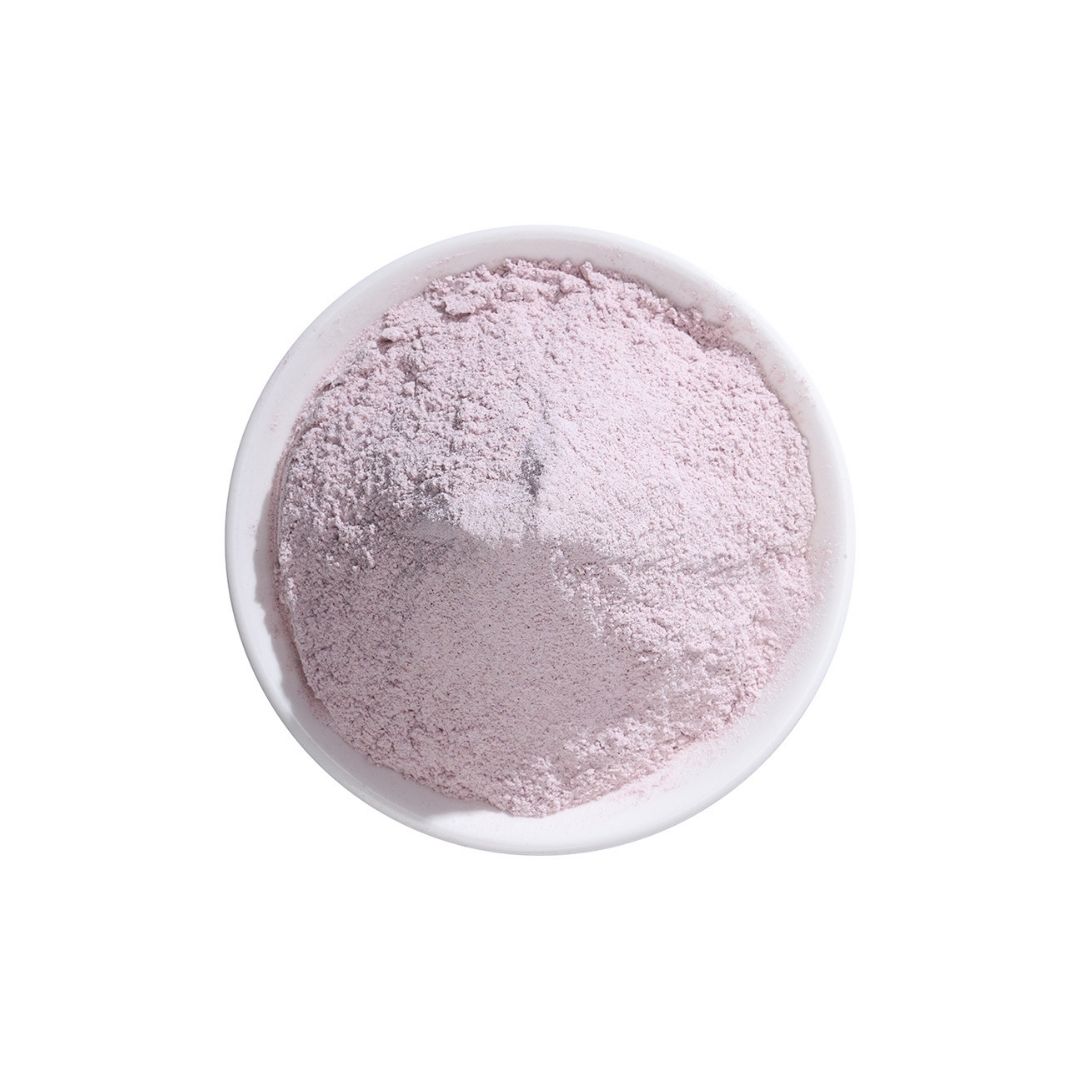
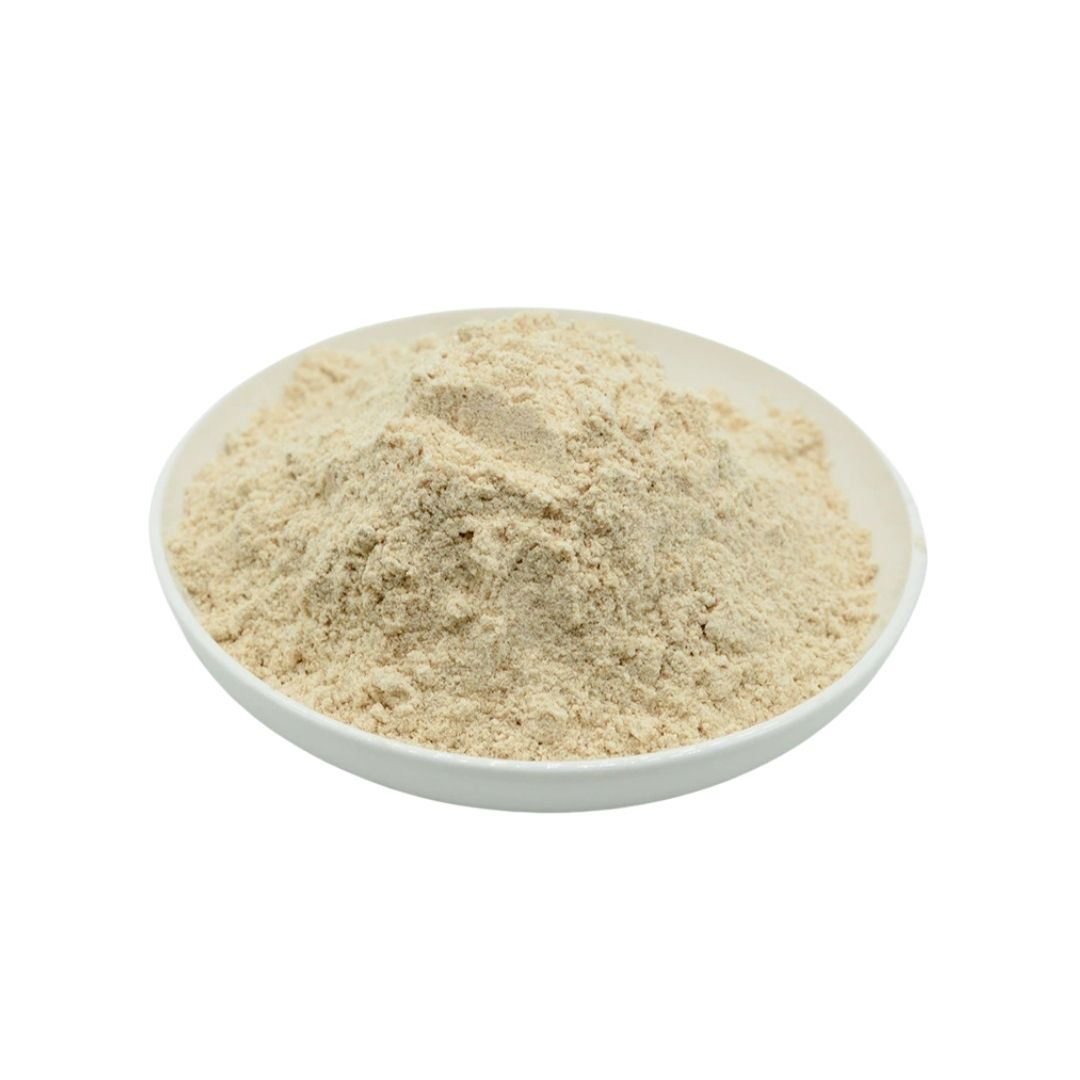
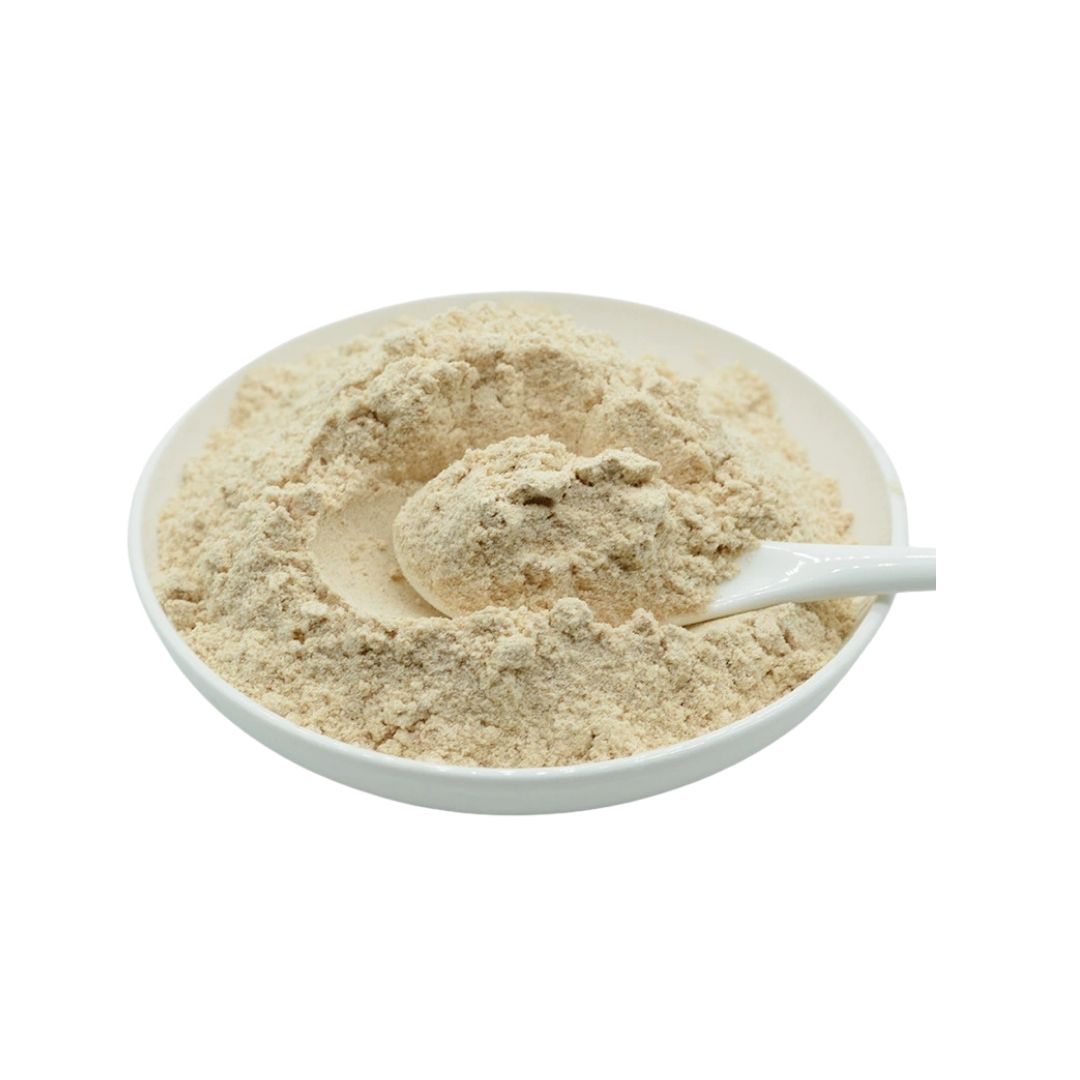
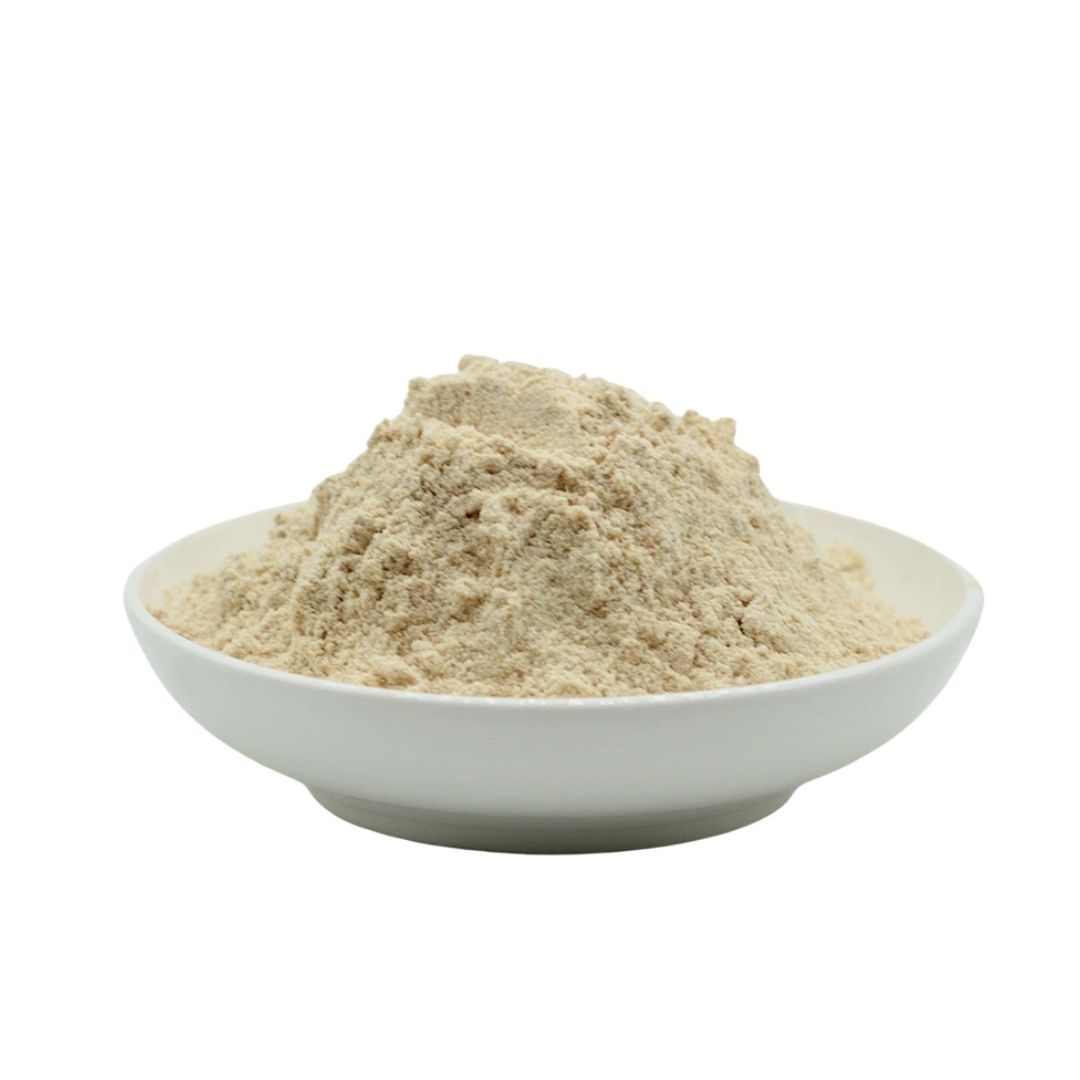
Roasted barley flour is derived from barley grains that undergo a roasting process. This flour retains key components found in barley, such as complex carbohydrates, dietary fiber, protein, vitamins, and minerals. It is mainly sourced from North America, Europe, and Asia. Generally, it is used in baking, beverages, traditional dishes, and as a nutritional supplement.
Production Process
The production of roasted barley flour involves several steps. It starts with the selection of high-quality barley grains. These grains are cleaned to remove impurities. After cleaning, the grains are roasted, usually in a controlled environment to achieve the desired color and flavor. The roasted barley is then milled into a fine flour using industrial milling equipment. Finally, the flour is packaged to preserve its freshness and prevent contamination.
Nutrition Facts
A typical nutritional profile for 100 grams of roasted barley flour:
- Calories: 340-360 kcal
- Carbohydrates: 70-75 grams
- Dietary Fiber: 15-17 grams
- Protein: 10-12 grams
- Fat: 2-3 grams
- Vitamins: Significant amounts of B vitamins
- Minerals: Including magnesium, phosphorus, and selenium
The values listed can vary based on factors like processing and barley variety.
Product Components and Benefits
- Complex Carbohydrates: Roasted barley flour is a good source of complex carbohydrates that provide a steady release of energy, which helps maintain stable blood sugar levels.
- Dietary Fiber: The high fiber content in roasted barley flour supports digestive health. Fiber adds bulk to the diet, which can prevent constipation and promote regular bowel movements. It also contributes to feelings of fullness, which may aid in weight management.
- Protein: It contains a notable amount of protein, which is essential for building and repairing tissues, supporting immune function, and producing enzymes and hormones.
- B Vitamins: The B vitamins in roasted barley flour, such as niacin, thiamin, and riboflavin, play a crucial role in energy metabolism. They help convert food into energy and support nerve function.
- Minerals: Roasted barley flour provides essential minerals, including magnesium, phosphorus, and selenium. Magnesium is important for muscle and nerve function, phosphorus for bone health, and selenium as an antioxidant that protects cells from damage.
Product Applications
Roasted barley flour has several applications:
- Baking: It can be used in bread, muffins, and pancakes, yielding a slightly nutty flavor and denser texture.
- Beverages: In some cultures, it is used as a coffee substitute. Roasted barley tea is also a common beverage known for its mild flavor and health benefits as well.
- Traditional Dishes: It is used in various traditional dishes, providing a unique taste and nutritional boost, and is often found in soups and stews for added thickness and flavor.
- Nutritional Supplement: Roasted barley flour can be added to smoothies or shakes to enhance their nutritional content.
Citations
- Anderson, J. W., et al. "Health implications of dietary fiber." Nutrition Reviews 56.1 (1998): 1-18.
- Baik, B. K., and K. J. Ullrich. "Barley for food: Trends and prospects." Cereal Foods World 53.1 (2008): 4-9.
- FAO. "Barley in human nutrition." Food and Agriculture Organization of the United Nations, 1995.

As a sales manager, I’m here to make sure you get exactly what you need for your dietary supplements. From sourcing to delivery, I’m always by your side, ensuring smooth and friendly service. Let’s make your products even better! 🥰🌿