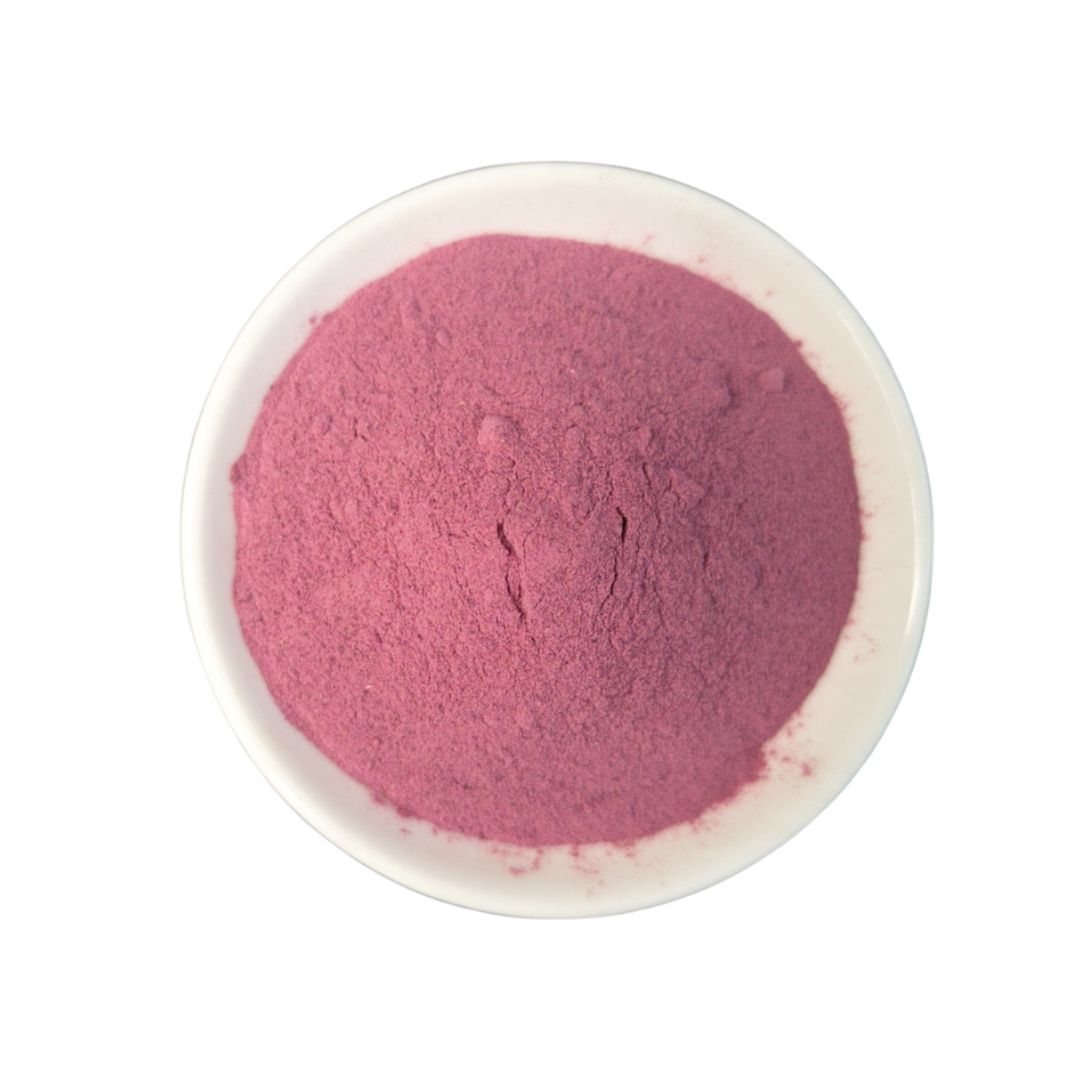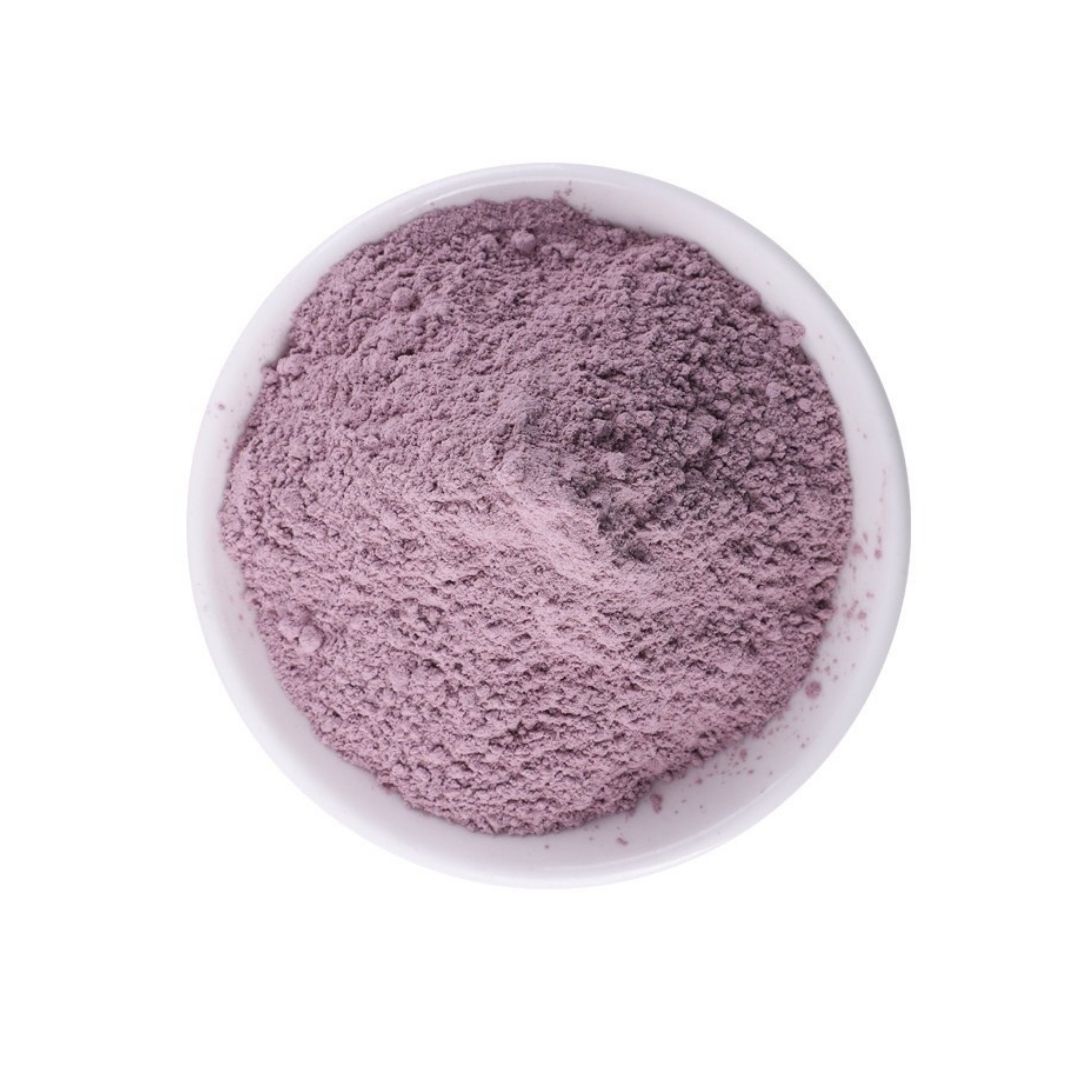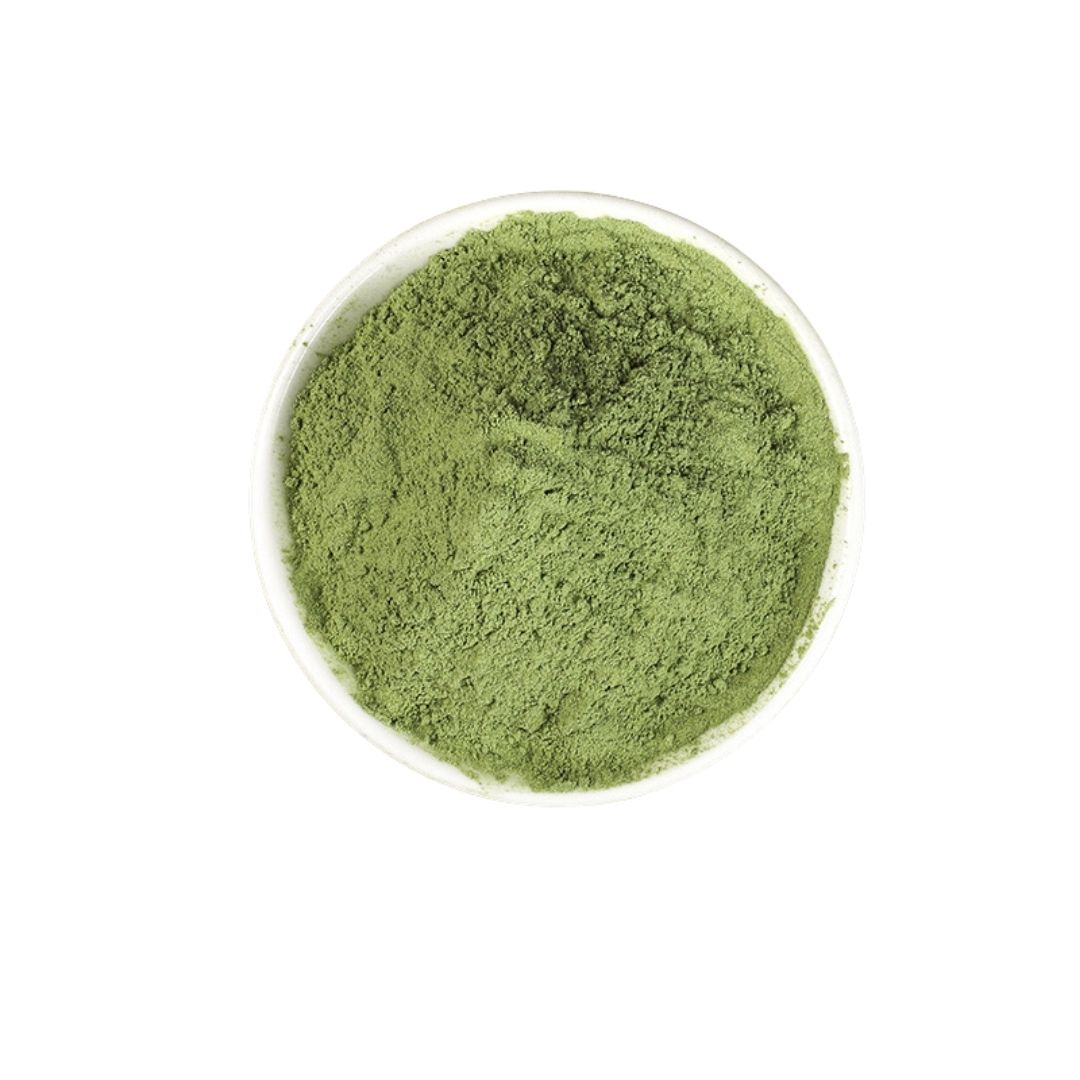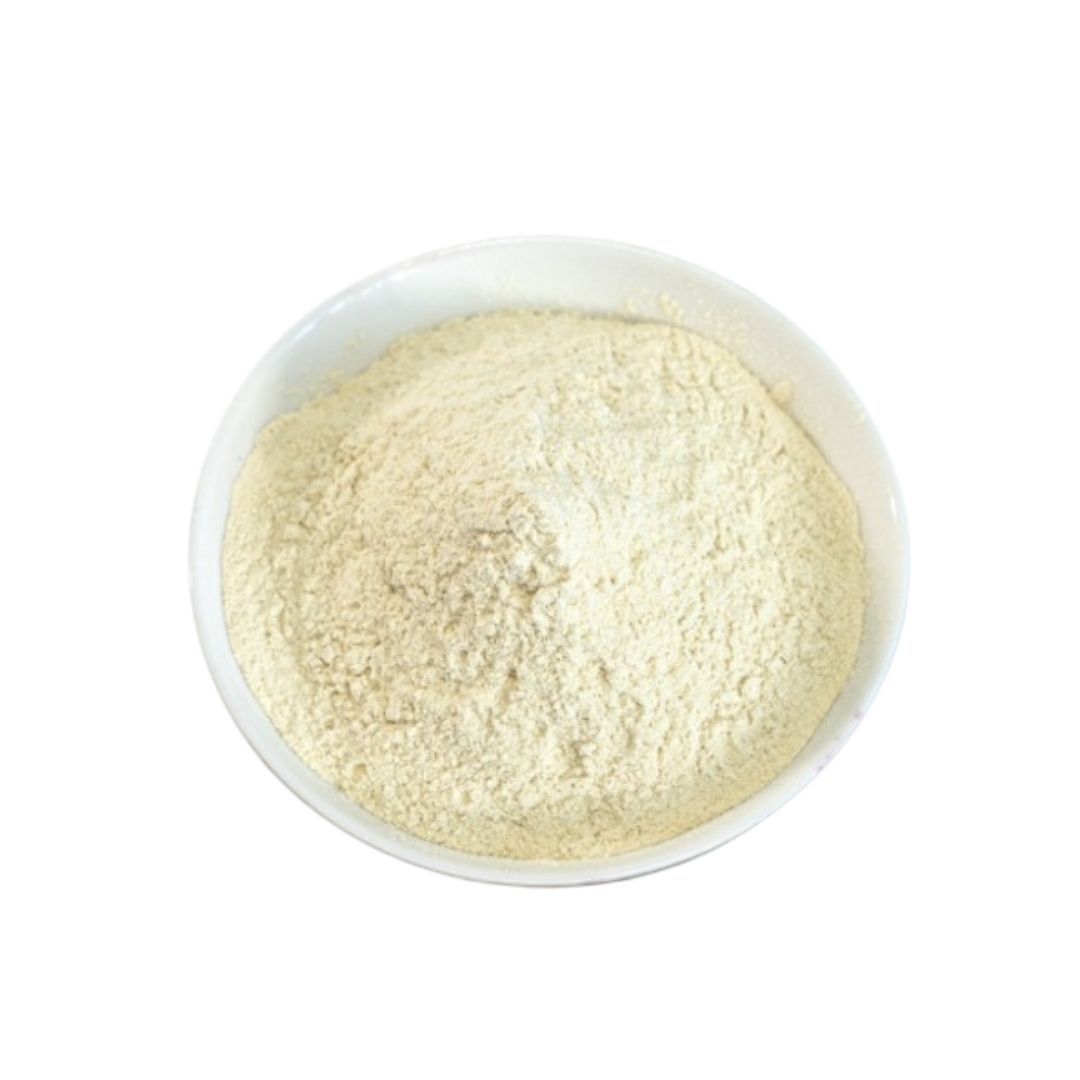
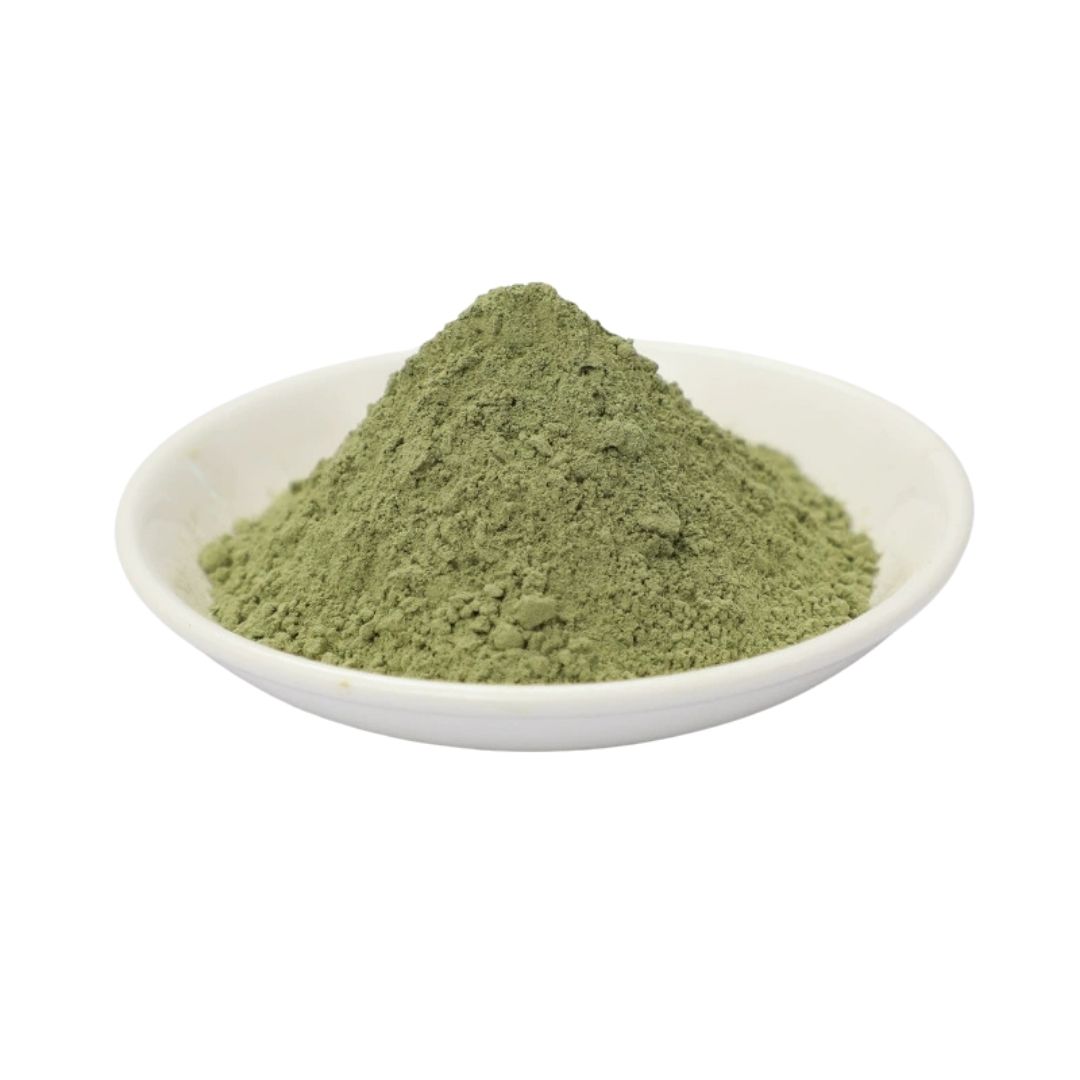


Product Introduction
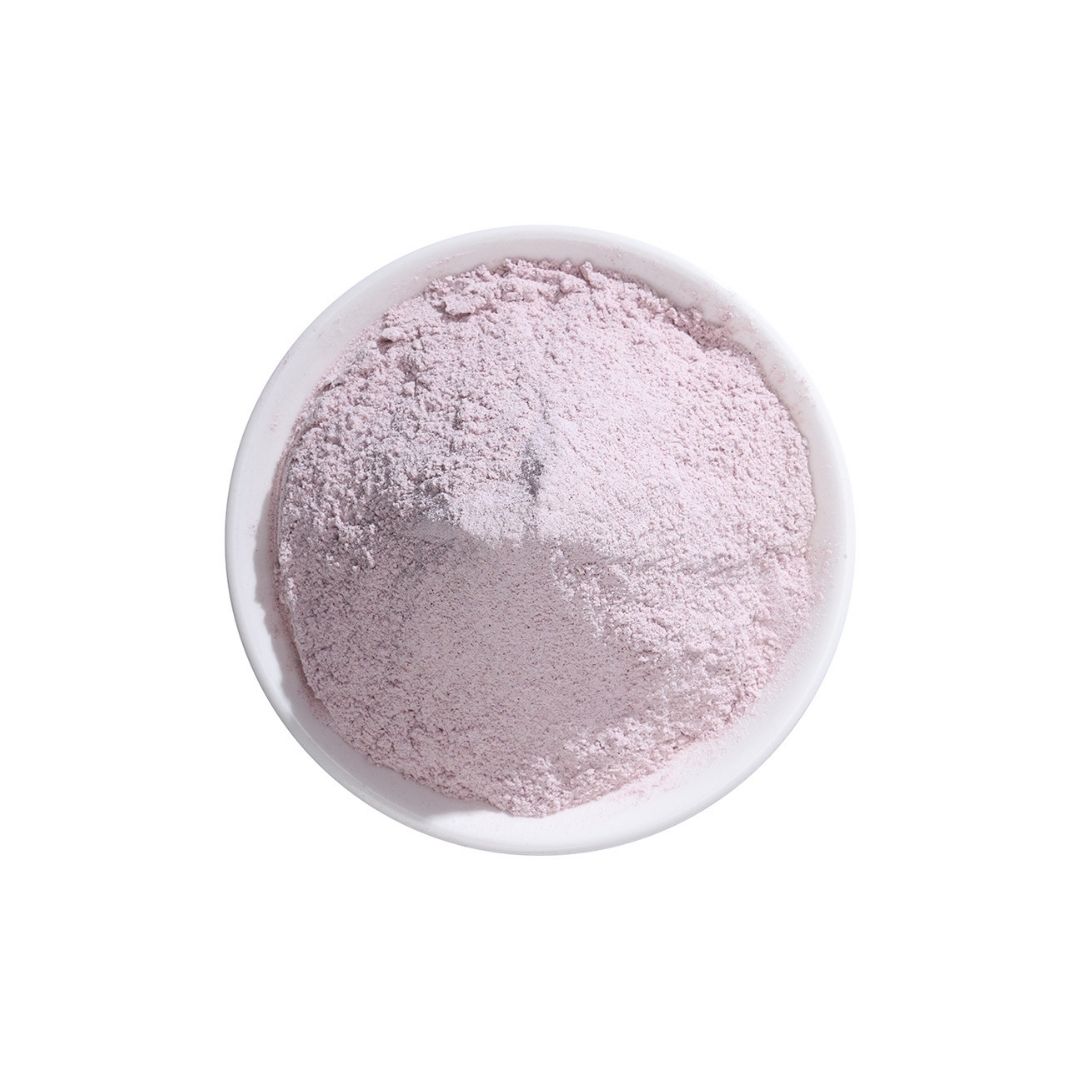
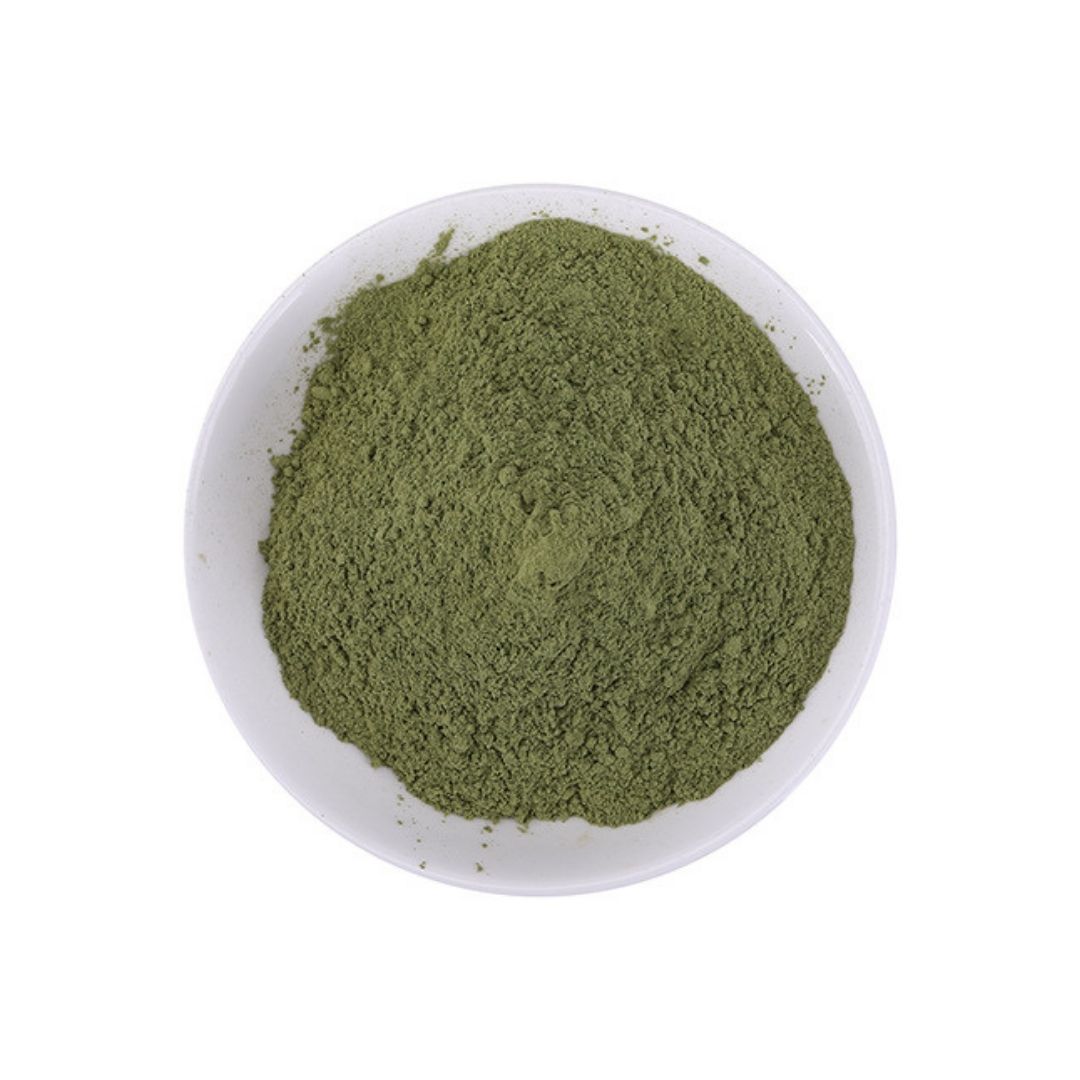
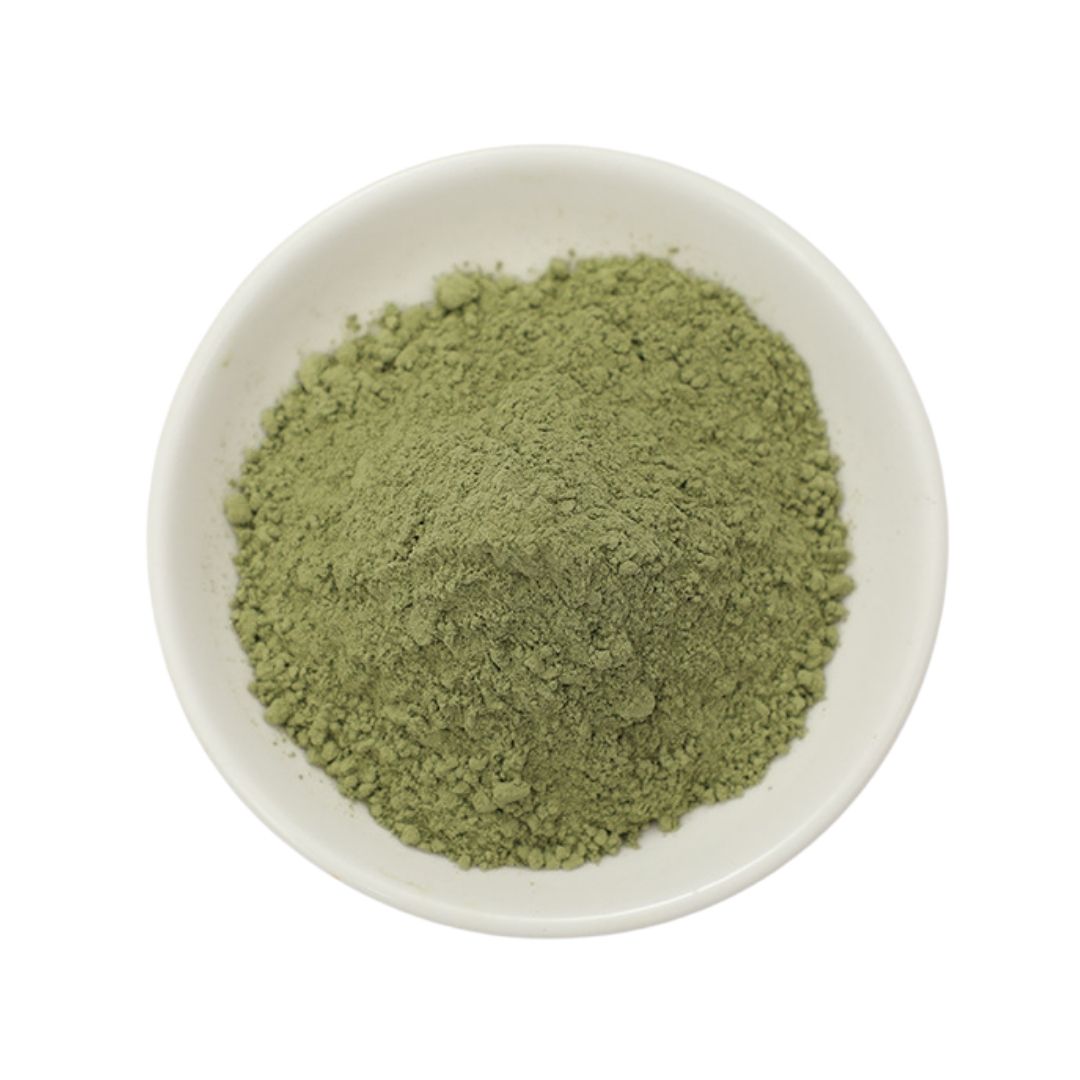
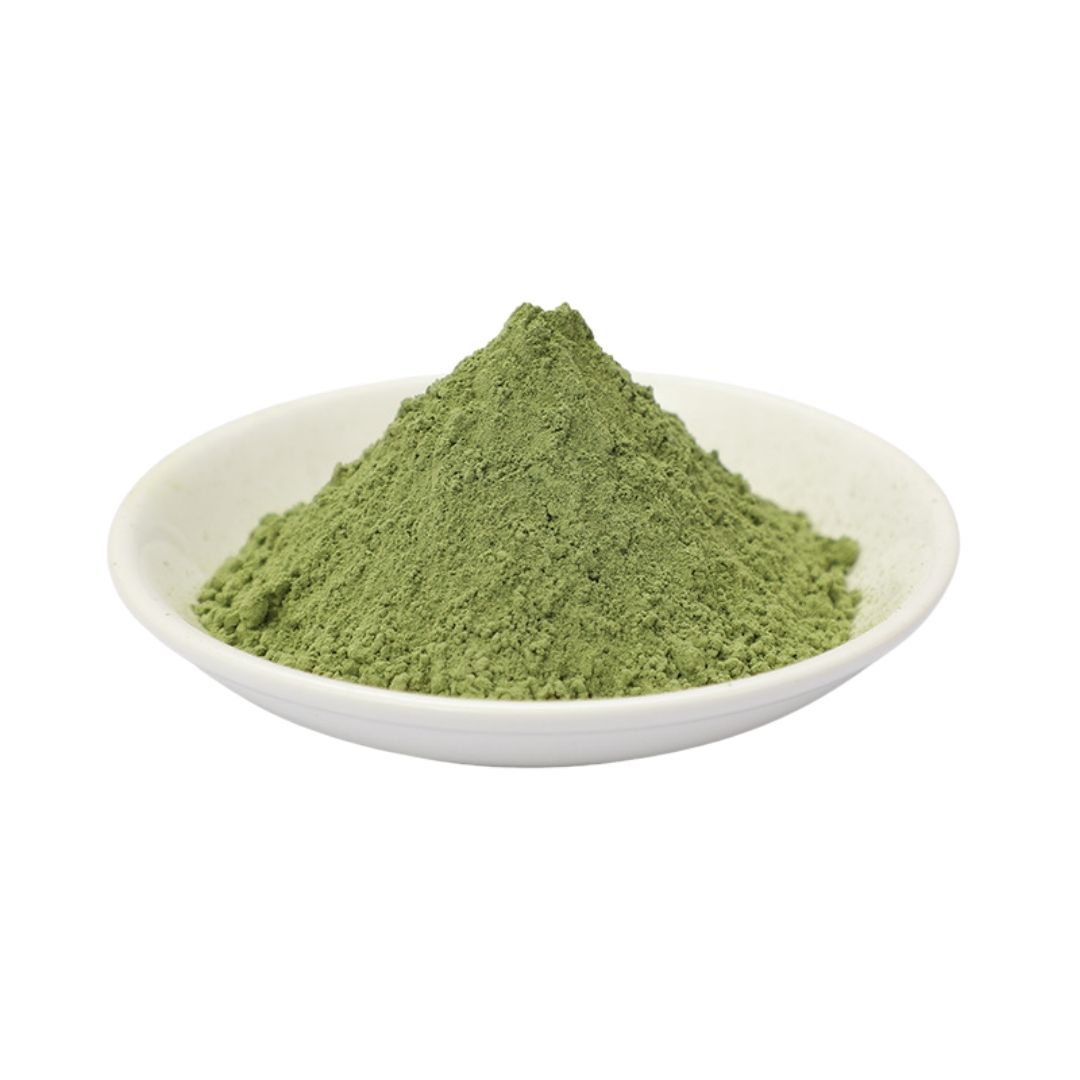
Coriander powder is derived from the dried seeds of the Coriandrum sativum plant, commonly known as coriander. This plant is native to the Mediterranean region, but now widely cultivated across the globe. The seeds are harvested, dried, and then ground into a fine powder. Coriander powder is a staple spice in many cuisines, including Indian, Middle Eastern, and Asian dishes, appreciated for its warm, citrusy flavor and aromatic qualities [1]. It offers both culinary and potential health benefits, stemming from its rich composition.
Production Process
The production of coriander powder involves several key steps:
- Harvesting: The coriander seeds are harvested when the plant is mature and the seeds turn brown [2].
- Drying: After harvesting, the seeds are dried under the sun or using mechanical dryers to reduce moisture content and prevent spoilage [3].
- Cleaning: The dried seeds are cleaned to remove any impurities such as stalks, leaves, and dirt [3].
- Grinding: The cleaned seeds are then ground into a fine powder using industrial grinders [3].
- Packaging: Finally, the coriander powder is packaged in airtight containers to maintain its freshness and prevent moisture absorption [3].
Nutrition Facts
A typical serving size of 1 teaspoon (approximately 2 grams) of coriander powder contains: [4]
- Calories: 5-6
- Protein: 0.2 grams
- Fat: 0.3 grams
- Carbohydrates: 1 gram
- Fiber: 0.4 grams
- Manganese: 3% of the Daily Value (DV)
- Iron: 1% of the DV
- Magnesium: 1% of the DV
- Vitamin C: 1% of the DV
- Calcium: 1% of the DV
Product Components and Benefits
Coriander powder is composed of various bioactive compounds that contribute to its potential health benefits:
- Essential Oils: Coriander seeds contain essential oils such as linalool, alpha-pinene, and geraniol, which contribute to its aroma and may have antioxidant properties [5].
- Antioxidants: Rich in antioxidants, coriander powder helps combat oxidative stress by neutralizing free radicals in the body [6].
- Dietary Fiber: The fiber content in coriander powder aids digestion and promotes gut health [7].
- Vitamins: Contains small amounts of vitamins like Vitamin C, which supports immune function [4].
- Minerals: Includes minerals like manganese, iron, and magnesium that are essential for various bodily functions [4].
Benefits include:
- Digestive Health: Coriander powder can help alleviate digestive issues such as bloating and indigestion [7].
- Blood Sugar Regulation: Some studies suggest that coriander may help lower blood sugar levels [8].
- Anti-inflammatory Properties: The antioxidants in coriander powder might have anti-inflammatory effects, potentially reducing the risk of chronic diseases [9].
- Antimicrobial Effects: Certain compounds in coriander may possess antimicrobial properties, which could help fight against certain infections [10].
Product Applications
Coriander powder has diverse applications, mainly in the culinary field but also in traditional medicine.
- Culinary Uses: It is a common ingredient in spice blends, curries, soups, stews, and rubs for meats, lending a warm, aromatic flavor [1].
- Traditional Medicine: In some traditional practices, coriander powder is used to aid digestion, reduce inflammation, and manage blood sugar levels [8].
- Flavoring Agent: Coriander powder can be added to baked goods, sauces, and beverages to enhance flavor [1].
- Garnish: It can also be used as a garnish for various dishes [1].
Citations:
[1] Peter KV. Handbook of Herbs and Spices. 2nd ed. Woodhead Publishing; 2012.
[2] Bown D. Encyclopedia of Herbs and their Uses. Dorling Kindersley; 1995.
[3] Parthasarathy VA, Chempakam B, Zachariah TJ. Chemistry of Spices. CABI; 2008.
[4] United States Department of Agriculture. FoodData Central. https://fdc.nal.usda.gov/. Accessed November 15, 2024.
[5] Lis-Balchin M. Aromatherapy Science: A Guide for Healthcare Professionals. Pharmaceutical Press; 2006.
[6] Mandal S, Mandal M. Coriander (Coriandrum sativum L.) essential oil: Chemistry and biological activity. Asian Pac J Trop Biomed. 2014;4(Suppl 1):S266-S272.
[7] Kapoor S. Plant-Based Diet for Digestive Health: Improve Your Digestion and Gut Health with Plant-Based Foods. Callisto Media; 2021.
[8] Eidi M, Eidi A, Esmaeili E. Antidiabetic effect of coriander (Coriandrum sativum L.) in streptozotocin-induced diabetic rats. J Ethnopharmacol. 2009;122(1):67-72.
[9] Hussain AI, Chatha SAS, Hussain F, et al. Promising features of coriander (Coriandrum sativum L.): a review. J Agric Sci Technol. 2012;14:1165-1172.
[10] Silva F, Domingues FC, Azevedo J, et al. Antimicrobial activity of coriander oil and its effectiveness as food preservative. Food Control. 2011;22(7):1076-1080.

As a sales manager, I’m here to make sure you get exactly what you need for your dietary supplements. From sourcing to delivery, I’m always by your side, ensuring smooth and friendly service. Let’s make your products even better! 🥰🌿