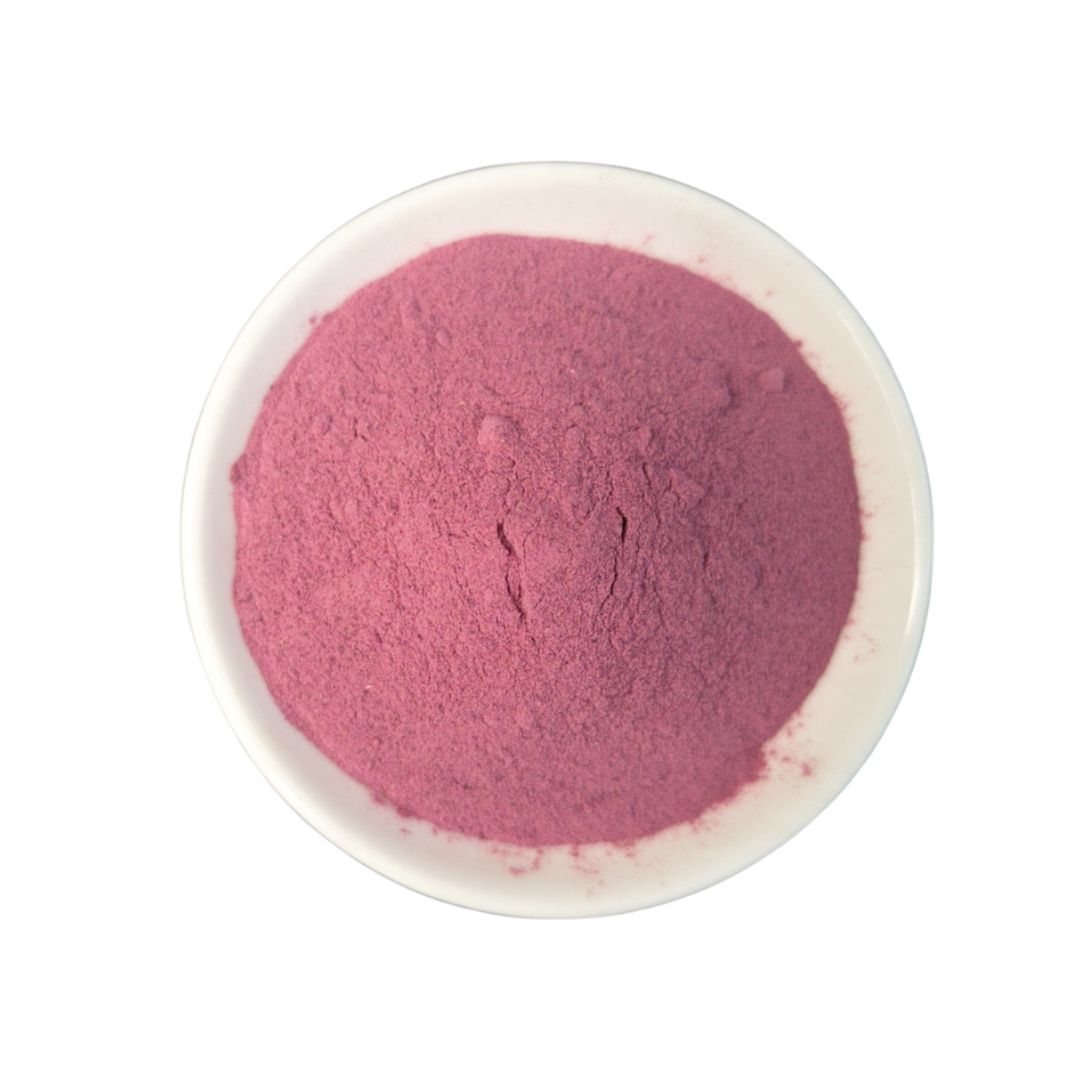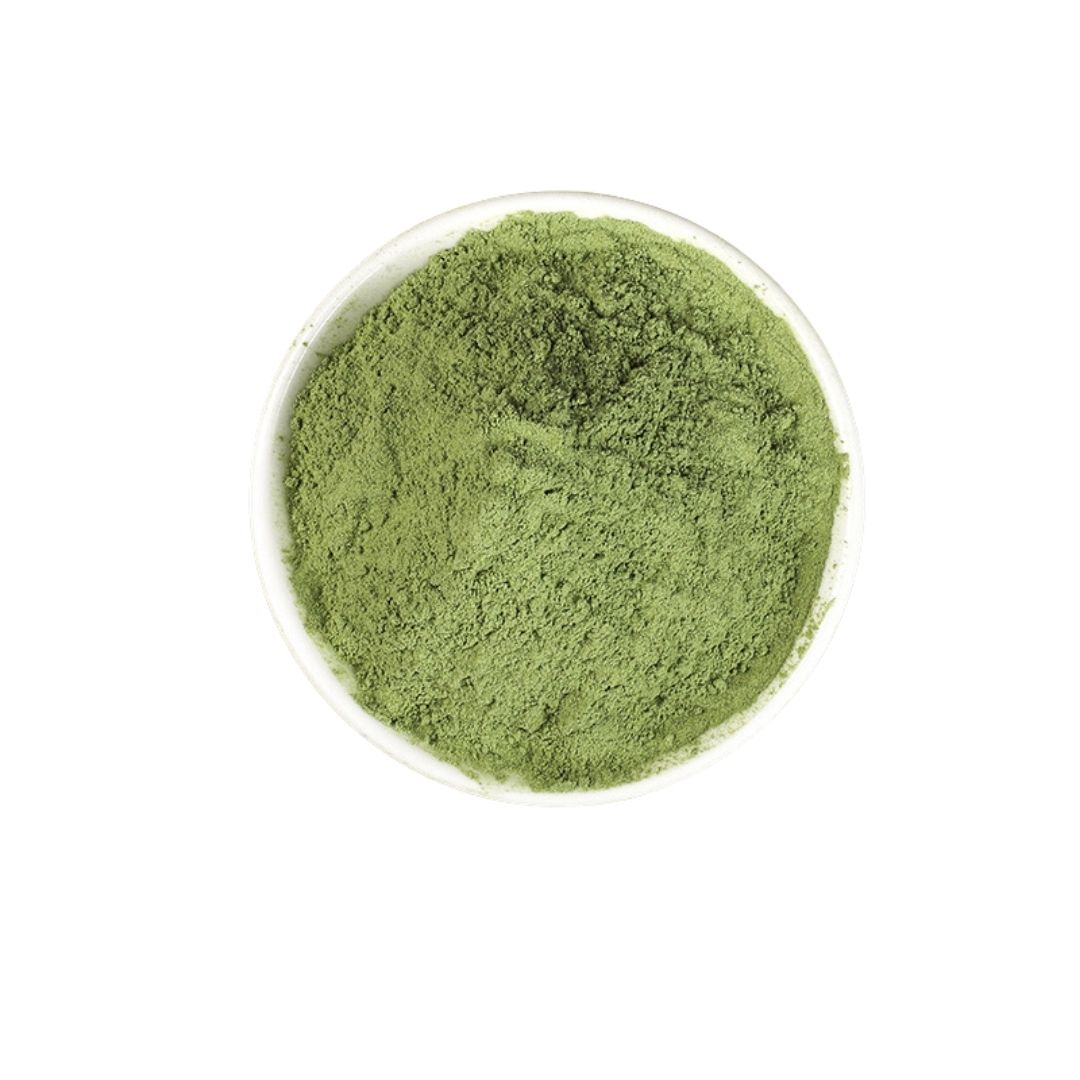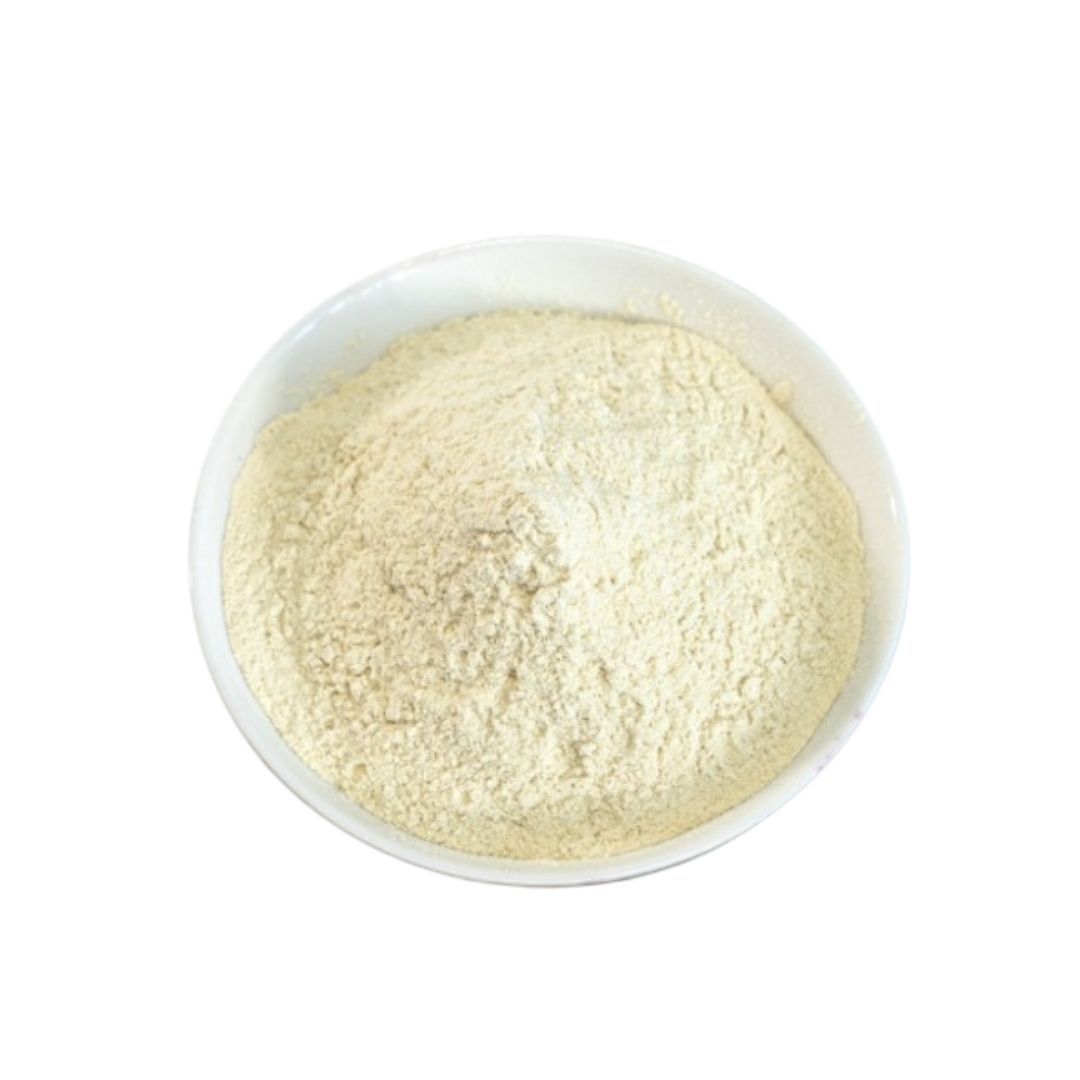


Product Introduction
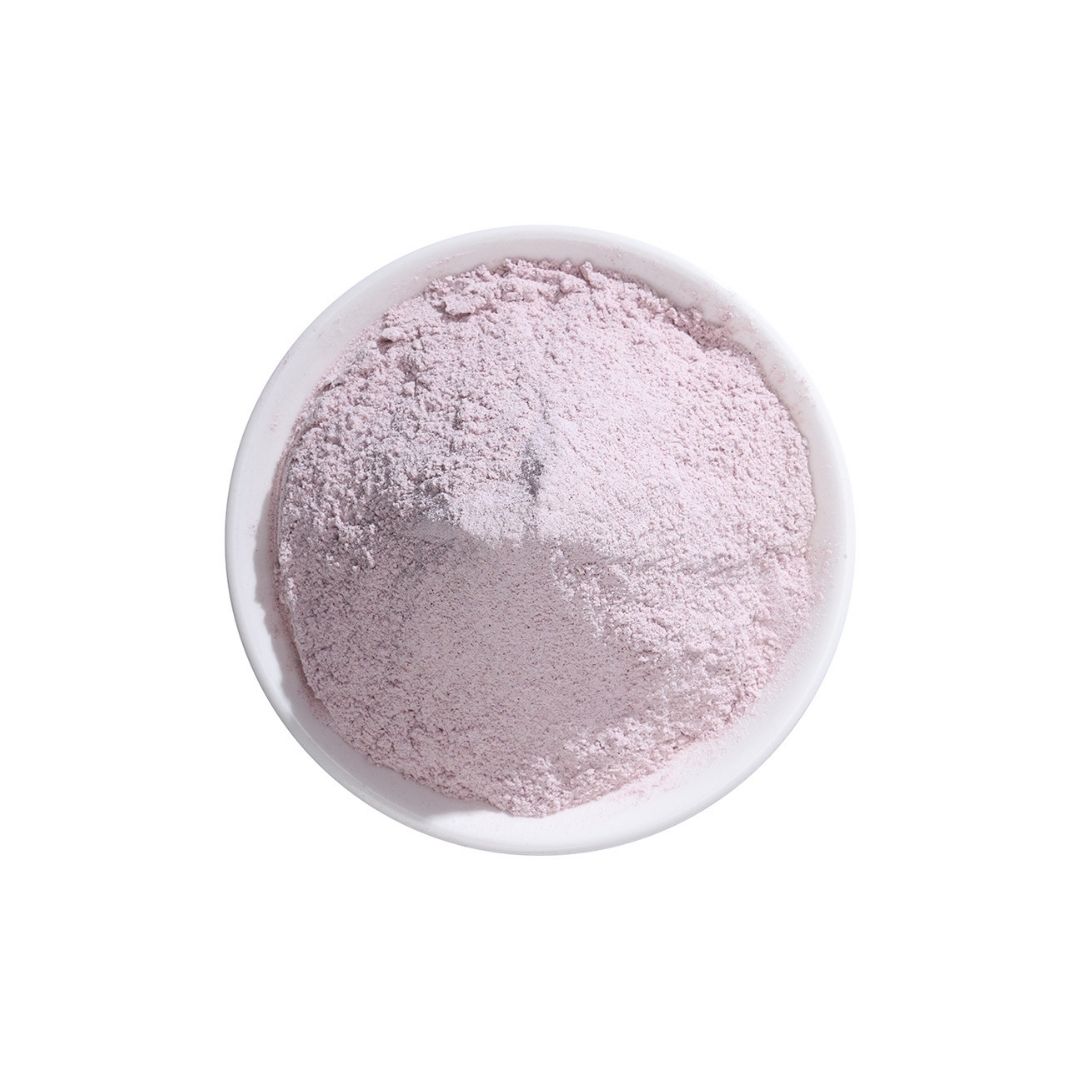
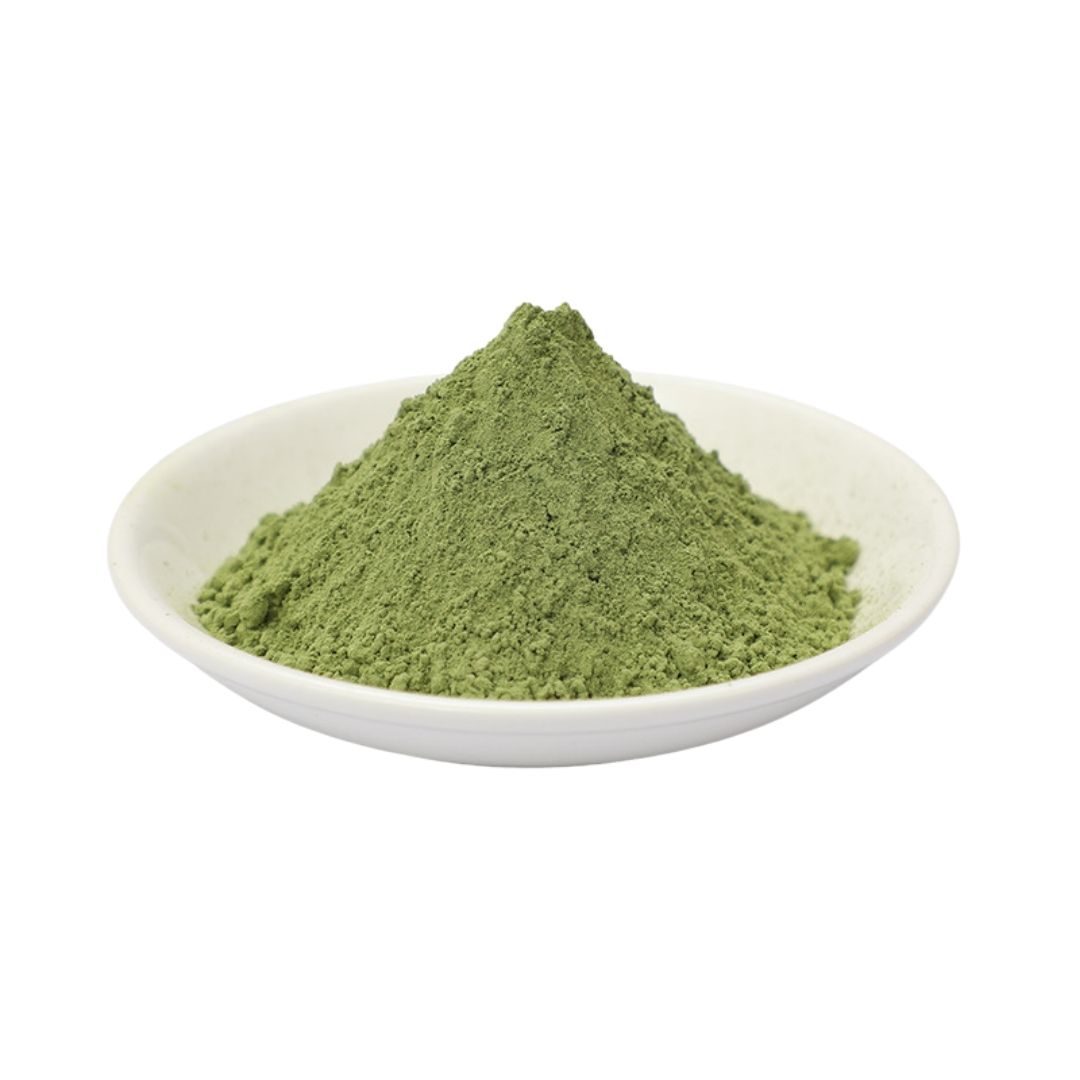
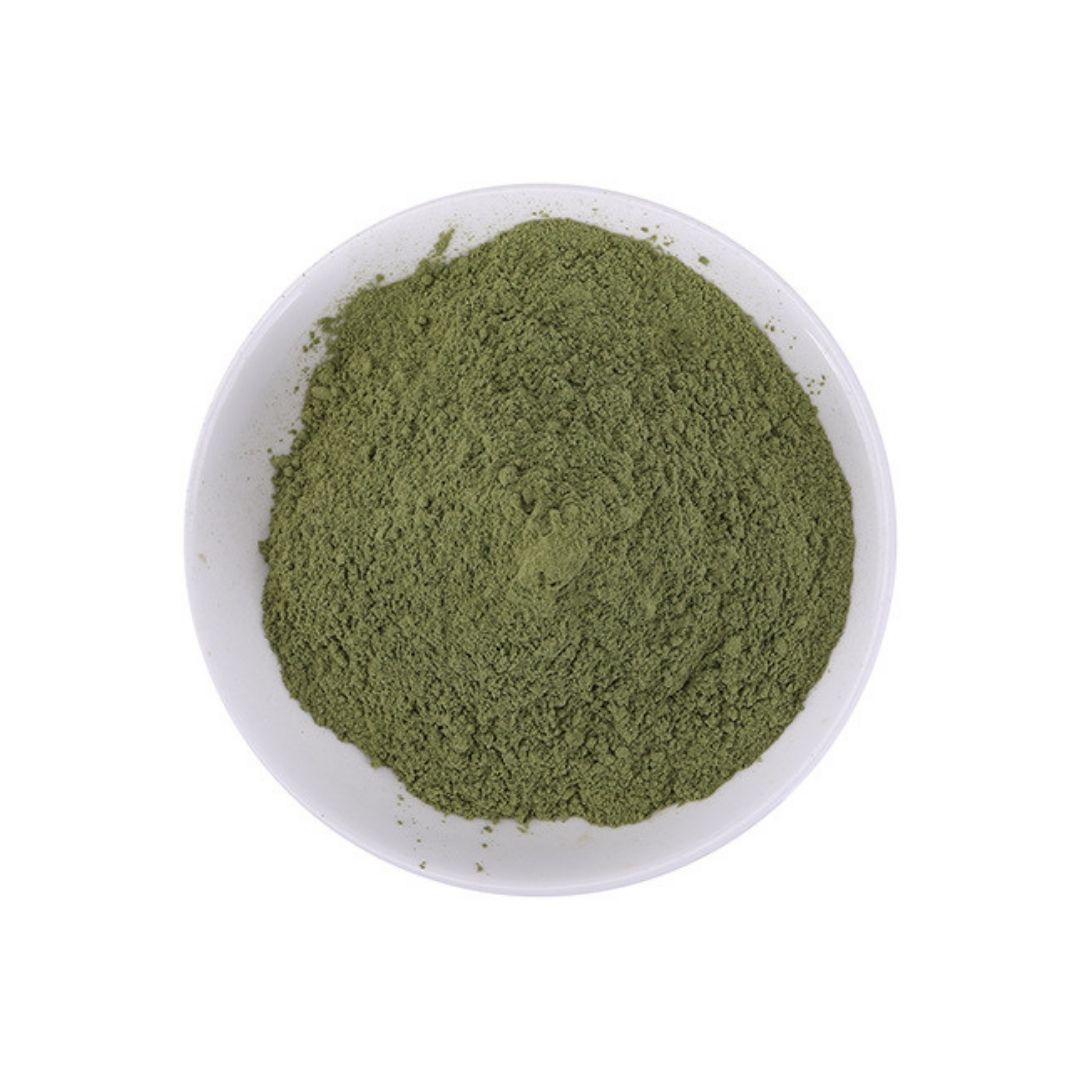
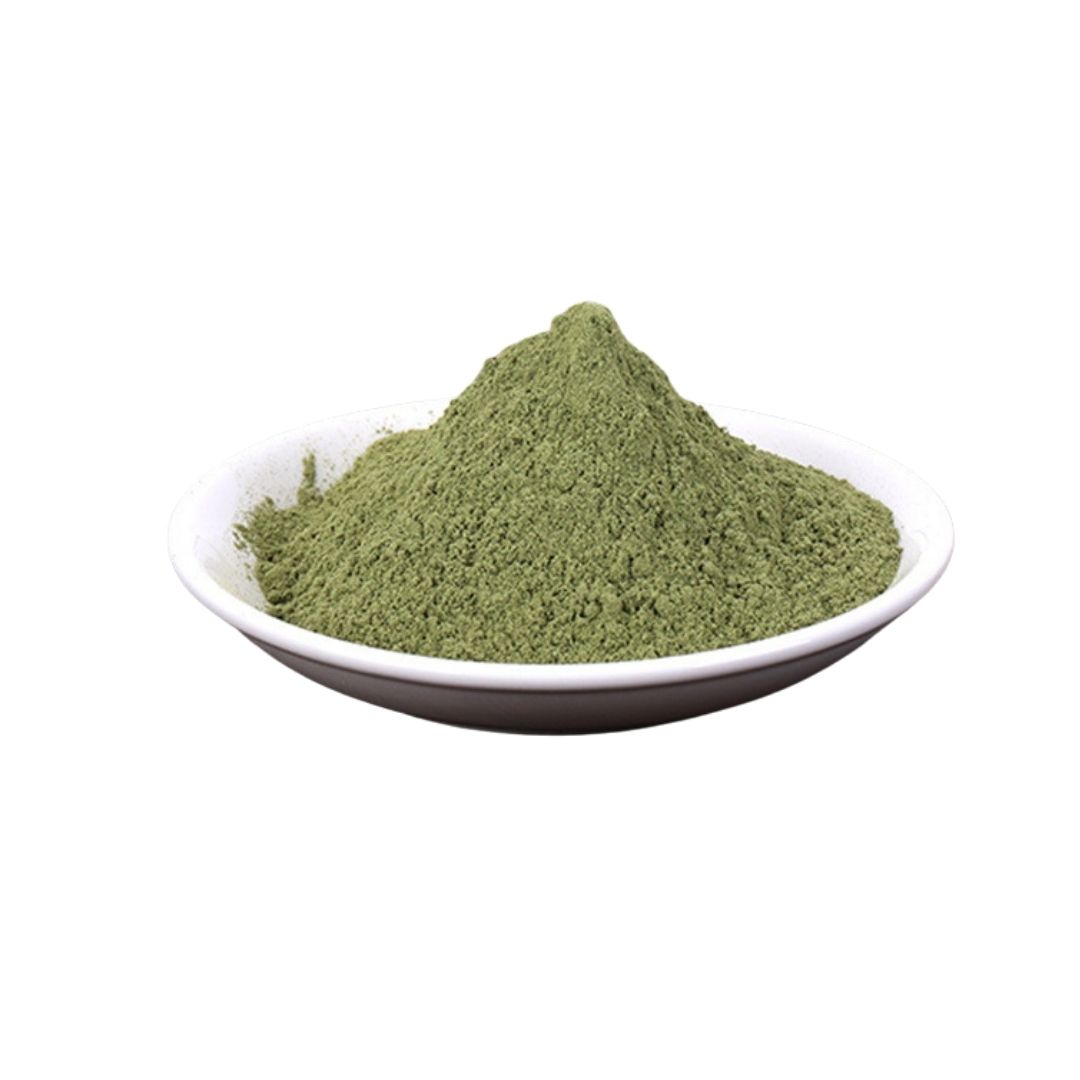
Chive powder is made from dehydrated chives and is a convenient alternative to fresh chives. It offers a concentrated flavor, embodying the mild, onion-like taste of fresh chives. Primarily used as a culinary ingredient, chive powder enhances various dishes with its distinctive taste and aroma. It contains essential oils and nutrients, making it a valuable addition to both home cooking and commercial food production.
Production Process
The production process begins with harvesting fresh chives, selecting vibrant, green stems. They are then washed thoroughly to remove dirt and debris. The chives are typically dried using one of two methods. Some producers use air-drying, laying the chives on trays in a well-ventilated area until they are brittle. Other manufacturers opt for mechanical drying, using industrial dehydrators to hasten the process. Once fully dried, the chives are ground into a fine powder using industrial grinders or mills. The powder is then sifted to ensure consistency and remove any large particles. Finally, the chive powder is packaged in airtight containers to maintain its flavor, color, and freshness.
Nutrition Facts
Nutritional information for chive powder per teaspoon (approximately 1 gram):
- Calories: 1 [^1]
- Protein: Less than 1 gram [^1]
- Fat: Less than 1 gram [^1]
- Carbohydrates: Less than 1 gram [^1]
- Fiber: Less than 1 gram [^1]
- Calcium: 2 mg (0% DV) [^1]
- Iron: 0.1 mg (1% DV) [^1]
- Potassium: 6 mg (0% DV) [^1]
- Vitamin A: 6 IU (0% DV) [^1]
- Vitamin C: 0.1 mg (0% DV) [^1]
- Folate: 1 mcg (0% DV) [^1]
DV = Daily Value
Product Components and Benefits
Chive powder contains allicin, an organosulfur compound known for its antimicrobial properties. Allicin may support immune function and help combat infections [^2]. Chives are also a source of antioxidants, such as quercetin, which can help neutralize free radicals in the body, reducing oxidative stress and inflammation [^3]. Furthermore, chive powder provides small amounts of vitamins A and C, contributing to overall health and well-being [^1]. The fiber content, though minimal, aids in digestion and promotes gut health [^4]. Additionally, the potassium found in chive powder supports healthy blood pressure levels [^1].
Product Applications
Chive powder serves as a versatile seasoning in a variety of culinary applications. It can be added to soups, salads, and sauces for a mild, onion-like flavor [^5]. Many use it in dips, dressings, and marinades, enhancing their taste profiles [^5]. Chive powder is also suitable as a topping for baked potatoes, omelets, and other egg dishes [^5]. It blends well with cream cheese, sour cream, and yogurt, creating flavorful spreads [^5]. The powder is used in the food manufacturing industry to season processed foods, such as snack mixes, crackers, and instant noodle products [^5]. Additionally, sprinkled on vegetable dishes, it adds a subtle, savory note [^5].
Citations
[^1]: U.S. Department of Agriculture. (n.d.). FoodData Central. https://fdc.nal.usda.gov/
[^2]: Block, E. (1985). The chemistry of garlic and onions. Scientific American, 252(3), 114-119.
[^3]: Aherne, S. A., & O'Brien, N. M. (2002). Dietary flavonols: chemistry, food content, and metabolism. Nutrition, 18(1), 75-81.
[^4]: Anderson, J. W., et al. (1998). Health implications of dietary fiber. Nutrition Reviews, 56(1), 1-18.
[^5]: McGee, H. (2004). On food and cooking: The science and lore of the kitchen. Scribner.

As a sales manager, I’m here to make sure you get exactly what you need for your dietary supplements. From sourcing to delivery, I’m always by your side, ensuring smooth and friendly service. Let’s make your products even better! 🥰🌿