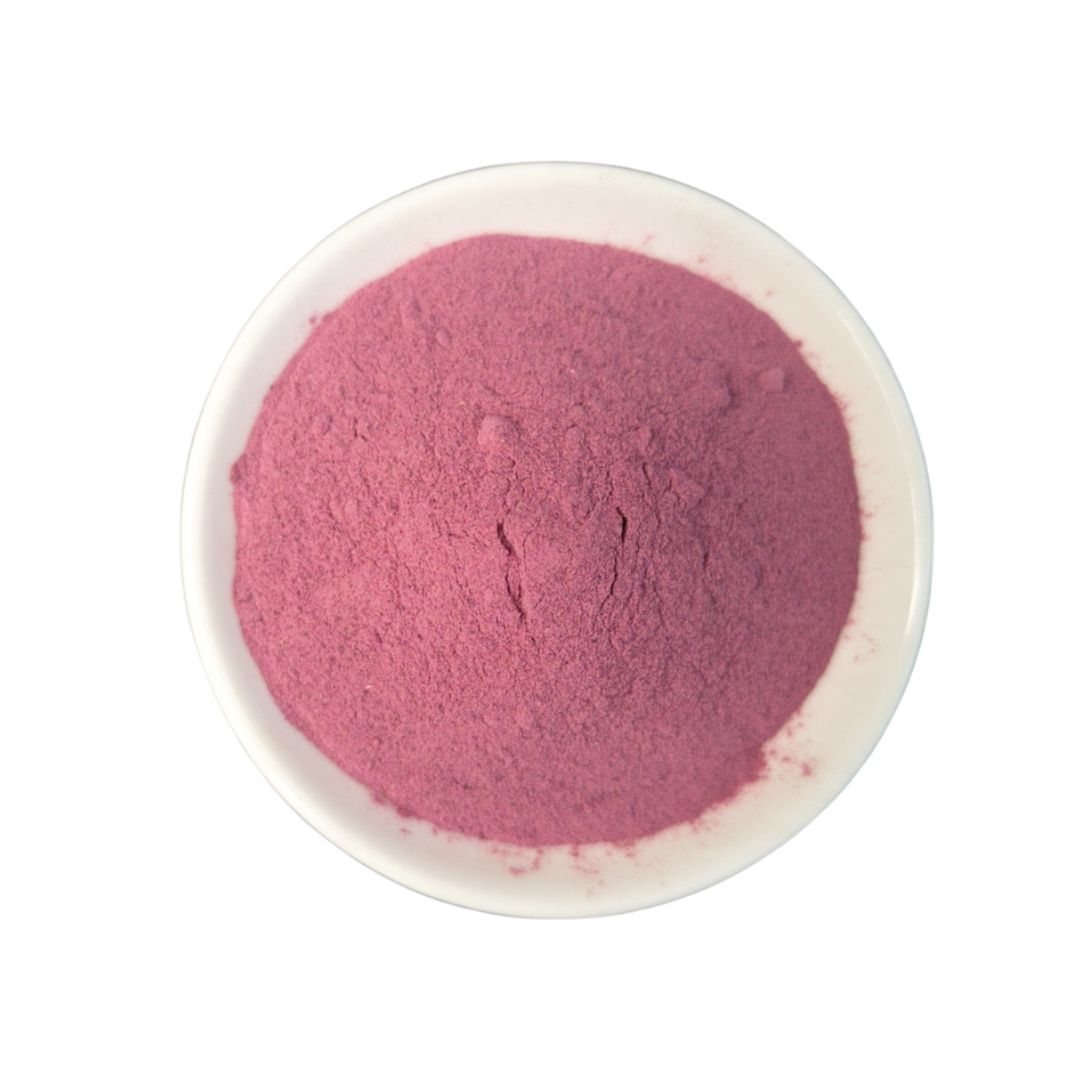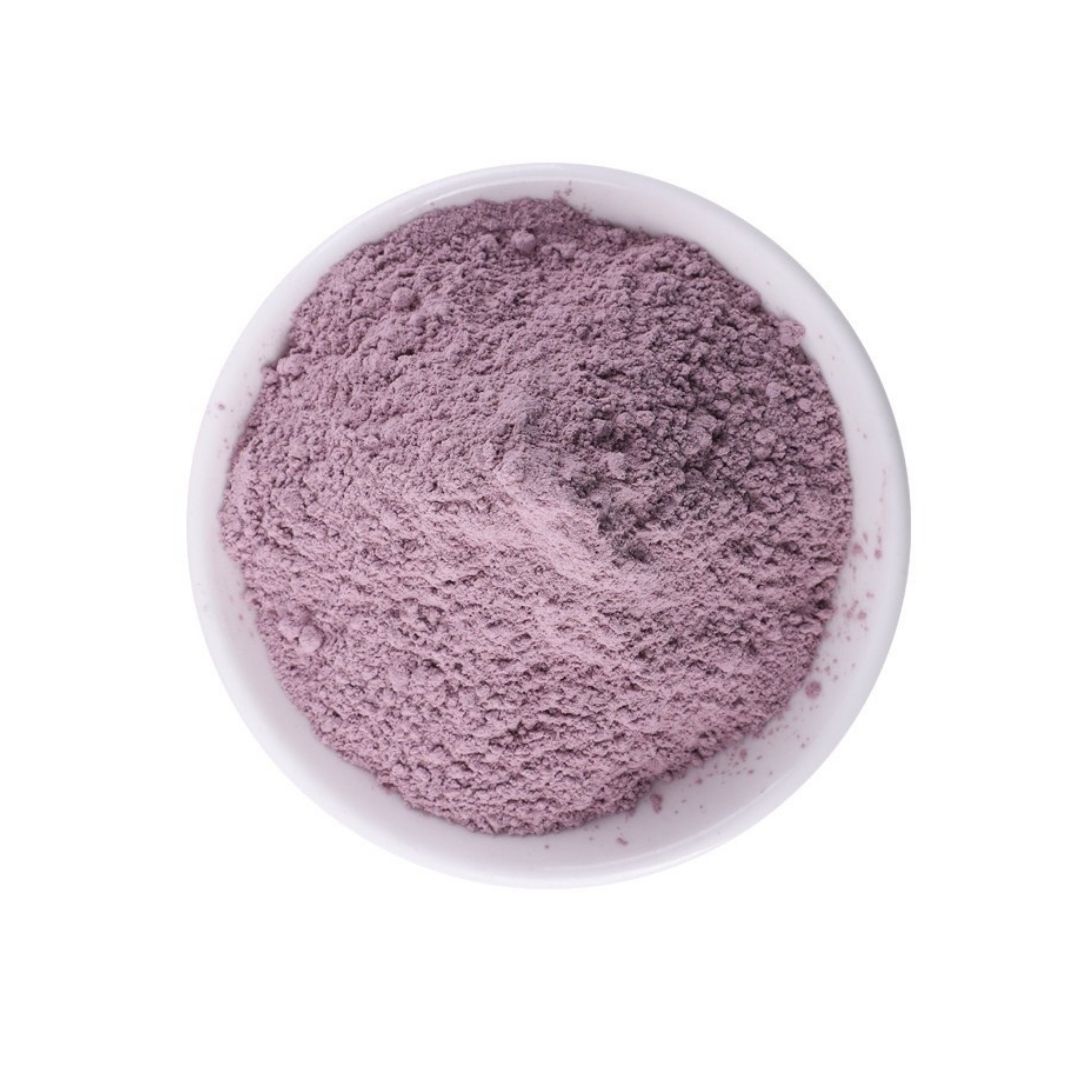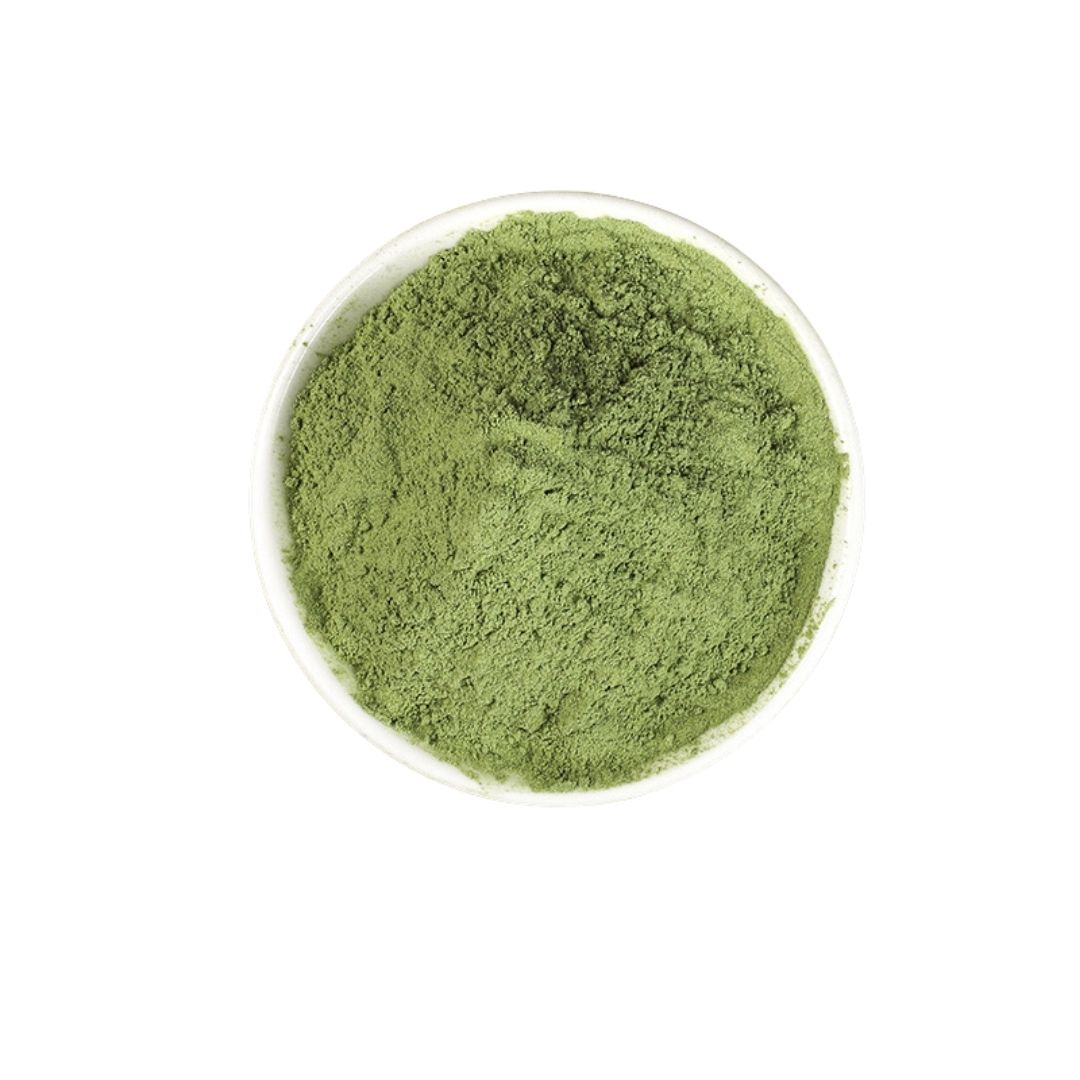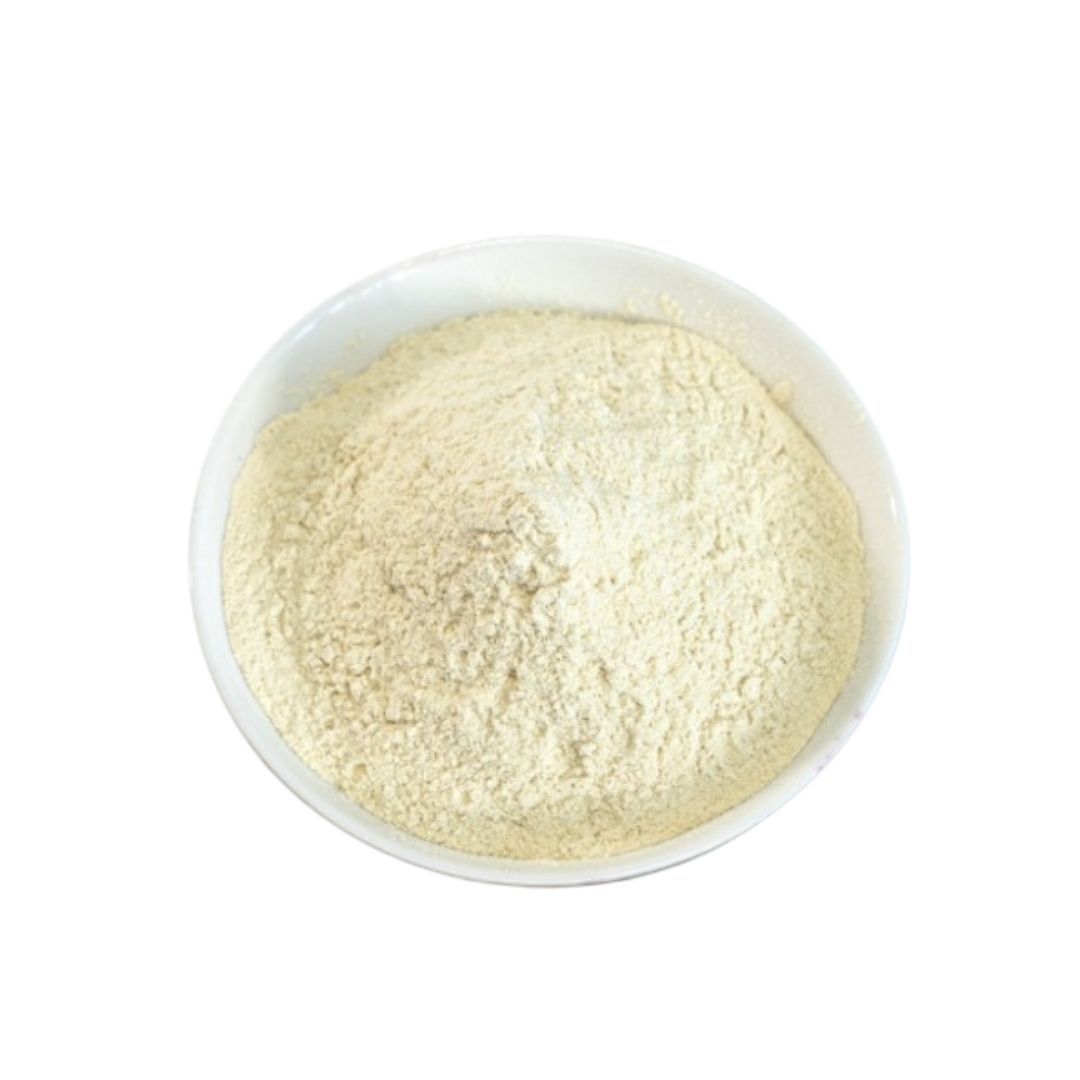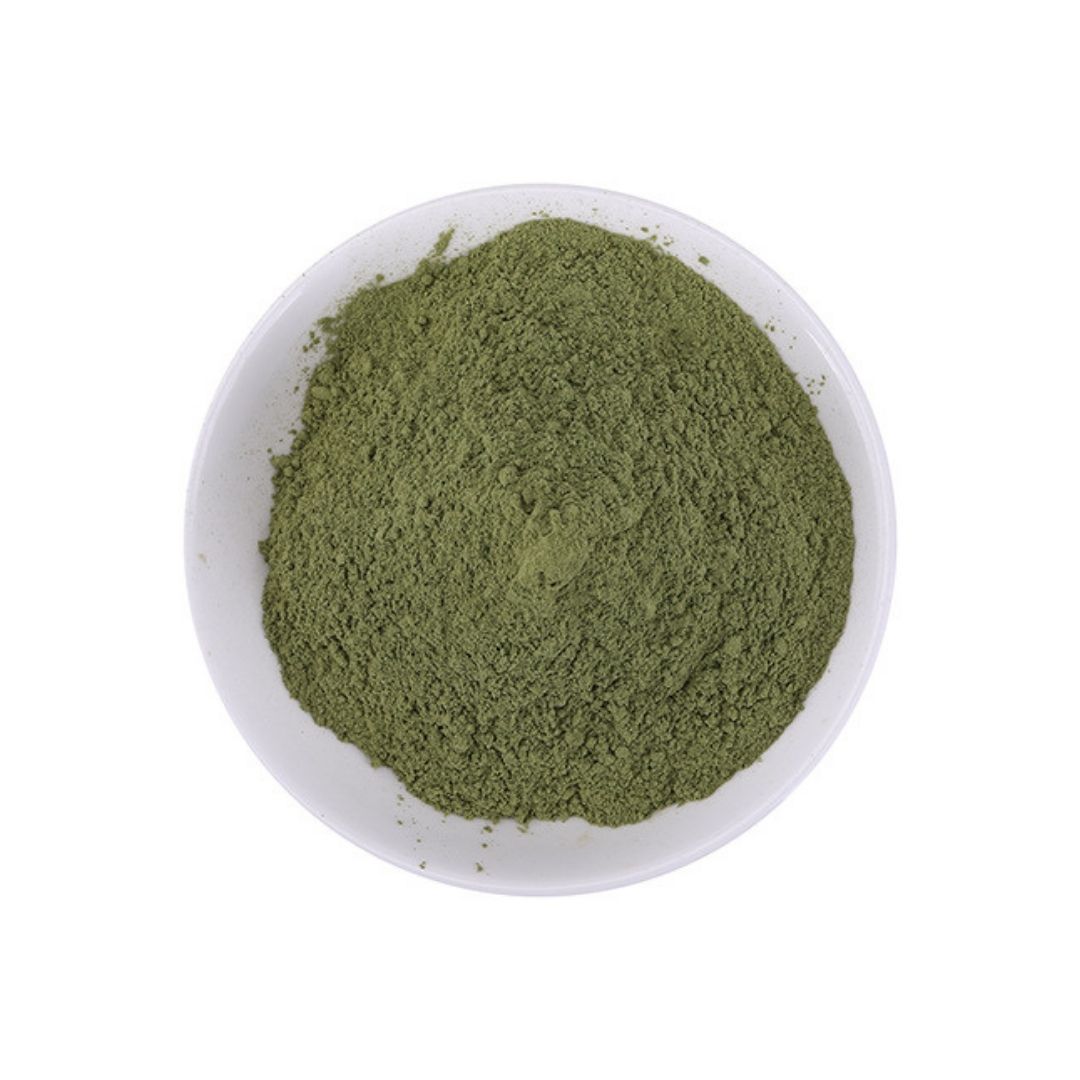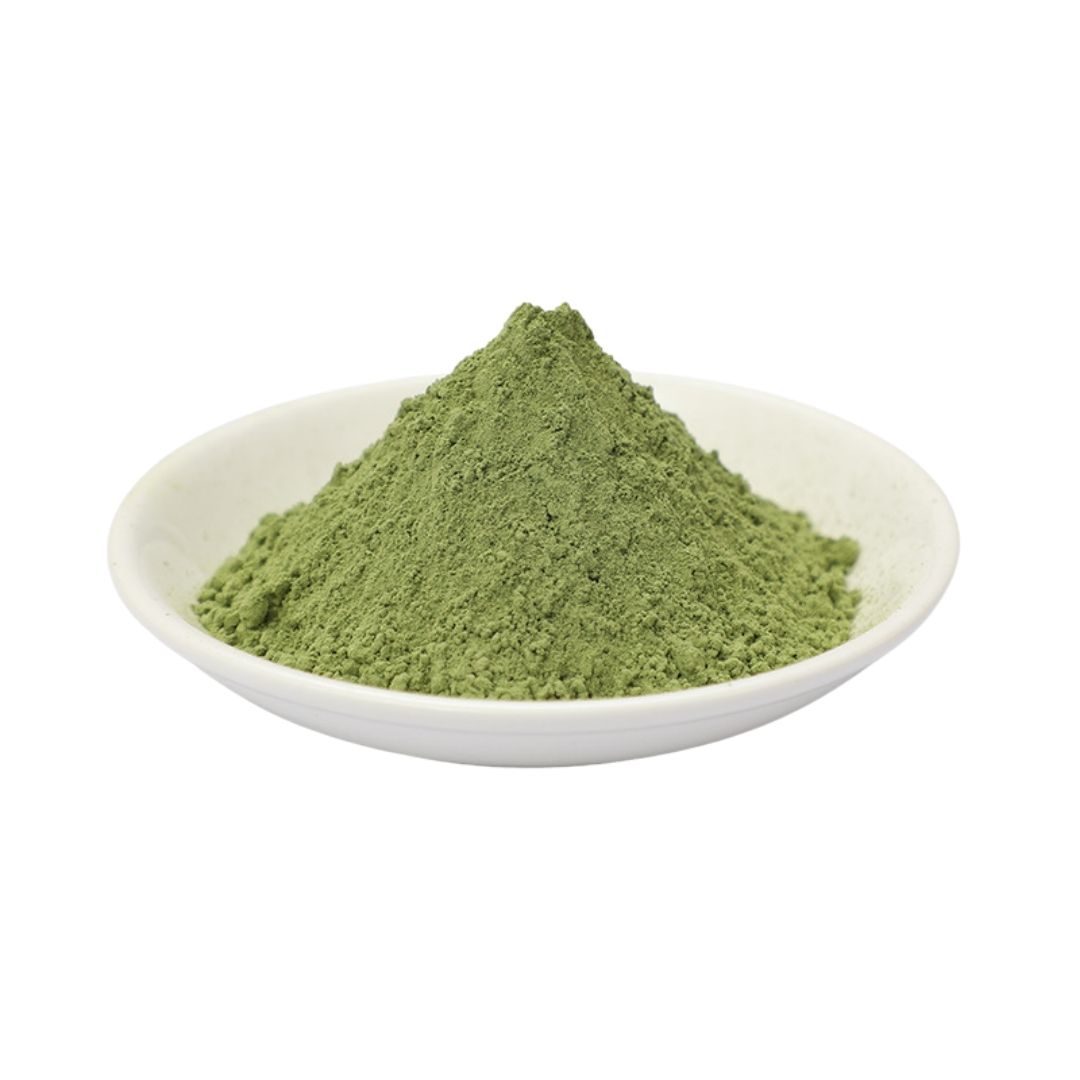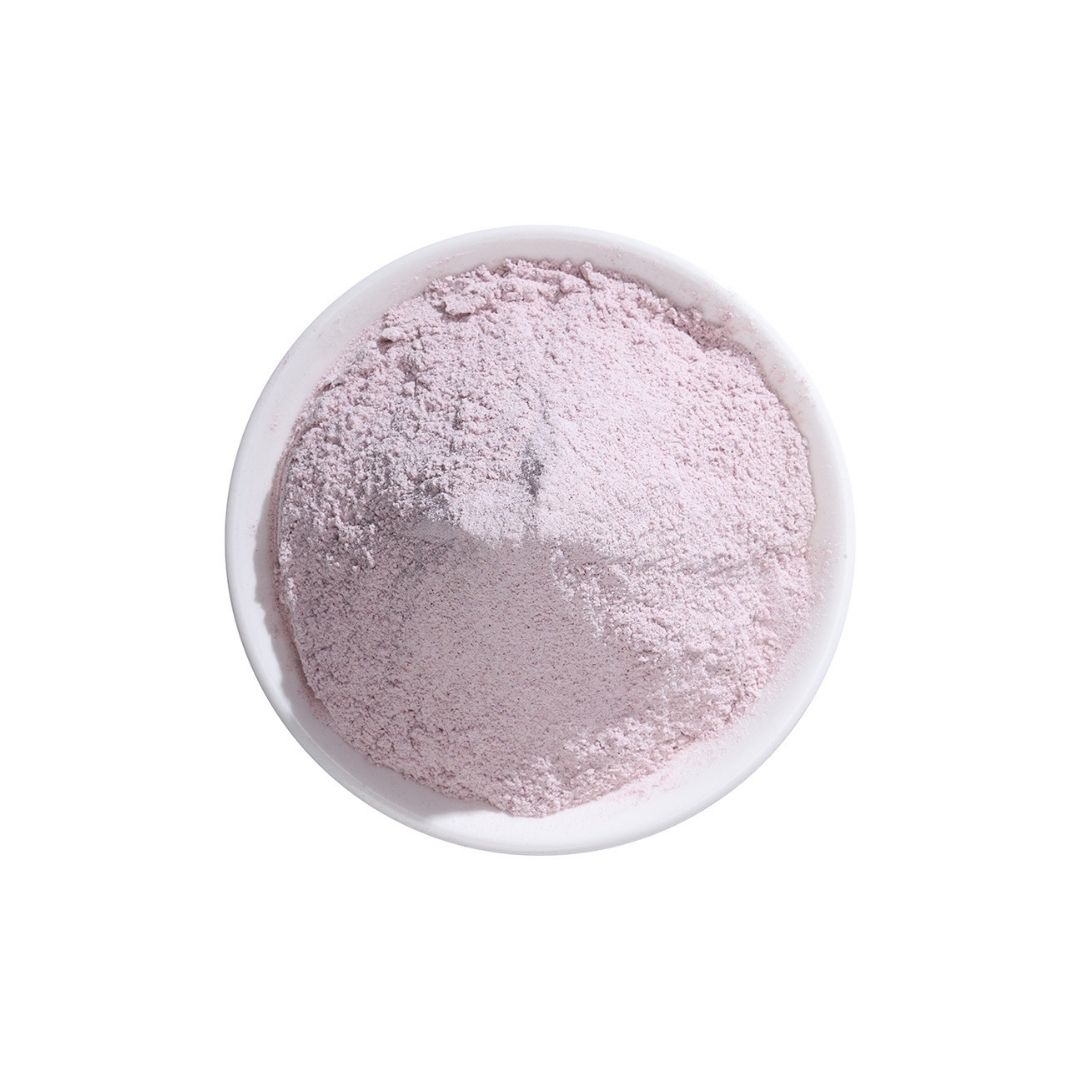


Product Introduction
Taro powder primarily consists of carbohydrates, dietary fiber, and essential minerals such as potassium and magnesium. [1] The powder comes from the root of the taro plant, a staple in many tropical diets, known for its versatility in both sweet and savory dishes. [2] Taro powder serves multiple purposes; most notably it is used as a thickening agent, a base, and can also be incorporated into baked goods.
Production Process
The process of producing taro powder begins with harvesting mature taro roots, which are then cleaned to remove any soil or debris. [3] Following the cleaning phase, the roots are sliced and dried, traditionally under the sun or using dehydrators, to reduce their moisture content which inhibits microbial grown and ensures a longer shelf life. [3] Once appropriately dehydrated, the dried taro slices are milled into a fine powder, then sifted to achieve a uniform consistency. [3] Finally, the powder is packaged to protect it from moisture and air, preserving its quality and extending its usability. [3]
Nutrition Facts
A typical 100-gram serving of taro powder contains approximately:
- Calories: 347
- Carbohydrates: 84.6g
- Dietary Fiber: 5.1g
- Sugars: 0g
- Fat: 0.2g
- Protein: 5.2g
- Potassium: 577mg
- Magnesium: 33mg [4]
Product Components and Benefits
Taro powder is rich in complex carbohydrates, providing a sustained energy release, unlike simple sugars that cause rapid spikes and drops in blood sugar levels. [5] Its high fiber content supports digestive health, promoting regularity and helping to prevent constipation. [6] The presence of potassium is beneficial for maintaining healthy blood pressure levels. [7] Magnesium contributes to bone health and muscle function. [8] Its gluten-free nature makes it a great alternative for individuals with celiac disease or gluten intolerance. [9]
Product Applications
Taro powder is incredibly versatile in the kitchen. It can be used as a thickening agent in soups, stews, and sauces, adding a smooth, creamy texture. [10] In baking, it can partially or fully replace wheat flour in recipes such as cakes, cookies, and bread, offering a gluten-free option with a slightly sweet, nutty flavor; it is used to make bubble tea, ice cream, and desserts. [11] Beyond food, taro powder can be incorporated into cosmetic products, such as masks and scrubs, for its skin-nourishing properties. [12]
Citations
[1] USDA FoodData Central.
[2] Lebot, V. Taro Colocasia esculenta (L.) Schott. Promoting the conservation and use of underutilized and neglected crops. 1999. Institute of Plant Genetics and Crop Plant Research, Gatersleben/International Plant Genetic Resources Institute, Rome.
[3] Product Information.
[4] USDA FoodData Central.
[5] Anderson, J. W., et al. "Health implications of dietary fiber." Nutrition Reviews 56.1 (1998): 1-18.
[6] Anderson, J. W., et al. "Health implications of dietary fiber." Nutrition Reviews 56.1 (1998): 1-18.
[7] Houston, M. C. "The importance of potassium in managing hypertension." Current Hypertension Reports 3.3 (2001): 235-248.
[8] Rude, R. K. "Magnesium deficiency: a worldwide problem." Nutrition Reviews 65.6 (2007): 259-267.
[9] Sapone, A., et al. "Divergence of gut permeability and mucosal immune gene expression in two phenotypes of irritable bowel syndrome." The American Journal of Gastroenterology 98.6 (2003): 1392-1397.
[10] Smith, P. Thickening and Gelling Agents for Food. Aspen Publishers, 2003.
[11] Cauvain, S. P., and L.S. Young. Technology of Breadmaking. Springer Science & Business Media, 2007.
[12] Draelos, Z. D. Cosmetics in Dermatology. 3rd ed. CRC Press, 2016.

As a sales manager, I’m here to make sure you get exactly what you need for your dietary supplements. From sourcing to delivery, I’m always by your side, ensuring smooth and friendly service. Let’s make your products even better! 🥰🌿