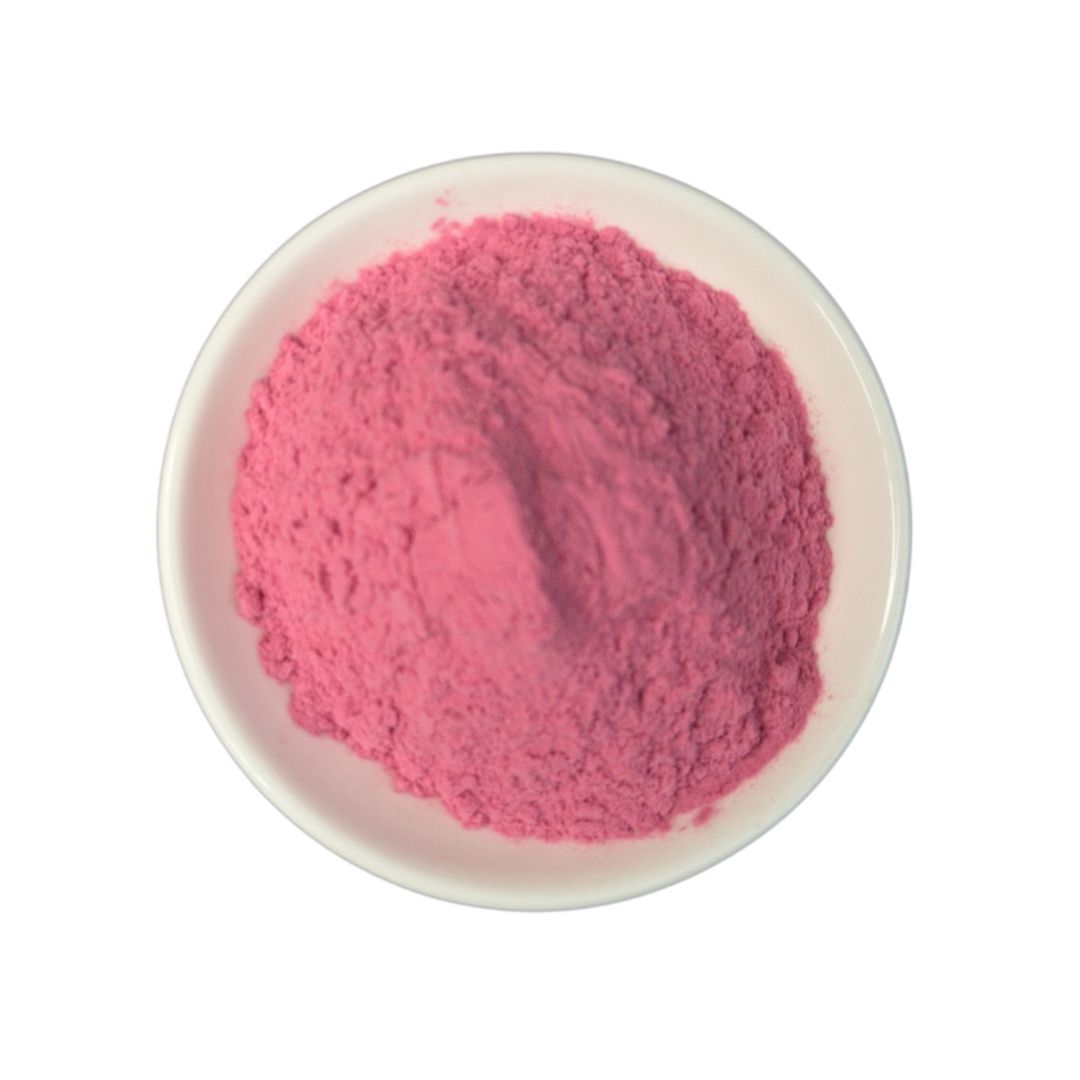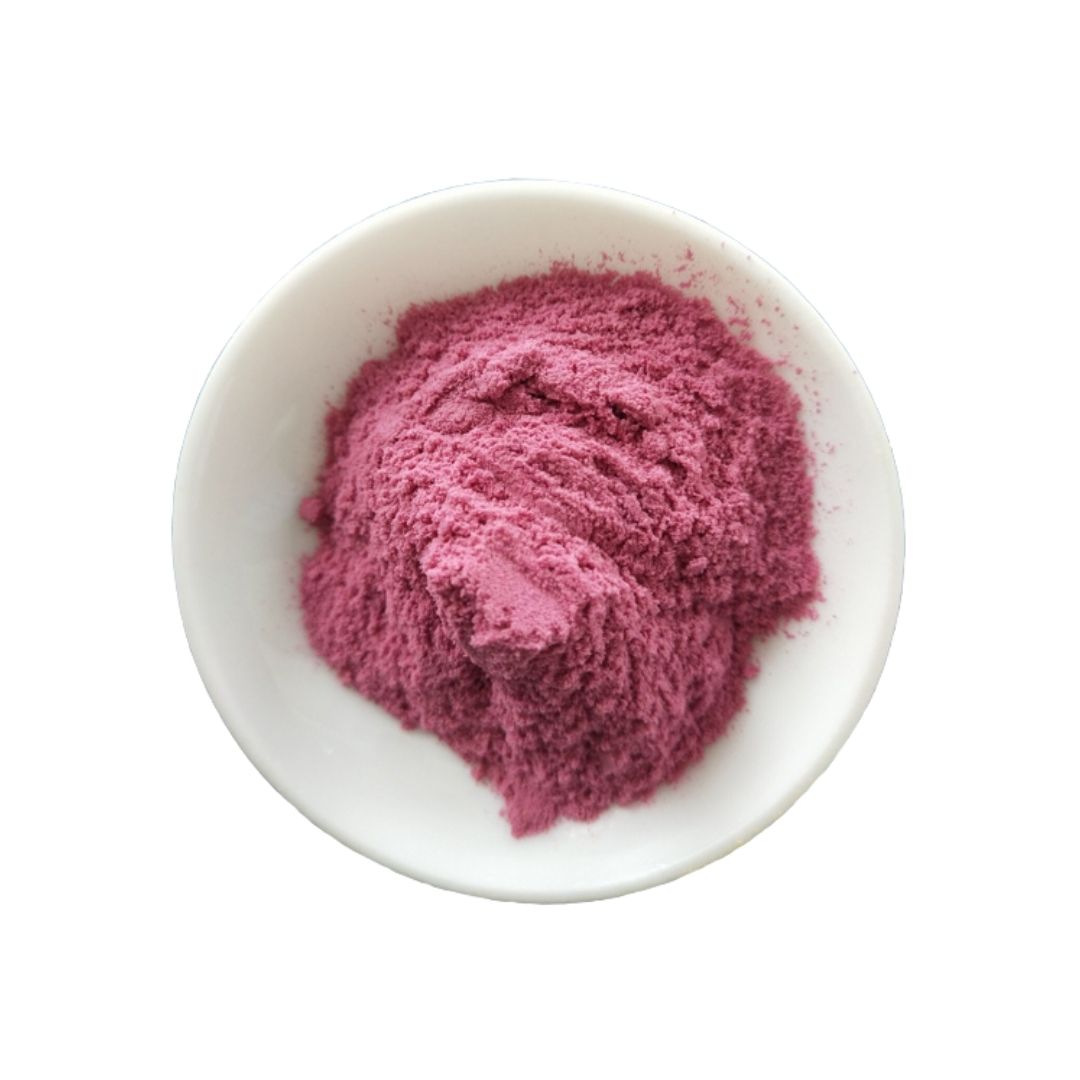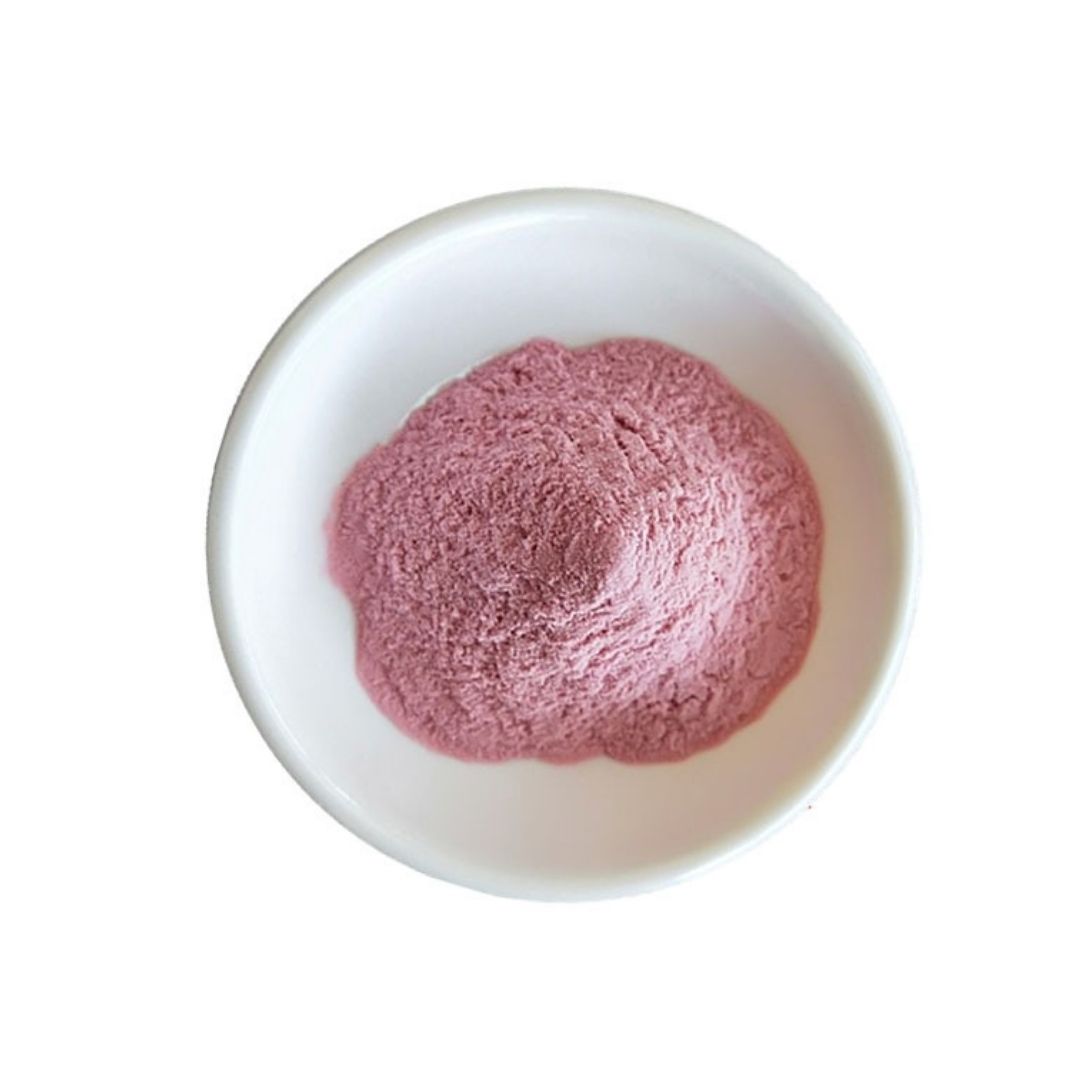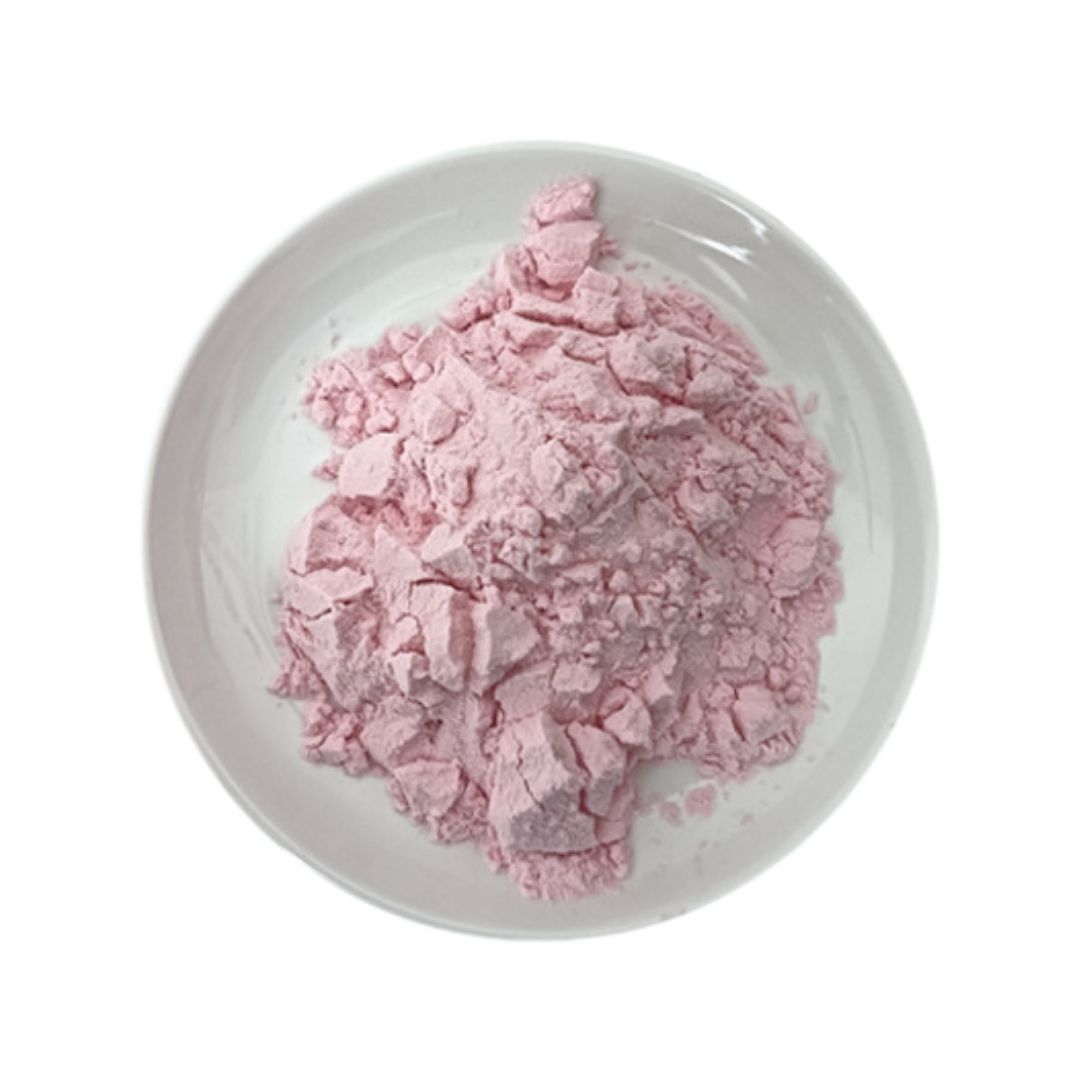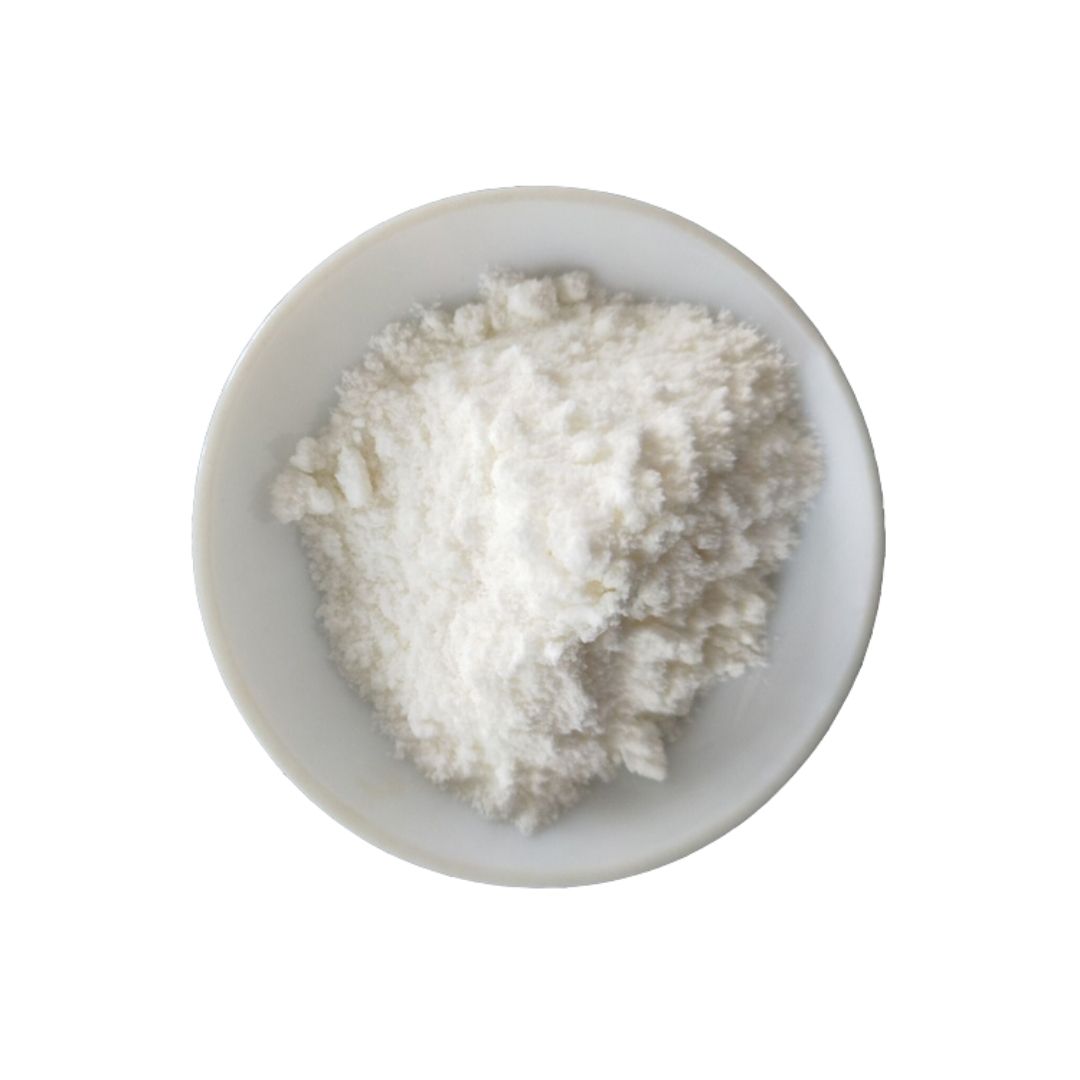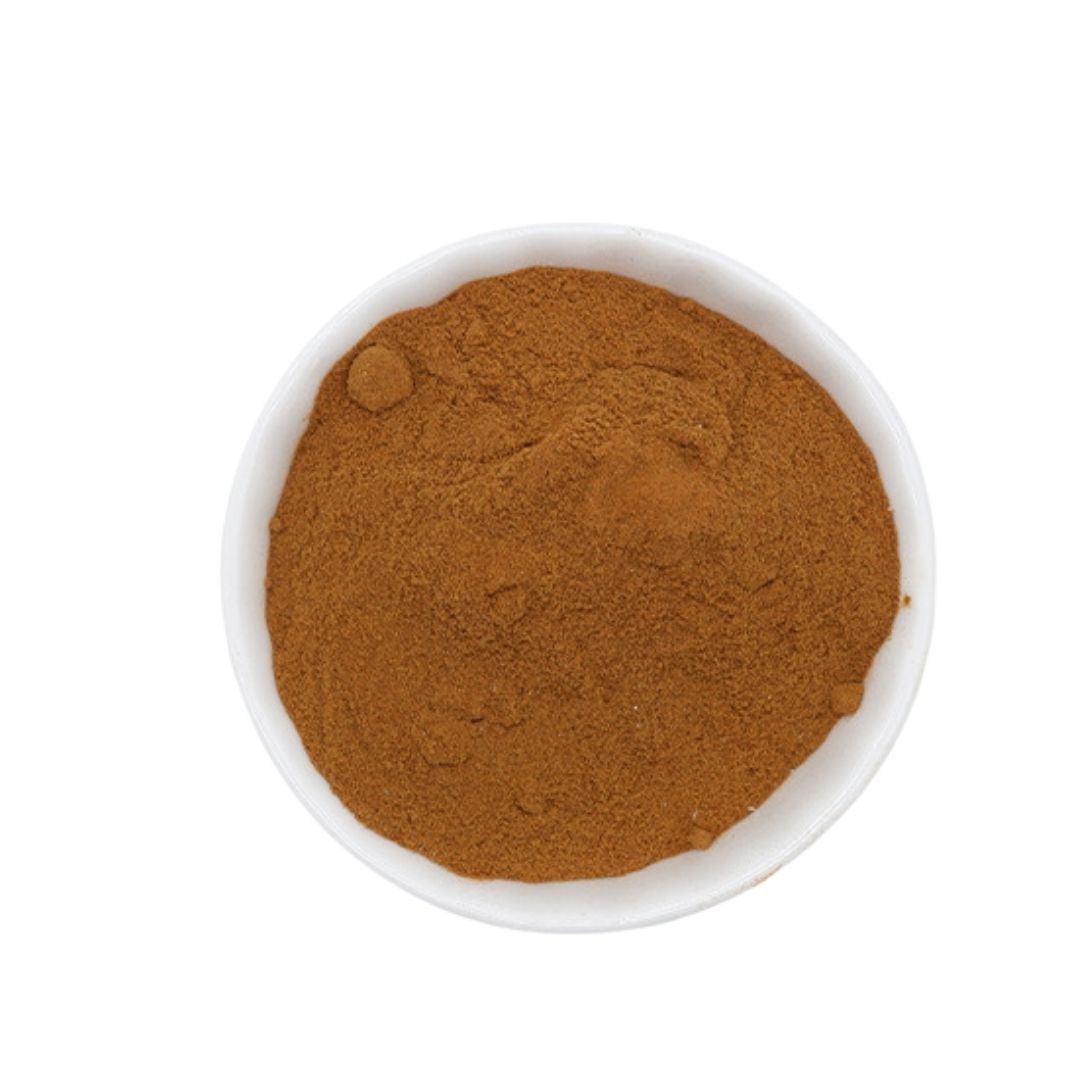


Product Introduction
Monk fruit powder is derived from the Siraitia grosvenorii plant, a small, round fruit traditionally used in Eastern medicine. It has gained popularity as a natural sweetener due to its intense sweetness and lack of calories.
Production Process
The production of monk fruit powder involves removing the seeds and skin of the fruit, crushing it to collect the juice, and then drying it into a concentrated powder. The mogrosides, which are responsible for the sweetness, are separated from the natural sugars during processing.
Nutrition Facts
Monk fruit powder is essentially calorie-free and contains no sugars, fats, or sodium. It is rich in dietary fiber and has a negligible amount of protein. Here is a typical nutritional breakdown per 100g:
- Energy: 420 kJ (100 kcal)
- Protein: 1g
- Carbohydrates: 19g
- Sugars: 0g
- Dietary Fiber: 1g
- Fats: 0g
- Sodium: <1mg
Product Components and Benefits
The primary components of monk fruit powder are mogrosides, which are antioxidants that provide the intense sweetness without contributing calories. These compounds are used by gut microbes and excreted, making monk fruit a suitable option for those managing blood sugar levels. The antioxidant properties may also offer anti-inflammatory benefits.
Product Applications
Monk fruit powder is versatile and can be used as a standalone sweetener or blended with other sweeteners to achieve a balanced taste. It is commonly used in beverages like tea and coffee, desserts, sauces, and salad dressings. However, it is not ideal for baked goods that require sugar for texture and structure.
Citations:
https://foodinsight.org/what-is-monk-fruit/
https://phytotherapy.com.au/ingredient-type/sweeteners-flavours/monk-fruit-extract-powder-7/
https://www.healthline.com/nutrition/monk-fruit-sweetener
https://www.medicalnewstoday.com/articles/monk-fruit-benefits
https://www.tateandlyle.com/ingredient/purefruit-monk-fruit-extract

As a sales manager, I’m here to make sure you get exactly what you need for your dietary supplements. From sourcing to delivery, I’m always by your side, ensuring smooth and friendly service. Let’s make your products even better! 🥰🌿