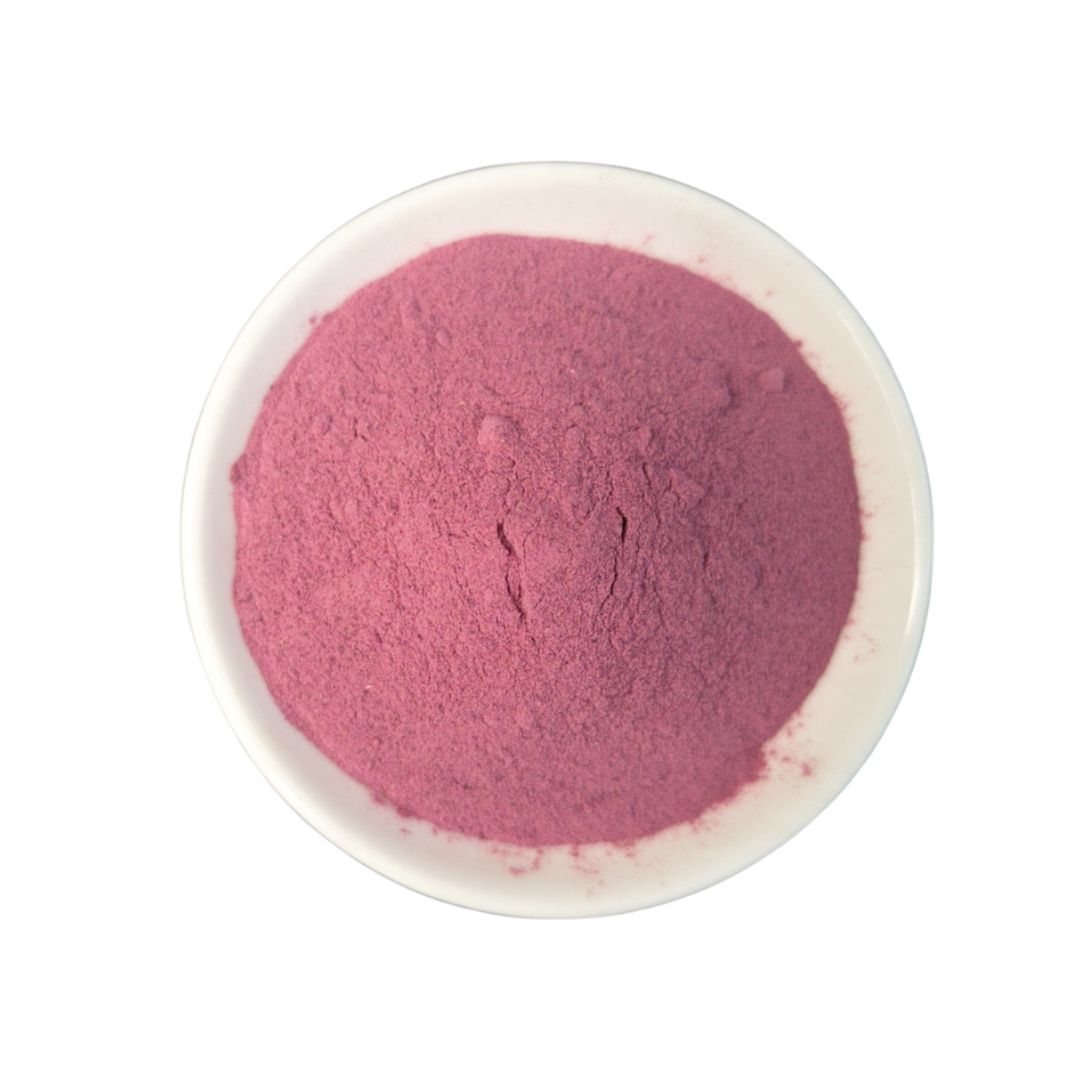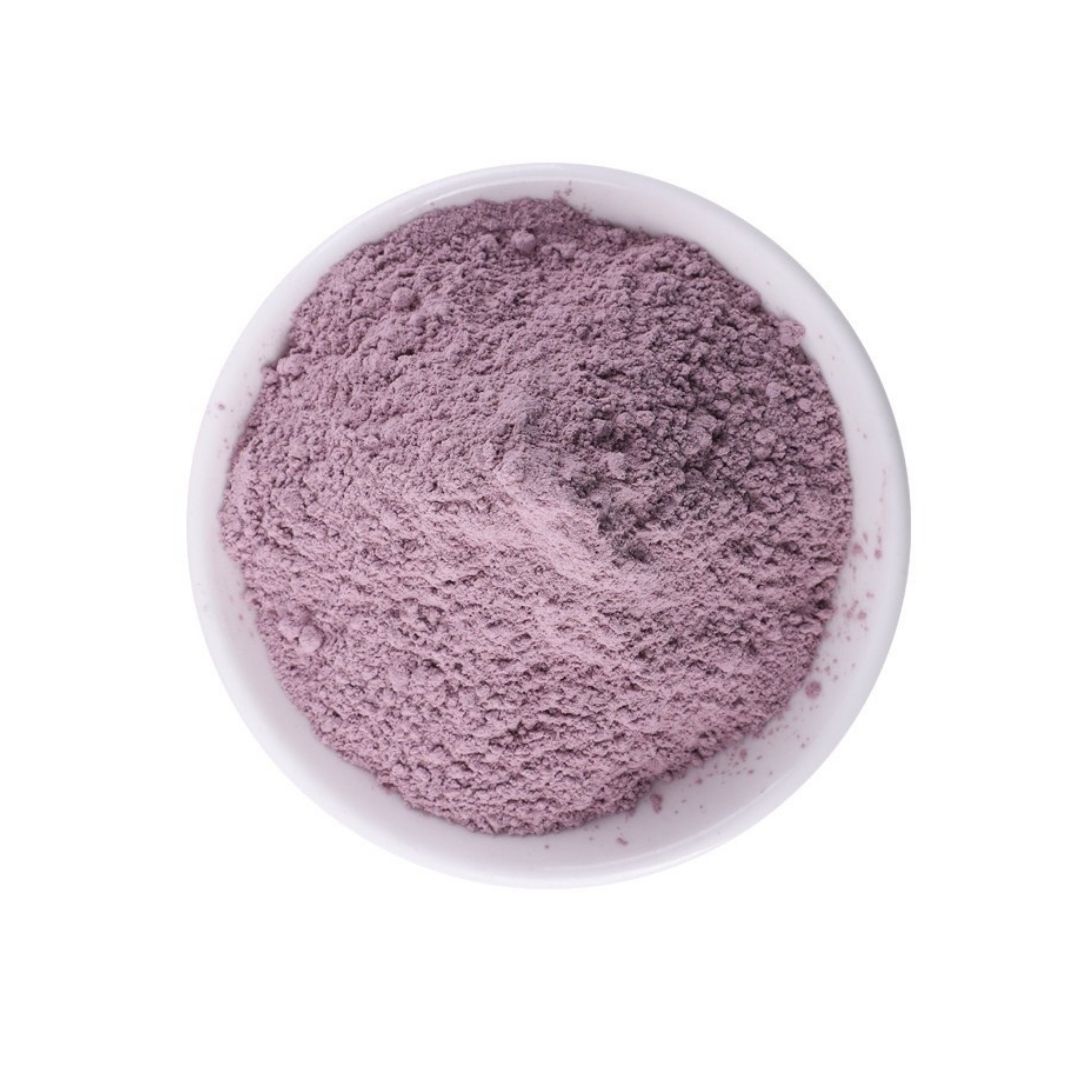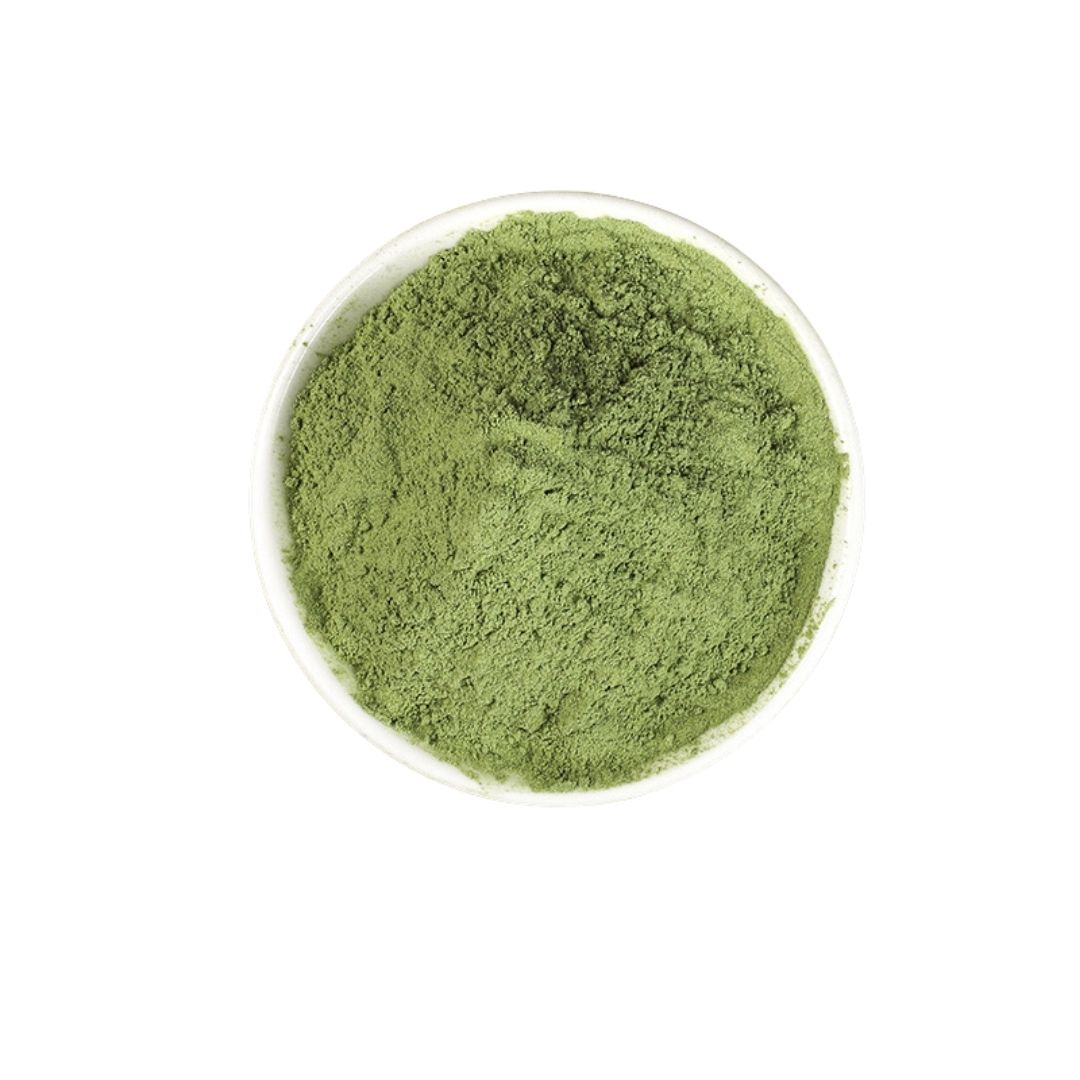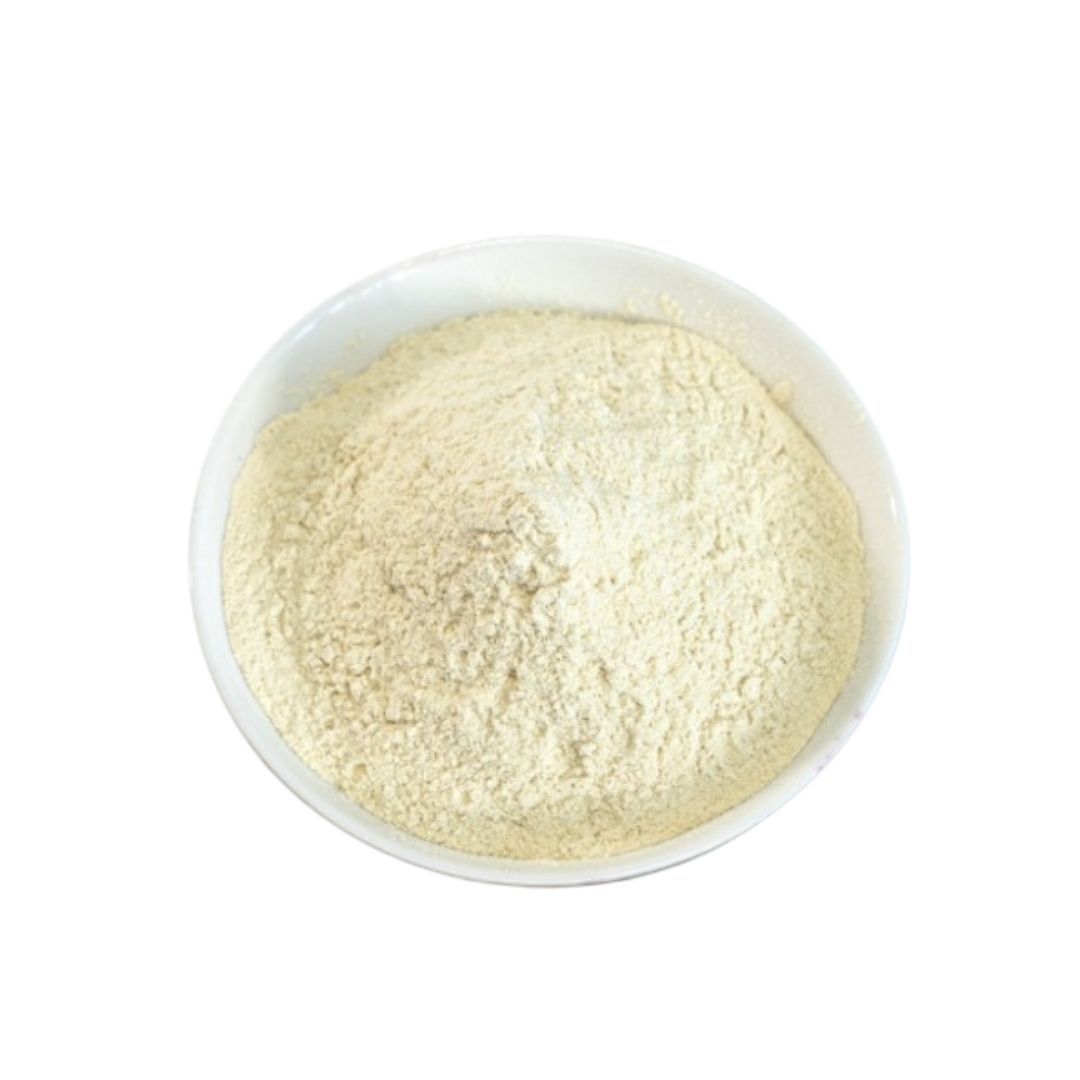


Product Introduction
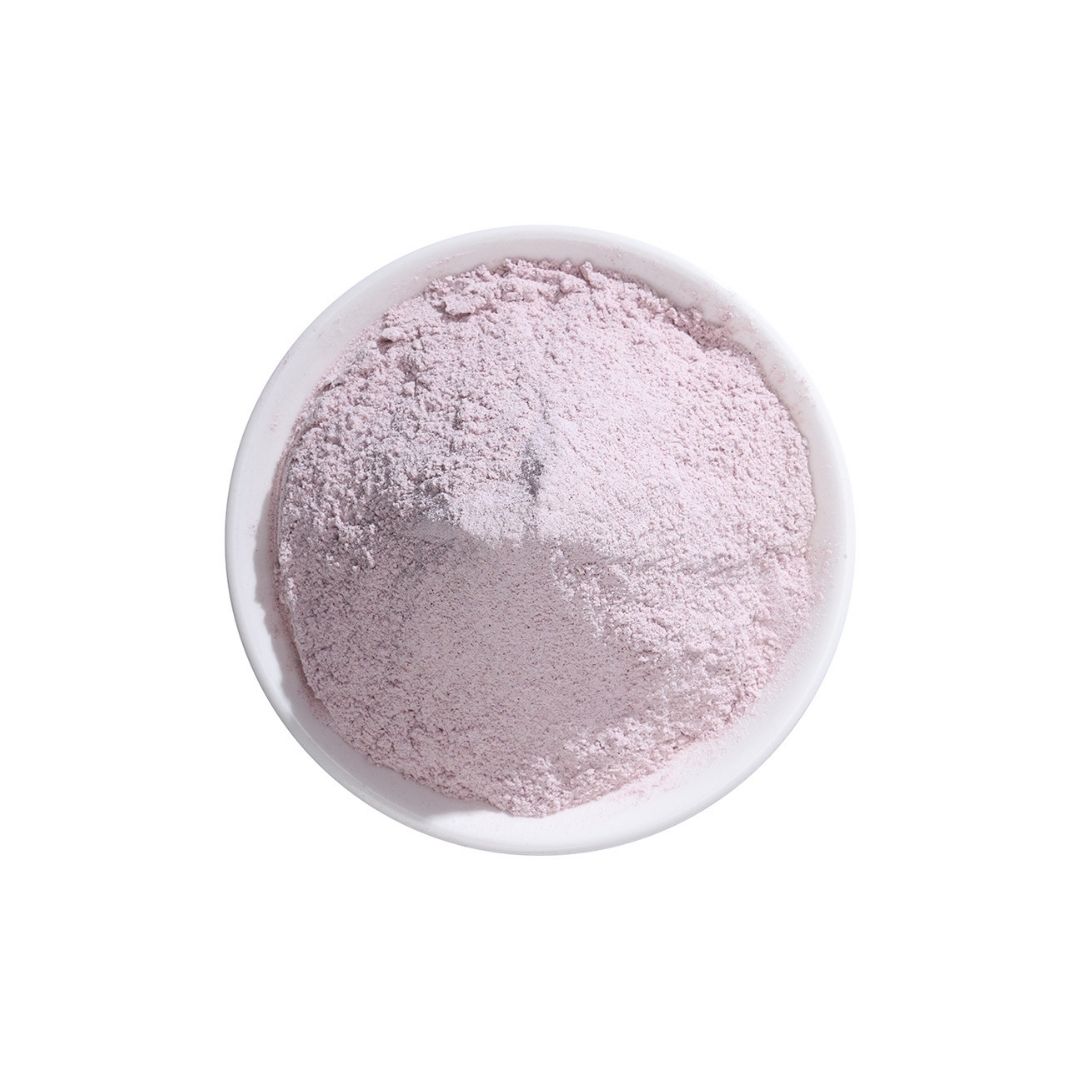
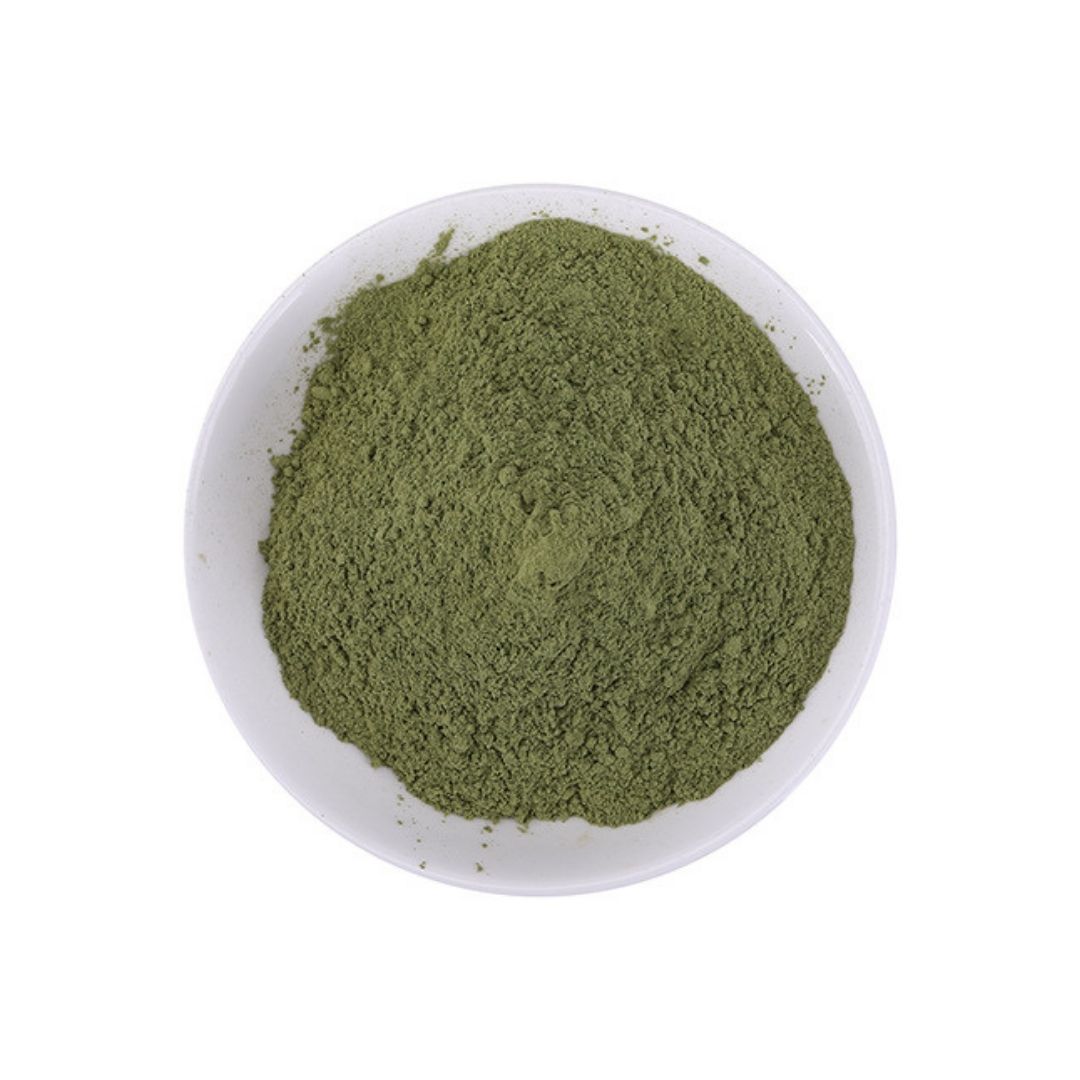
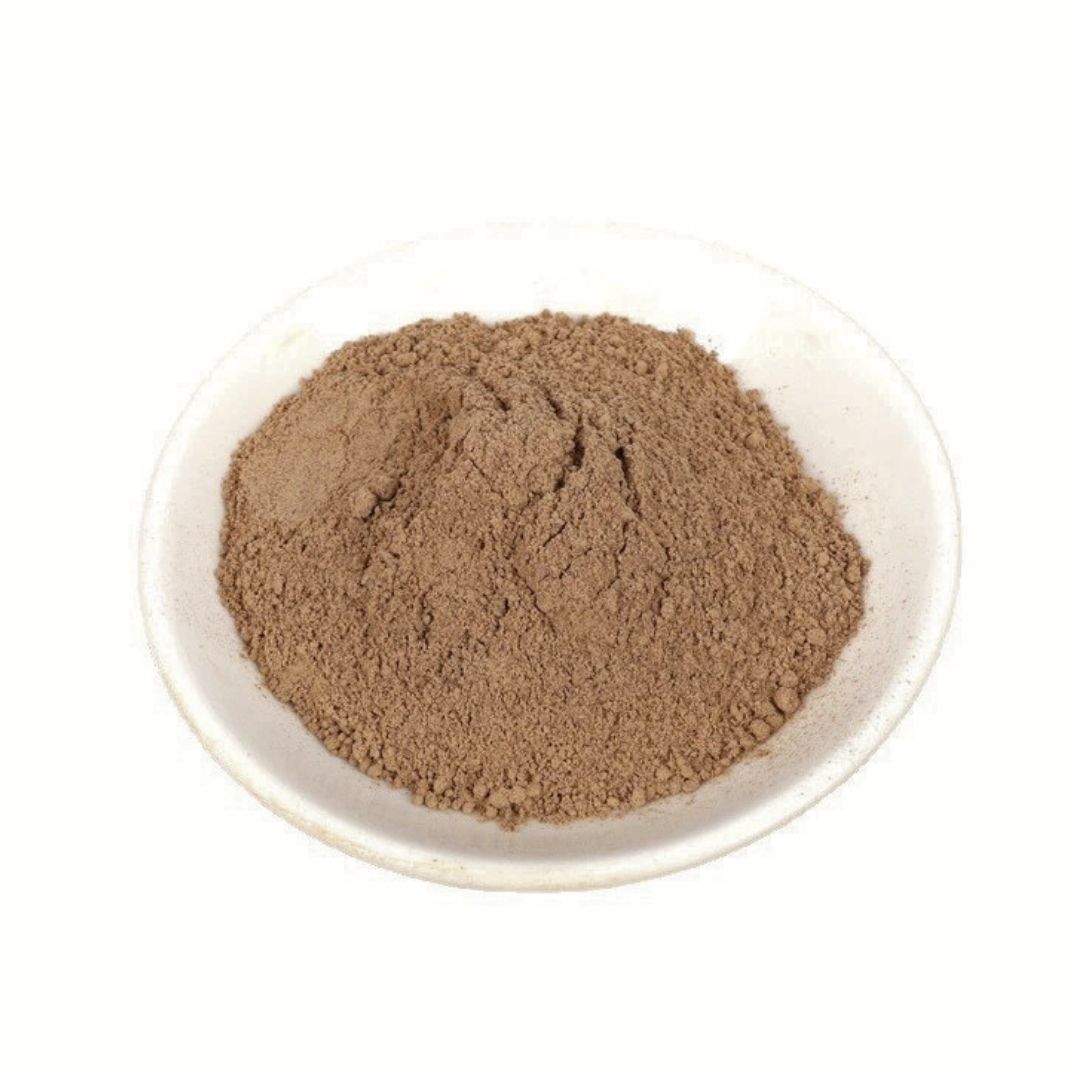
Black fungus powder is derived from the Auricularia auricula-judae mushroom, commonly known as wood ear mushroom, or tree ear fungus [1]. This fungus grows on trees and is used around the world. Black fungus powder includes polysaccharides, dietary fiber, minerals, and antioxidants [2]. It is used in traditional cuisine and is added to soups, stews, and stir-fries [3].
Production Process
The production of black fungus powder involves several steps. First, the fresh black fungus mushrooms are harvested and carefully cleaned to remove any debris. Next, the mushrooms are sliced and dried to reduce their moisture content. The dried mushrooms are then ground into a fine powder using specialized milling equipment. Finally, the powder is tested for quality control and packaged for distribution [4].
Nutrition Facts
Black fungus is low in calories and fats, and it contains essential nutrients. Per 100 grams of dried black fungus, there are approximately 72 grams of carbohydrates, 9.2 grams of protein, 0.8 grams of fat, and 80.9 grams of dietary fiber. It contains minerals like iron, calcium, potassium, and magnesium [5].
Product Components and Benefits
Black fungus powder contains polysaccharides, which may support immune function [6]. The dietary fiber in black fungus can promote digestive health and help in maintaining regular bowel movements [7]. Minerals, such as iron and calcium, contribute to overall health and well-being [8]. Lastly, antioxidants found in black fungus help to protect cells from damage caused by free radicals [9].
Product Applications
Black fungus powder can be incorporated into various food products. It can be added to soups and stews as a thickening agent and for its nutritional benefits. Black fungus powder can be mixed into smoothies or beverages to increase their fiber and mineral content. It is also used in traditional medicine because it may improve blood circulation [10].
Citations
[1] Wasser, S. P. (2002). Medicinal mushrooms as a source of antitumor and immunomodulating compounds. Applied Microbiology and Biotechnology, 60(3), 258–274.
[2] Cheung, P. C. K. (2008). Mushroom as functional foods. John Wiley & Sons.
[3] Mattila, P., et al. (2001). Sterols and vitamin D2 in cultivated mushrooms. Journal of Agricultural and Food Chemistry, 49(5), 2341-2345.
[4] Smith, J. E., et al. (2002). Applied mycology and biotechnology, Volume 2. Elsevier.
[5] USDA FoodData Central. (n.d.). Black fungus, dried.
[6] Cui, Y., et al. (2003). Effect of crude extracts of medicinal mushrooms on mouse splenocytes and human peripheral blood lymphocytes. International Journal of Immunopharmacology, 25(5), 643–656.
[7] Anderson, J. W., et al. (1994). Health implications of dietary fiber. Nutrition Reviews, 56(1), 1–18.
[8] Institute of Medicine (US) Panel on Micronutrients. (2001). Dietary Reference Intakes for Vitamin A, Vitamin K, Arsenic, Boron, Chromium, Copper, Iodine, Iron, Manganese, Molybdenum, Nickel, Silicon, Vanadium, and Zinc. National Academies Press (US).
[9] Mau, J. L., et al. (2002). Antioxidant properties of several medicinal mushrooms. Journal of Agricultural and Food Chemistry, 50(26), 7493–7498.
[10] Hou, W. C., et al. (2000). Antioxidant activities of hot water extracts from various mushrooms. Food Chemistry, 68(1), 63–69.

As a sales manager, I’m here to make sure you get exactly what you need for your dietary supplements. From sourcing to delivery, I’m always by your side, ensuring smooth and friendly service. Let’s make your products even better! 🥰🌿