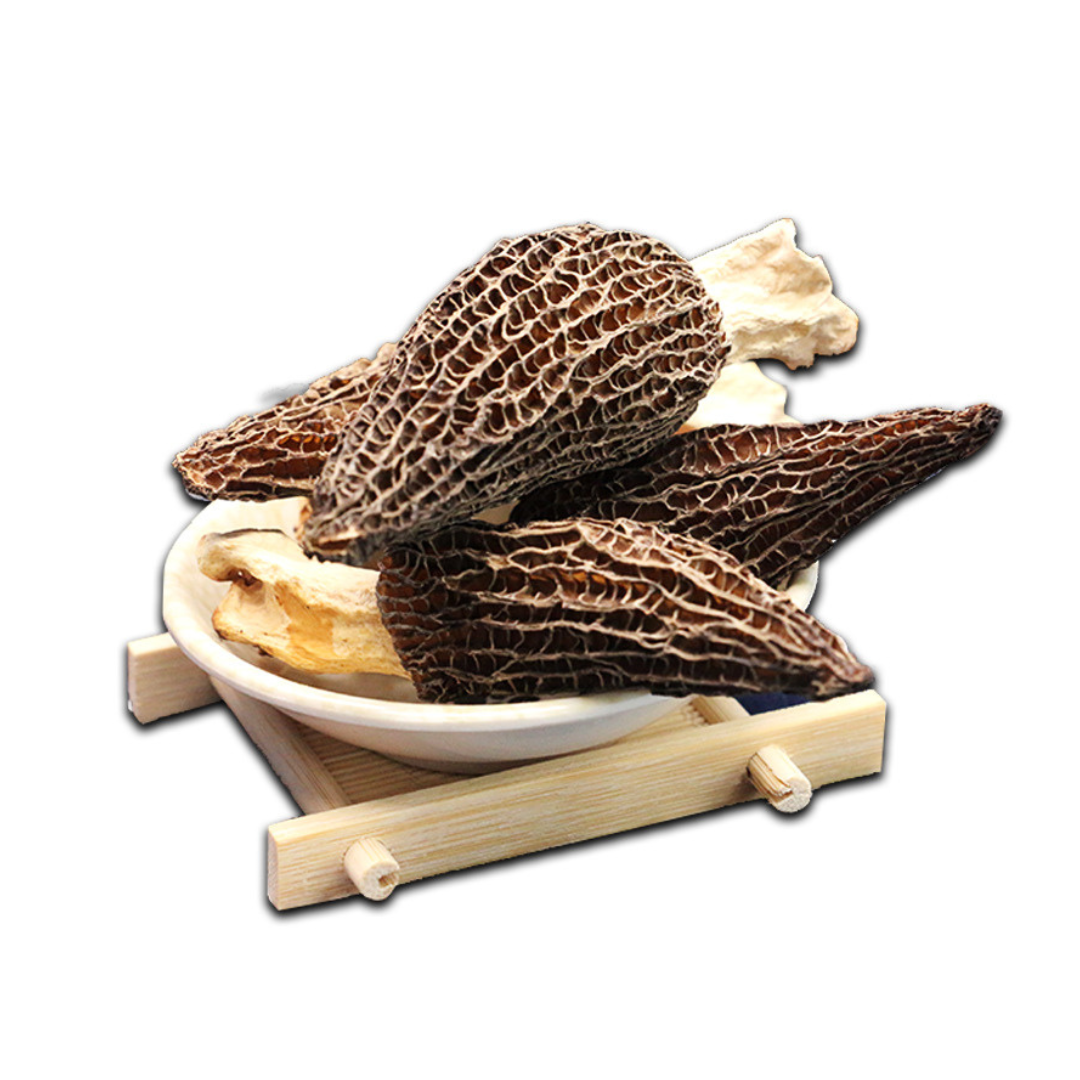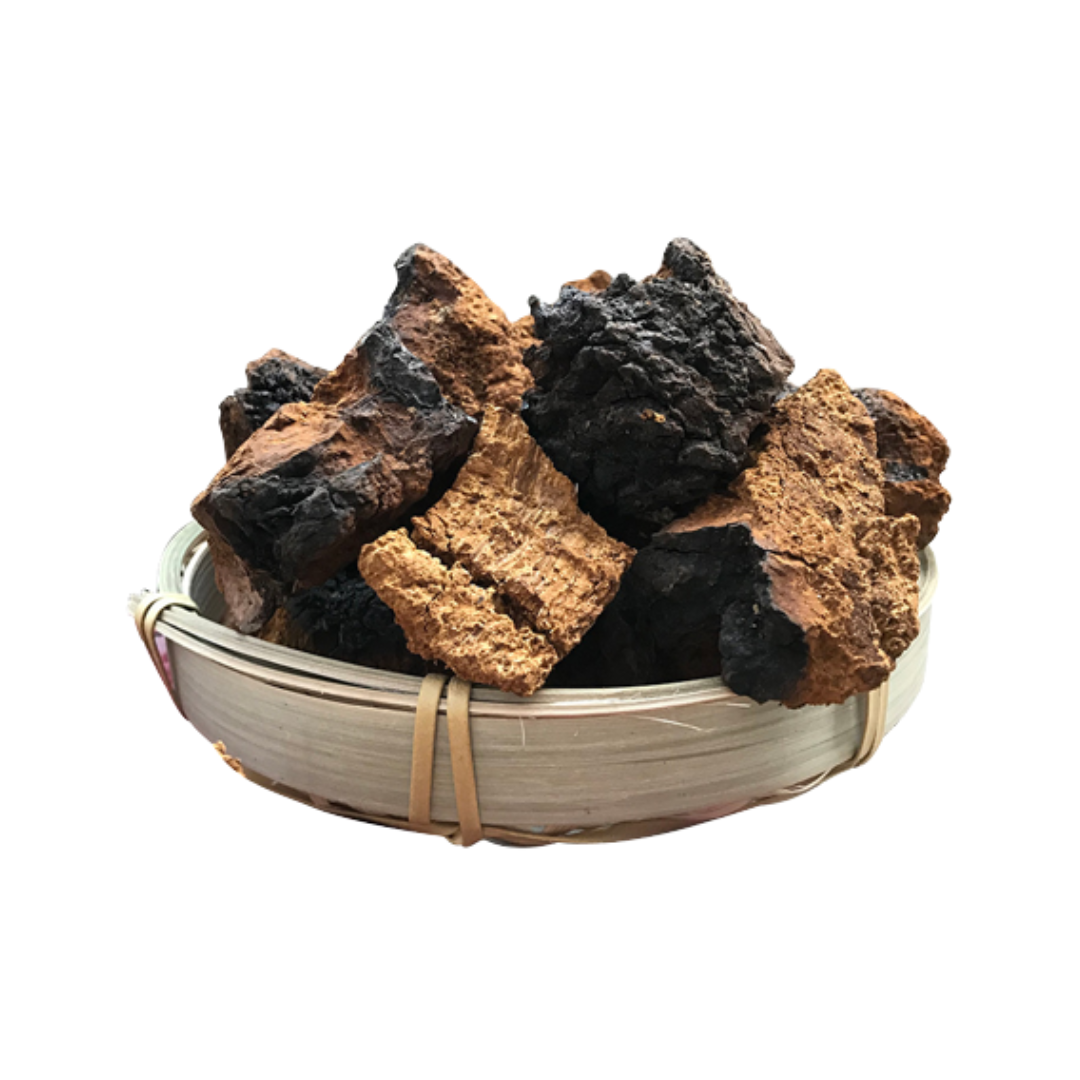


Product Introduction
Chaga powder, derived from the Inonotus obliquus fungus, is a nutrient-rich supplement. It grows primarily on birch trees in colder climates, such as those in Northern Europe, Asia, and North America [1]. This dark, crust-like exterior, or sclerotium, is harvested, processed, and ground into a fine powder. The powder is valued for its potential health-promoting properties, stemming from its high concentration of antioxidants, including polyphenols and melanin [2]. Chaga has been used in traditional medicine for centuries. In modern applications, the powder is incorporated into various health and wellness products, capitalizing on its reputation as a natural health enhancer [3].
Production Process
The production of chaga powder begins with the careful selection of mature chaga concretions harvested from birch trees. These raw materials undergo a cleaning process to remove any bark remnants, dirt, or other foreign particles. The cleaned chaga is then sliced into smaller pieces to facilitate effective drying. Freeze-drying is commonly employed as the drying method. This process involves freezing the chaga pieces and then subjecting them to a vacuum, which causes the ice crystals to sublimate directly into vapor, preserving the integrity, chemical composition, and bio-activity of the chaga [4]. After drying, the chaga pieces are milled into a fine powder. The powder is then sifted to ensure a consistent particle size. Quality control measures, including tests for moisture content, microbial load, and active compound concentration, are performed. Finally, the finished chaga powder is packaged in airtight containers to protect it from moisture and oxidation, preserving its quality and potency [5].
Product Applications
Chaga powder finds diverse applications across several industries, focusing on its health-promoting properties. As a dietary supplement ingredient, it is frequently encapsulated or added to powdered drink mixes and smoothies, popular among health-conscious consumers [6]. Chaga powder is also a common ingredient in tea blends, providing a natural and earthy flavor when infused in hot water. The powder can be directly brewed into a tea or combined with other herbs and teas to create unique flavor profiles [7]. Furthermore, chaga powder is utilized in some cosmetic formulations. Its antioxidant properties are valued in skincare products. Creams, lotions, and serums may contain chaga extract to potentially protect the skin from environmental stressors and promote a youthful appearance [8].
Packaging and Storage
To ensure the quality and longevity of chaga powder, proper packaging and storage are essential. It is typically packaged in airtight, moisture-proof containers, often made of food-grade plastic or glass. These containers prevent exposure to oxygen and moisture, both of which can degrade the active compounds in chaga powder [9]. The containers are often opaque or dark-colored to protect the powder from light exposure. Proper storage conditions include keeping the chaga powder in a cool, dry, and dark place. The ideal storage temperature is generally below 25°C (77°F), and it should be kept away from direct sunlight and heat sources [10]. This helps maintain the potency, flavor, and overall quality of the powder. Under these conditions, dehydrated chaga powder can typically maintain its quality for up to two years.
Citations:
[1] Lemieszek, M. K., et al. "Anticancer potential of medicinal mushrooms." Chinese Journal of Integrative Medicine 18.7 (2012): 581-589.
[2] Song, F., et al. "Chemical characterization and antioxidant activities of melanins from edible fungi." International Journal of Food Science & Technology 53.7 (2018): 1749-1757.
[3] Wasser, S. P. "Medicinal mushrooms as a source of antitumor and immunomodulating compounds." Applied Microbiology and Biotechnology 60.3 (2002): 258-274.
[4] Ciulu, M., et al. "Effects of different drying methods on the volatile fraction of saffron." Food Chemistry 147 (2014): 267-273.
[5] Riaz, T., et al. "Effect of packaging and storage on the quality of food products." Critical Reviews in Food Science and Nutrition 58.15 (2018): 2642-2660.
[6] Hobbs, C. Medicinal Mushrooms: An Exploration of Tradition, Healing, & Culture. Botanica Press, 1995.
[7] Gao, Y., et al. "Effect of polysaccharide and triterpenoid-rich extracts from Ganoderma lucidum on intestinal microbiota." Journal of Agricultural and Food Chemistry 66.35 (2018): 9255-9264.
[8] Nabavi, S. F., et al. "Silymarin as an anti-psoriatic agent: From bench to bedside." Pharmacological Research 87 (2014): 34-42.
[9] Robertson, G. L. Food Packaging: Principles and Practice. CRC press, 2016.
[10] Fellows, P. J. Food Processing Technology: Principles and Practice. Woodhead Publishing, 2009.

As a sales manager, I’m here to make sure you get exactly what you need for your dietary supplements. From sourcing to delivery, I’m always by your side, ensuring smooth and friendly service. Let’s make your products even better! 🥰🌿