

Product Introduction
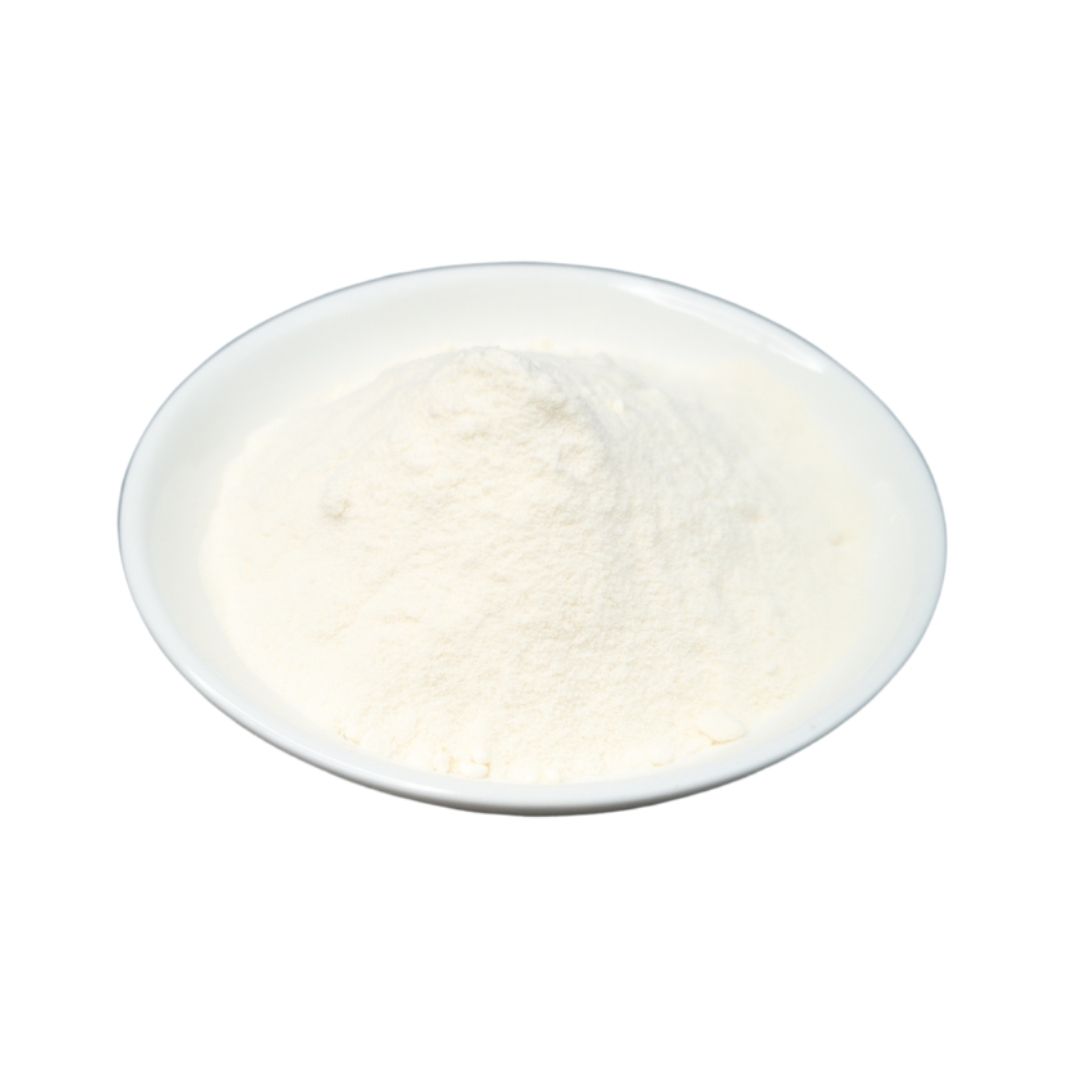
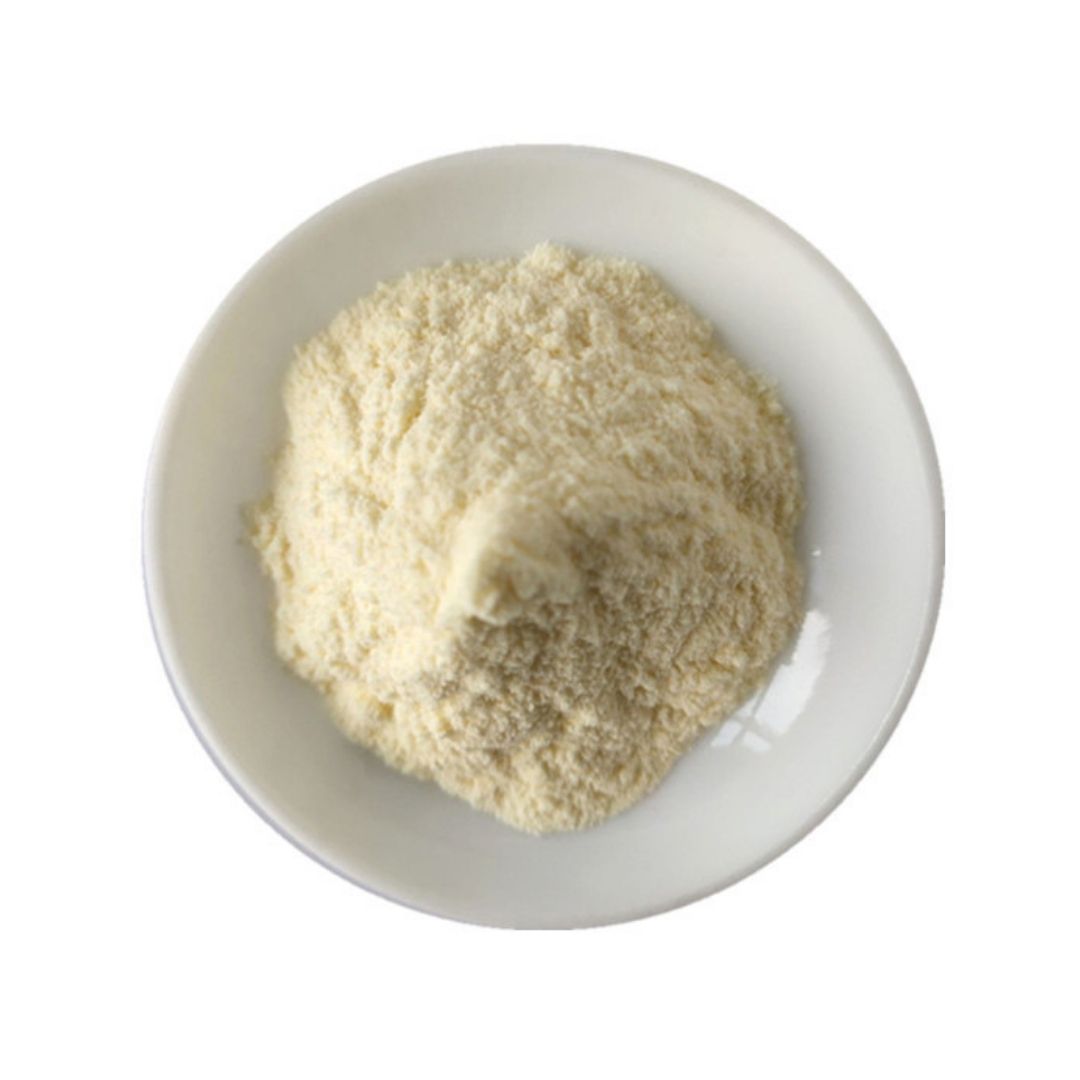
Derived from dried figs, fig powder is a versatile ingredient, retaining the inherent sweetness, fiber, and mineral content of fresh figs. The powder form allows for easy incorporation into a variety of food products, providing both nutritional enrichment and unique flavor enhancement. Because of its natural sugars and characteristic taste, it serves as a healthier alternative to refined sweeteners.
Production Process
The production of fig powder begins with selecting high-quality, ripe figs. These figs are thoroughly cleaned and inspected before being subjected to a drying process, typically involving hot air drying or freeze-drying. Hot air drying uses controlled temperatures to remove moisture while preserving the figs' natural properties [1]. Freeze-drying, on the other hand, involves freezing the figs and then removing the ice through sublimation under vacuum, which better retains the figs' original flavor and nutritional compounds [2]. Once dried, the figs are milled into a fine powder using industrial grinders. The powder is then sifted to ensure uniform particle size and packaged to prevent moisture absorption and maintain product quality.
Product Applications
Fig powder finds applications across the food industry. It can be incorporated into baked goods such as cakes, muffins, and bread to add natural sweetness and a subtle fig flavor [3]. It can be blended into smoothies and shakes, enhancing their nutritional profile with added fiber, vitamins, and minerals. Fig powder is also used in the production of natural sweeteners and fruit-based fillings for pastries and confectionery items [4]. In savory applications, it can be used as a component in spice rubs for meats or as a thickening agent in sauces, contributing a unique flavor dimension.
Packaging and Storage
To ensure the longevity and quality of fig powder, appropriate packaging and storage conditions are essential. The powder should be packaged in airtight containers, such as sealed bags or jars, to prevent exposure to moisture and air [5]. Optimal storage conditions include keeping the product in a cool, dry, and dark environment, away from direct sunlight and temperature fluctuations [6]. Under these conditions, fig powder can maintain its quality and nutritional properties for an extended period, typically up to 12-18 months [7]. Proper storage helps prevent clumping, color degradation, and loss of flavor, ensuring that the powder remains a viable ingredient for various applications.
Citations
[1] Nowacka, M., Wiktor, A., Erecińska, K., Śledź, M., Jurek, N., & Witrowa-Rajchert, D. (2019). The influence of hot air temperature and air velocity on the drying kinetics, color, and shrinkage of cranberries. Innovative Food Science & Emerging Technologies, 51, 24-32.
[2] Ratti, M. (2001). Textural properties of freeze-dried foods. Drying Technology, 19(1), 1-22.
[3] Kodad, O., et al. (2016). Effect of fig (Ficus carica L.) fruit on dough rheology and bread quality. Journal of Food Science and Technology, 53(2), 993-1001.
[4] Aktaş, M., Altan, A., & Güneş, G. (2008). Use of fig fruit (Ficus carica L.) as a natural sweetener in food industry. Journal of Food Engineering, 85(4), 519-528.
[5] Robertson, G. L. (2013). Food Packaging: Principles and Practice. CRC press.
[6] Fellows, P. J. (2017). Food Processing Technology: Principles and Practice. Woodhead Publishing.
[7] Kiran, M., & Furtado, A. (2021). Shelf Life and Storage of Food Products. In Postharvest Biology and Technology of Horticultural Crops (pp. 407-436). Wiley.

As a sales manager, I’m here to make sure you get exactly what you need for your dietary supplements. From sourcing to delivery, I’m always by your side, ensuring smooth and friendly service. Let’s make your products even better! 🥰🌿