

Product Introduction
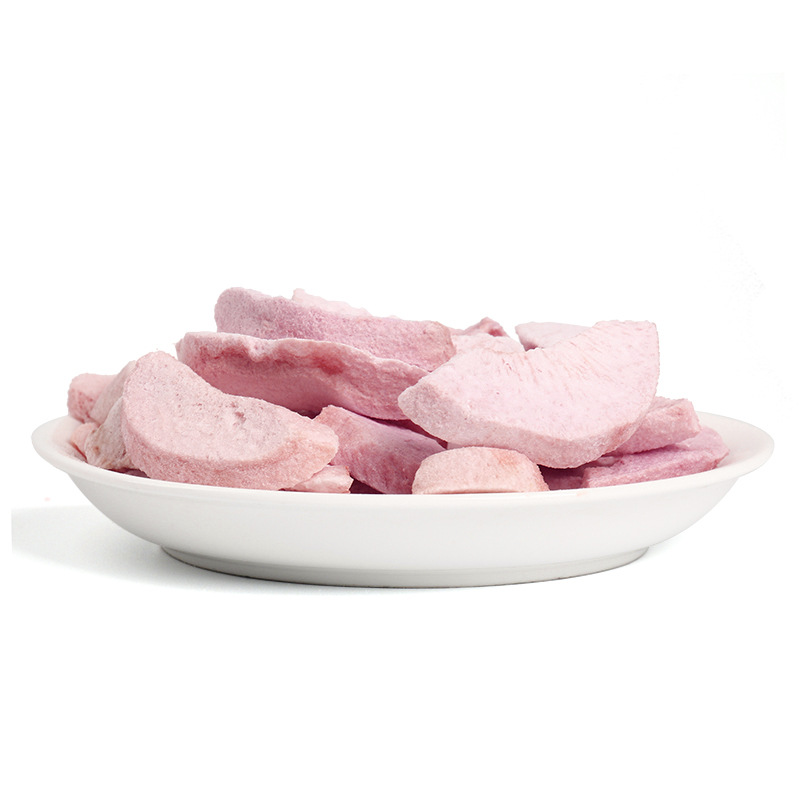
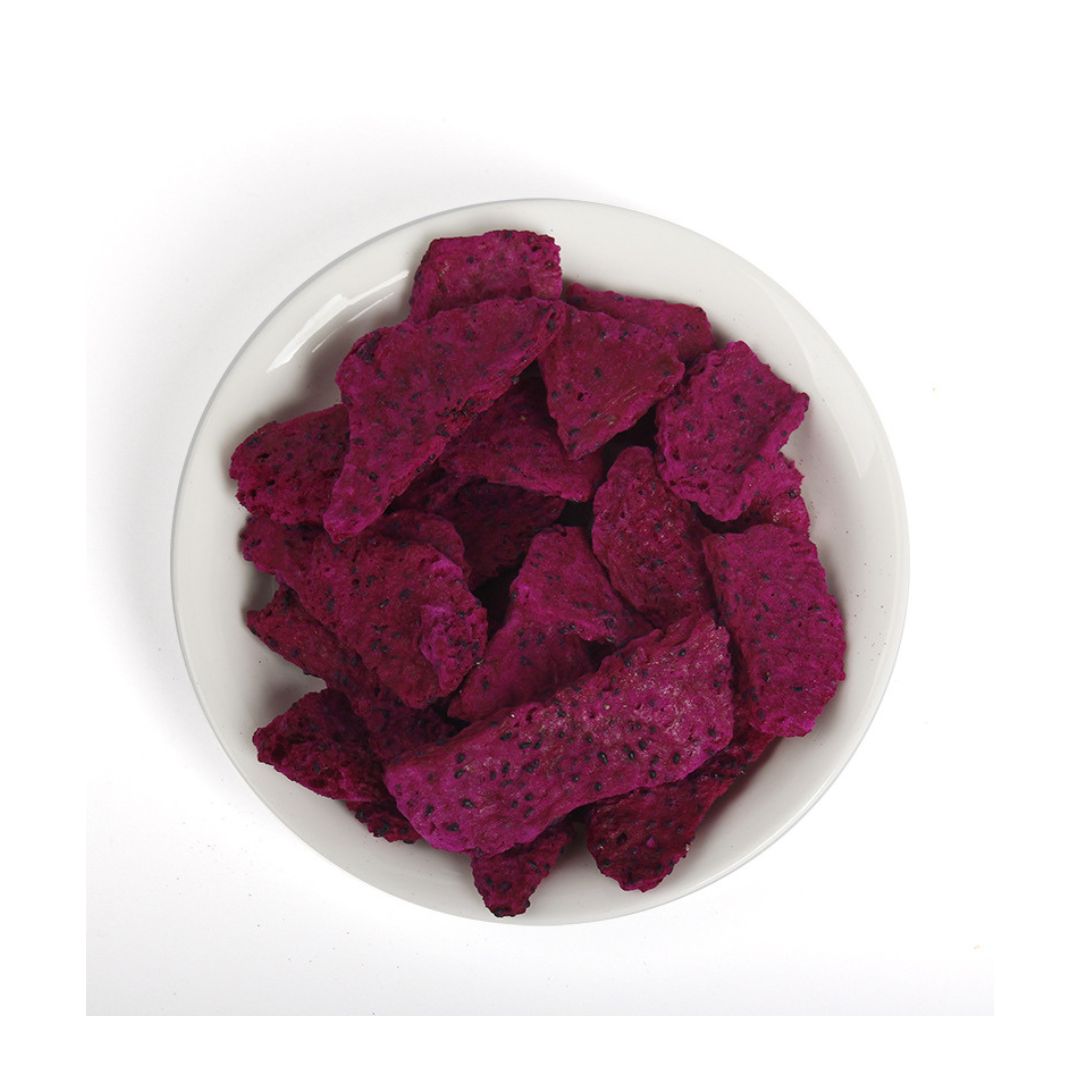
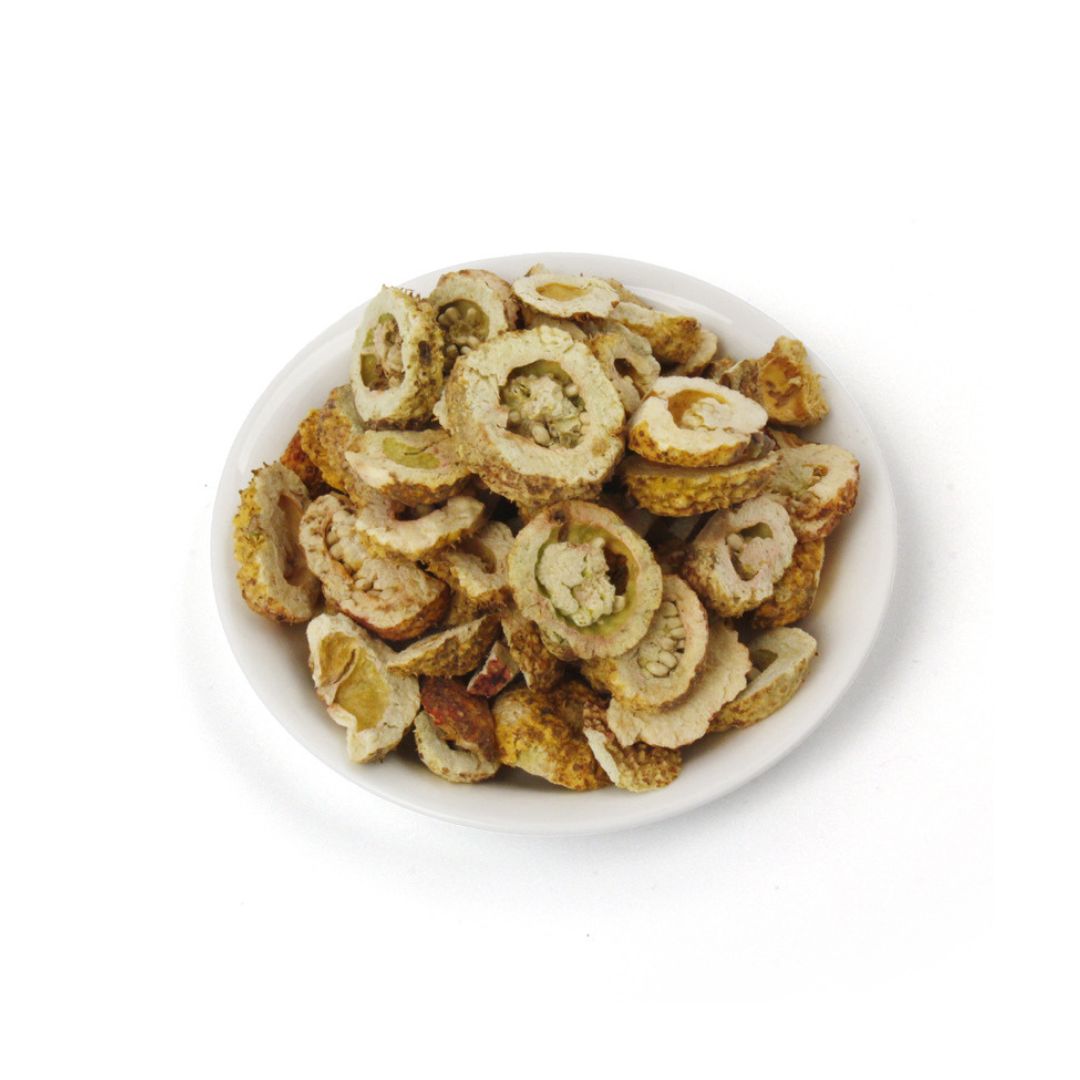
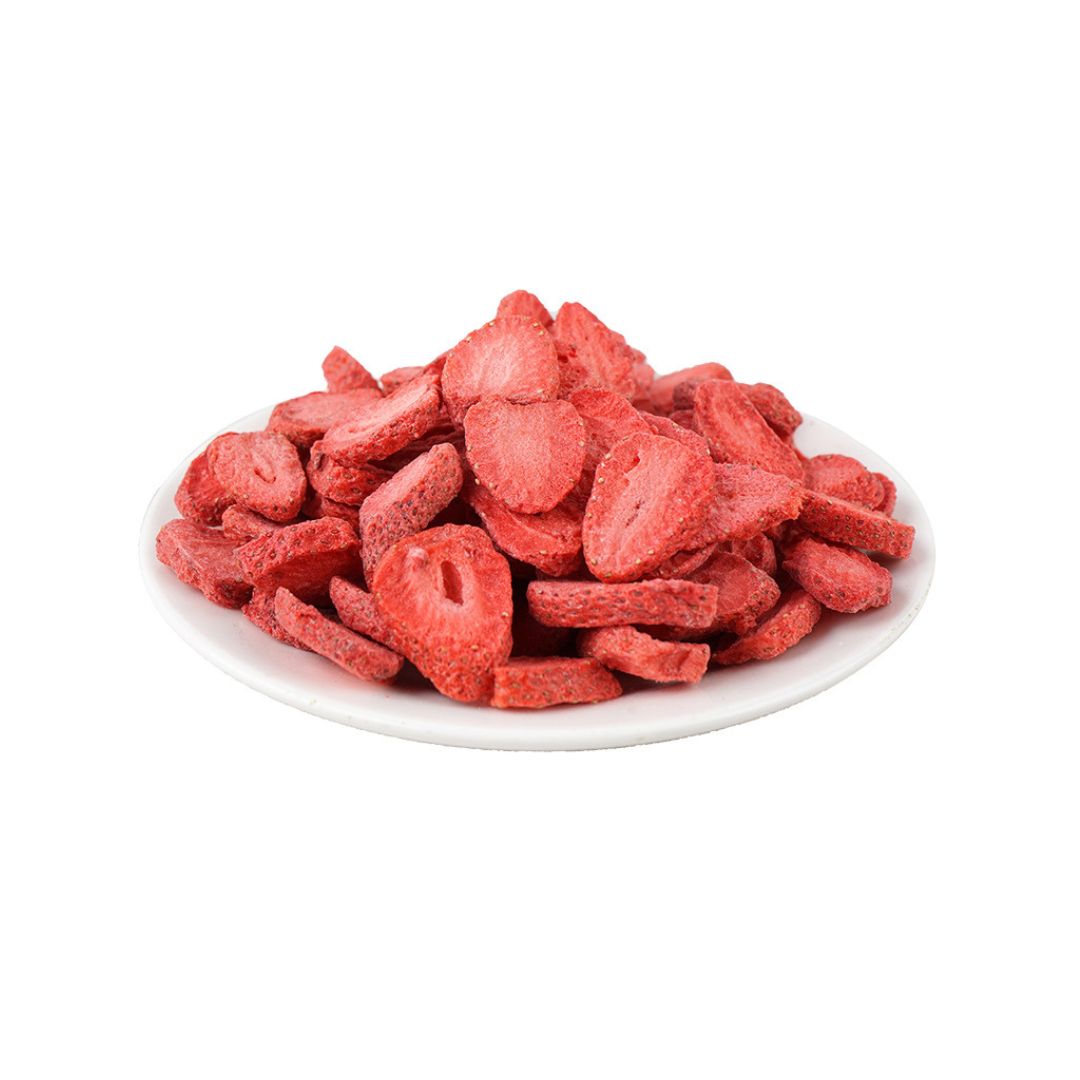
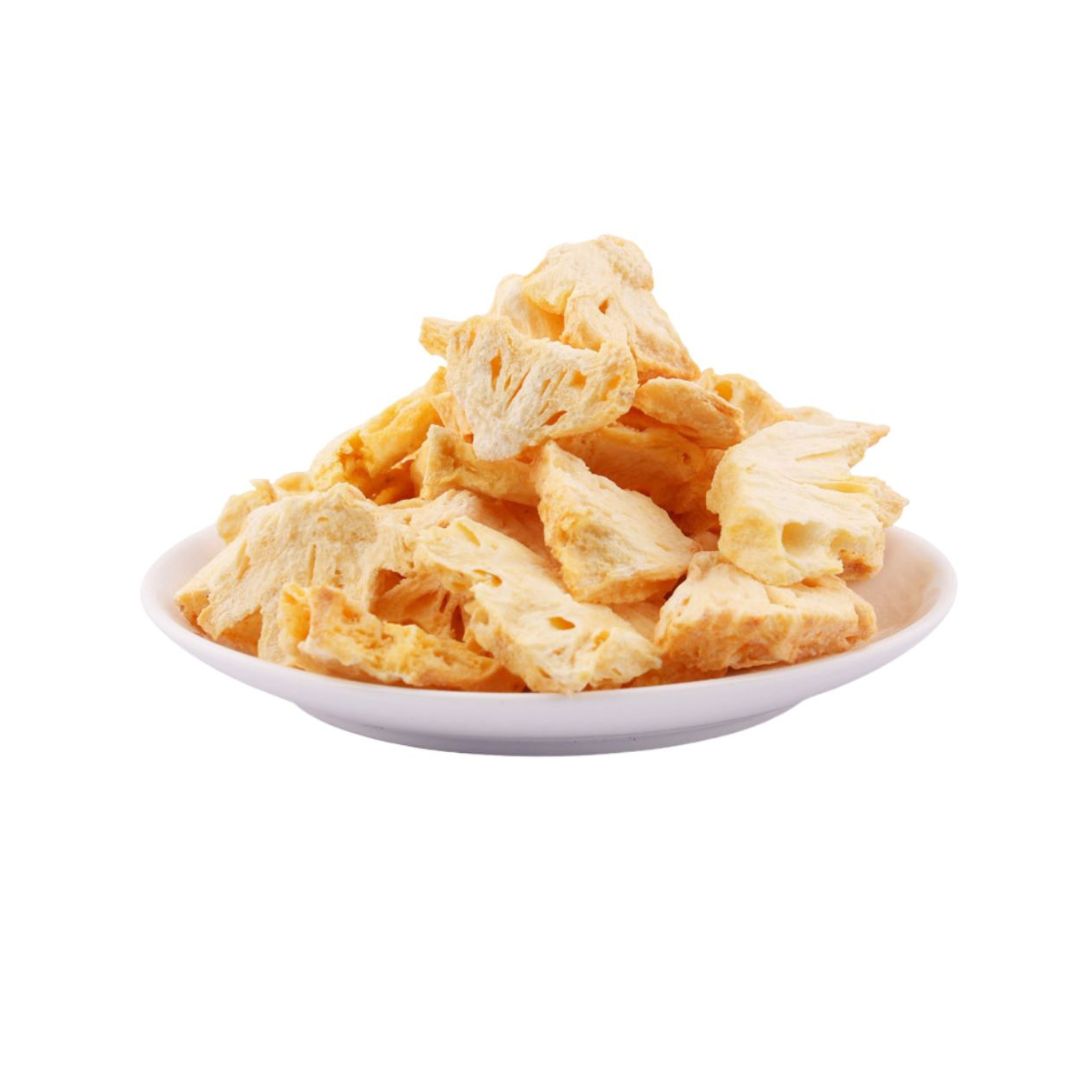
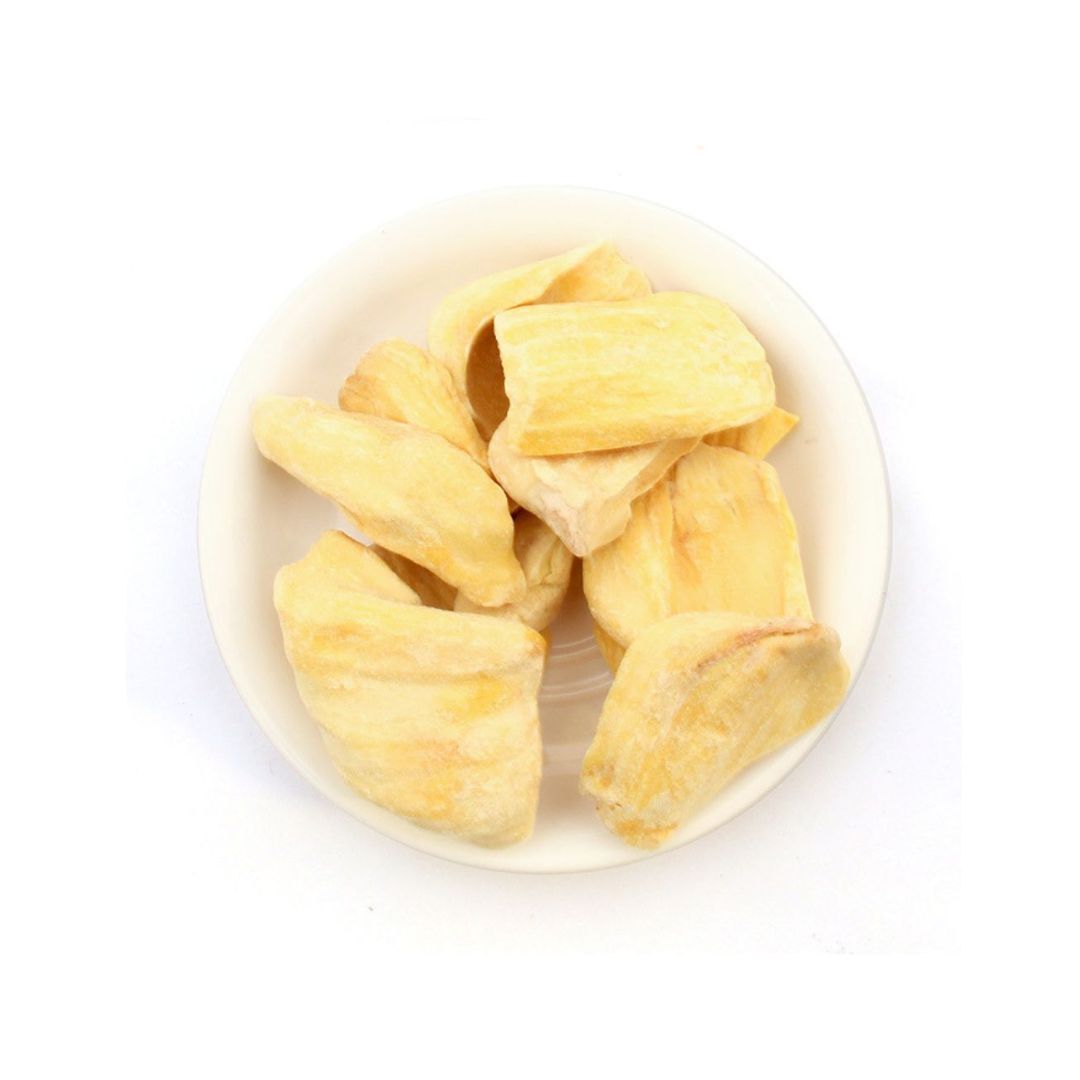
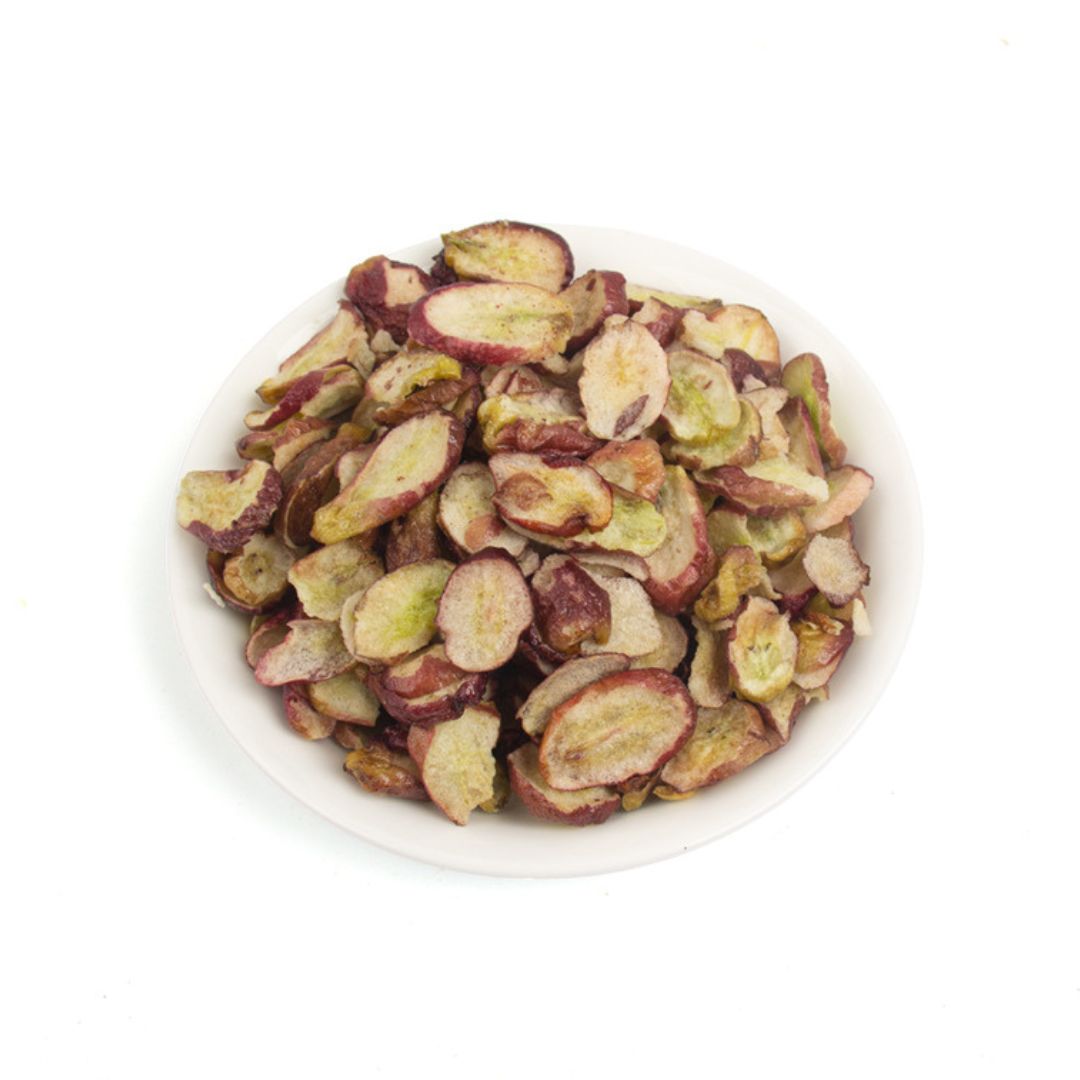
Freeze-dried red grape slices are made from fresh red grapes that undergo a freeze-drying process, which removes water while preserving the fruit's natural flavor, color, and nutrients. These slices offer a convenient and healthy snacking option, retaining many of the benefits of fresh grapes in a shelf-stable form.
Production Process
The production of freeze-dried red grape slices begins with selecting high-quality, ripe red grapes, these grapes are then thoroughly washed and sliced. Next, the slices are placed in a freeze-drying chamber. The chamber freezes the grapes at very low temperatures, and a vacuum is applied to sublimate the ice crystals directly into vapor, this process removes almost all the moisture from the grapes, resulting in light, crispy slices that maintain their original nutritional value and flavor. Finally, the freeze-dried slices are packaged to protect them from moisture and air.
Nutritional Composition Table
| Nutrient | Amount per 100g |
|---|---|
| Calories | 340 kcal |
| Carbohydrates | 85g |
| Fiber | 5g |
| Sugars | 70g |
| Protein | 4g |
| Vitamin C | 10mg |
| Vitamin K | 22mcg |
| Potassium | 750mg |
| Antioxidants (e.g., Resveratrol) | Varies |
Note: Nutritional values may vary based on grape variety and processing methods.
Product Benefits and Functions
Freeze-dried red grape slices offer several health benefits, they are rich in antioxidants, such as resveratrol which supports cardiovascular health by helping to reduce inflammation and prevent the oxidation of LDL cholesterol [1]. The vitamin C content boosts the immune system, aiding the body in fighting off infections [2]. The fiber in grapes promotes digestive health by adding bulk to the diet and supporting regular bowel movements [3]. Additionally, the natural sugars in grapes provide a quick and sustained energy source, making them a healthy snack option [4].
Product Application Scenarios
Freeze-dried red grape slices are versatile and can be used in various applications; they can be enjoyed as a standalone snack, providing a healthy alternative to processed snacks. These slices can be added to breakfast cereals, granola, or yogurt for an extra boost of flavor and nutrition, they are also an excellent addition to trail mixes, combining well with nuts and seeds for a balanced snack [5]. In baking, freeze-dried grape slices can be incorporated into muffins, cakes, and cookies, adding a fruity flavor and chewy texture [6]. Furthermore, they can be used as a decorative and flavorful garnish for desserts and beverages.
Botanical Source
Red grapes, scientifically known as Vitis vinifera, are native to the Mediterranean region and Central Asia, they have been cultivated for thousands of years. Numerous varieties exist, each with unique characteristics. Red grapes are known for their high levels of antioxidants and are widely used in the production of wine, juice, and dried fruits [7]. The specific variety used for freeze-dried slices can vary, but common choices include those known for their sweetness, color, and robust flavor profiles.
Packaging and Storage
To maintain their quality, freeze-dried red grape slices should be packaged in airtight containers or resealable bags, this protects them from moisture and air, which can degrade their texture and flavor. Ideally, they should be stored in a cool, dry place away from direct sunlight, this helps to prolong their shelf life and preserve their nutritional content. When stored properly, freeze-dried red grape slices can last for several months to a year [8].
Citations
[1] Bradamante, M., Barenghi, L., & Villa, A. (2004). Cardiovascular effects of resveratrol. Cardiovascular Drug Reviews, 22(3), 169-188.
[2] Carr, A. C., & Maggini, S. (2017). Vitamin C and Immune Function. Nutrients, 9(11), 1211.
[3] Anderson, J. W., et al. (1998). Health implications of dietary fiber. Nutrition Reviews, 56(1), 1-18.
[4] Riboli, E., & Tjønneland, A. (2001). Diet, cancer and DNA damage. European Journal of Cancer Prevention, 10(6), 505-513.
[5] Mudryj, A. N., Yu, N., & Aukema, H. M. (2012). Nutritional and health benefits of pulses. Applied Physiology, Nutrition, and Metabolism, 37(6), 1197-1206.
[6] McGee, H. (2004). On Food and Cooking: The Science and Lore of the Kitchen. Scribner.
[7] Johnson, H. (1989). The World Atlas of Wine. Simon & Schuster.
[8] Ratti, C. (2001). Hot air and freeze-drying of high-value foods: a review. Journal of Food Engineering, 49(4), 311-319.

As a sales manager, I’m here to make sure you get exactly what you need for your dietary supplements. From sourcing to delivery, I’m always by your side, ensuring smooth and friendly service. Let’s make your products even better! 🥰🌿