

Product Introduction
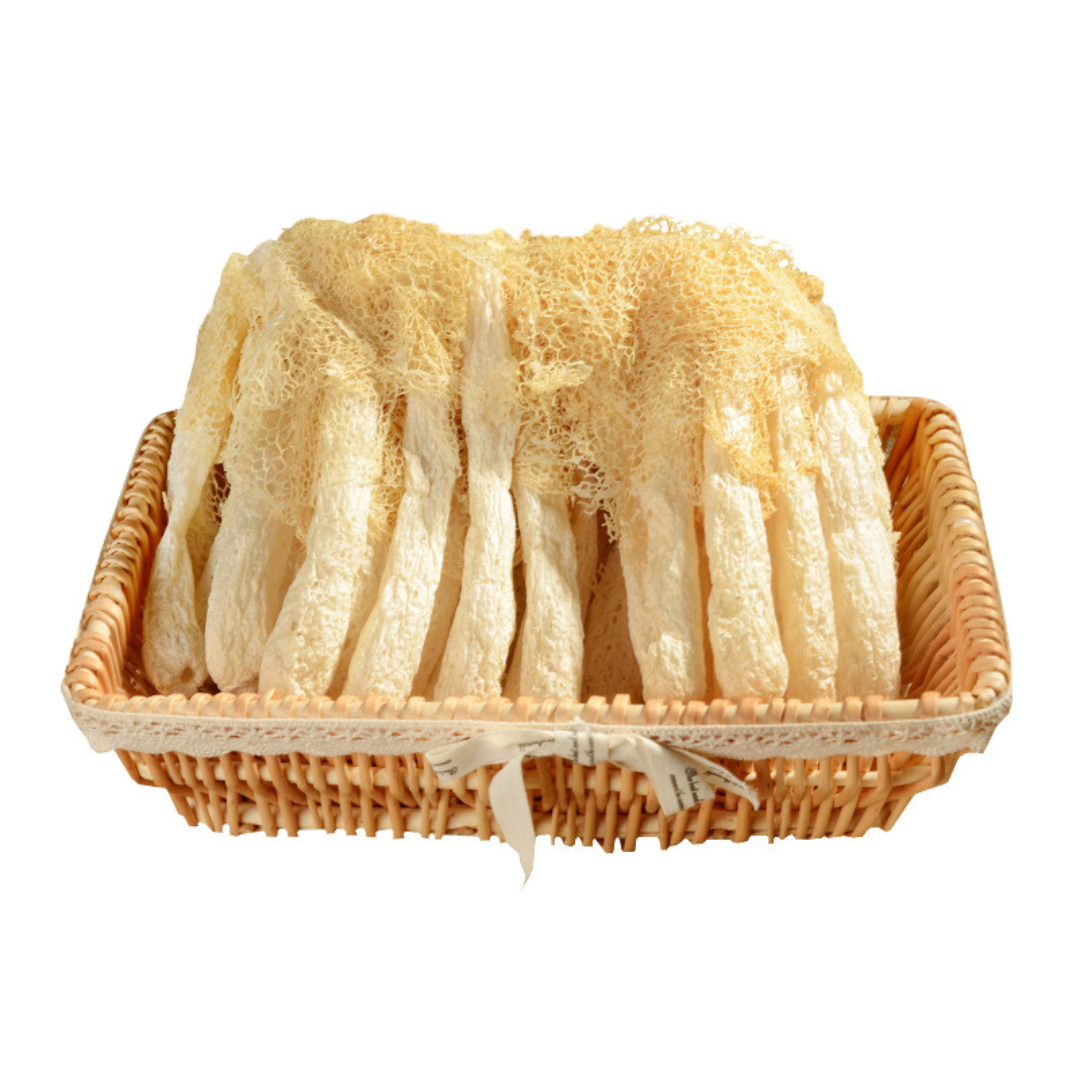
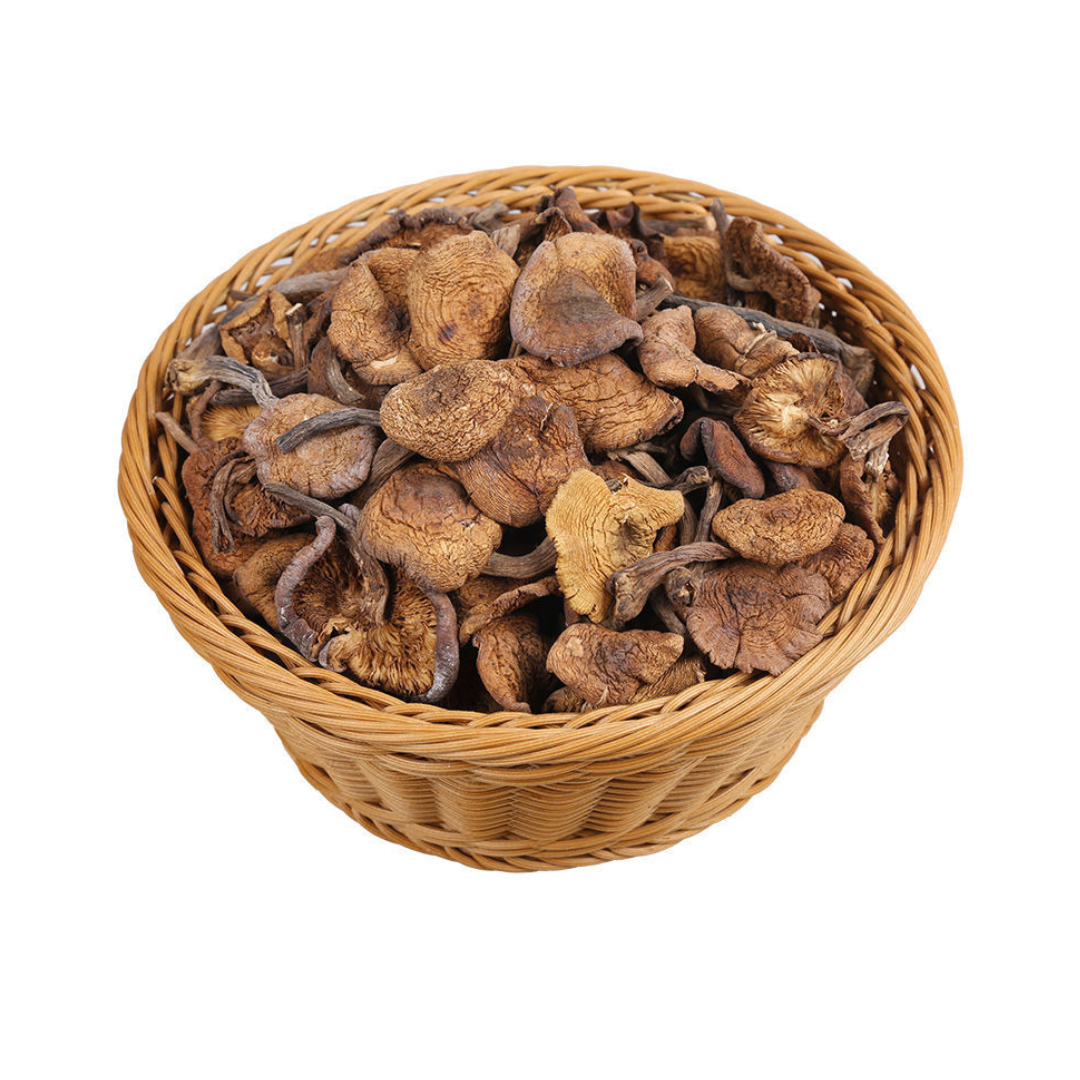
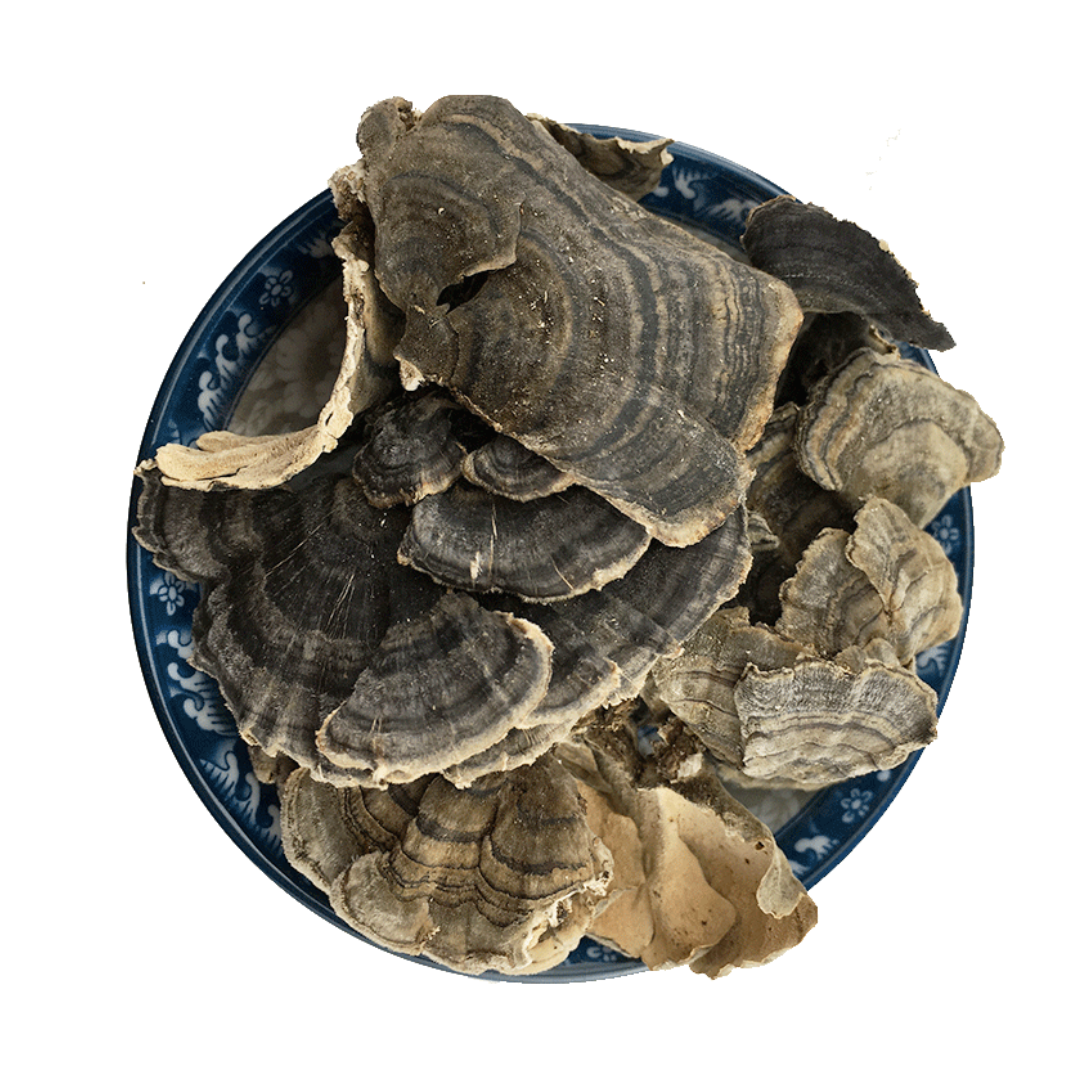
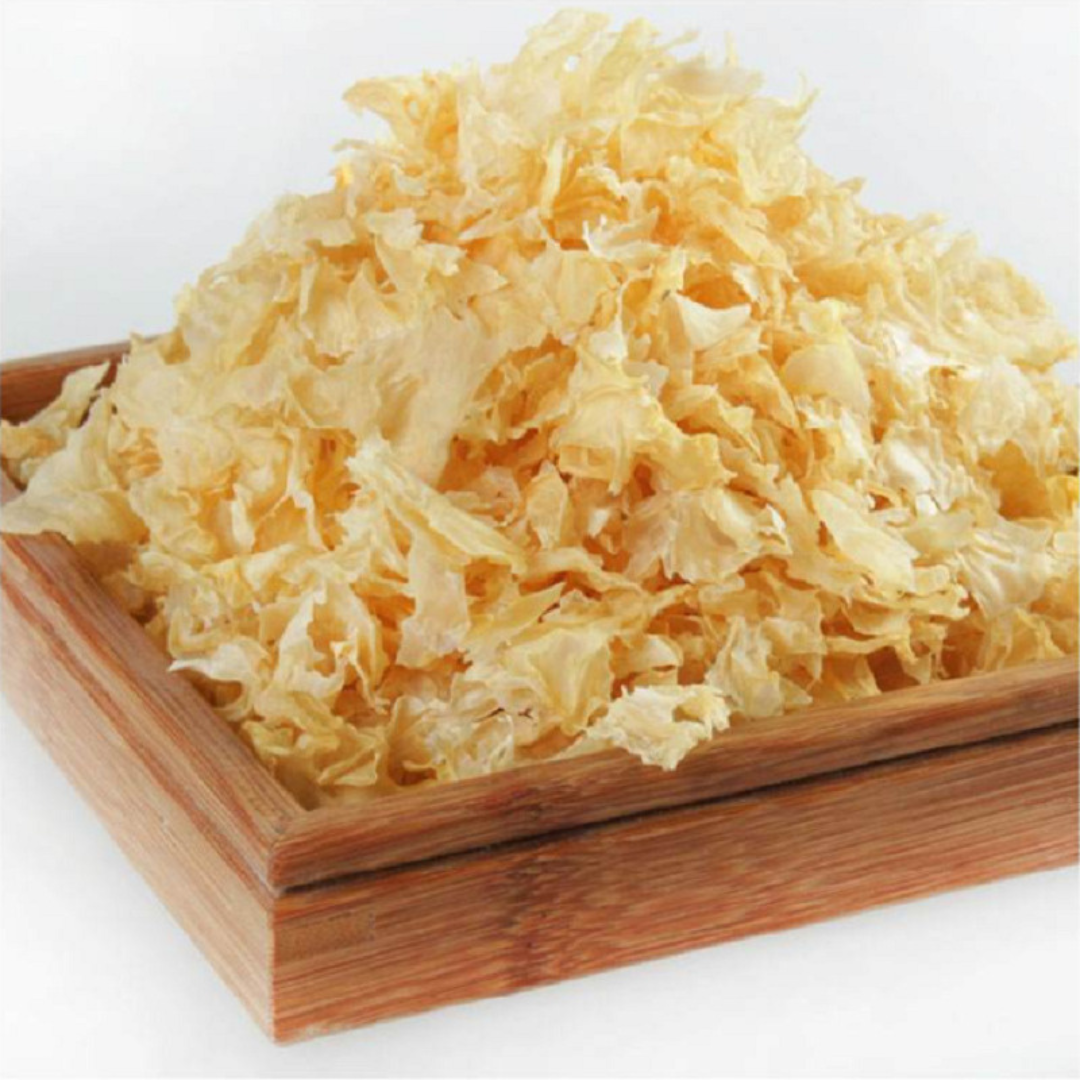
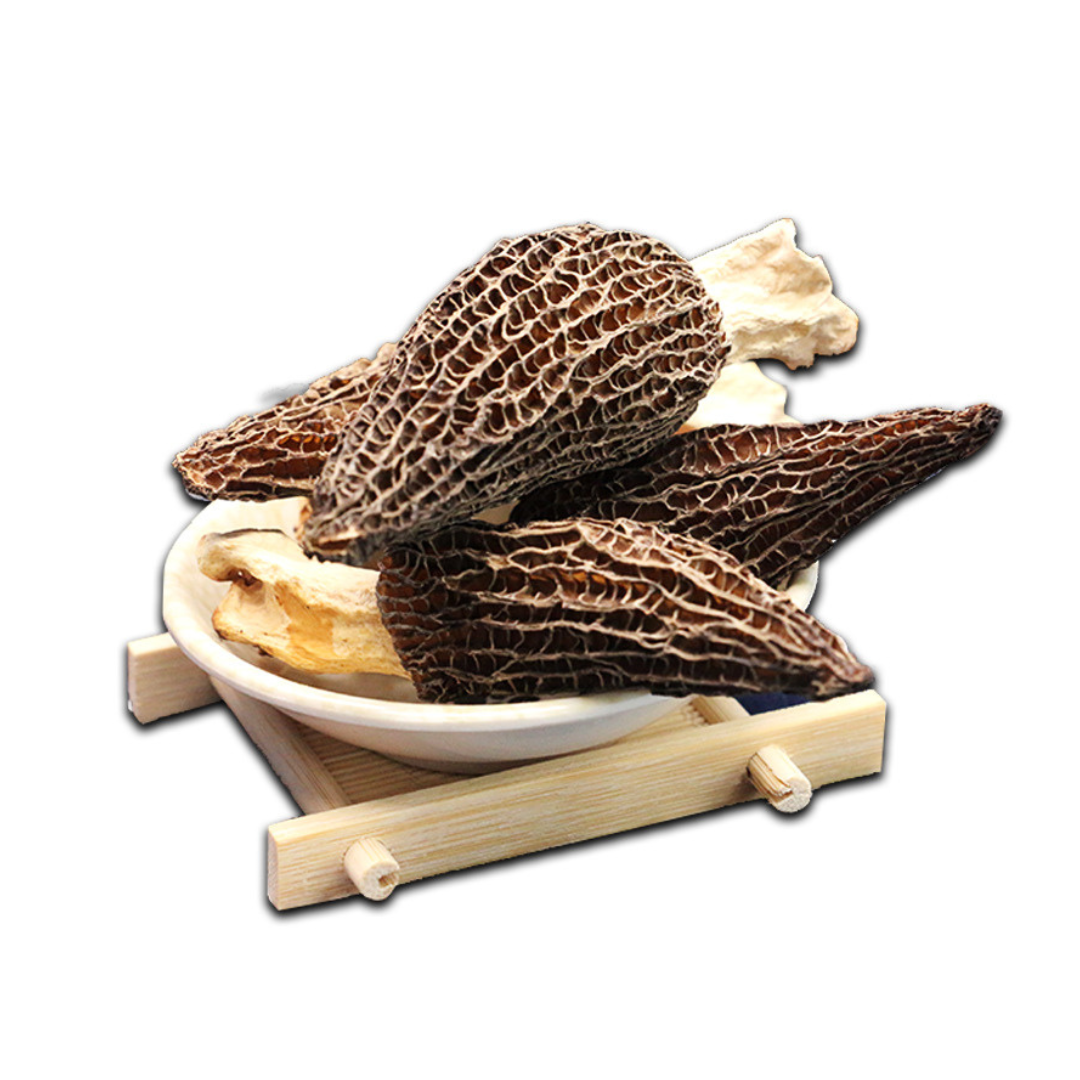
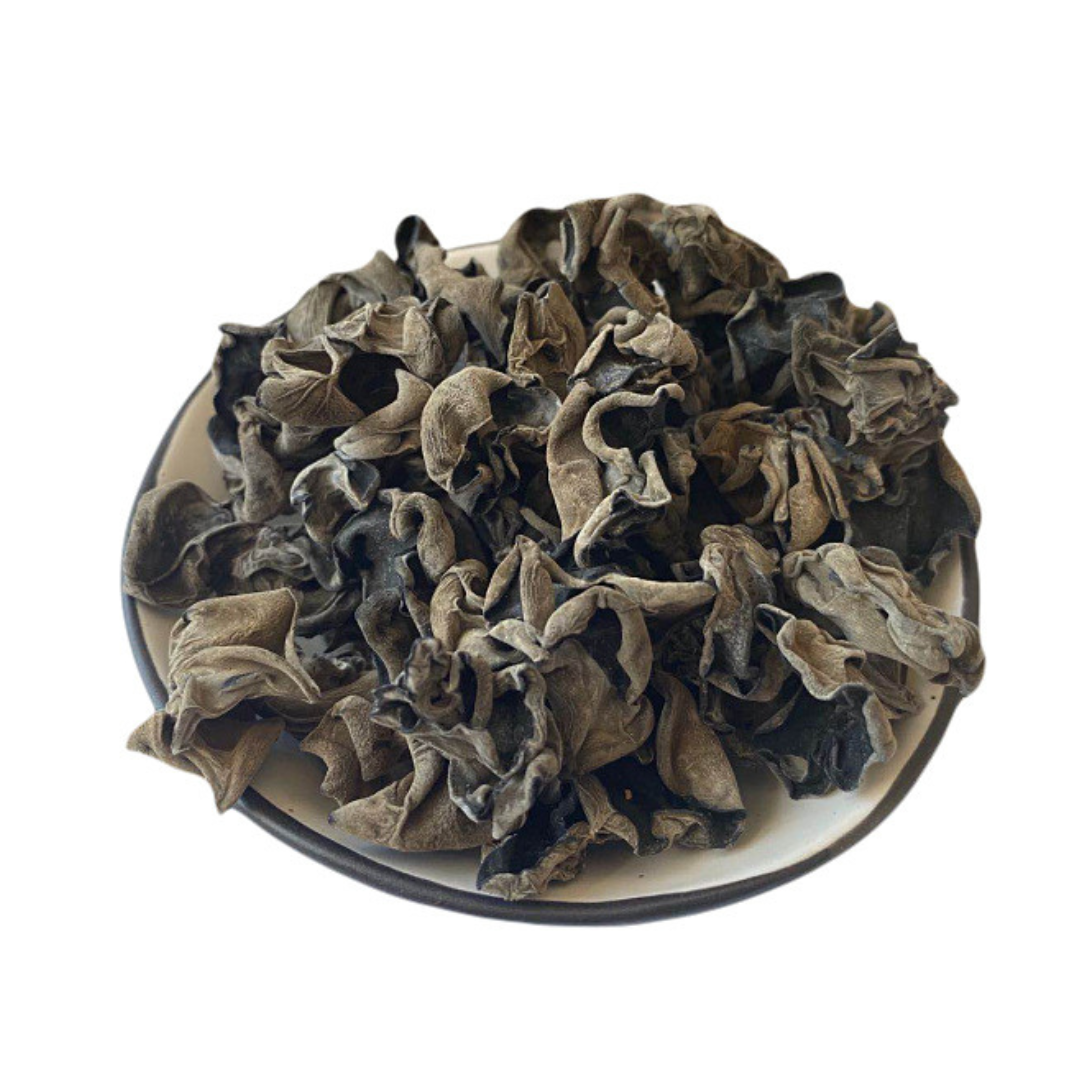
Fungus powder is derived from dried and pulverized fungi, offering a concentrated source of flavor and nutrients. Different species of fungi, such as shiitake, porcini, and oyster mushrooms, can be used to create fungus powder, leading to variations in taste, aroma, and nutritional profile. The powder form allows for versatile applications in the food industry and as a dietary supplement.
Production Process
The production of fungus powder involves several key steps. First, fresh fungi are harvested and selected for quality. These fungi are then thoroughly cleaned to remove any dirt or debris. After cleaning, the fungi are sliced or diced to increase the surface area for drying. Drying methods include hot air drying, freeze-drying, and vacuum drying; each method affects the final product's quality and characteristics. Once fully dried, the fungi are milled into a fine powder using industrial grinders or mills. The powder is then sieved to ensure uniform particle size. Finally, the fungus powder is packaged and stored under controlled conditions to maintain its quality and prevent degradation.
Product Applications
Fungus powder has diverse applications. In the culinary world, it serves as a natural flavor enhancer in soups, sauces, and dry rubs. It can also be incorporated into processed foods such as snack foods, seasonings, and instant noodles to add umami flavor and nutritional value. As a dietary supplement, fungus powder is valued for its potential health benefits, including immune support and antioxidant properties [1, 2]. It may be encapsulated or added to smoothies and other beverages.
Packaging and Storage
Proper packaging and storage are crucial for maintaining the quality of fungus powder. The powder should be packaged in airtight containers, such as sealed bags or jars, to prevent moisture absorption and oxidation. Storage in a cool, dry place, away from direct sunlight, is recommended to prolong the shelf life and preserve the flavor and nutritional properties. Maintaining these conditions helps prevent the growth of mold and bacteria, ensuring the product remains safe for consumption.
Citations
[1] Miles, P. G., & Chang, S. T. (2004). Mushrooms: Cultivation, Nutritional Value, Medicinal Effect, and Environmental Impact. John Wiley & Sons.
[2] Mattila, P., et al. (2002). "Vitamin D contents of edible mushrooms." Journal of Agricultural and Food Chemistry, 50(23), 6685-6690.

As a sales manager, I’m here to make sure you get exactly what you need for your dietary supplements. From sourcing to delivery, I’m always by your side, ensuring smooth and friendly service. Let’s make your products even better! 🥰🌿