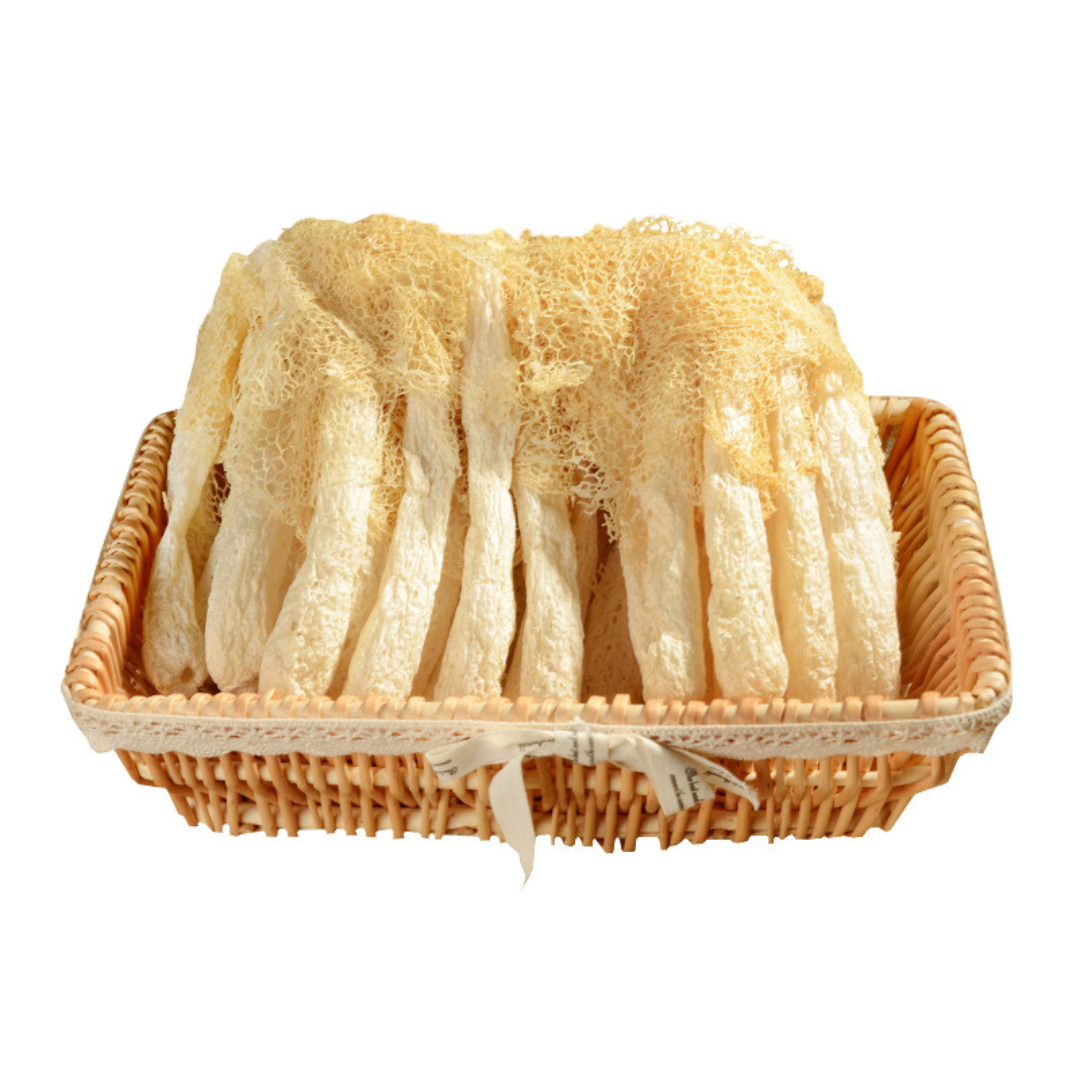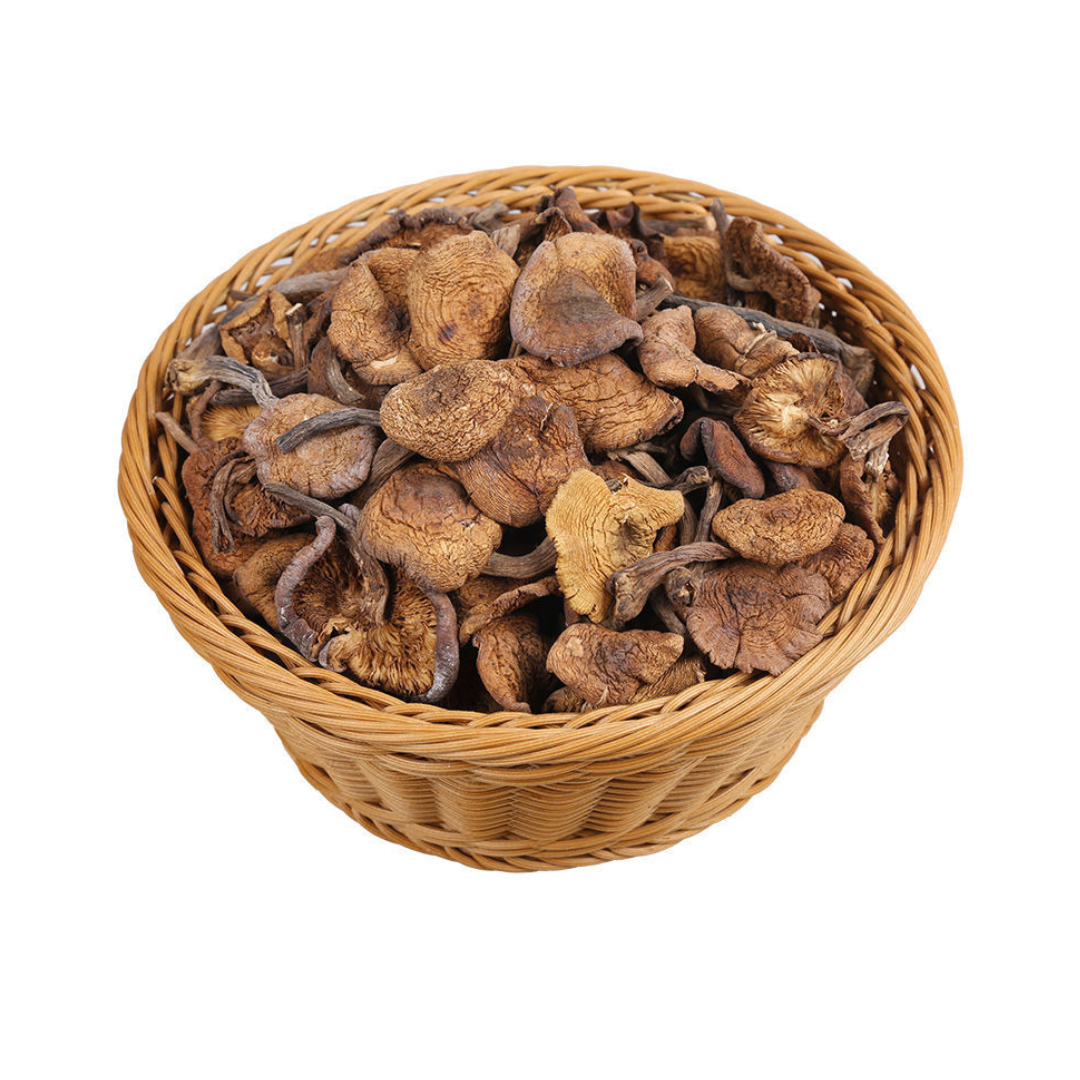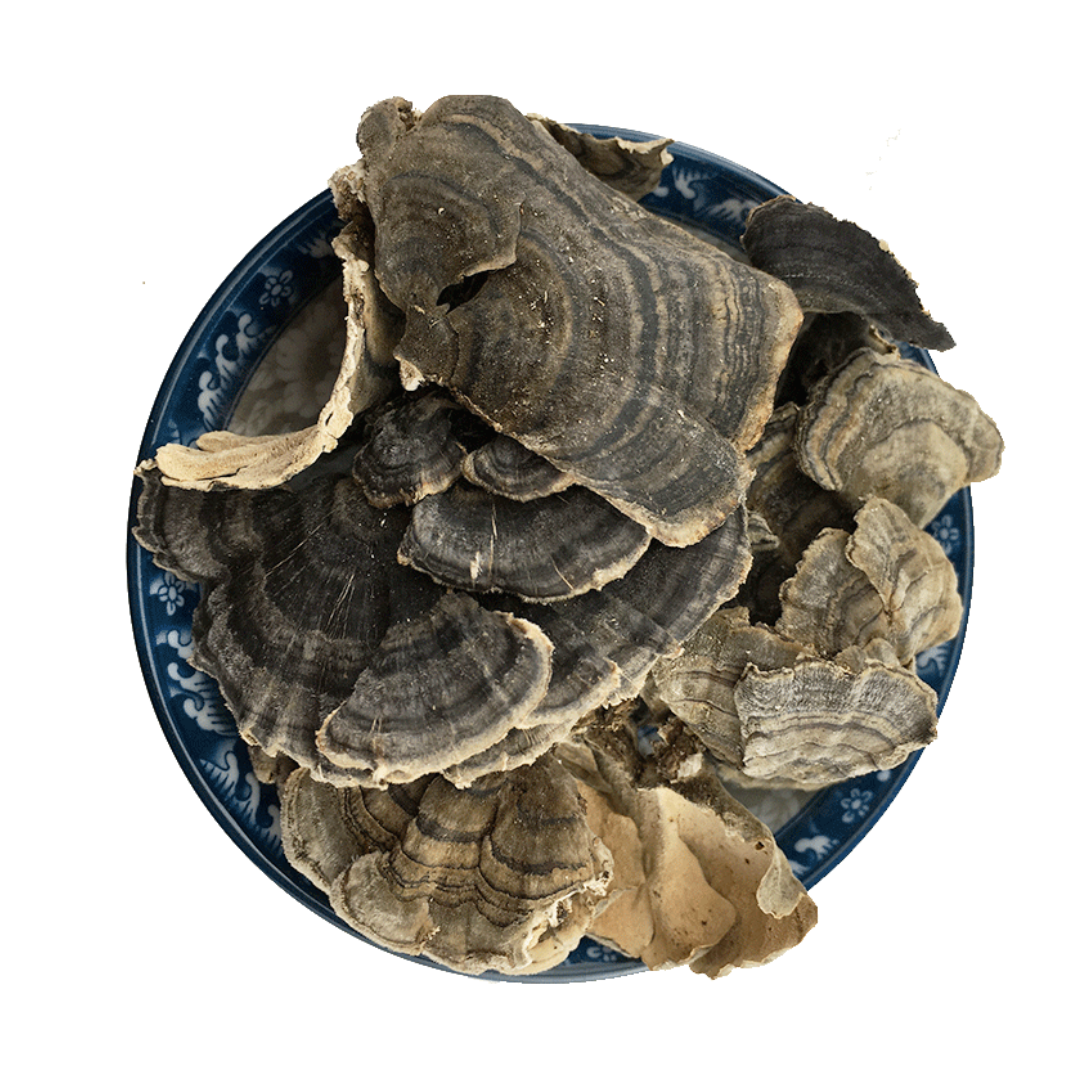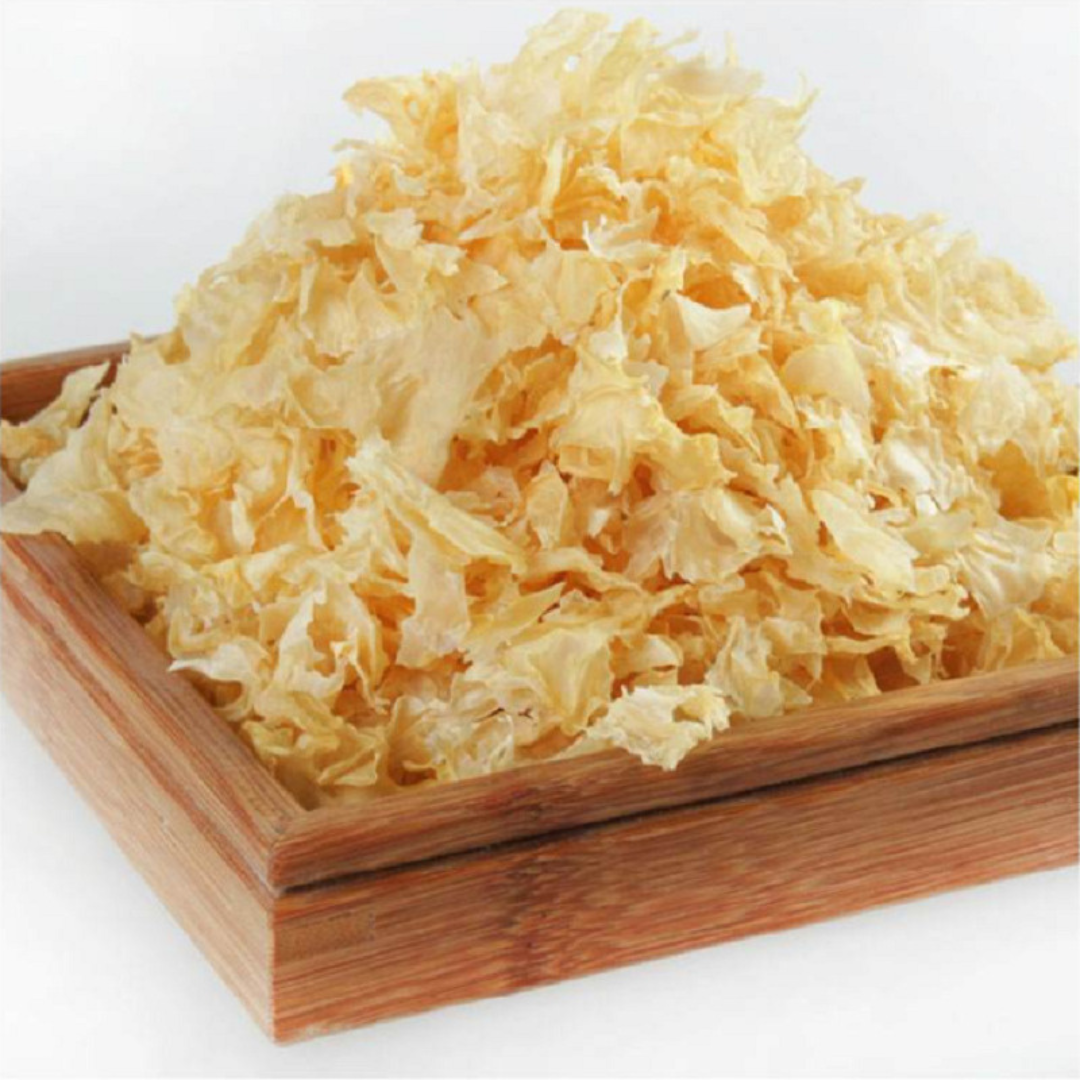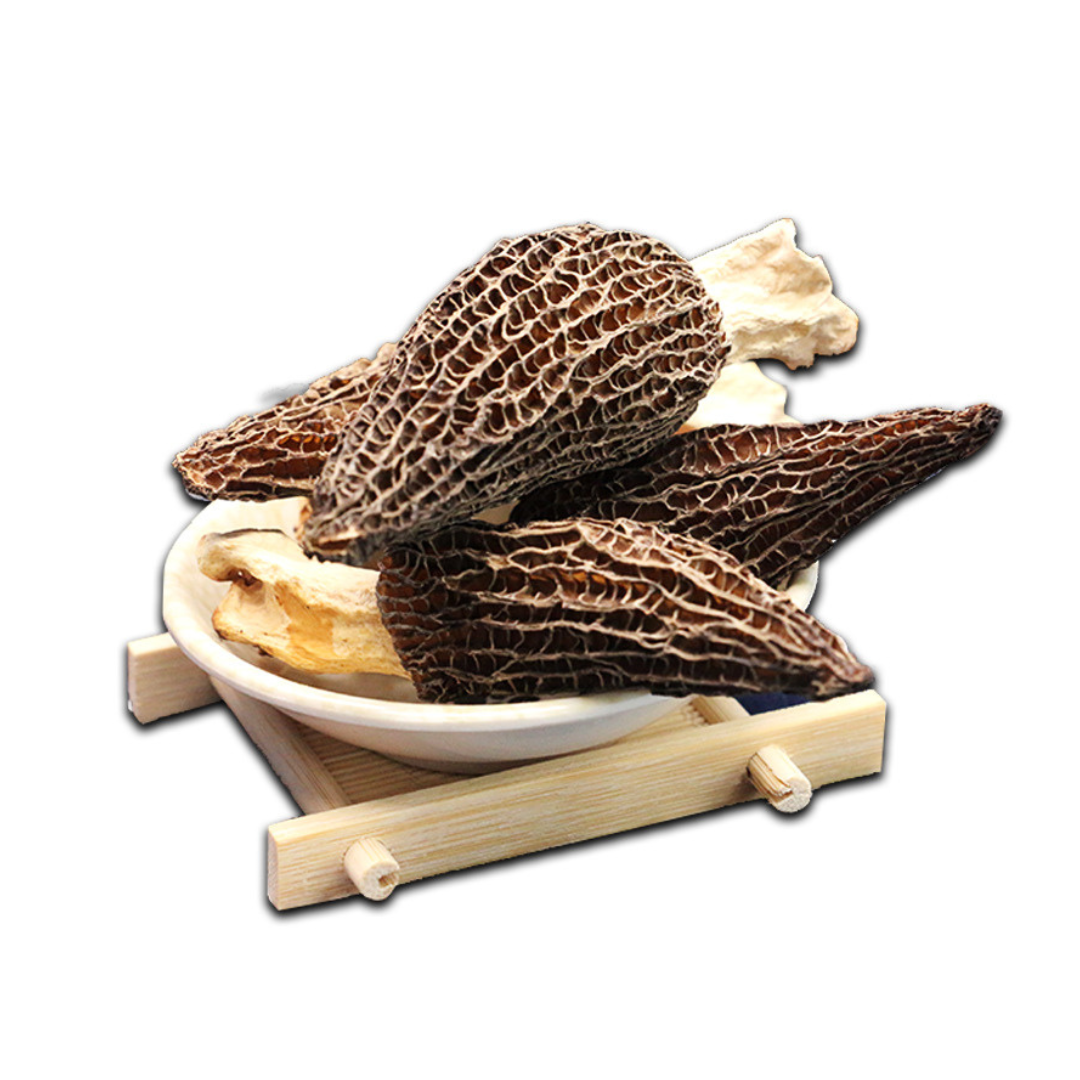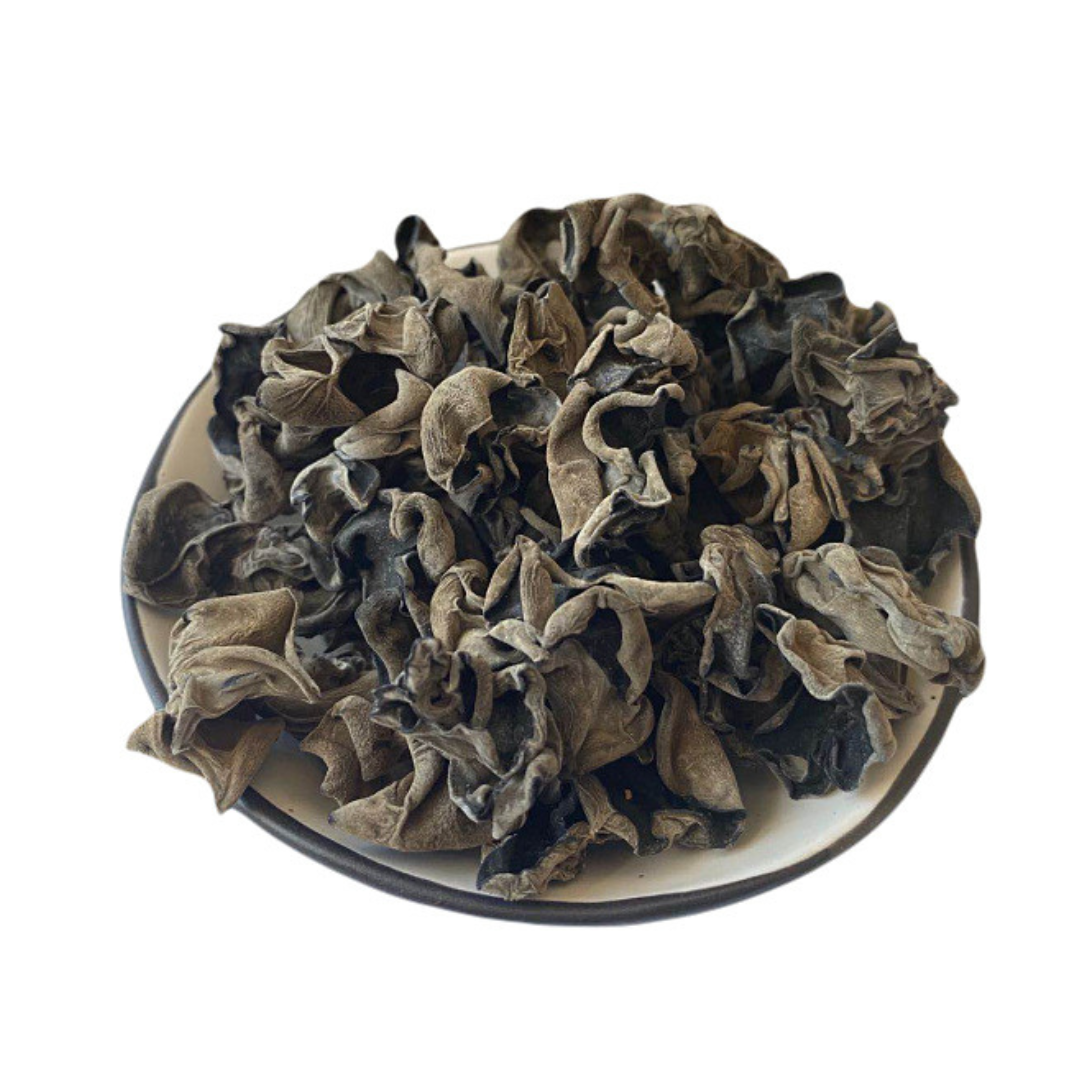


Product Introduction
Fungus silk powder is derived from Tremella fuciformis, a popular edible mushroom also known as white fungus or snow fungus. This fungus, found in subtropical and tropical regions, has been used for centuries in traditional Chinese medicine and cuisine [1]. The powder form is produced through dehydration and grinding or milling processes, which concentrates its bioactive compounds, such as polysaccharides, and enhances its versatility in various applications [2]. The use of fungus silk powder is gaining traction in the food and beverage industry, as well as in the cosmetics and nutraceutical sectors, due to its textural and potential health benefits [3].
Production Process
The production of fungus silk powder typically involves several key steps, starting with the selection of high-quality Tremella fuciformis fruiting bodies. The raw material is then cleaned to remove any adhering substrates or impurities [4]. A crucial step is the dehydration process, which can be achieved through various methods, including hot air drying, vacuum freeze-drying, or microwave drying [5]. Hot air drying is a common and cost-effective method, but it can potentially lead to some loss of heat-sensitive compounds. Freeze-drying, on the other hand, preserves the structural and nutritional integrity of the fungus more effectively, but it is a more expensive process [6]. After dehydration, the dried Tremella fuciformis is milled into a fine powder, with particle size controlled according to the desired application [7]. Finally, the powder is packaged under controlled conditions to maintain its quality and prevent moisture absorption [8].
Product Applications
Fungus silk powder has a wide range of applications across different industries. In the food and beverage sector, it is used as a natural thickening agent, stabilizer, and texture enhancer in soups, desserts, and beverages [9]. Its water-retaining properties contribute to improved mouthfeel and product stability. In the cosmetics industry, fungus silk powder is incorporated into skincare products, such as creams, lotions, and masks, due to its hydrating and anti-aging properties [10]. The polysaccharides present in Tremella fuciformis are believed to help improve skin elasticity and reduce the appearance of wrinkles [11]. Furthermore, the powder is used in dietary supplements and nutraceuticals because of its potential health benefits, including antioxidant, anti-inflammatory, and immune-modulating effects [12]. Research suggests that Tremella fuciformis polysaccharides may have beneficial effects on cholesterol levels and gut health [13].
Packaging and Storage
Proper packaging and storage are essential to maintaining the quality and extending the shelf life of fungus silk powder. The powder should be packaged in airtight, moisture-proof containers to prevent clumping and degradation [14]. Materials such as food-grade plastic bags or glass jars with tight-fitting lids are commonly used. It is recommended to store the packaged powder in a cool, dry place, away from direct sunlight and heat sources [15]. The ideal storage temperature is typically between 15°C and 25°C. Under these conditions, fungus silk powder can typically maintain its quality for 12-24 months. Regular monitoring of the powder's appearance, odor, and moisture content is recommended to ensure its quality during storage [16].
Citations:
[1] Ooi, V. E., & Liu, F. (2000). Immunomodulation and anti-cancer activity of polysaccharide-protein complexes. Current medicinal chemistry, 7(7), 715-729.
[2] Cheung, P. C. K. (2008). Bioactive Polysaccharides of Fungal Origin. Foods, 7(1), 1-19.
[3] Du, B., Bian, Z., & Xu, B. (2015). Skin health promotion effects of natural dietary compounds and cosmetic ingredients. Journal of food science, 80(10), R1583-R1592.
[4] Riaz, M. N. (2020). Extrusion Cooking: Technologies and Applications. CRC Press.
[5] Fellows, P. J. (2009). Food processing technology: principles and practice. Elsevier.
[6] Ciurzyńska, A., Lenart, A., & Gondek, E. (2014). Freeze-drying—Application in food processing and biotechnology—A review. LWT-Food Science and Technology, 58(2), 289-302.
[7] Barbosa-Cánovas, G. V., Juliano, P., & Ortega-Rivas, E. (2005). Food Powders. Physical Properties, Processing, and Functionality. Springer.
[8] Marsh, K., & Bugusu, B. (2007). Food packaging—roles, materials, and environmental issues. Journal of Food Science, 72(3), R39-R55.
[9] Dickinson, E. (2003). Hydrocolloids at interfaces and the influence on the properties of dispersed systems. Food Hydrocolloids, 17(1), 25-39.
[10] Evans, M.,্ন্ন্ন্নীJohnson, E. J., & Johnson, J. (2015). The role of phytonutrients in skin health. Nutrients, 7(8), 6586-6607.
[11] Pillai, R., Redmond, M. J., & Lien, A. L. (2005). Ultraviolet radiation and skin aging. International journal of cosmetic science, 27(6), 335-336.
[12] Wasser, S. P. (2002). Medicinal mushrooms as a source of antitumour and immunomodulating polysaccharides. Applied microbiology and biotechnology, 60(3), 258-274.
[13] Kiho, T., Usui, S., Ukawa, K., Hirano, K., Oshima, Y., & Ueno, S. (2000). Structural features and hypoglycemic activity of a polysaccharide (TF-2) from hot-water extract of Tremella fuciformis. Bioscience, biotechnology, and biochemistry, 64(8), 1731-1738.
[14] Rahman, M. S. (2007). Handbook of Food Preservation, Second Edition. CRC Press.
[15] Labuza, T. P. (1982). Shelf Life Dating of Foods. Westport, CT: Food and Nutrition Press.
[16] Kilcast, D., & Subramaniam, P. (2000). The stability and shelf-life of food. CRC press.

As a sales manager, I’m here to make sure you get exactly what you need for your dietary supplements. From sourcing to delivery, I’m always by your side, ensuring smooth and friendly service. Let’s make your products even better! 🥰🌿