

Product Introduction
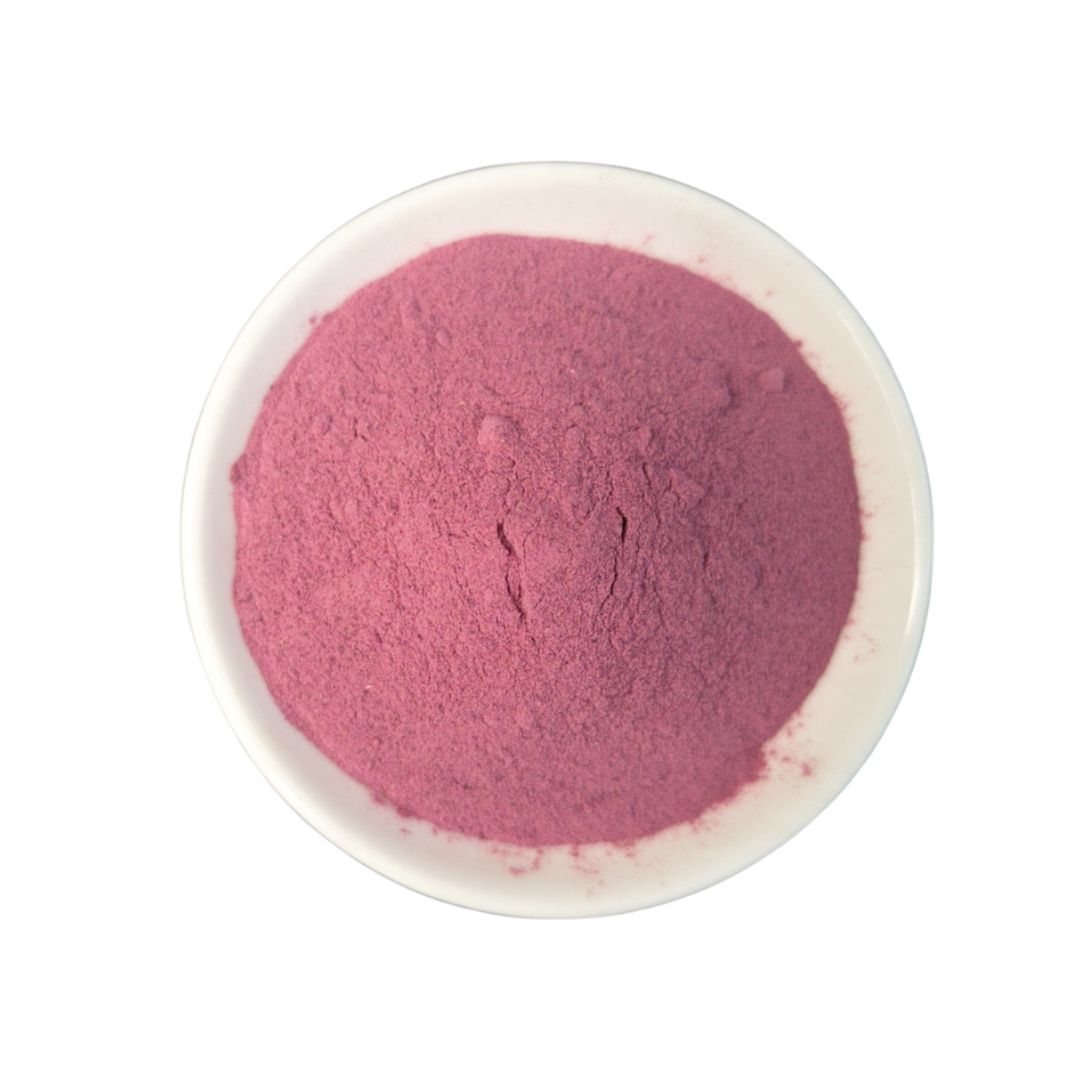
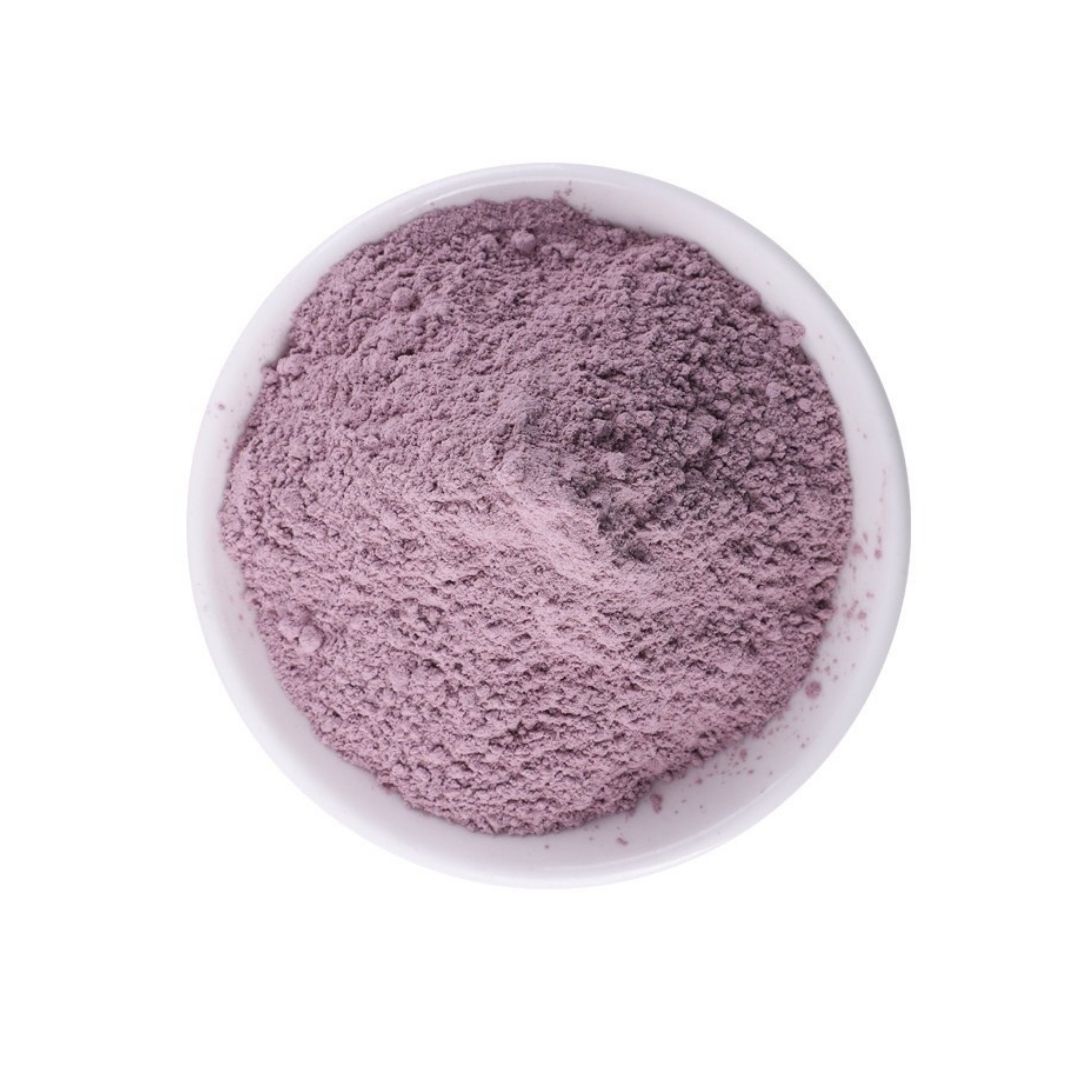
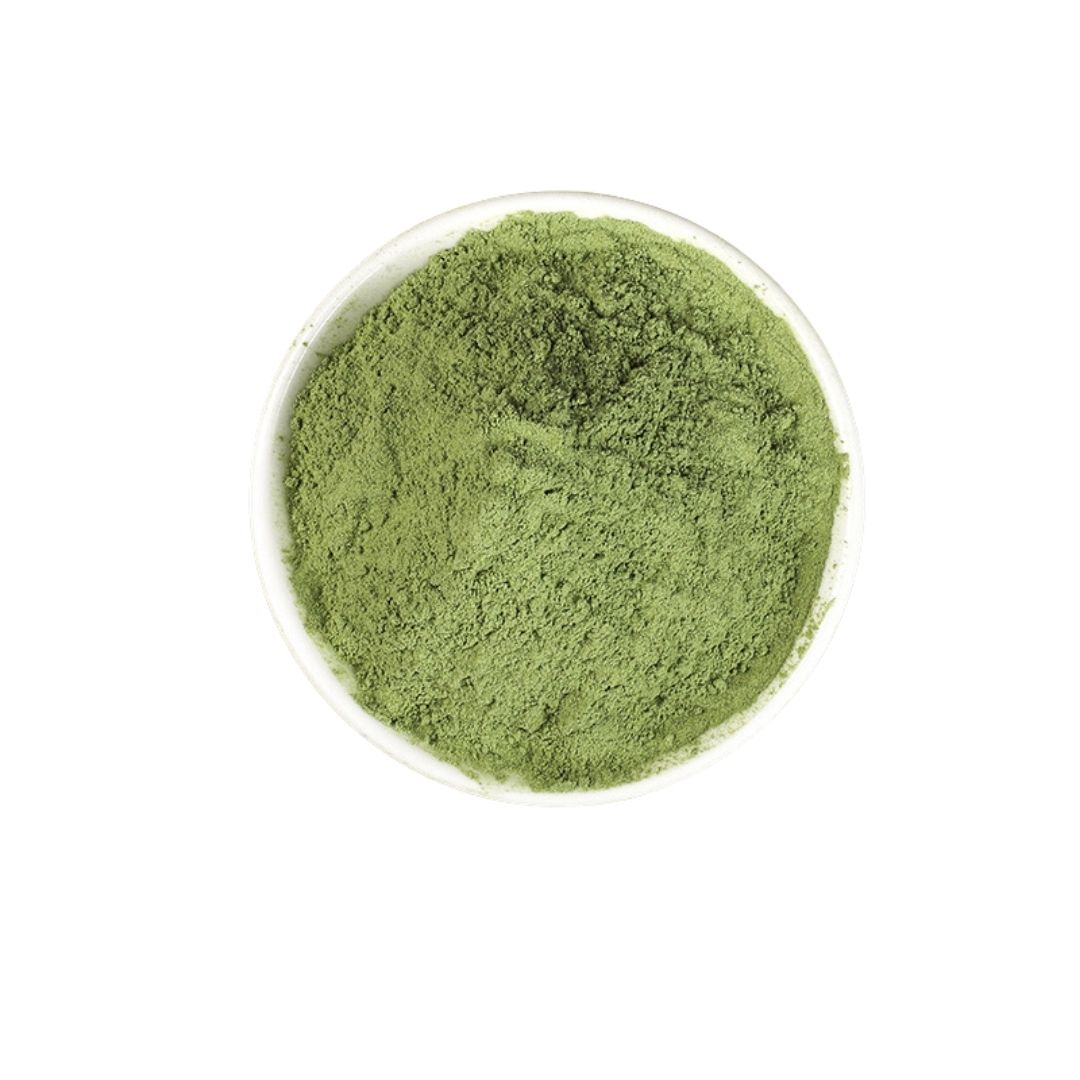
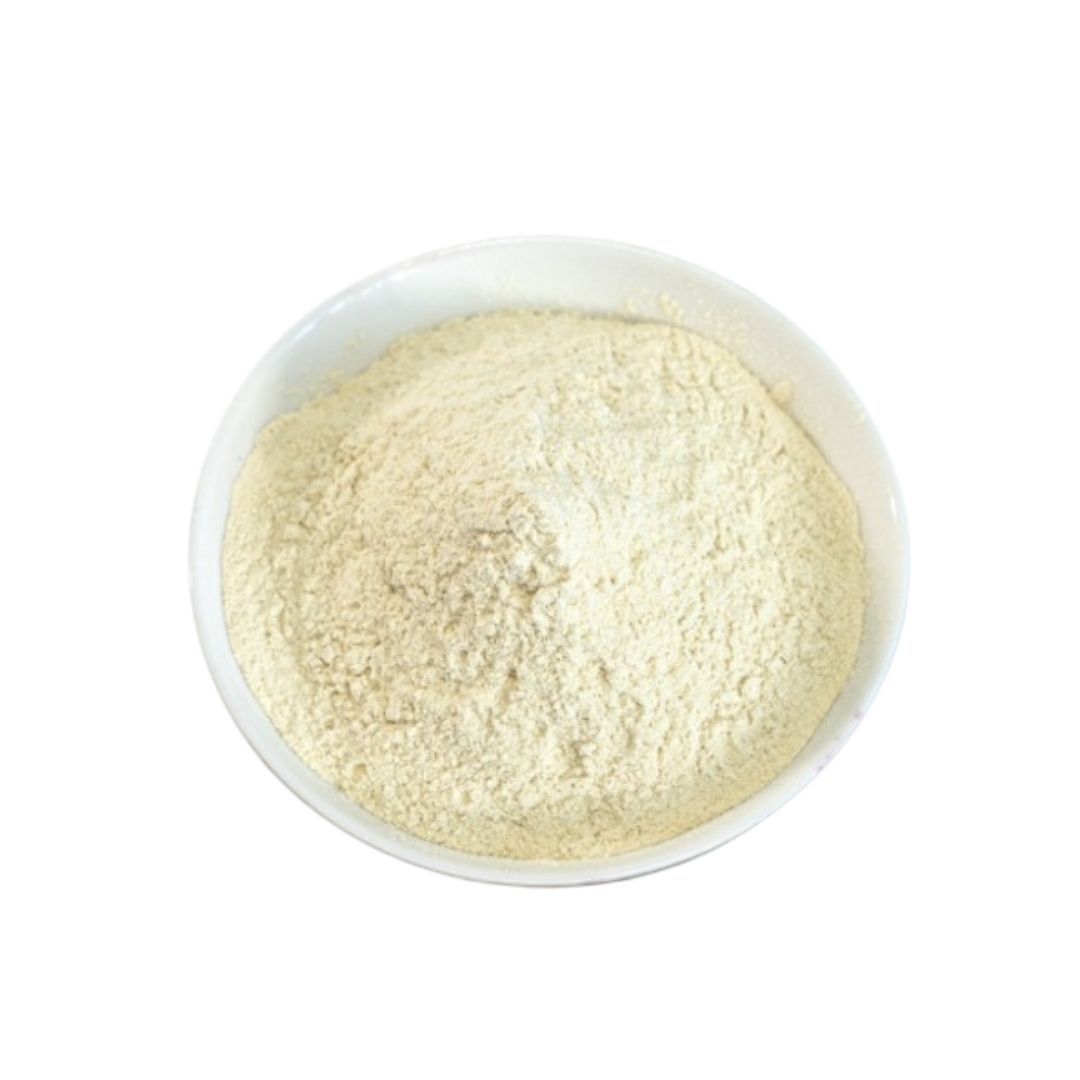
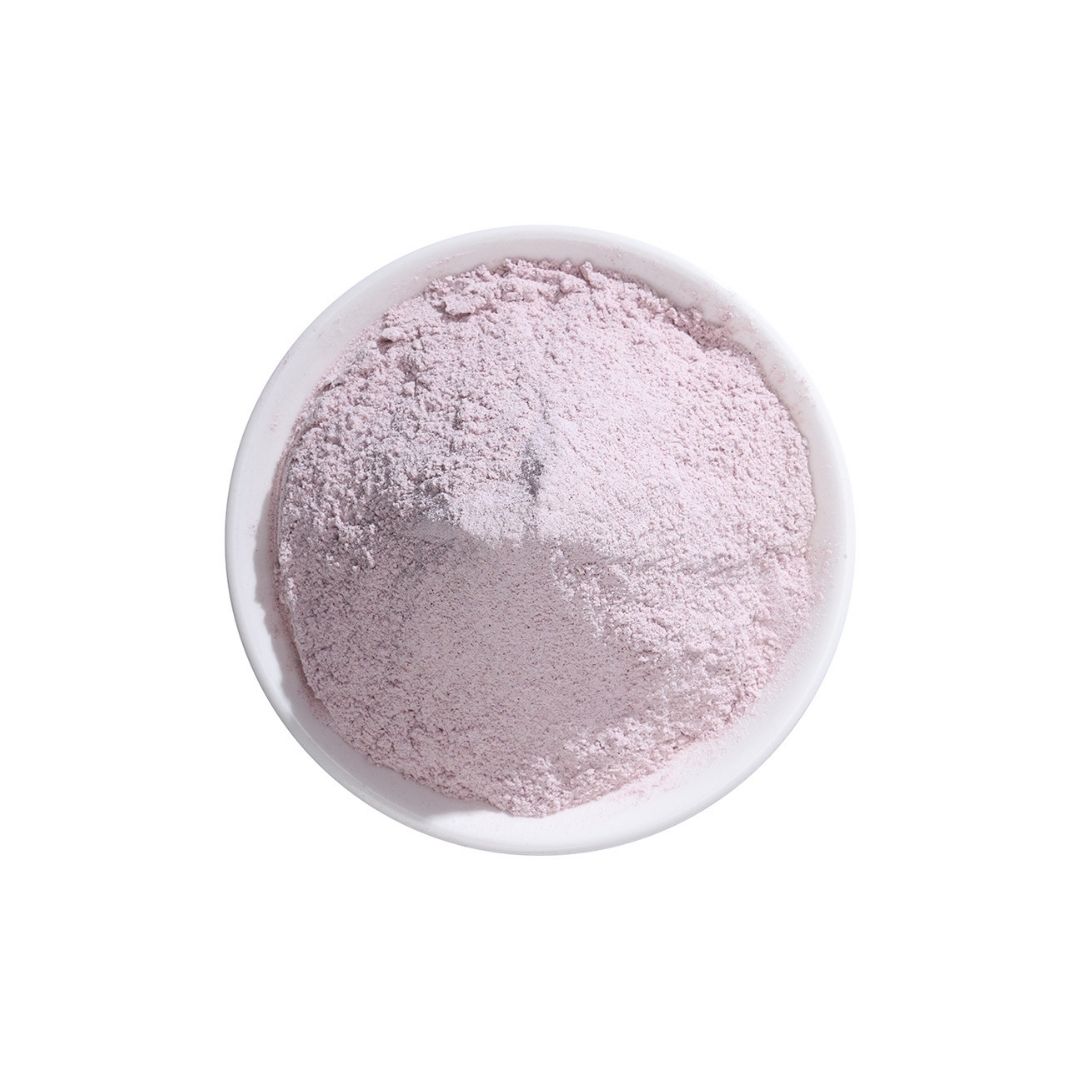
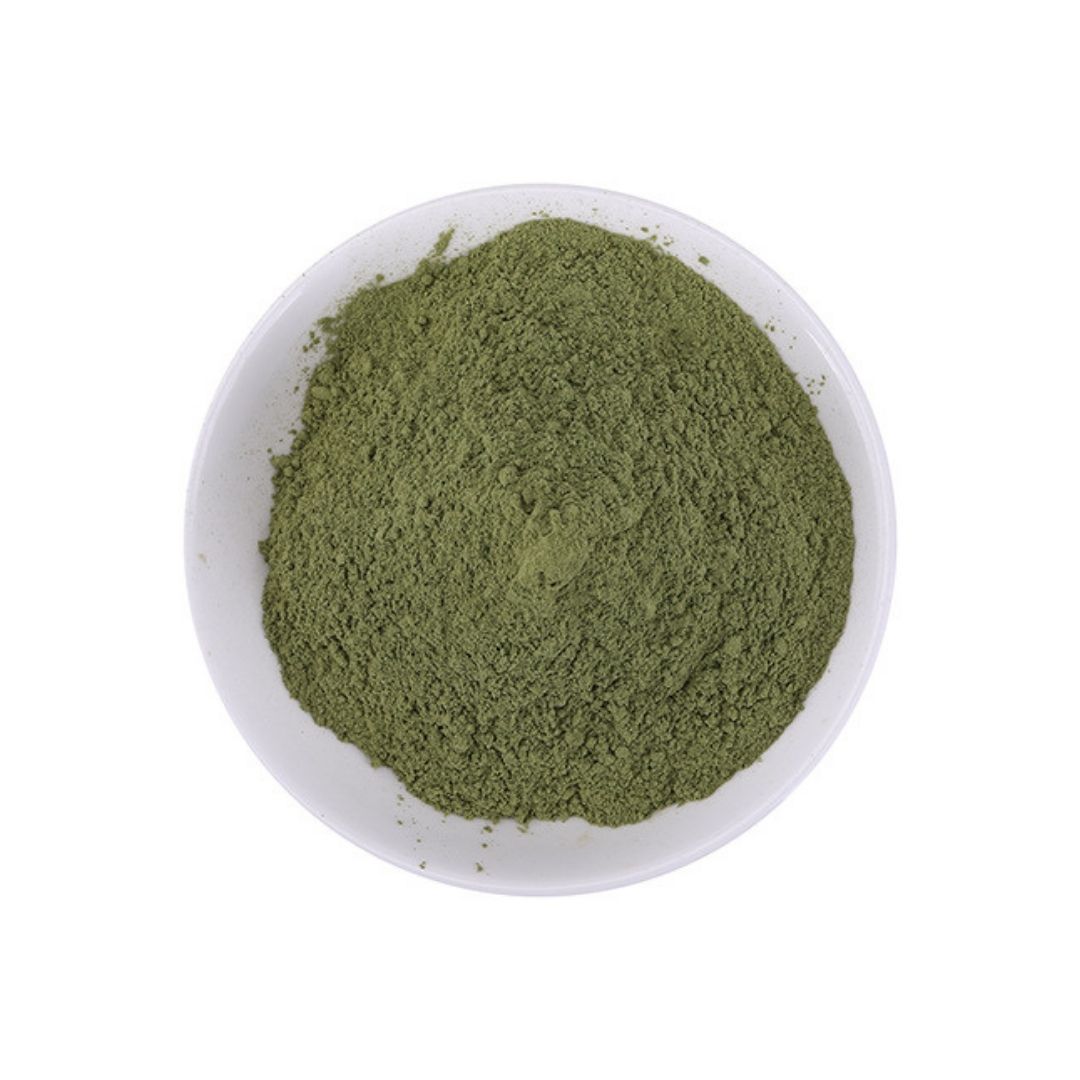
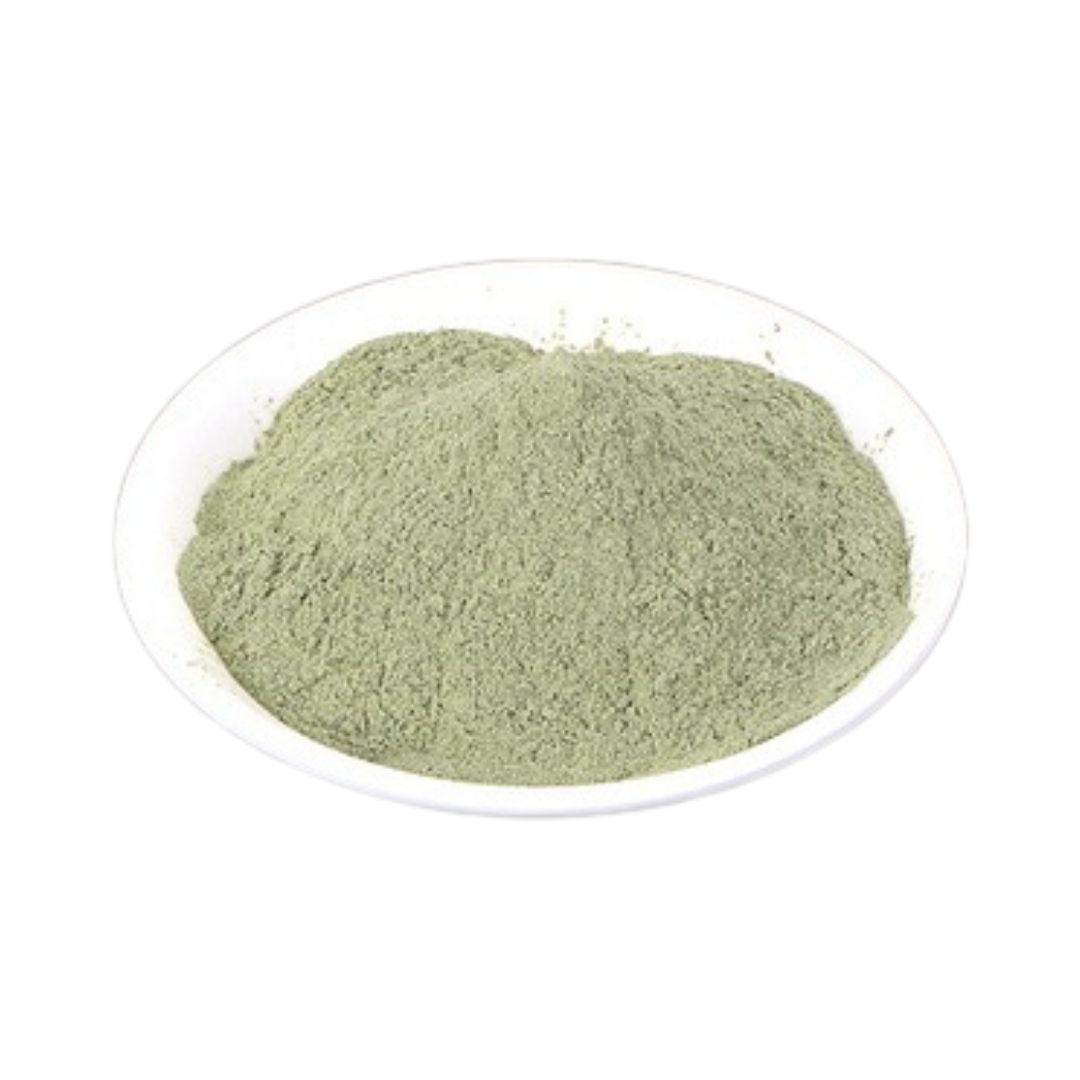
Green tomato powder is made from unripe, green tomatoes, harnessing their unique flavor and nutritional properties. This product retains many of the beneficial components found in fresh green tomatoes, offering a convenient way to incorporate these benefits into various applications. The powder is particularly noted for its content of tomatidine, a compound under investigation for its potential health benefits.
Production Process
The production of green tomato powder begins with the selection of high-quality, unripe green tomatoes. These tomatoes are harvested at their peak green stage and then washed to remove any dirt or contaminants. The tomatoes are sliced and dehydrated using a low-temperature drying process, which helps to preserve the nutrients and flavor compounds. Once dried, the tomato slices are milled into a fine powder, which is then packaged and stored to maintain its freshness and quality.
Nutrition Facts
Green tomato powder is a source of several key nutrients. While the exact nutrient profile can vary, it typically contains:
- Vitamins: Including Vitamin C and Vitamin K.
- Minerals: Such as potassium and manganese.
- Fiber: Contributing to digestive health.
- Antioxidants: Including lycopene (though less than ripe tomatoes) and other phenolic compounds.
Product Components and Benefits
The primary components of green tomato powder include:
- Tomatidine: This compound is being studied for its potential effects on muscle health and cholesterol regulation.[1]
- Vitamin C: An antioxidant that supports immune function and skin health.[2]
- Vitamin K: Important for blood clotting and bone health.[3]
- Fiber: Aids in digestion and helps maintain healthy cholesterol levels.[4]
- Antioxidants: Help protect the body against oxidative stress and inflammation.[5]
Product Applications
Green tomato powder can be used in a variety of culinary applications, such as:
- Sauces and Soups: Adding a tangy flavor and thickening consistency.
- Seasonings: Blending with herbs and spices to create unique flavor profiles.
- Snacks: Incorporating into homemade chips or crackers.
- Beverages: Mixing into smoothies or vegetable juices for a nutritional boost.
Citations
- Bi, X., Guo, Y., Zhang, Y., & Wang, Y. (2021). Tomatidine: A comprehensive review of its sources, chemistry, pharmacology, and toxicology. Food Chemistry, 365, 130479.
- Pullar, J. M., Carr, A. C., & Vissers, M. (2018). The roles of vitamin C in skin health. Nutrients, 10(11), 1949.
- Schwalfenberg, G. K. (2017). Vitamins K1 and K2: The emerging nutritional importance of the K vitamins. Canadian Family Physician, 63(7), 536–544.
- Anderson, J. W., et al. (2009). Health implications of dietary fiber. Nutrition Reviews, 56(1), 1-18.
- Lobo, V., Patil, A., Phatak, A., & Chandra, N. (2010). Free radicals, antioxidants and functional foods: Impact on human health. Pharmacognosy Reviews, 4(8), 118–126.

As a sales manager, I’m here to make sure you get exactly what you need for your dietary supplements. From sourcing to delivery, I’m always by your side, ensuring smooth and friendly service. Let’s make your products even better! 🥰🌿