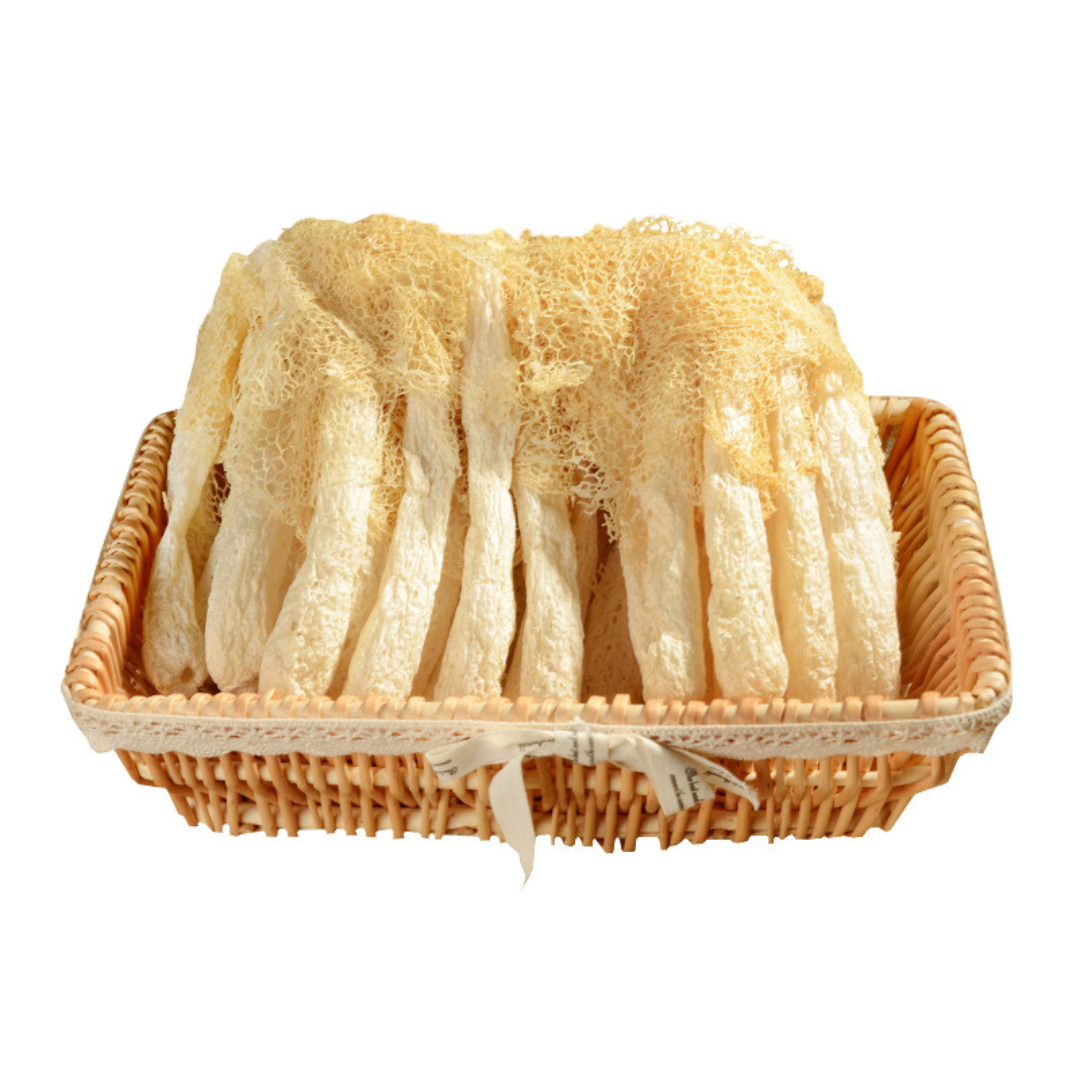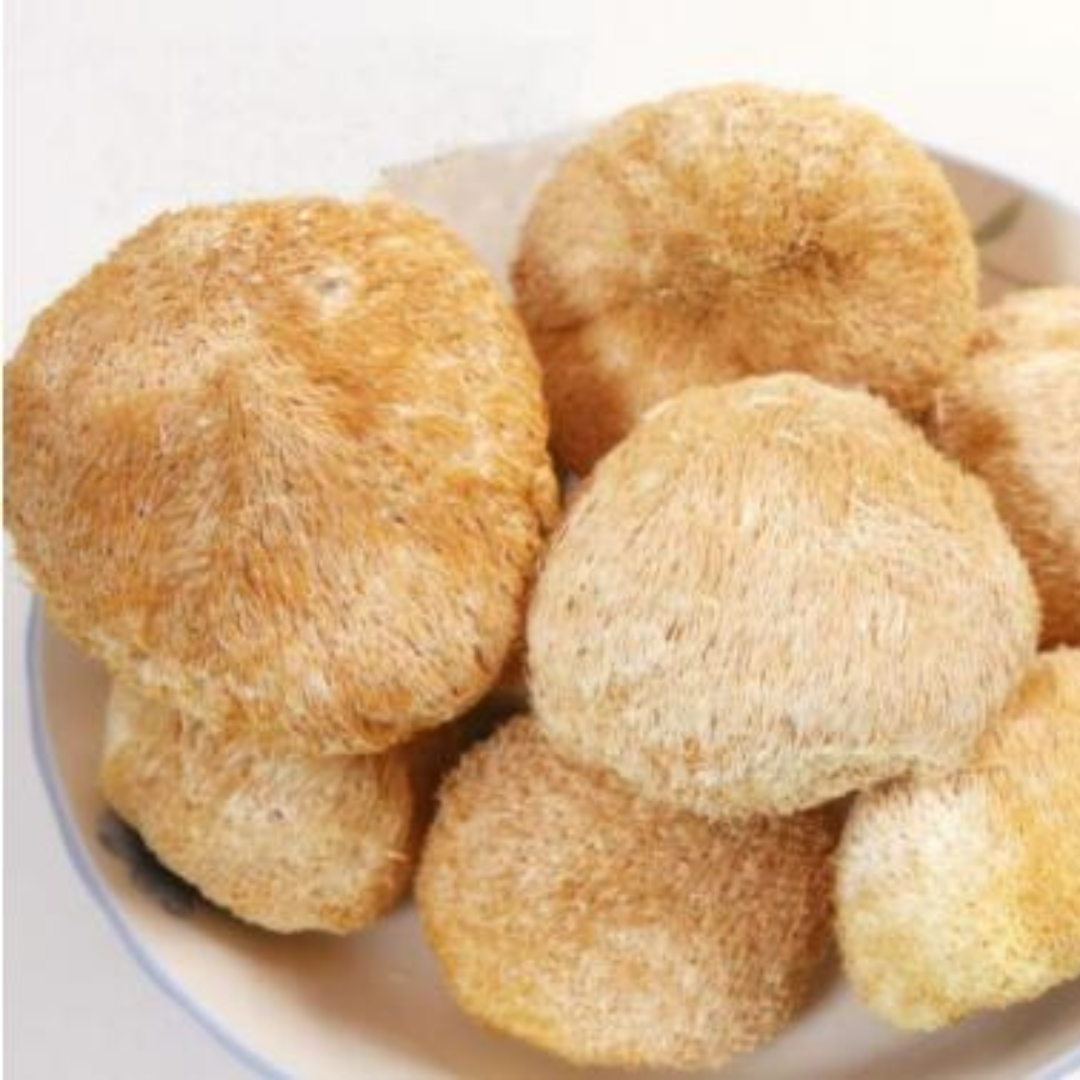


Hericium erinaceus, commonly known as Lion's Mane, is a medicinal mushroom recognized for its potential cognitive and neurological benefits. This fungus is native to North America, Europe, and Asia and has a long history of use in traditional medicine, especially in Asian countries [1]. The mushroom is characterized by its unique appearance, featuring long, cascading spines that resemble a lion's mane, hence its common name [2].
The production of Hericium erinaceus powder involves several key steps. First, the mushrooms are cultivated under controlled environmental conditions, typically on substrates like hardwood sawdust or grain [3]. The cultivation process requires careful monitoring of temperature, humidity, and light to ensure optimal growth and development of the fruiting bodies. Once the mushrooms reach maturity, they are harvested, cleaned, and prepared for drying [4].
Freeze-drying, also known as lyophilization, is the preferred method for drying Hericium erinaceus to produce high-quality powder. This process involves freezing the fresh mushrooms and then subjecting them to a vacuum, which causes the ice crystals to sublimate, transitioning directly from a solid to a gaseous state, bypassing the liquid phase [5]. Freeze-drying effectively removes moisture while preserving the mushroom's delicate bioactive compounds, such as polysaccharides, hericenones, and erinacines [6]. The resulting dried material is then milled into a fine powder, which is subsequently tested for quality, purity, and potency before packaging.
Hericium erinaceus powder has diverse applications across various industries. It is commonly used as a dietary supplement, often encapsulated or added to beverages and food products [7]. The powder is also used in the formulation of nootropic supplements aimed at enhancing cognitive function, memory, and focus [8]. In the culinary world, Hericium erinaceus powder can be incorporated into soups, teas, and other dishes to impart a unique flavor and nutritional boost [9]. Additionally, it finds applications in traditional medicine, where it is used to address various health conditions [10].
For packaging, Hericium erinaceus powder should be sealed in airtight containers to prevent moisture absorption and degradation. The packaging material should be opaque to protect the powder from light exposure, which can degrade its bioactive compounds. Proper storage conditions are paramount to maintaining the quality and efficacy of the powder. It should be stored in a cool, dry place, away from direct sunlight and extreme temperatures [11]. Under these conditions, Hericium erinaceus powder can maintain its quality for an extended period, ensuring that its beneficial properties are preserved.
Citations:
[1] Mori, K., Inatomi, S., Ouchi, K., Azumi, Y., & Tuchida, T. (2009). Improving effects of the mushroom Yamabushitake (Hericium erinaceus) on mild cognitive impairment: a double-blind placebo-controlled clinical trial. Phytotherapy Research, 23(3), 367-372.
[2] Wong, K. H., Naidu, M., David, R. P., Bakar, R., & Sabaratnam, V. (2012). Neurotrophic properties of the Lion's mane medicinal mushroom, Hericium erinaceus (Higher Basidiomycetes) from Malaysia. International Journal of Medicinal Mushrooms, 14(6).
[3] Stamets, P. (2000). Growing gourmet and medicinal mushrooms. Ten Speed Press.
[4] Wasser, S. P. (2011). Current knowledge on medicinal properties of Hericium erinaceus. International Journal of Medicinal Mushrooms, 13(4).
[5] Ratti, C. (2001). Hot air and freeze-drying of high-value foods: a review. Journal of Food Engineering, 49(4), 311-319.
[6] Friedman, M. (2015). Chemistry, nutrition, and health-promoting properties of Hericium erinaceus (Lion's Mane) mushroom fruiting bodies and mycelia and their bioactive compounds. Journal of Agricultural and Food Chemistry, 63(32), 7108-7123.
[7] Lai, P. L., Naidu, M., Sabaratnam, V., Wong, K. H., David, R. P., Kuppusamy, U. R., … & Tan, G. H. (2013). Neurotrophic properties of the Lion's mane medicinal mushroom, Hericium erinaceus (Higher Basidiomycetes) from Malaysia. International Journal of Medicinal Mushrooms, 15(6).
[8] Spelman, K., Sutherland, E., & Bagade, A. (2017). Neurological activity of Lion's mane (Hericium erinaceus). Journal of Restorative Medicine, 6(1), 19-26.
[9] Hobbs, C. (1995). Medicinal mushrooms: An exploration of tradition, healing, & culture. Botanica Press.
[10] Mizuno, T. (1999). Medicinal properties and utilization of Hericium erinaceus and other edible mushrooms. Food Reviews International, 15(2), 107-133.
[11] Singh, R. S., Benu, B., Shrivastava, S., & Singh, P. (2014). Antioxidant and anti-inflammatory activities of polysaccharide fractions isolated from Hericium erinaceus. International Journal of Biological Macromolecules, 65, 122-128.

As a sales manager, I’m here to make sure you get exactly what you need for your dietary supplements. From sourcing to delivery, I’m always by your side, ensuring smooth and friendly service. Let’s make your products even better! 🥰🌿