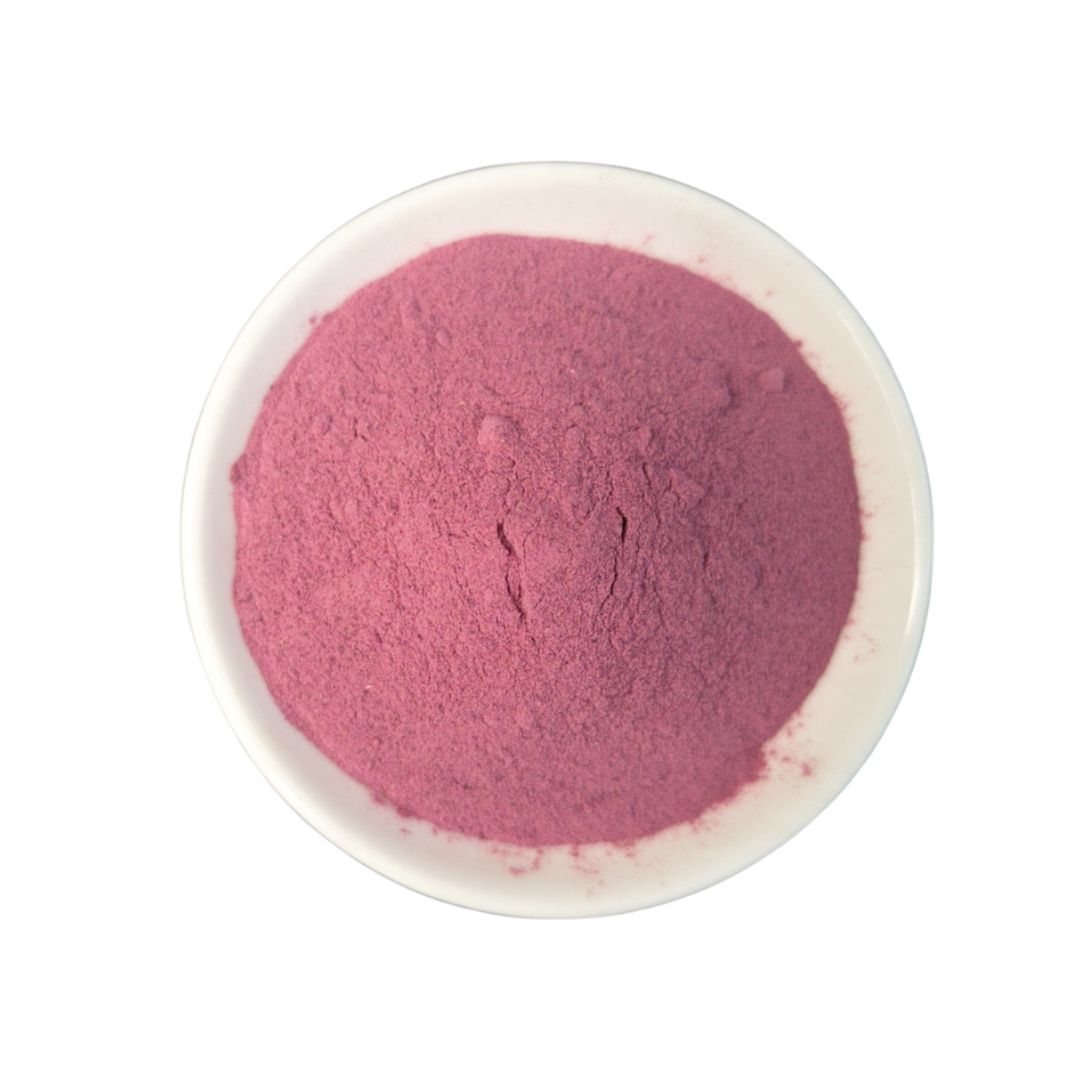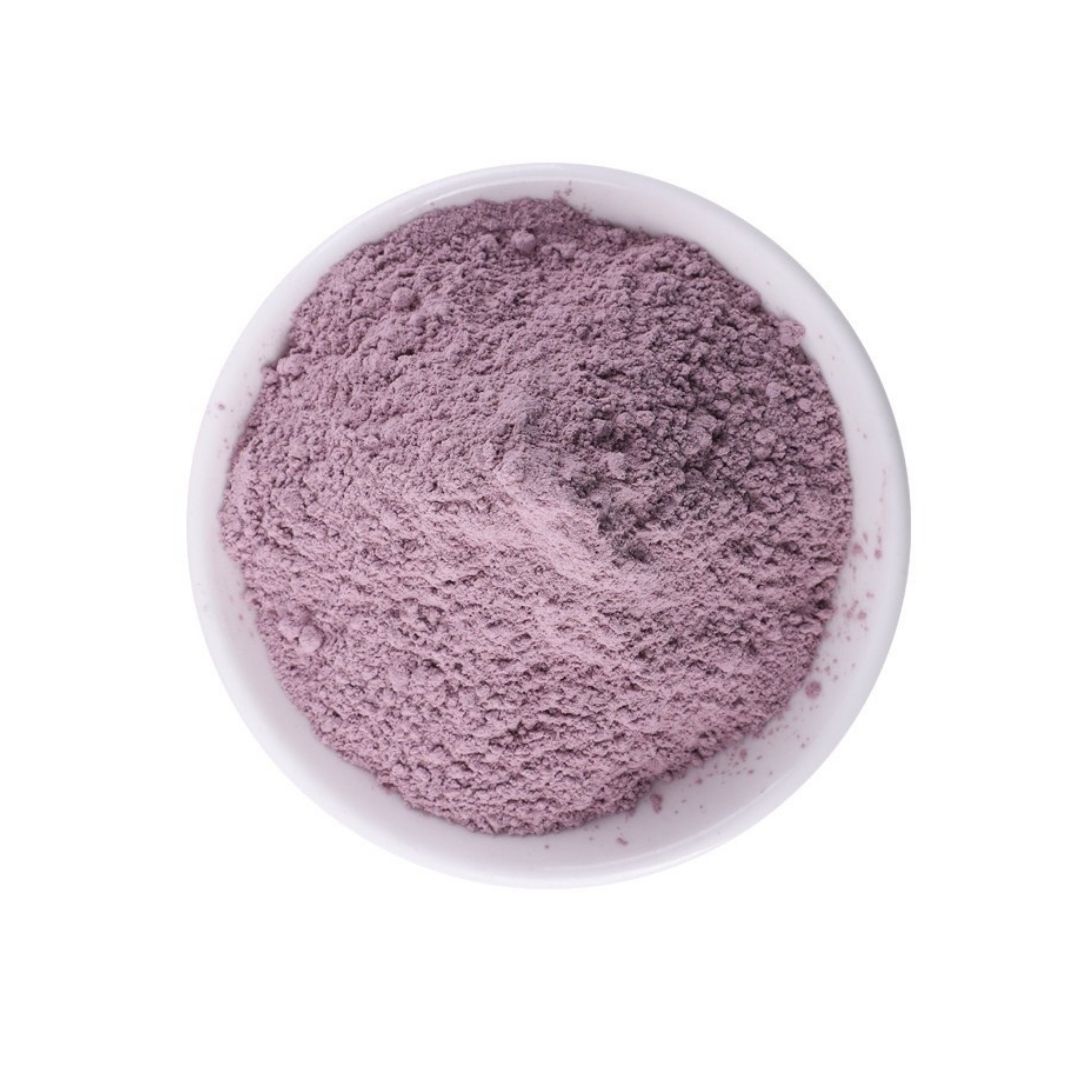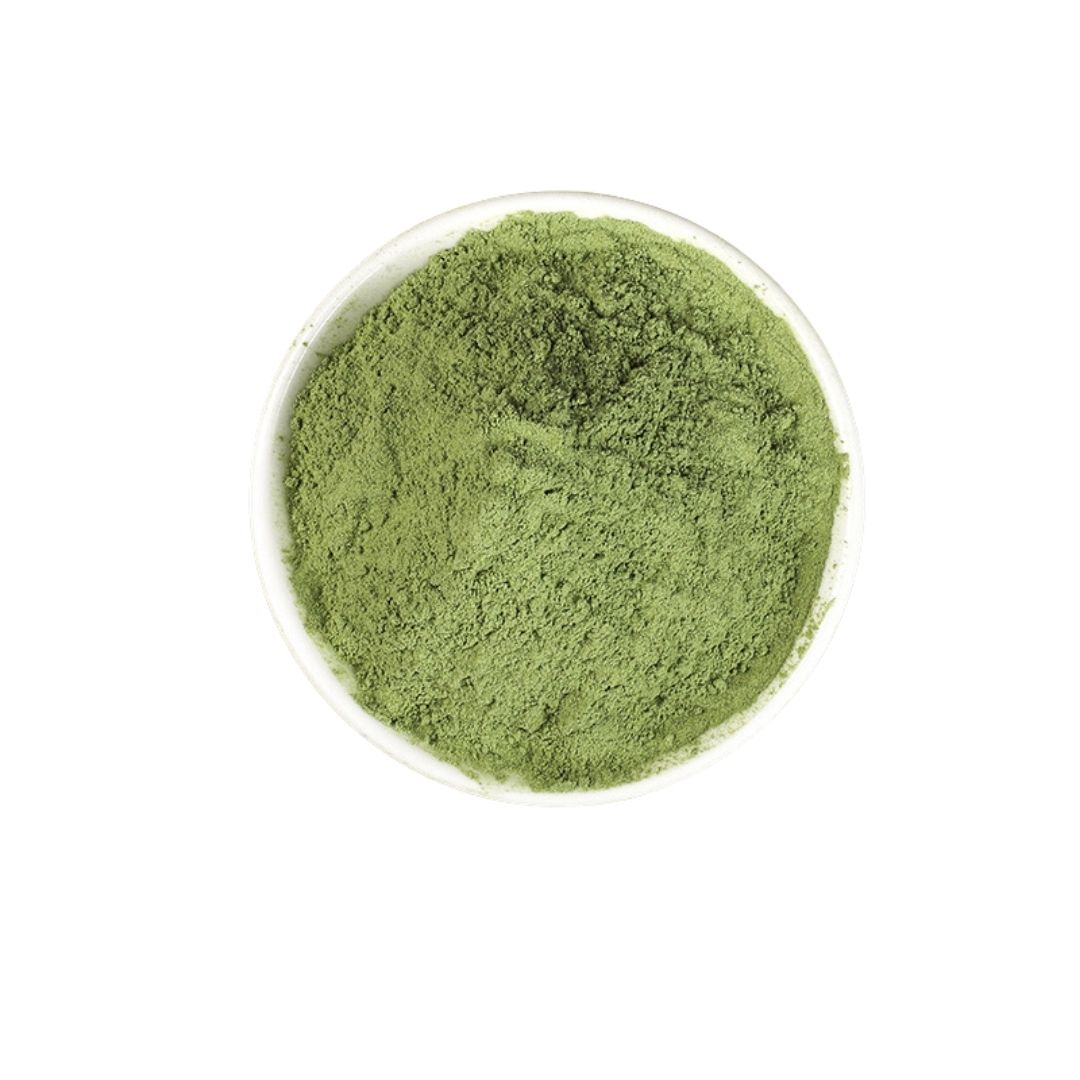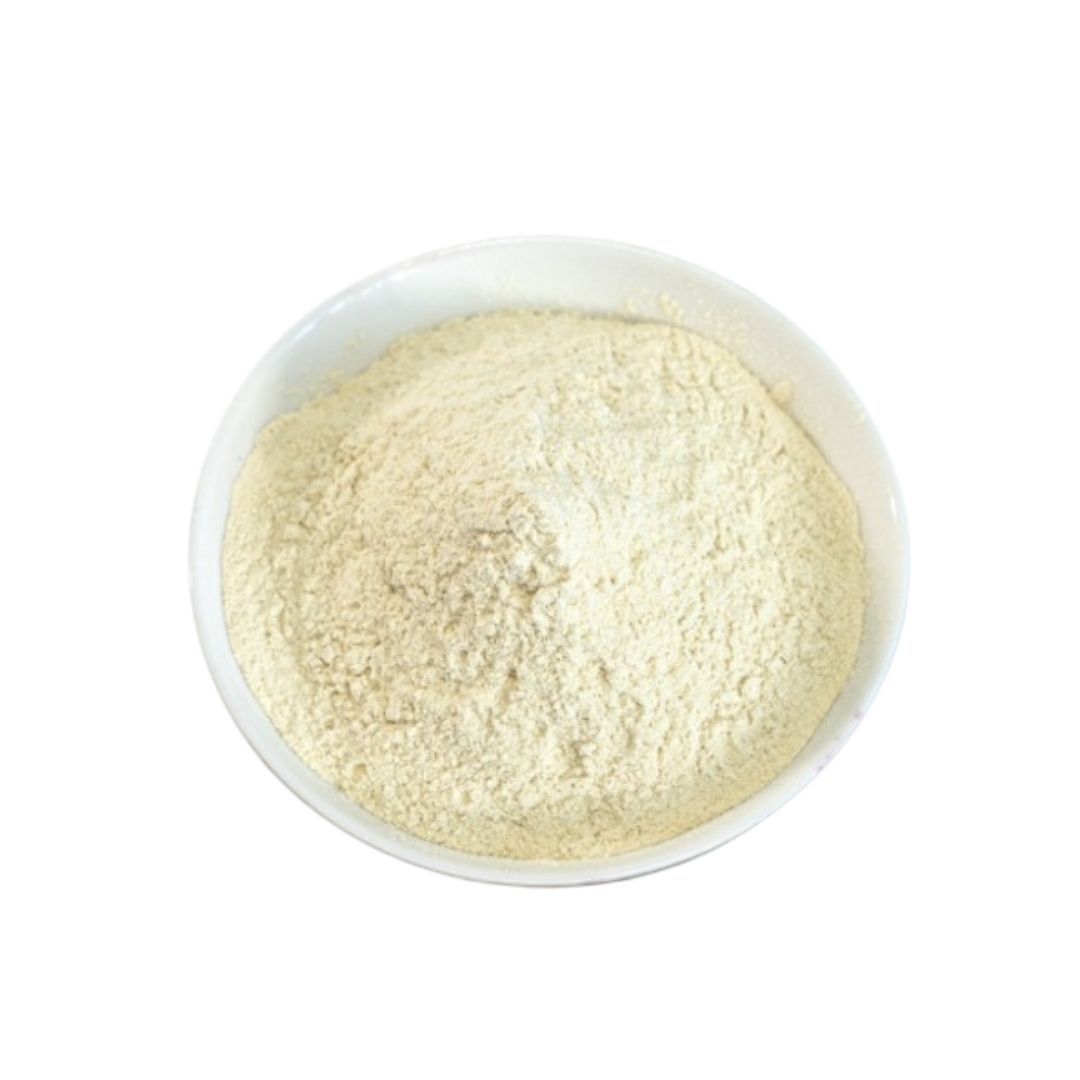


Product Introduction
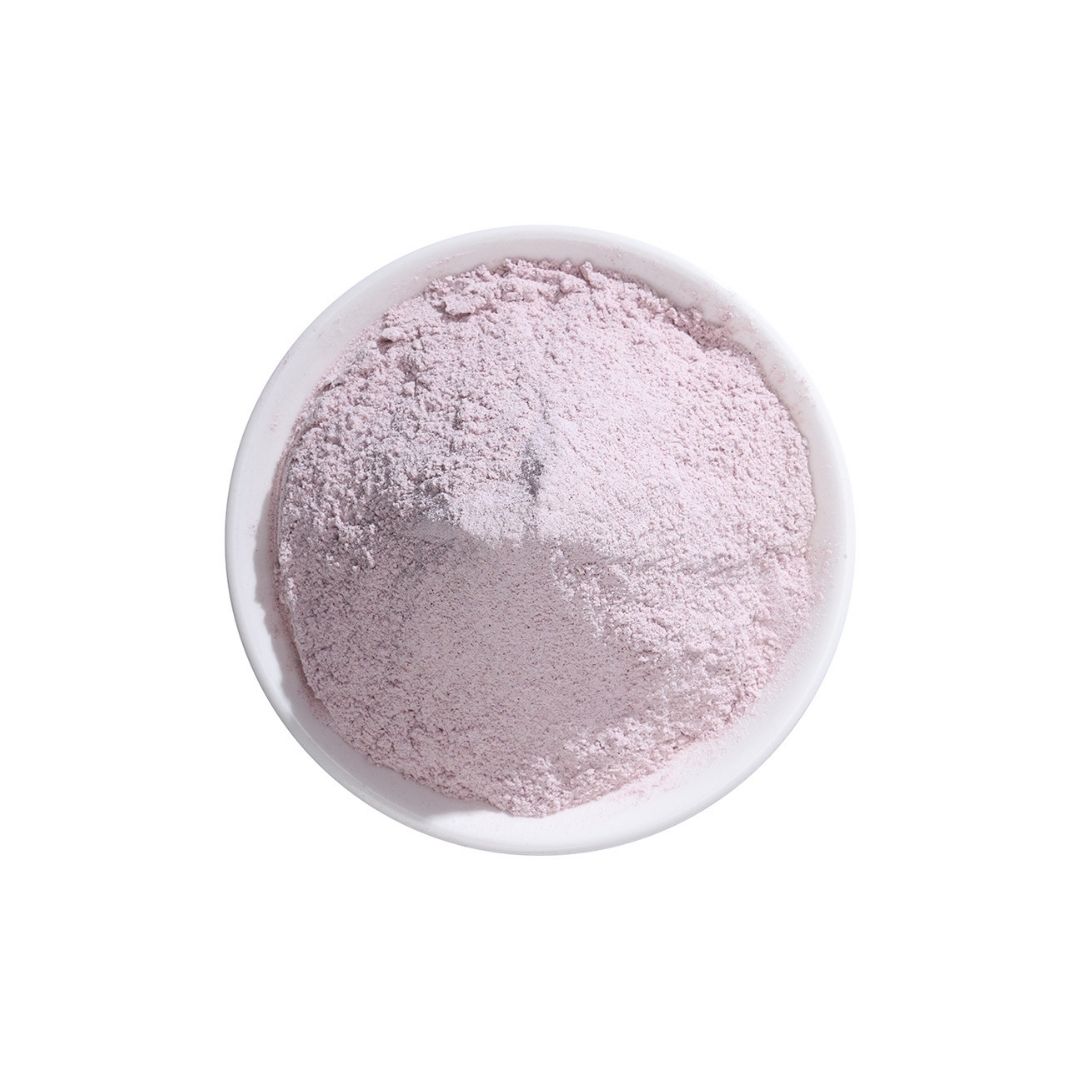
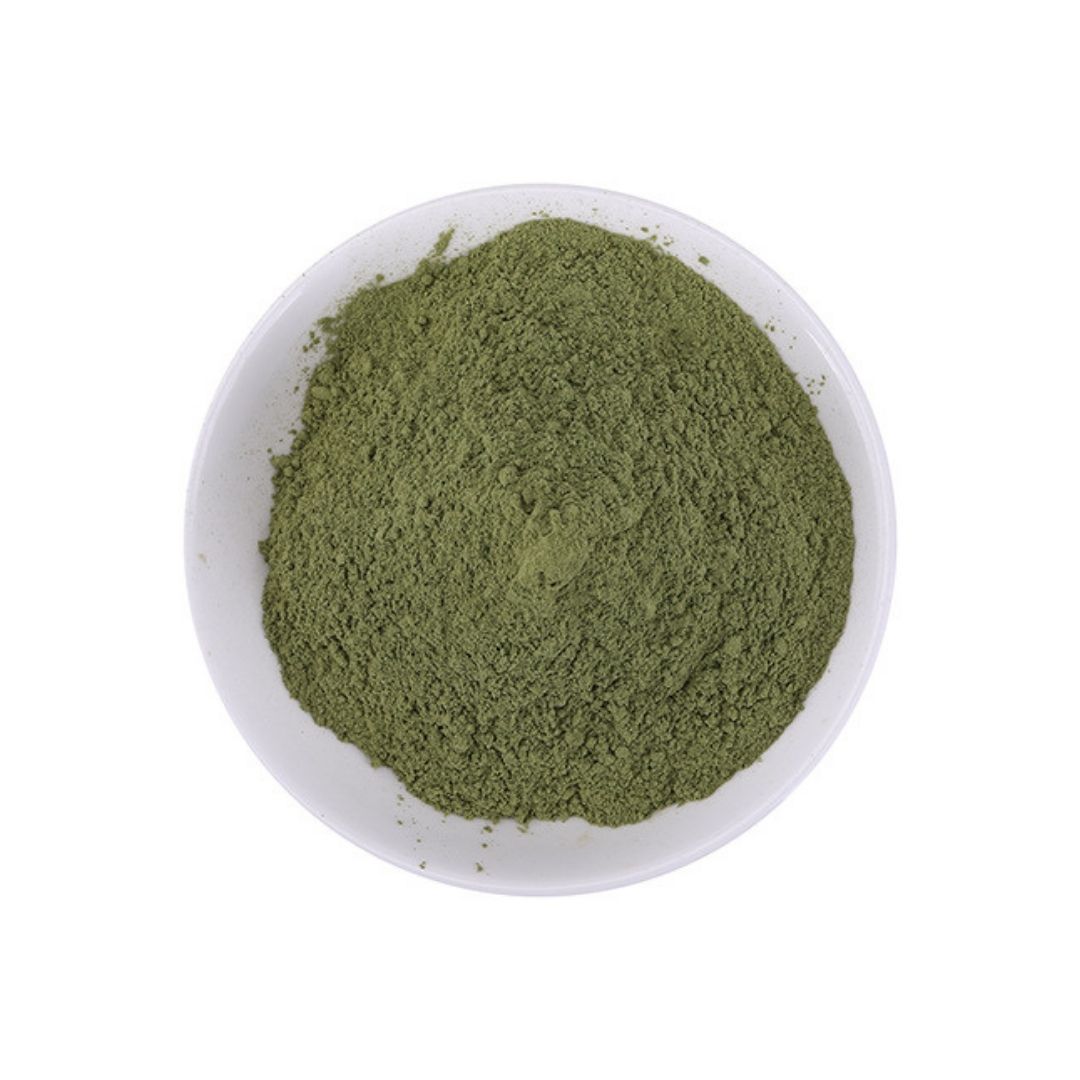
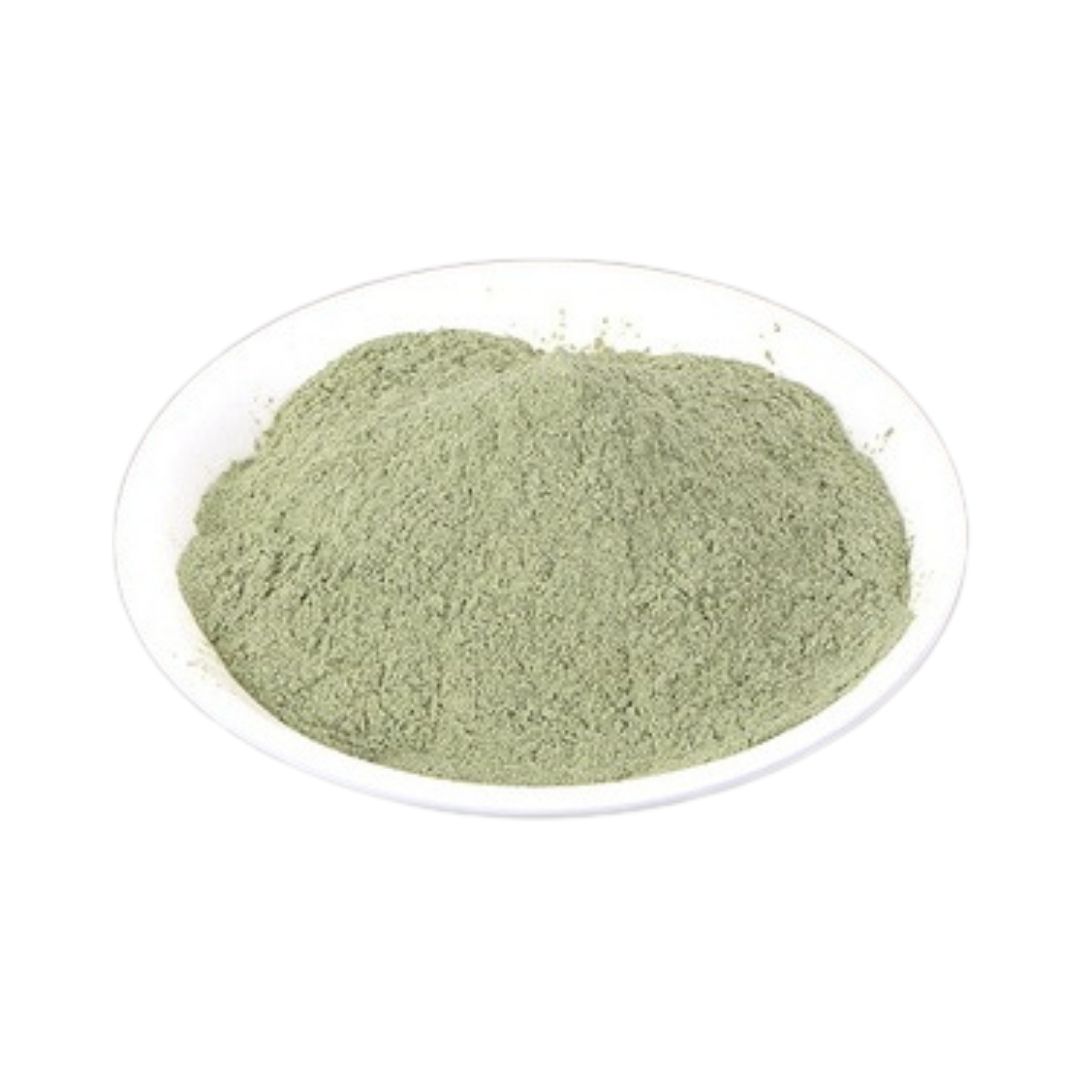
Seaweed powder is made from various types of marine algae, offering a rich source of vitamins, minerals, and antioxidants. Common types of seaweed used include kelp, nori, and spirulina. Seaweed powder is commonly used as a nutritional supplement, adding flavor and nutrients to various dishes. It is particularly valued for its high iodine content, which is essential for thyroid health.
Production Process
The production of seaweed powder typically involves several steps to ensure a high-quality, nutrient-rich product. First, seaweed is harvested from the ocean or cultivated in controlled environments. After harvesting, the seaweed is thoroughly washed to remove any impurities such as sand, salt, and other debris. Washed seaweed is then dehydrated using methods like sun-drying or mechanical drying to reduce moisture content and prevent spoilage. The dried seaweed is milled or ground into a fine powder. Finally, the powder is tested for quality, purity, and nutrient content before packaging.
Nutrition Facts
Typical nutritional information per serving (e.g., 1 teaspoon or 5 grams) of seaweed powder:
- Calories: 10-15
- Protein: 1-2 grams
- Carbohydrates: 1-3 grams
- Fat: Less than 1 gram
- Fiber: 0.5-1 gram
- Iodine: Varies significantly based on seaweed type, often exceeding the daily recommended intake in a single serving
- Vitamins: Includes Vitamin A, Vitamin C, Vitamin K, and B vitamins
- Minerals: Includes calcium, iron, magnesium, potassium, and zinc
Product Components and Benefits
- Iodine: Essential for thyroid hormone production, which regulates metabolism, energy levels, and overall growth and development.
- Vitamins (A, C, K, B vitamins): Vitamin A supports vision, immune function, and skin health. Vitamin C is an antioxidant that helps protect against cellular damage and supports immune function. Vitamin K is important for blood clotting and bone health. B vitamins play a crucial role in energy metabolism and nerve function.
- Minerals (Calcium, Iron, Magnesium, Potassium, Zinc): Calcium is vital for bone health, muscle function, and nerve transmission. Iron is necessary for red blood cell production and oxygen transport. Magnesium supports muscle and nerve function, blood sugar control, and blood pressure regulation. Potassium helps regulate fluid balance, nerve signals, and muscle contractions. Zinc supports immune function, wound healing, and cell growth.
- Antioxidants: Compounds like fucoxanthin and phycocyanin help protect against oxidative stress and reduce the risk of chronic diseases.
- Fiber: Supports digestive health by promoting regular bowel movements and feeding beneficial gut bacteria.
Product Applications
Seaweed powder can be easily incorporated into various aspects of daily nutrition:
- Smoothies: Adding a teaspoon of seaweed powder to smoothies increases the nutritional content, especially iodine and other minerals, without significantly altering the taste.
- Soups and Broths: Seaweed powder can be stirred into soups and broths as a natural seasoning and nutritional enhancer.
- Salads: Sprinkle seaweed powder over salads as a seasoning.
- Seasoning: Seaweed powder can be mixed with other herbs and spices to create a unique seasoning blend for fish, vegetables, and other dishes.
- Baking: Adding small amounts of seaweed powder to bread, muffins, or other baked goods increases the mineral content of the final product.
Citations:
- Burtin, P. (2003). Nutritional value of seaweeds. Electronic Journal of Environmental, Agricultural and Food Chemistry, 2(4), 434-449.
- Brown, E. S., Allsopp, P. J., Magee, P. J., Gill, C. I., Nitecki, S., MacMahon, J., … & Strain, J. J. (2014). Seaweed and human health. Journal of Applied Phycology, 26, 2053-2064.
- ইয়াজাওয়া, K. (2009). Clinical application of fucoxanthin for inflammatory diseases. * ফাংশনাল খাদ্যদ্রব্য জার্নাল *, *1*(5), 363-369.

As a sales manager, I’m here to make sure you get exactly what you need for your dietary supplements. From sourcing to delivery, I’m always by your side, ensuring smooth and friendly service. Let’s make your products even better! 🥰🌿