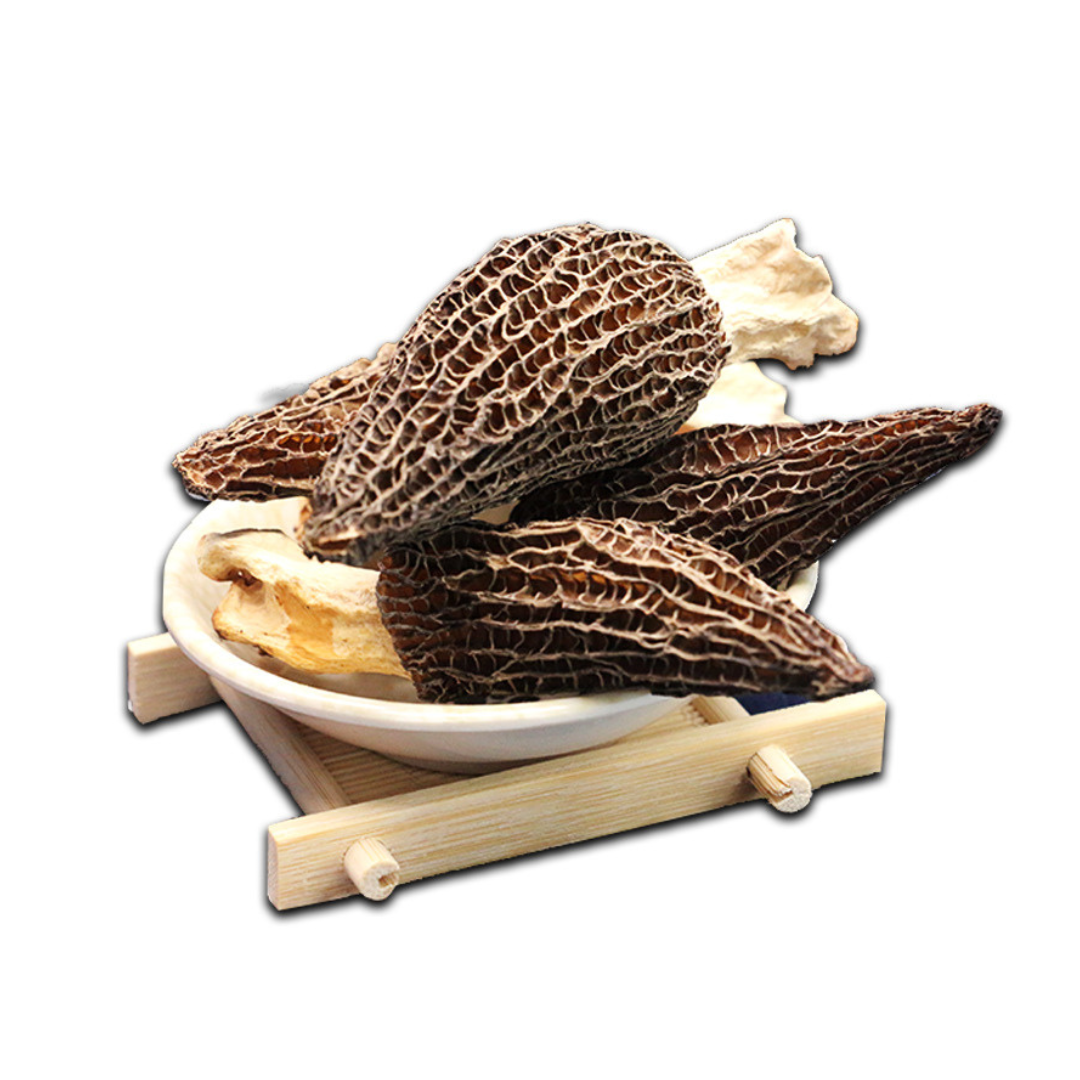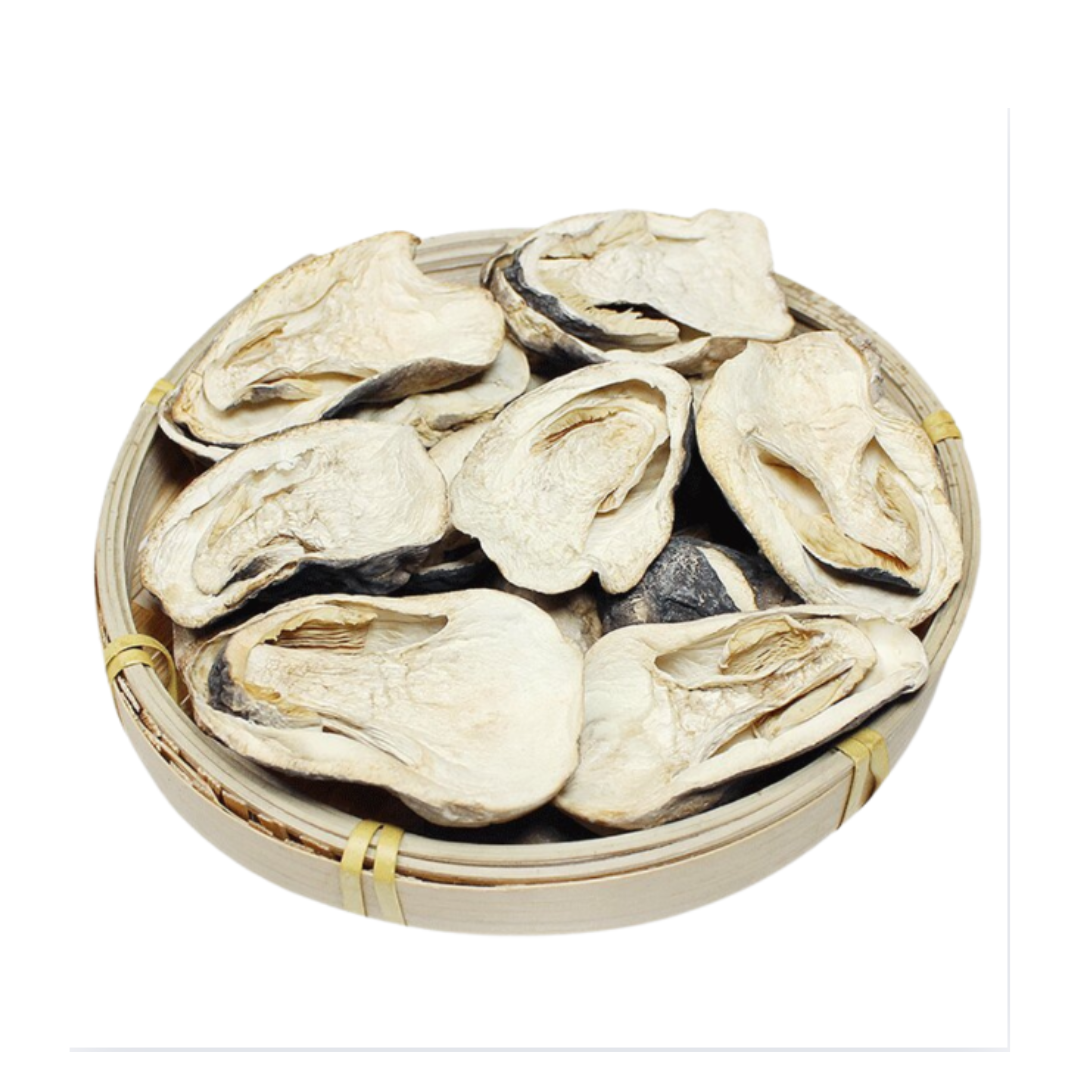


Product Introduction
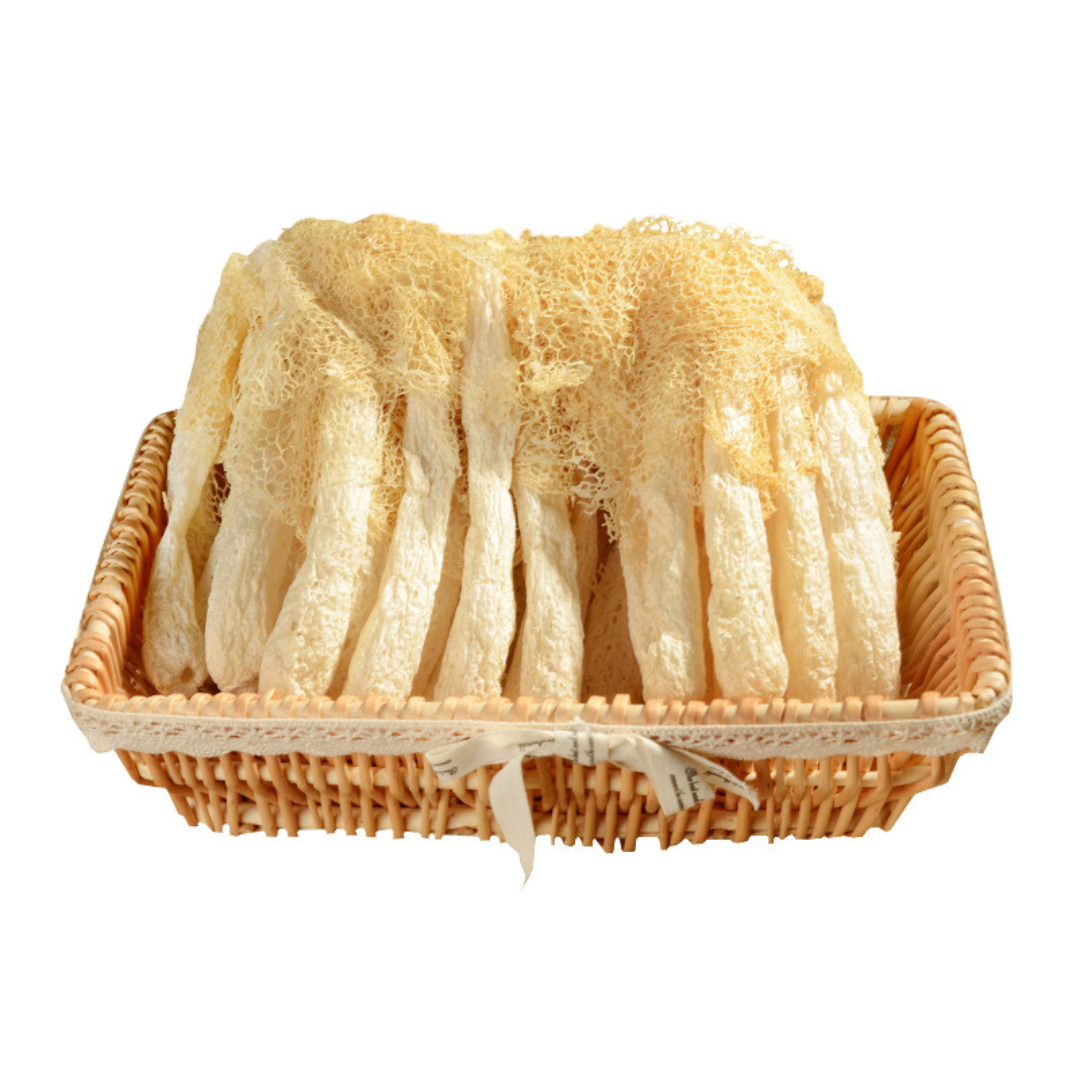
Straw mushroom powder is derived from the Volvariella volvacea, a mushroom widely cultivated in Southeast Asia and commonly known as the paddy straw mushroom due to its growth on rice straw. The powder form offers convenience and versatility, enabling its use in various culinary and nutritional applications. This product retains the characteristic flavor and nutritional profile of fresh straw mushrooms while providing a longer shelf life and ease of use. Straw mushroom powder is valued for its umami flavor, contributing depth and richness to dishes.
Production Process
The production of straw mushroom powder involves several key stages. Fresh straw mushrooms are harvested and carefully selected to ensure quality. The mushrooms are thoroughly cleaned to remove any residual substrate or impurities. The cleaned mushrooms undergo a drying process; hot air drying and freeze-drying are the common methods. Hot air drying involves exposing the mushrooms to controlled temperatures to reduce moisture content. Freeze-drying, also known as lyophilization, involves freezing the mushrooms and then sublimating the ice under a vacuum [1]. This method helps to better preserve the mushroom's flavor, aroma, and nutrients [2]. The dried mushrooms are then milled into a fine powder using industrial grinders. Sieving ensures a uniform particle size which enhances the powder’s texture and consistency. Stringent quality control measures are implemented throughout the process to ensure the final product meets the required standards for purity, flavor, and nutritional content.
Product Applications
Straw mushroom powder finds application across multiple culinary and nutritional fields because of its unique flavor and nutritional profile. In the culinary industry, it is used as a natural flavoring ingredient in soups, sauces, broths, and stews, providing an umami taste that enhances the overall flavor [3]. It is a common ingredient in Asian cuisines, particularly in dishes where fresh straw mushrooms are traditionally used. As a nutritional supplement, straw mushroom powder can be added to smoothies, protein shakes, and other health foods. It is a source of essential amino acids, vitamins, and minerals [4]. The powder form makes it easy to incorporate into various food products, including vegetarian and vegan dishes, where it serves as a meat substitute or flavor enhancer. Additionally, it may be used in the production of mushroom extracts and concentrates for further flavoring applications.
Packaging and Storage
Proper packaging and storage are critical to maintaining the quality and extending the shelf life of straw mushroom powder. The powder is typically packaged in airtight containers, such as sealed bags, jars, or vacuum-packed pouches, to prevent exposure to air and moisture. Moisture absorption can lead to clumping, degradation of flavor, and loss of nutritional value [5]. Packaging materials are usually made from food-grade materials that do not react with the product. The product should be stored in a cool, dry place, away from direct sunlight and heat sources [6]. Ideal storage conditions include a temperature below 25°C and relative humidity below 65%. Under these conditions, straw mushroom powder can maintain its quality for up to 12-18 months. Proper labeling should include manufacturing date, expiration date, and storage instructions to guide consumers on optimal storage practices.
Citations:
[1] Ratti, C. (2001). Hot air and freeze-drying of high-value foods: a review. Journal of Food Engineering, 49(4), 311-319.
[2] Ciurzyńska, A., Lenart, A., & Wójcik, M. (2014). Freeze-drying – Application in food processing. Pol. J. Food Nutr. Sci, 64(3), 165-171.
[3] Yamaguchi, S., & Ninomiya, K. (2000). Umami and food palatability. Journal of Nutrition, 130(4S), 921S-926S.
[4] Cheung, P. C. K. (2008). Mushrooms as functional foods. John Wiley & Sons.
[5] Singh, T. P., et al. (2016). Effect of packaging materials and storage conditions on quality of dehydrated vegetables. Journal of Food Science and Technology, 53(1), 488-497.
[6] Fellows, P. J. (2009). Food processing technology: principles and practice. Woodhead Publishing.

As a sales manager, I’m here to make sure you get exactly what you need for your dietary supplements. From sourcing to delivery, I’m always by your side, ensuring smooth and friendly service. Let’s make your products even better! 🥰🌿