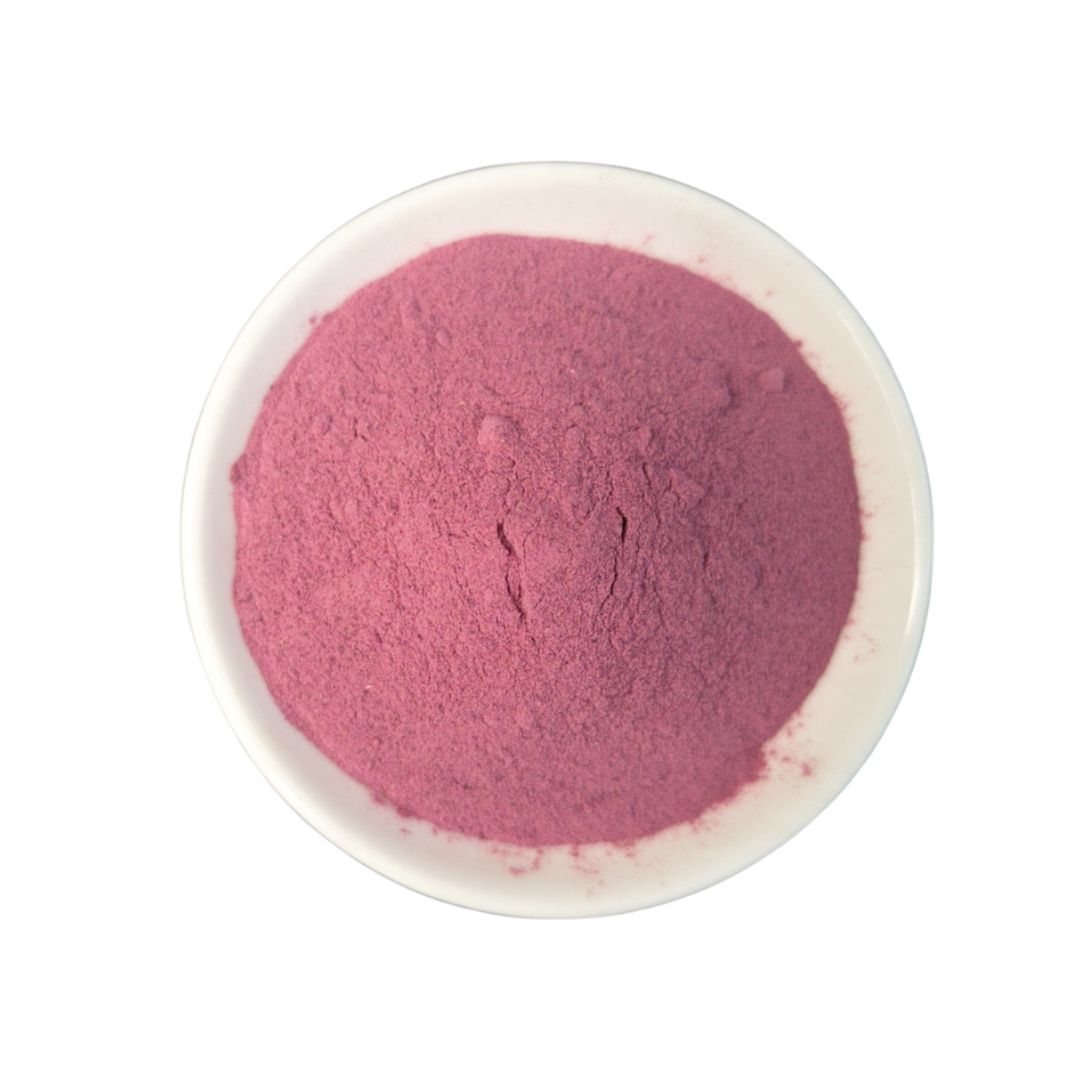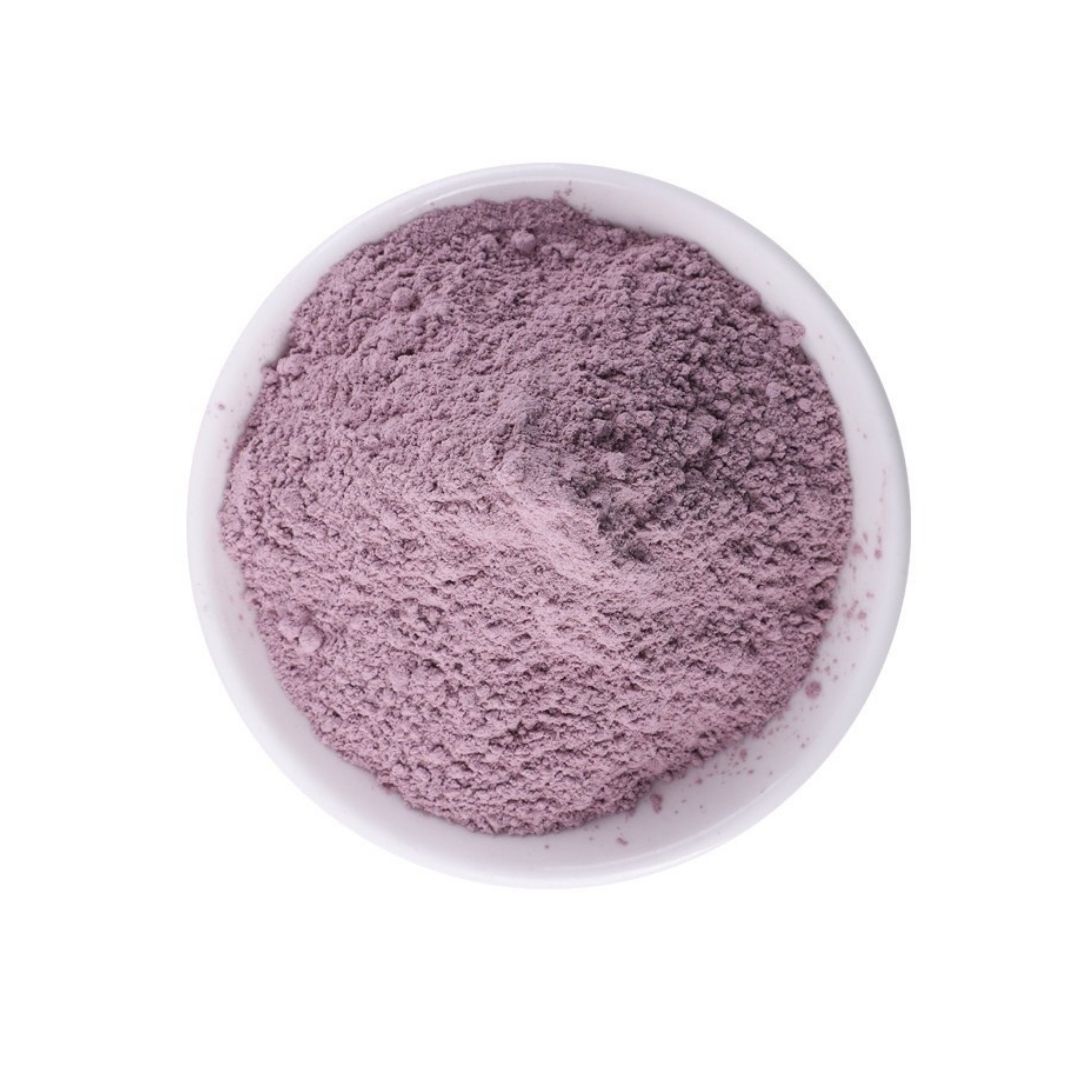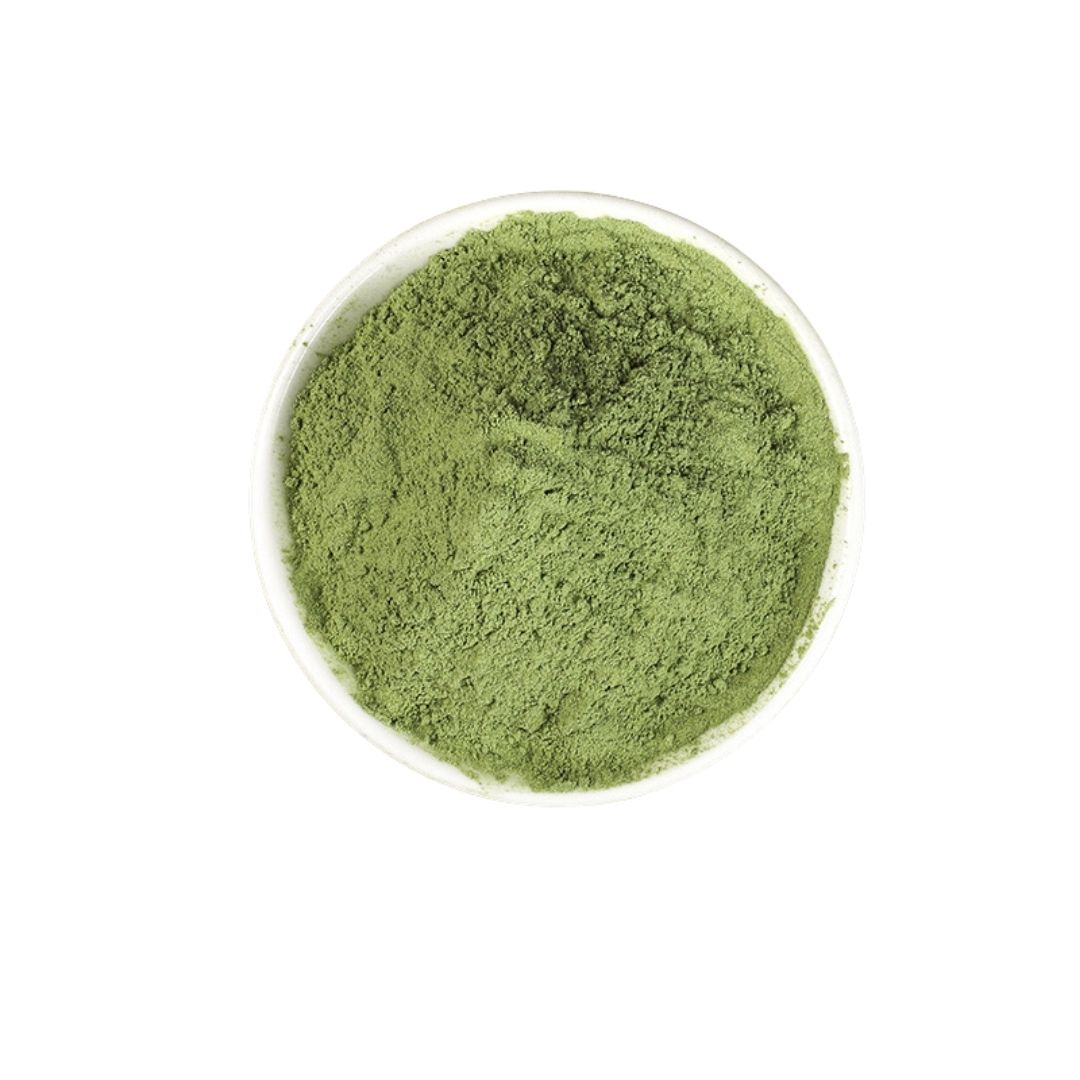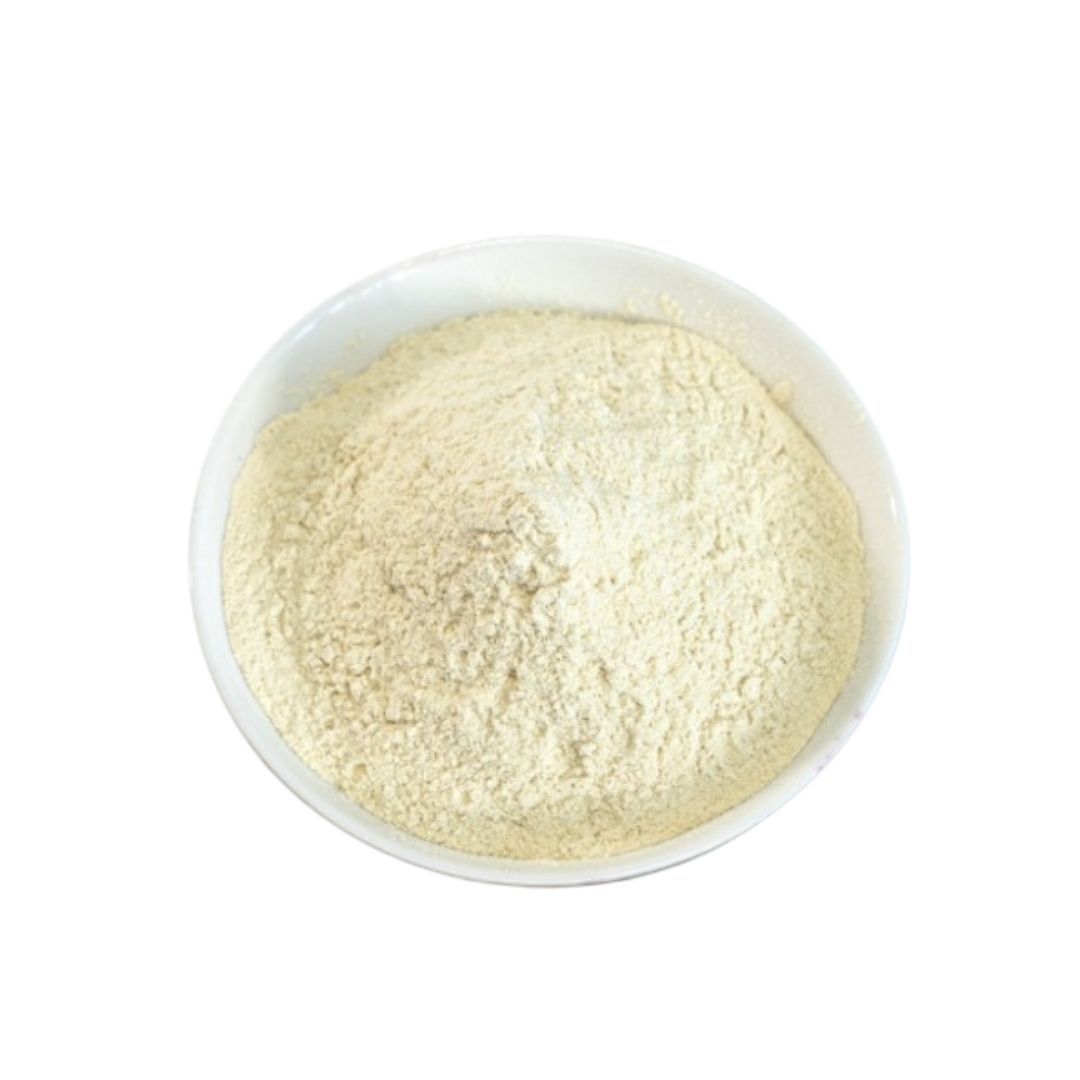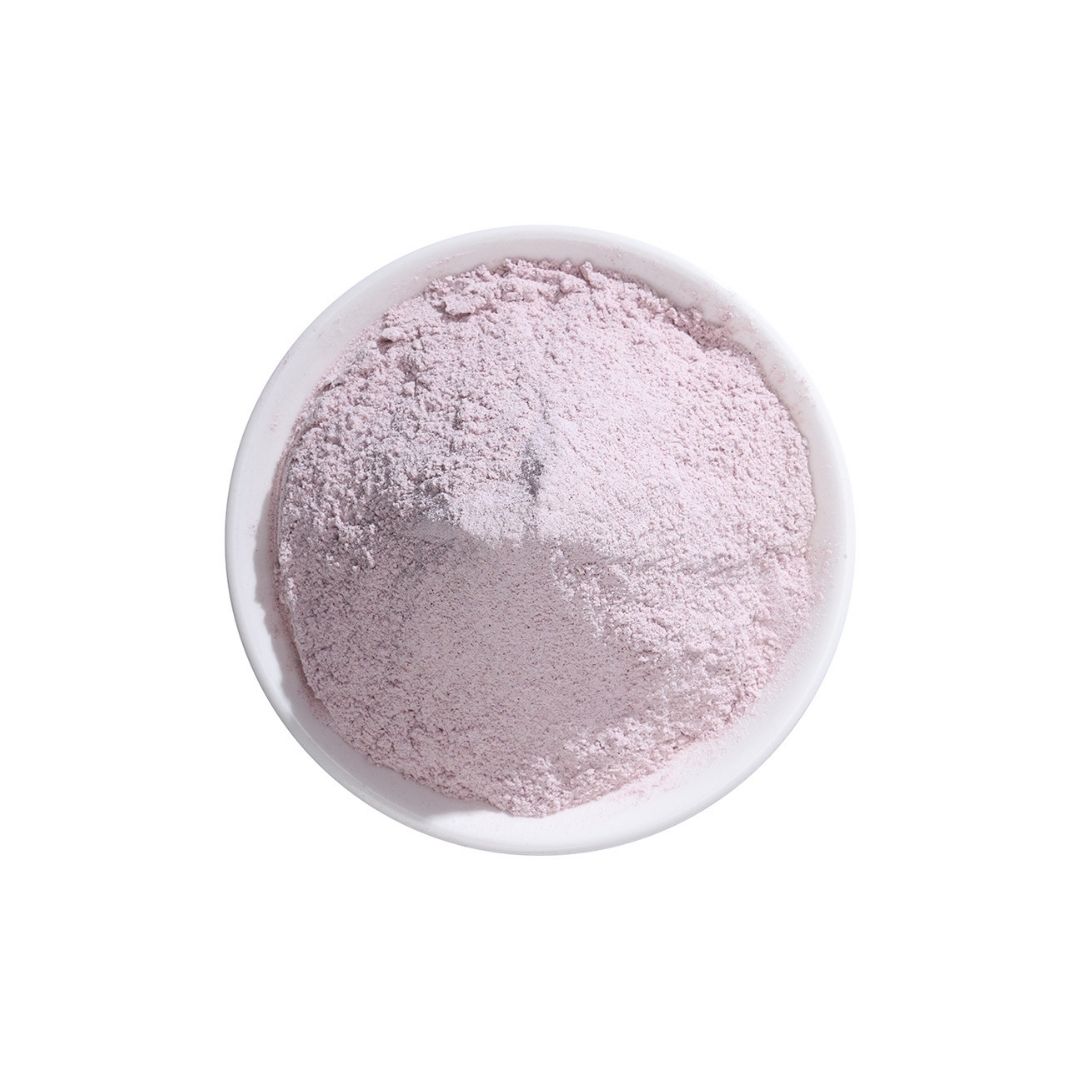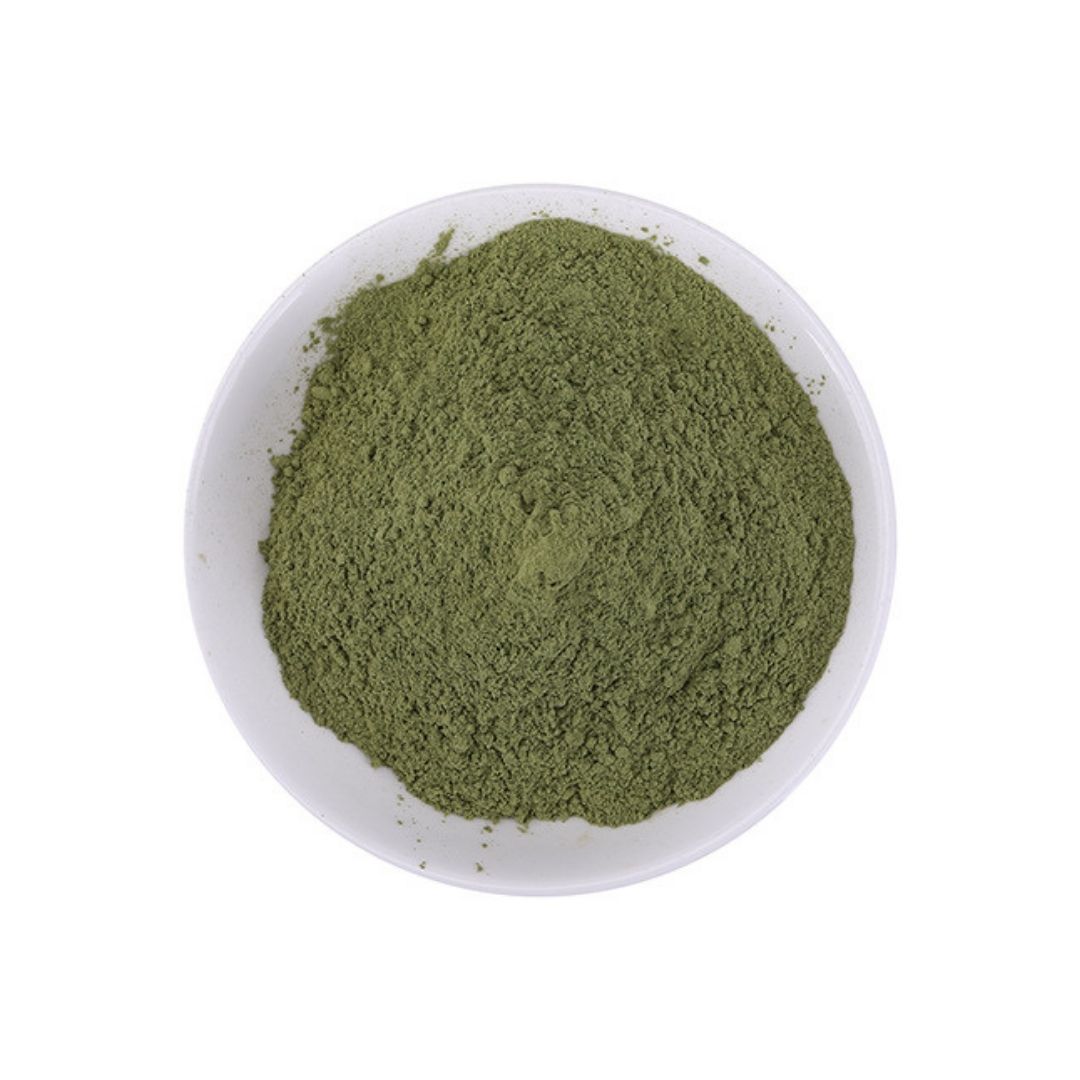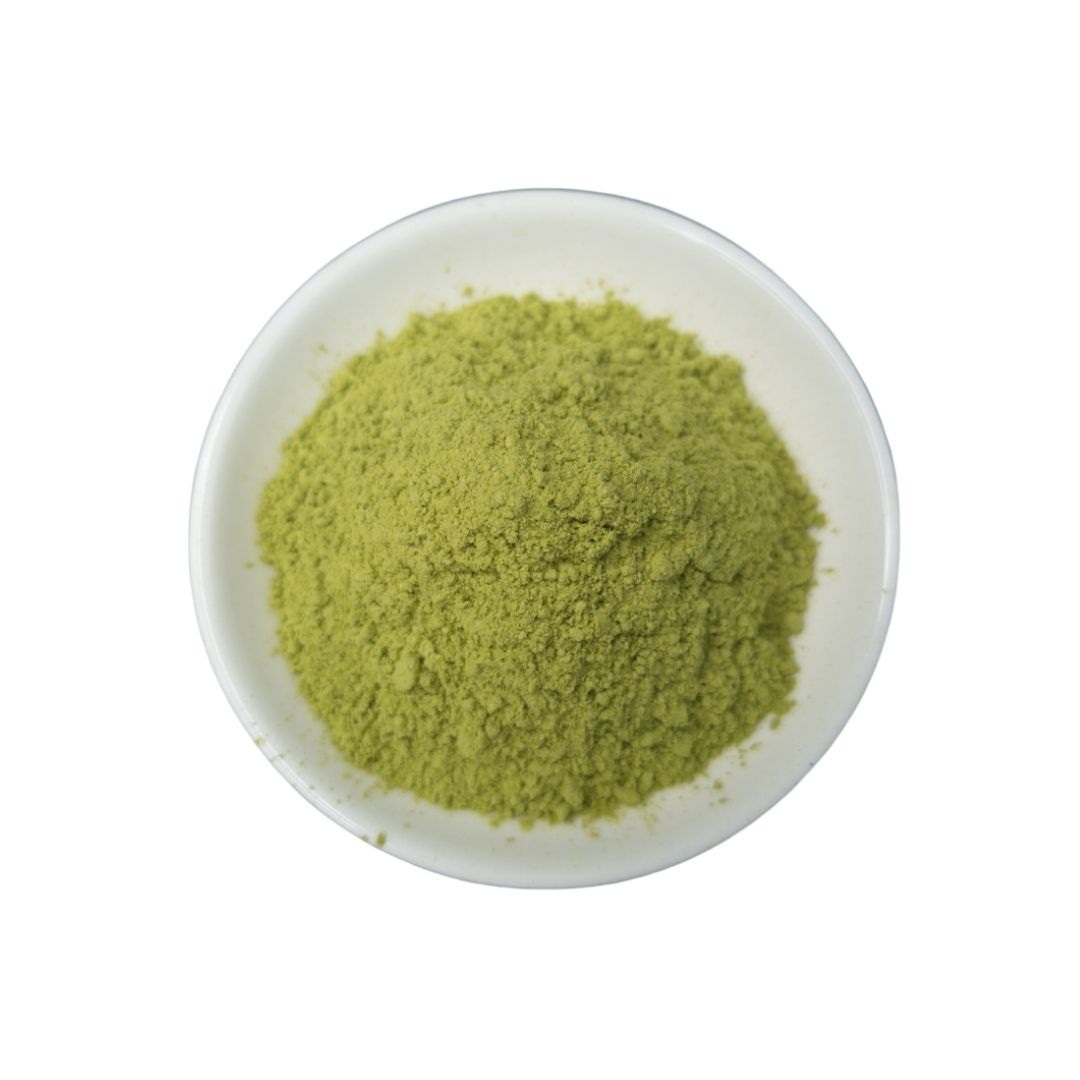
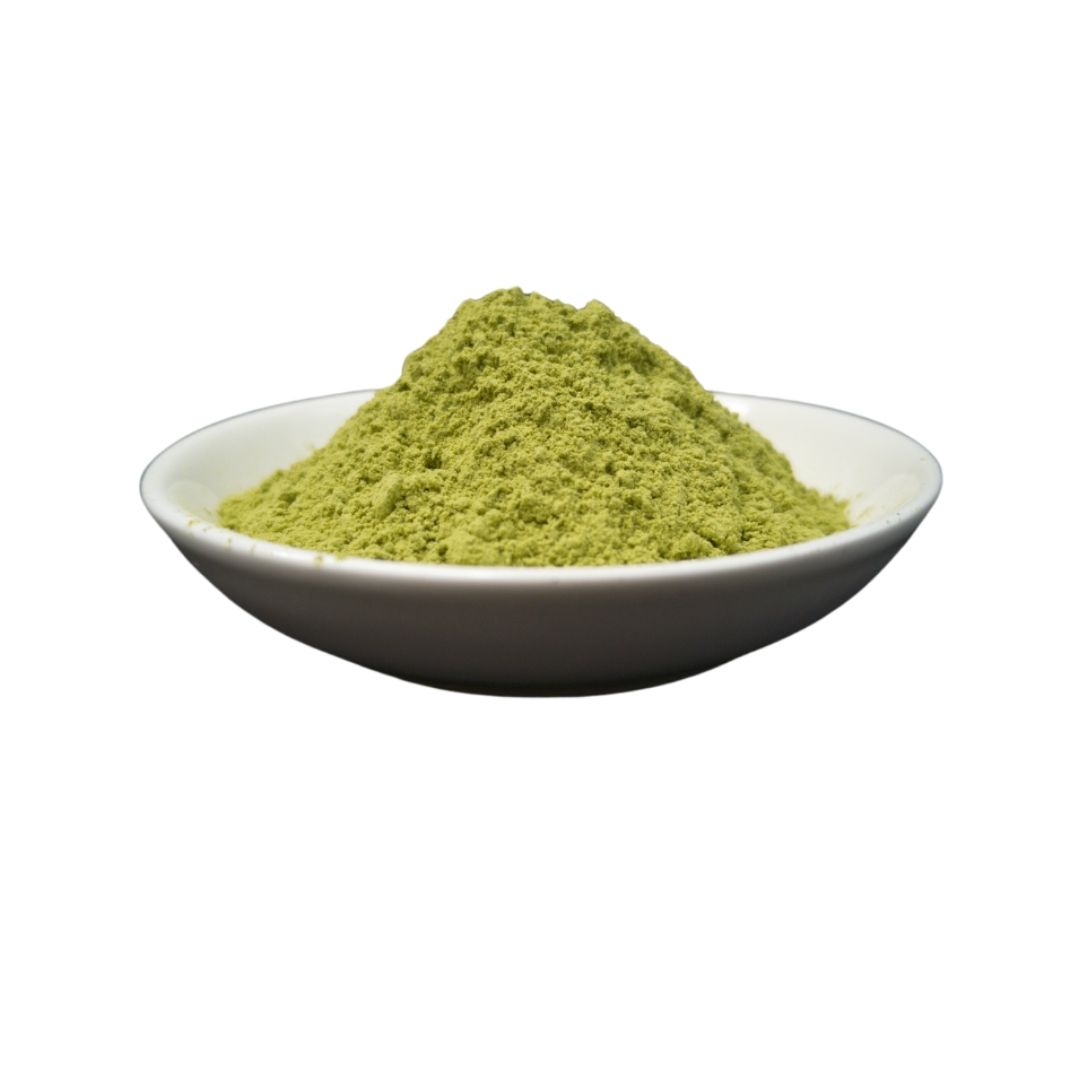
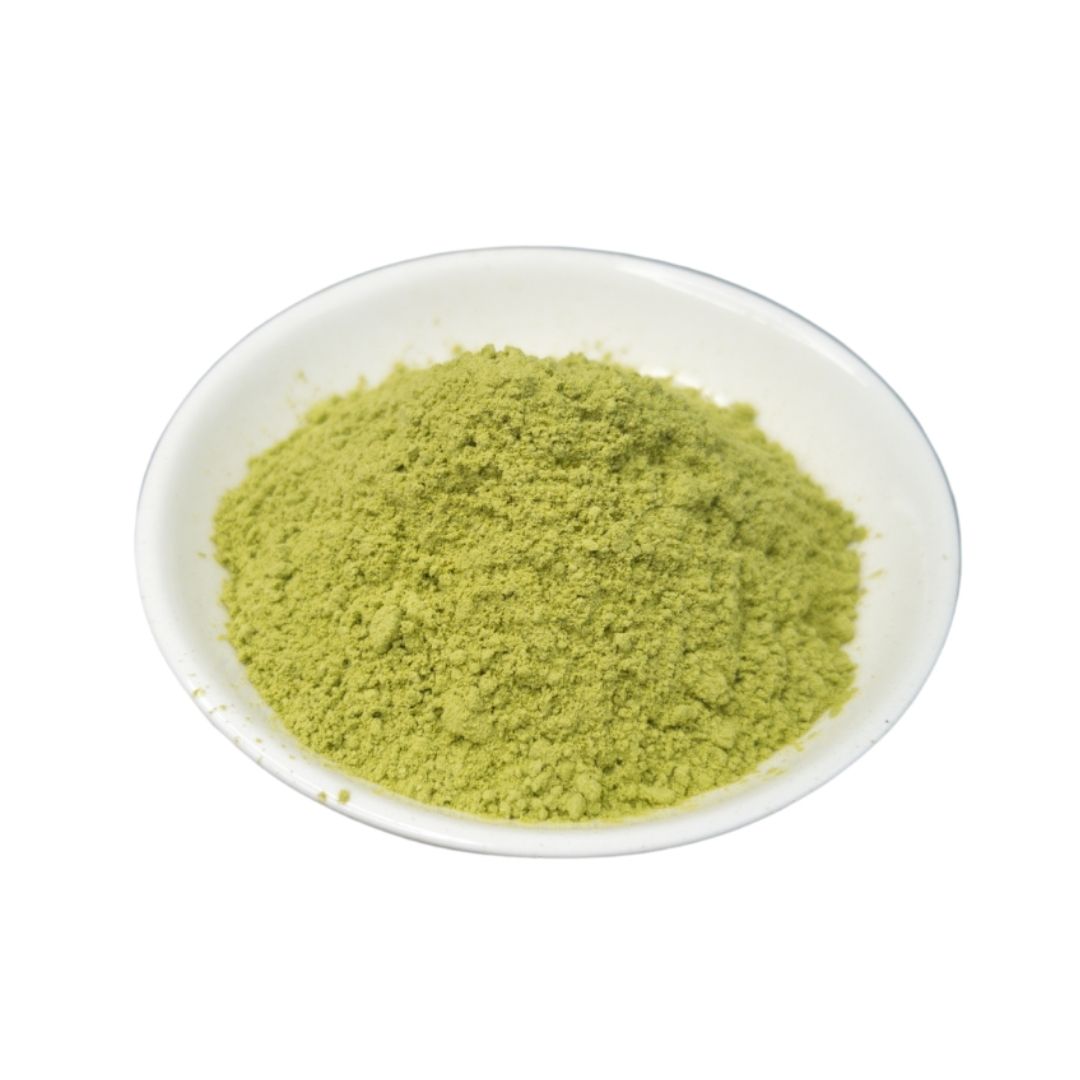


Product Introduction
Variegated leaf powder comprises the dried and ground leaves of plants that exhibit variegation, a condition where the leaves display multiple colors. The source of this powder can be diverse, as variegation occurs naturally or is cultivated in various plant species, including some herbs, ornamental plants, and even certain vegetables. The powder is utilized for its potential health benefits and aesthetic qualities, often incorporated into cosmetic products, dietary supplements, and as a natural coloring agent in foods. Its specific composition and properties depend significantly on the plant from which it is derived.
Production Process
The production of variegated leaf powder begins with the careful selection of plants with healthy, vibrant variegated leaves. Once selected, the leaves are harvested, usually by hand, to ensure minimal damage. They are then thoroughly cleaned to remove any dirt or contaminants. Following cleaning, the leaves are dried using methods such as air-drying, freeze-drying, or low-heat oven drying to preserve their nutritional content and color. After drying, the leaves are ground into a fine powder using a milling machine. The powder is then sifted to ensure a uniform consistency. Finally, the powder is packaged in airtight containers to protect it from moisture and light, thereby maintaining its quality and extending its shelf life.
Nutrition Facts
The nutritional profile of variegated leaf powder varies widely depending on the source plant, but it generally contains a mix of vitamins, minerals, and antioxidants. Common nutrients may include Vitamin C, Vitamin K, and certain B vitamins. Minerals such as potassium, magnesium, and calcium can also be present. The powder is often rich in phytonutrients, particularly flavonoids and carotenoids, which contribute to its antioxidant properties. Specific values for these nutrients can only be accurately determined through laboratory analysis of the specific batch and plant source.
Product Components and Benefits
The primary components of variegated leaf powder include chlorophyll, which gives plants their green color and is known for its potential detoxifying properties [1]. Flavonoids, another key component, are antioxidants that help protect the body against free radicals and inflammation [2]. The powder also contains various vitamins and minerals, essential for overall health and wellness.
The potential benefits of variegated leaf powder are linked to its antioxidant and anti-inflammatory properties. Some studies suggest that the antioxidants in the powder may help protect the skin from damage caused by UV radiation and environmental pollutants [3]. Additionally, the vitamins and minerals present can contribute to improved skin health and overall well-being. However, because the composition varies across different plant sources, specific health claims should be supported by research on the particular plant species used.
Product Applications
Variegated leaf powder finds applications in several industries, primarily in cosmetics, dietary supplements, and as a natural food coloring agent. In cosmetics, it is used in formulations such as facial masks, scrubs, and creams, where its antioxidant properties are valued for promoting skin health and radiance [4]. As a dietary supplement, it is available in capsule or powder form, marketed for its potential to support overall health and provide essential nutrients. In the food industry, it can be used to add natural color to various products, such as beverages, baked goods, and confectioneries, providing an alternative to synthetic food colorings [5].
Citations:
[1] Lanfer-Marquez, U. M., Barretti, B. R., & da Costa, J. M. (2005). Chlorophyll degradation during processing and storage of green vegetables. Química Nova, 28(5), 878-882.
[2] Panche, A. N., Diwan, A. D., & Chandra, S. R. (2016). Flavonoids: an overview. Journal of Nutritional Science, 5, e47.
[3] Nichols, J. A., & Katiyar, S. K. (2010). Skin photoprotection by natural polyphenols: anti-inflammatory, antioxidant and DNA repair mechanisms. Archives of Dermatological Research, 302(2), 71-83.
[4] Pullar, J. M., Carr, A. C., & Vissers, M. (2017). The roles of vitamin C in skin health. Nutrients, 9(8), 866.
[5] Downham, A., & Collins, P. (2000). Colouring our foods in the past, present and future. International Journal of Food Science & Technology, 35(1), 5-22.

As a sales manager, I’m here to make sure you get exactly what you need for your dietary supplements. From sourcing to delivery, I’m always by your side, ensuring smooth and friendly service. Let’s make your products even better! 🥰🌿