

Product Introduction
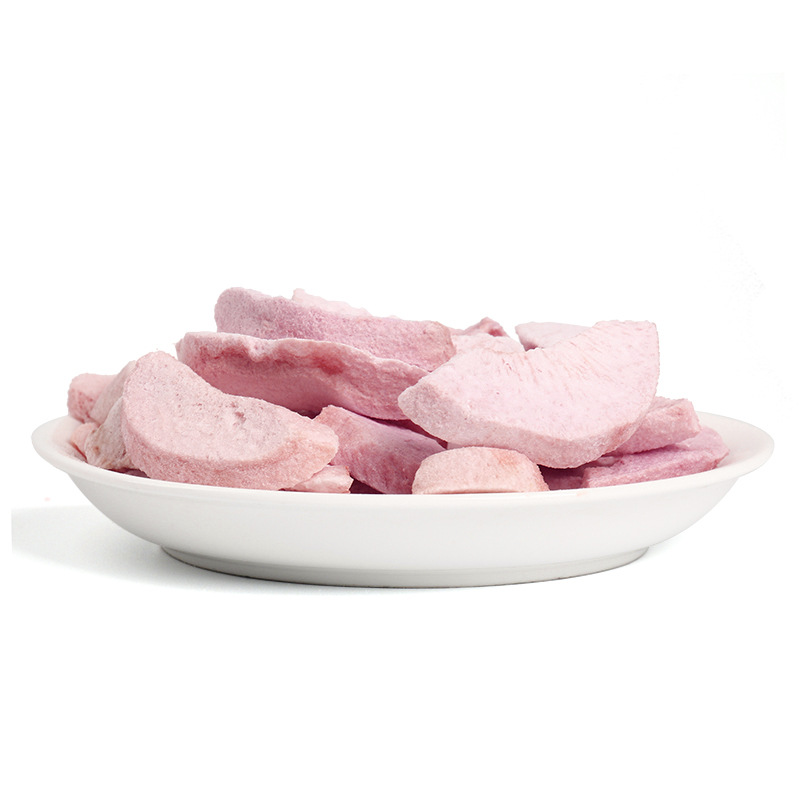
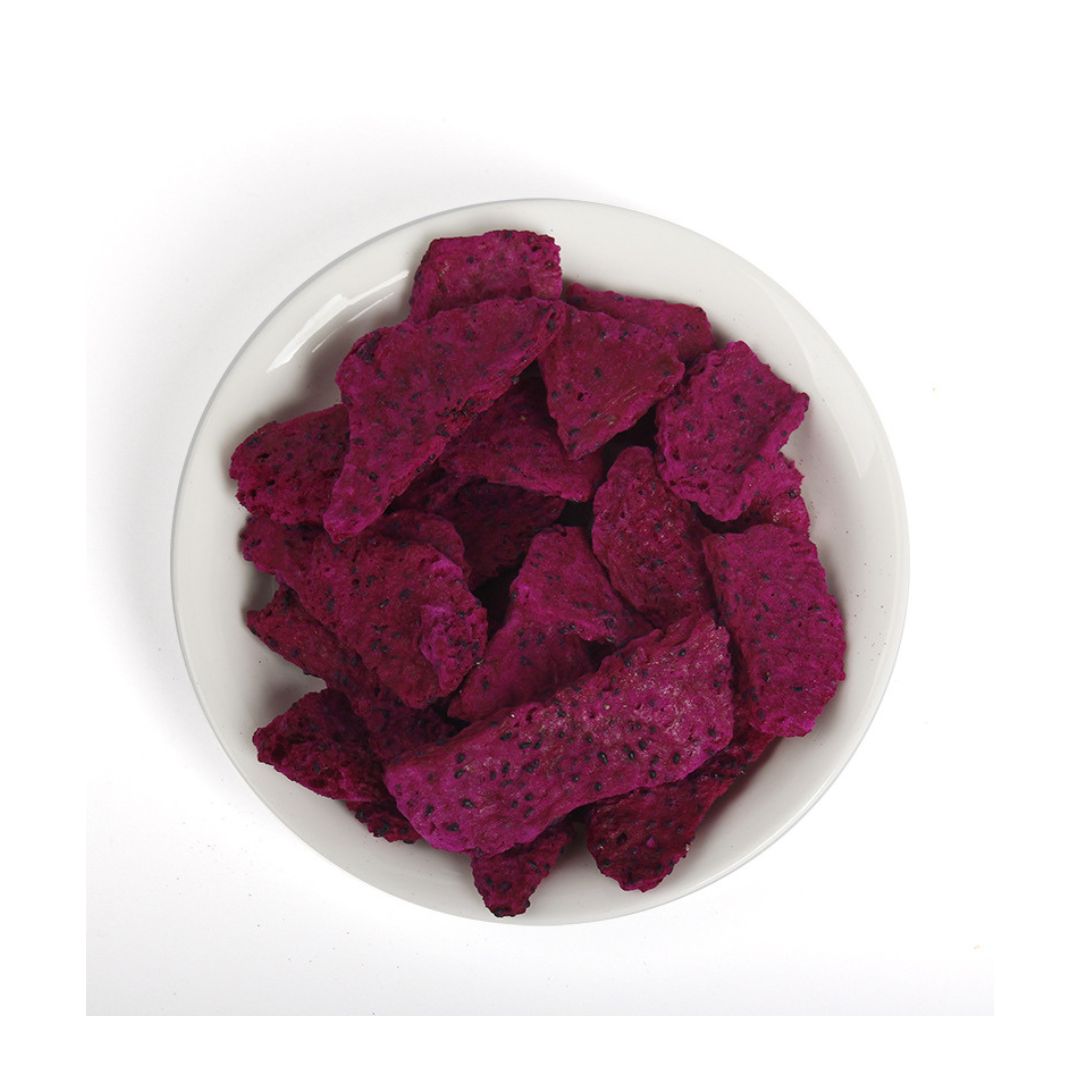
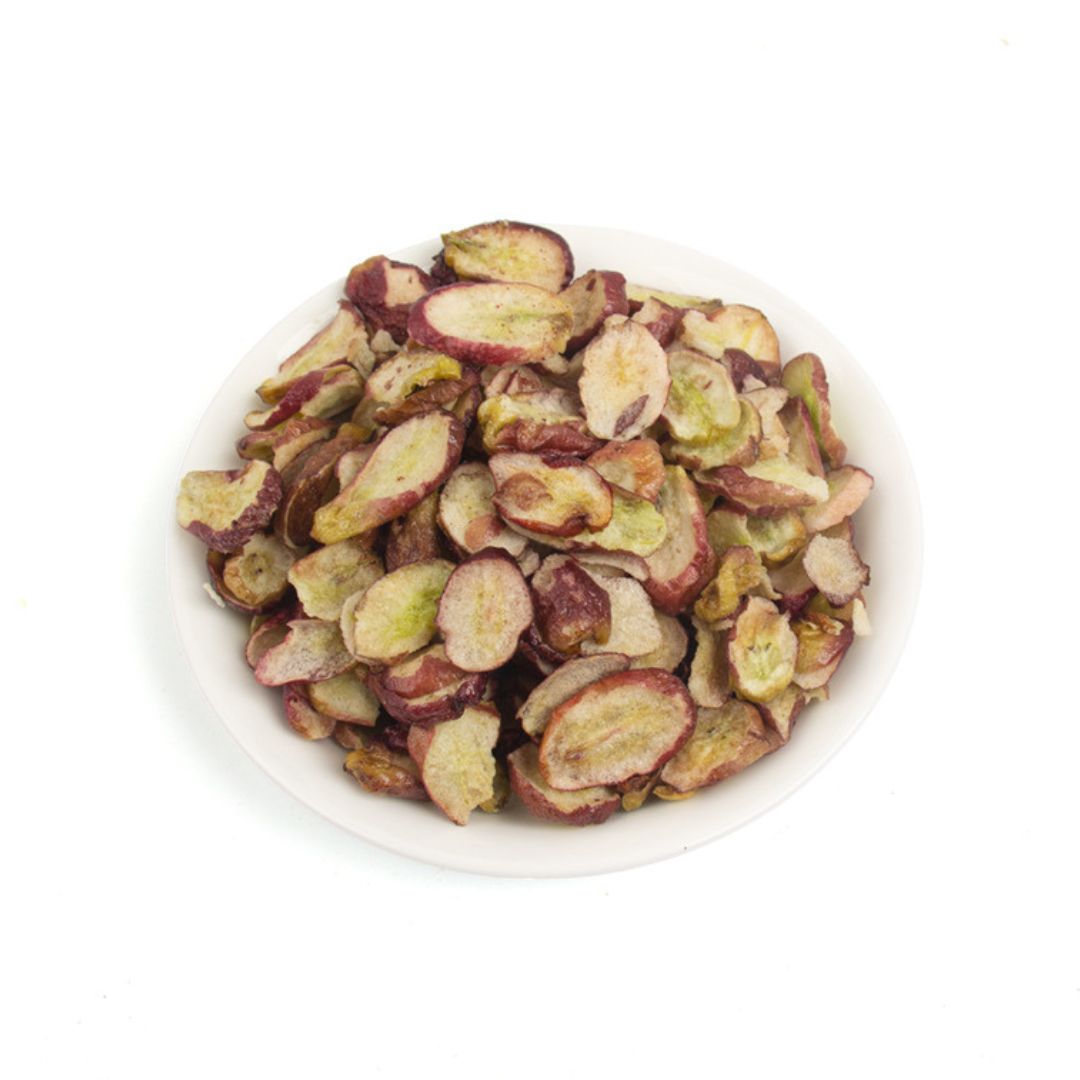
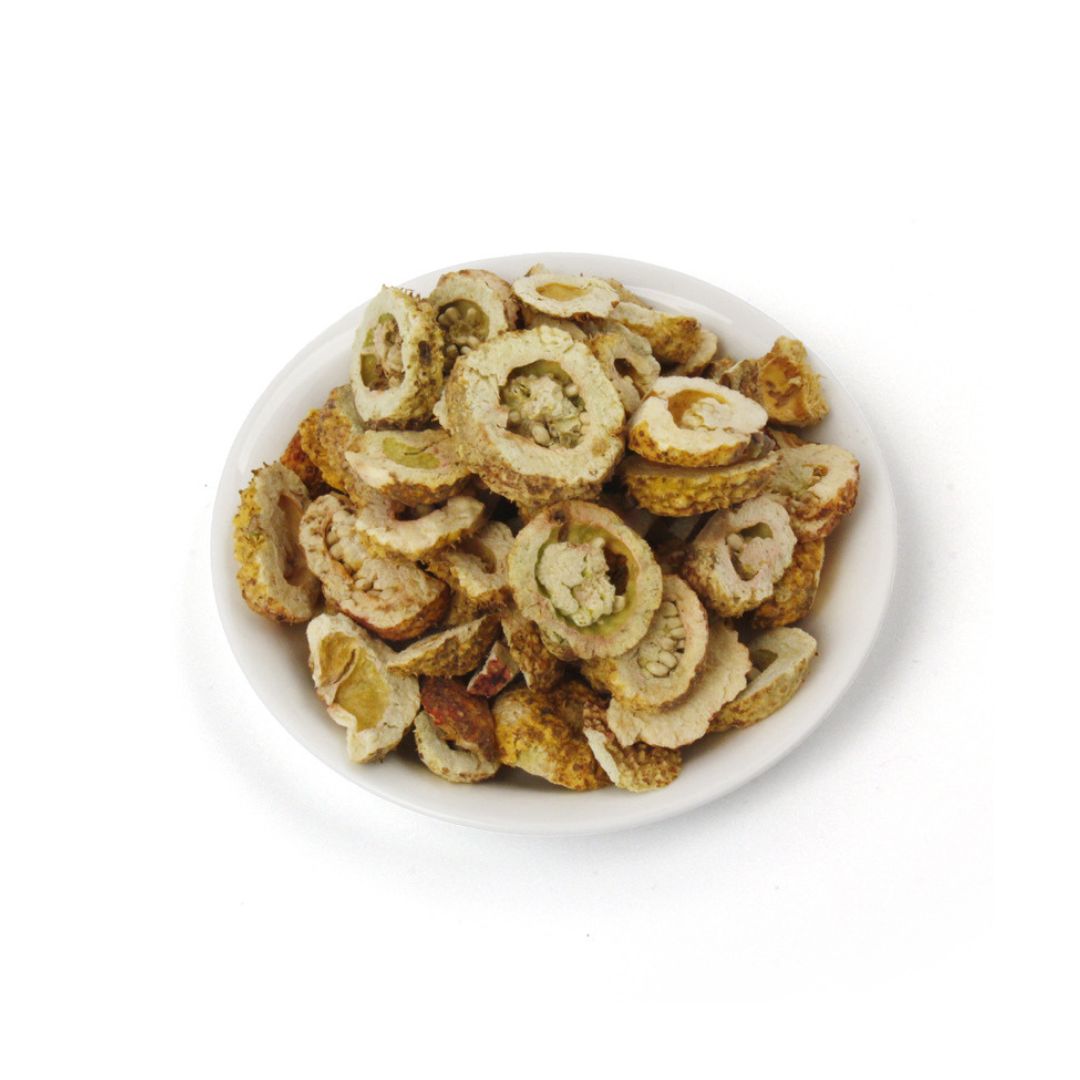
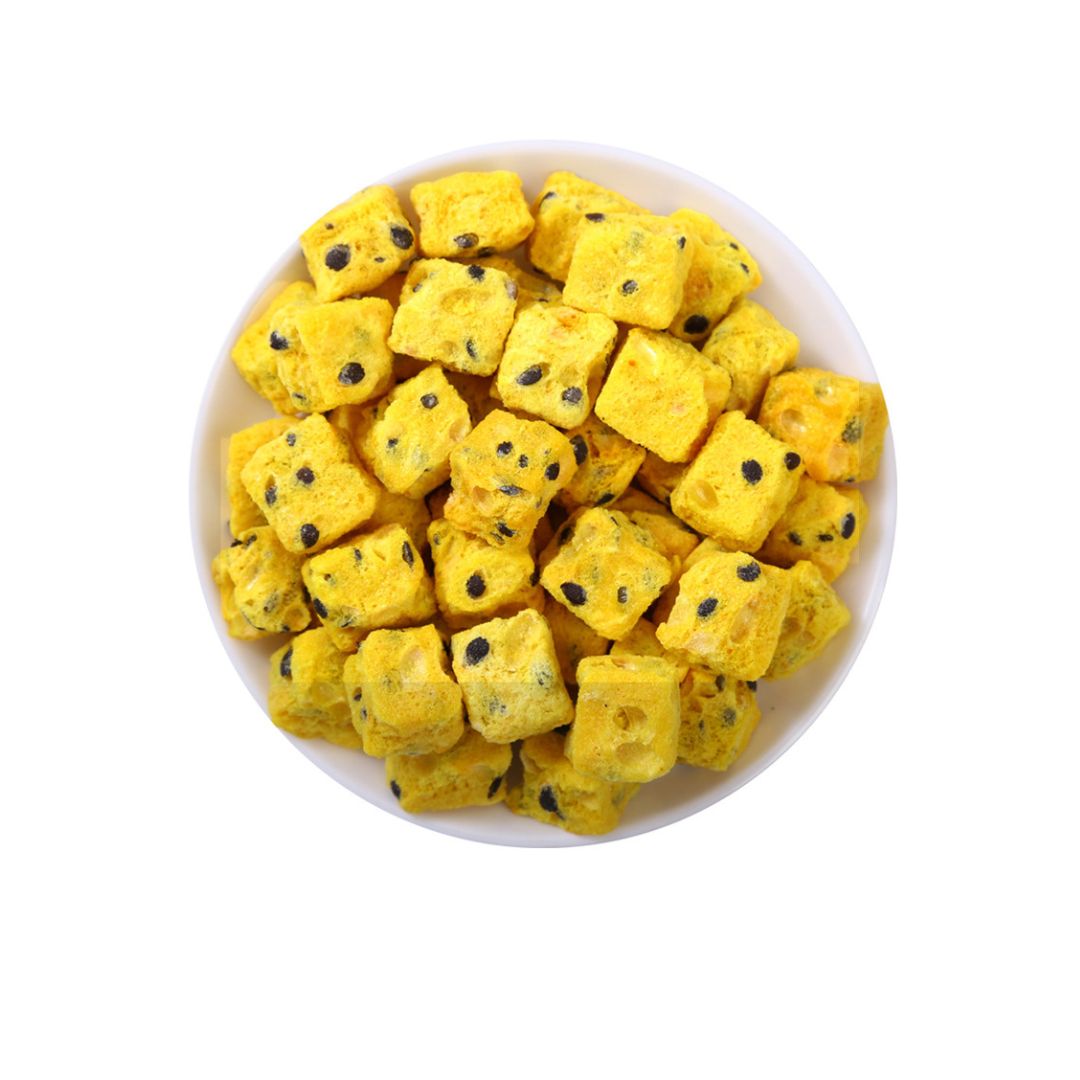
Freeze-dried passion fruit is produced via a dehydration process, that removes moisture from fresh passion fruit pulp. This process preserves the fruit's nutrients, flavor, and aroma. Freeze-drying results in a product that is shelf-stable. It is lightweight and easy to incorporate into various applications. This makes it a practical option for consumers and manufacturers.
Production Process
The production of freeze-dried passion fruit begins with the selection of ripe passion fruits. The fruits are then washed, and the pulp is extracted. The extracted pulp undergoes rapid freezing, solidifying the water content. Following the freezing stage, the frozen pulp enters a vacuum chamber. Once in the chamber, sublimation occurs, converting the ice directly into vapor by application of heat. This vapor is then removed, thus leaving behind the dried passion fruit solids. The resulting product retains much of its original flavor and nutritional value. Upon completion of this process, the freeze-dried passion fruit undergoes quality checks. It is then packaged for distribution.
Nutritional Composition Table
Typical nutritional values per 100g of freeze-dried passion fruit are:
| Nutrient | Amount |
|---|---|
| Calories | 350 kcal |
| Carbohydrates | 80 g |
| Fiber | 25 g |
| Vitamin C | 50 mg |
| Vitamin A | 500 IU |
| Iron | 3 mg |
These values can vary based on factors such as the specific variety of passion fruit. They also depend on the processing methods employed.
Product Benefits and Functions
Freeze-dried passion fruit retains many of the health benefits that are found in fresh passion fruit. The high vitamin C content supports the immune system. It also helps the body protect itself against infections.[1] The dietary fiber promotes digestive health and can aid in maintaining regular bowel movements.[2] Vitamin A contributes to healthy vision and skin.[3] The fruit contains antioxidants, that are beneficial in combating oxidative stress in the body.[4]
Product Application Scenarios
Freeze-dried passion fruit can enhance a variety of products. Its powder form is suitable for smoothies, yogurt, and breakfast cereals. It can also be incorporated into baked goods such as cakes, muffins, and desserts. Moreover, it can be used in the confectionery industry for making candies, chocolates, and flavored coatings. The food and beverage sector utilizes it in teas, juices, and flavored water. The product is also suitable for creating natural food colorings and flavorings.
Botanical Source
Passion fruit comes from the plant Passiflora edulis, a vine species native to South America, particularly Brazil, Paraguay, and northern Argentina.[5] It grows well in tropical and subtropical climates throughout the world, including regions in Australia, New Zealand, Hawaii, and parts of Africa and Asia. The vine produces characteristic flowers and fruits with a tough outer rind. Inside the rind, there is aromatic pulp filled with edible seeds.
Packaging and Storage
To maintain the quality of freeze-dried passion fruit, proper packaging and storage are essential. The product should be packaged in airtight, moisture-proof containers or bags. This will prevent moisture absorption and maintain its crisp texture. It must be stored in a cool, dry place, away from direct sunlight and heat sources. The ideal storage temperature is between 15°C and 25°C. Under these conditions, freeze-dried passion fruit can maintain its quality for up to 12–18 months.
Citations
- Pullar, J. M., Carr, A. C., & Vissers, M. (2018). The Roles of Vitamin C in Immunity. Nutrients, 10(11), 1694.
- Anderson, J. W., et al. "Health implications of dietary fiber." Nutrition Reviews 56.1 (1998): 1-18.
- Sommer, A. "Vitamin A Deficiency and Clinical Disease: An Historical Overview." The Journal of Nutrition 138.10 (2008): 1835-1839.
- Lobo, V., et al. "Free radicals, antioxidants and functional foods: Impact on human health." Pharmacognosy Reviews 4.8 (2010): 118.
- Ulmer, T., & MacDougal, J. M. (2004). Passiflora: Passionflowers of the World. Timber Press.

As a sales manager, I’m here to make sure you get exactly what you need for your dietary supplements. From sourcing to delivery, I’m always by your side, ensuring smooth and friendly service. Let’s make your products even better! 🥰🌿