

Product Introduction
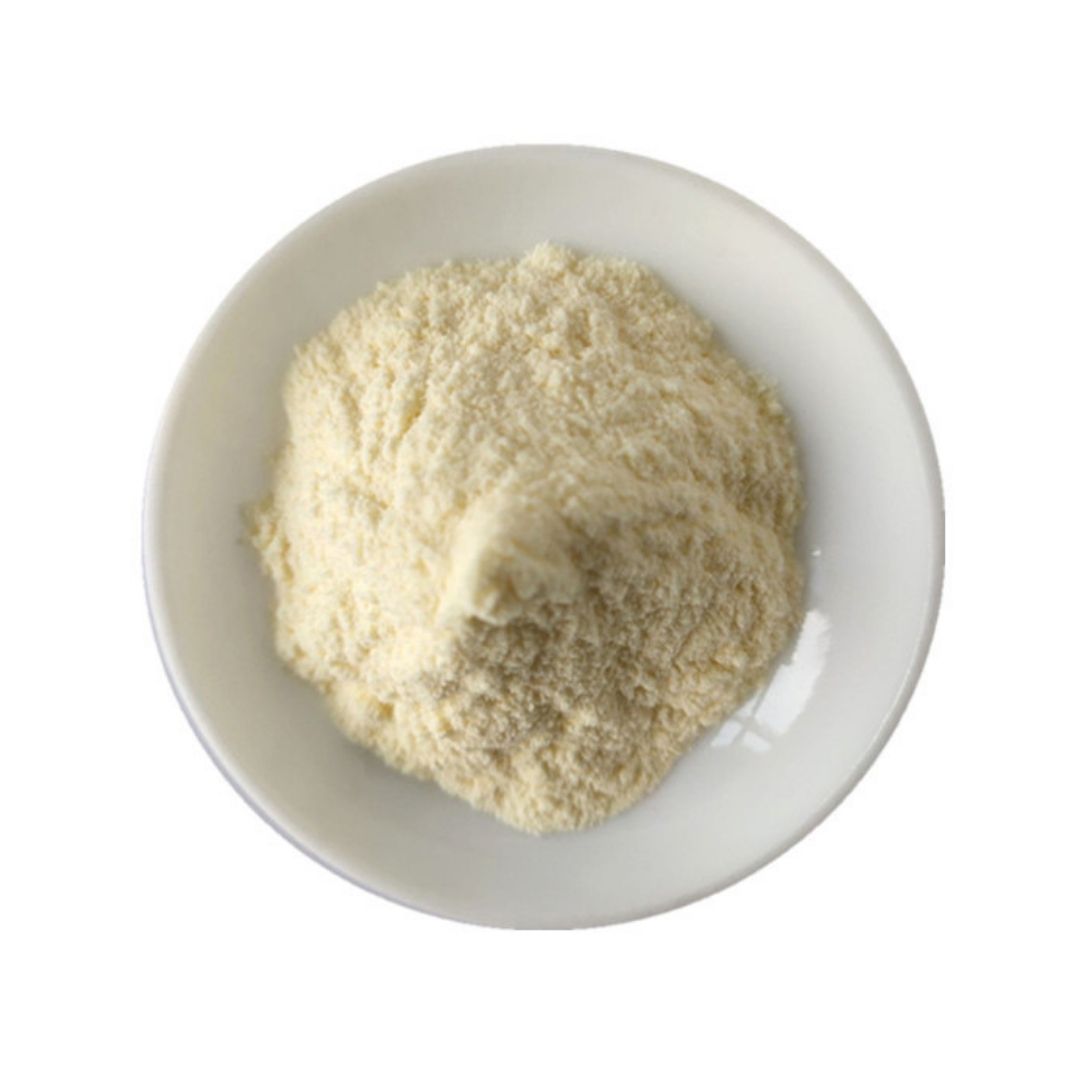
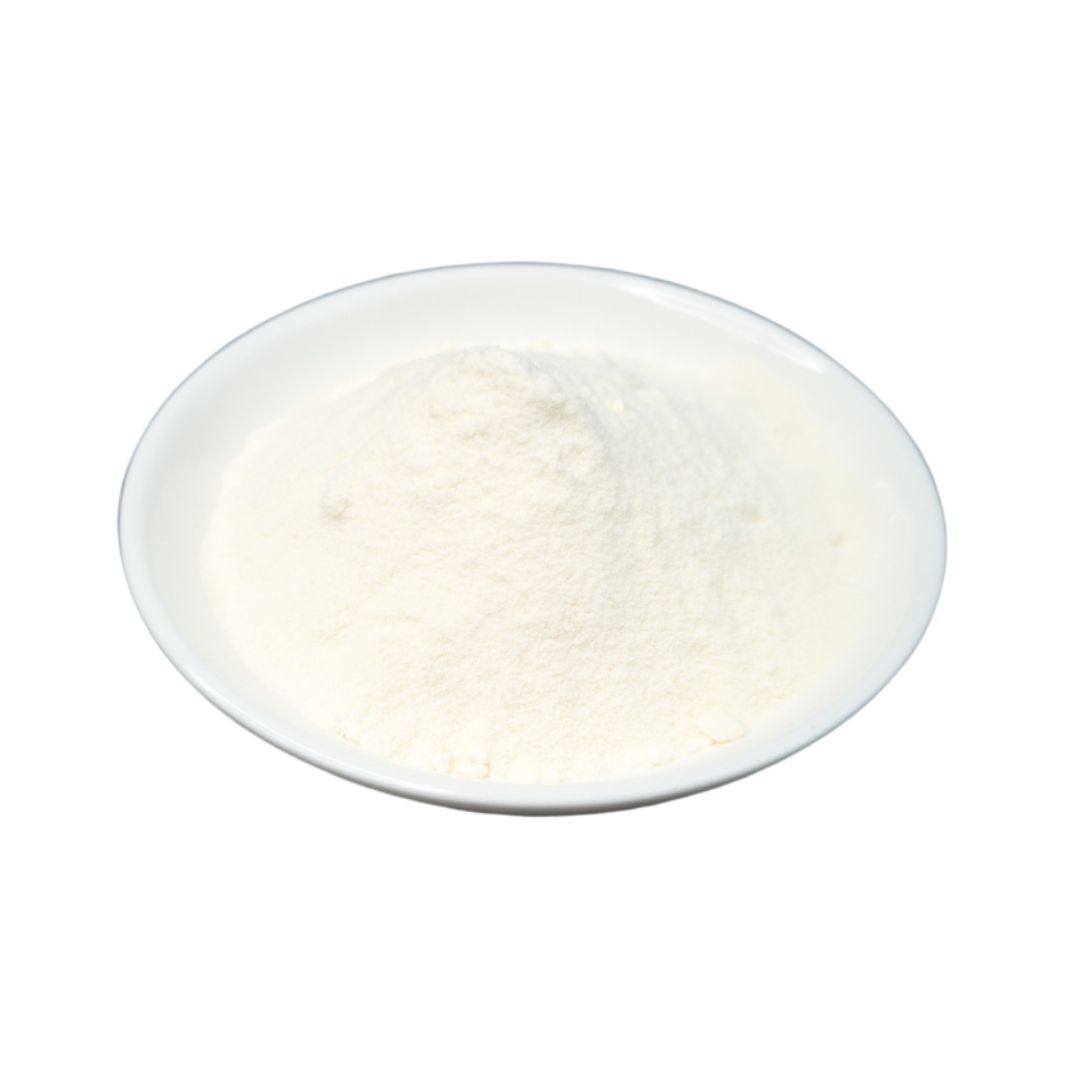
Apple powder is a dehydrated form of apples, produced by drying and grinding fresh apples into a fine powder. This process concentrates the natural sugars, acids, and fibers present in apples, offering a convenient way to incorporate apple flavor and nutrients into various applications. It retains many of the health benefits of fresh apples, including dietary fiber, vitamins, and antioxidants [1]. The powder form allows for easy incorporation into dry mixes, beverages, and other food products, enhancing both taste and nutritional value. Its versatility makes it a popular ingredient in the food, beverage, and cosmetic industries.
Production Process
The production of apple powder involves several key steps to ensure a high-quality final product. Initially, fresh apples are selected, typically based on variety, ripeness, and overall quality [2]. These apples are thoroughly washed and inspected to remove any impurities or damaged fruit. Next, the apples are prepared by coring, peeling (optional, depending on the desired characteristics of the final powder), and slicing or dicing to facilitate efficient drying [3]. Drying methods commonly employed include hot air drying, vacuum drying, and freeze-drying. Hot air drying is a cost-effective method where the apples are exposed to controlled hot air to remove moisture. Vacuum drying involves drying the apples under reduced pressure, which lowers the boiling point of water and allows for drying at lower temperatures, preserving more of the apple's natural flavor and nutrients [4]. Freeze-drying (lyophilization) is considered the highest quality method, where the apples are frozen and then subjected to a vacuum to sublimate the ice crystals, resulting in minimal loss of flavor, color, and nutrients [5]. After drying, the apple slices or pieces are milled into a fine powder using specialized grinding equipment. The powder is then sifted to ensure a consistent particle size. Finally, the apple powder is packaged in airtight containers to prevent moisture absorption and maintain its quality during storage.
Product Applications
Apple powder has diverse applications across various industries, primarily due to its natural sweetness, flavor, and nutritional content. In the food and beverage industry, it is used as a natural sweetener, flavor enhancer, and thickening agent in products such as baked goods, smoothies, juices, and sauces [6]. It can also be added to breakfast cereals, granola bars, and snack foods to increase their fiber and nutrient content. In the dietary supplement industry, apple powder is used as a source of dietary fiber, vitamins, and antioxidants [7]. It may be incorporated into capsules, tablets, or powdered mixes aimed at promoting digestive health and overall wellness. The cosmetic industry utilizes apple powder in skincare products for its antioxidant properties, which can help protect the skin from damage caused by free radicals [8]. It can be found in facial masks, scrubs, and lotions, contributing to the product's overall appeal and efficacy. Additionally, apple powder has potential applications in the pharmaceutical industry as a natural excipient or flavoring agent in certain formulations [9].
Packaging and Storage
Proper packaging and storage are crucial for maintaining the quality and extending the shelf life of apple powder. The powder should be packaged in airtight containers to prevent exposure to moisture, which can cause clumping and degradation of the product. Materials such as high-density polyethylene (HDPE) or foil-lined bags are commonly used due to their excellent barrier properties [10]. The packaging should also protect the powder from direct sunlight and air, as these can lead to oxidation and loss of flavor and nutritional value. Storage conditions should be cool and dry, ideally at temperatures below 25°C (77°F) and relative humidity below 65% [11]. Avoid storing apple powder near strong odors or chemicals, as it can absorb these and affect its flavor. Under optimal storage conditions, apple powder can maintain its quality for approximately 12-24 months. It is recommended to check the product regularly for any signs of spoilage, such as changes in color, odor, or texture.
Citations:
[1] Wardlaw, G. M., & Smith, A. M. (2018). Contemporary Nutrition. McGraw-Hill Education.
[2] Janick, J. (2005). Horticultural Reviews, Volume 31. John Wiley & Sons.
[3] Fellows, P. J. (2009). Food Processing Technology: Principles and Practice. Woodhead Publishing.
[4] Ratti, C. (2001). Hot air and freeze-drying of high-value foods: a review. Journal of Food Engineering, 49(4), 311-319.
[5] Ciurzyńska, A., Lenart, A., & Wojdyło, A. (2016). The influence of freeze-drying conditions on the quality of sour cherries. LWT - Food Science and Technology, 68, 260-266.
[6] Potter, N. N., & Hotchkiss, J. H. (1995). Food Science. Springer.
[7] Anderson, J. W., et al. Health implications of dietary fiber. Nutrition Reviews, 56(1), 1-18.
[8] Baumann, L. (2007). Cosmetic Dermatology: Principles and Practice. McGraw-Hill.
[9] Rowe, R. C., Sheskey, P. J., & Quinn, M. E. (2009). Handbook of Pharmaceutical Excipients. Pharmaceutical Press.
[10] Marsh, K., & Bugusu, B. (2007). Food packaging—roles, materials, and environmental issues. Journal of Food Science, 72(3), R39-R55.
[11] Labuza, T. P. (1982). Shelf Life Dating of Foods. Food & Nutrition Press.

As a sales manager, I’m here to make sure you get exactly what you need for your dietary supplements. From sourcing to delivery, I’m always by your side, ensuring smooth and friendly service. Let’s make your products even better! 🥰🌿