

Product Introduction
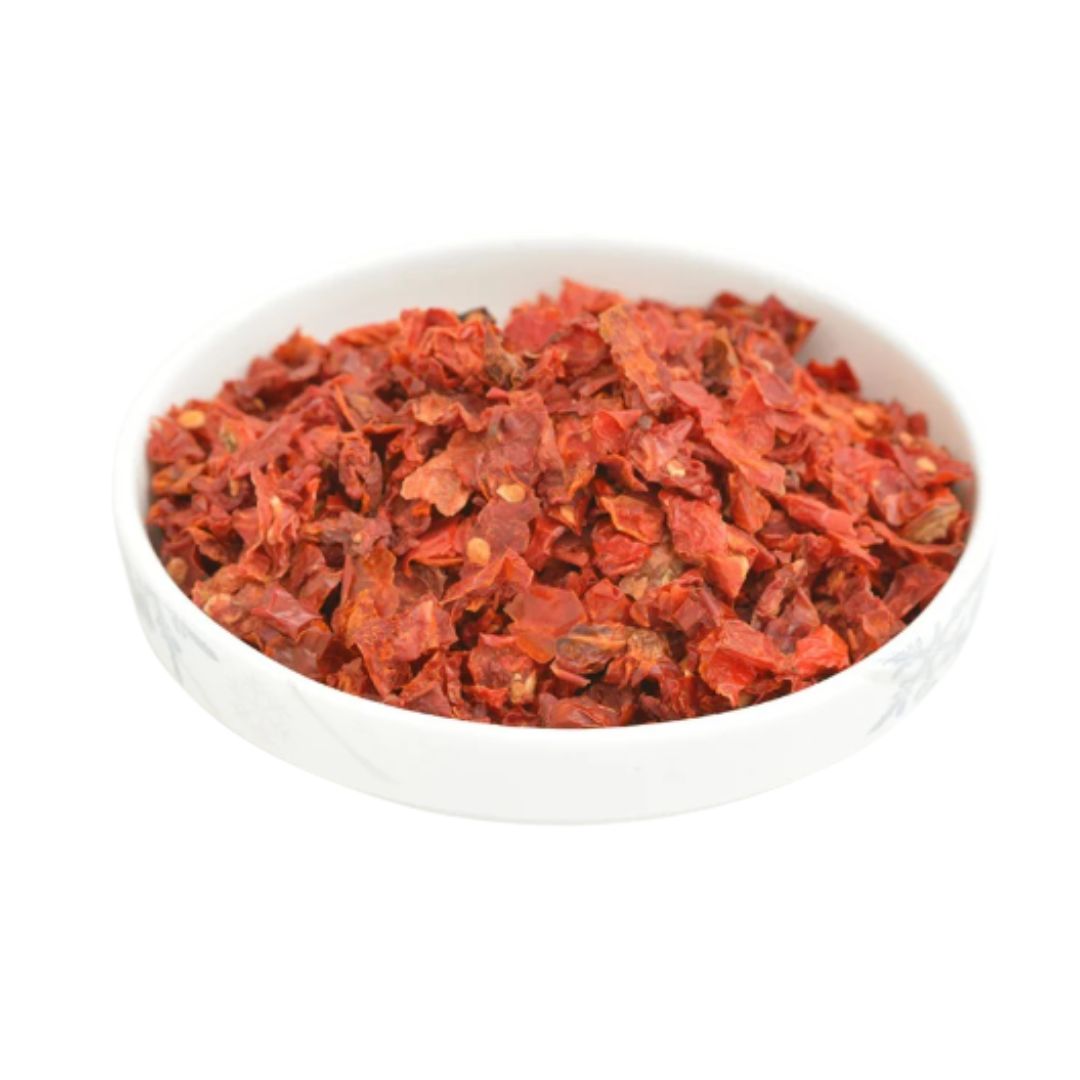
Dehydrated diced tomatoes offer a concentrated form of fresh tomatoes. This product retains a significant amount of the nutritional value found in fresh tomatoes, including vitamins, minerals, and antioxidants. The process of dehydration reduces the moisture content, preventing microbial growth, and thereby extending the shelf life considerably. Due to their concentrated flavor, dehydrated diced tomatoes can intensify and enrich the taste profiles of various dishes.
Production Process
The production process begins with selecting high-quality, ripe tomatoes. Tomatoes are thoroughly washed and inspected to remove any damaged or unsuitable fruits. Following the washing, the tomatoes are diced into uniform pieces to ensure consistent drying. Different drying methods, such as air-drying and freeze-drying, can be employed. In air-drying, tomatoes are spread on trays and exposed to hot air until the moisture content is reduced to the desired level. Freeze-drying involves freezing the tomatoes and then subjecting them to a vacuum, which causes the ice crystals to sublimate directly into vapor, preserving the cellular structure and flavor compounds more effectively. After drying, the diced tomatoes are inspected, sorted, and packaged for distribution.
Product Applications
Dehydrated diced tomatoes are versatile in their application across the food industry. They are commonly used in the production of dry soup mixes and instant noodle seasonings, where their concentrated flavor adds depth and richness, and are suited for long-term storage. The ingredient is also widely incorporated into sauces, stews, and casseroles, rehydrating during the cooking process and releasing a robust tomato flavor. Dehydrated diced tomatoes are also used in the production of ready-to-eat meals, as well as in various snack foods and spice blends. Furthermore, they can be added to bread and baked goods to enhance flavor and nutritional content.
Packaging and Storage
Proper packaging and storage are crucial to maintaining the quality and extending the shelf life of dehydrated diced tomatoes. They should be packaged in airtight, moisture-proof containers to prevent rehydration and maintain crispness. Packaging materials often include sealed plastic bags, glass jars, or metal containers with airtight lids. It is recommended to store the product in a cool, dry place, away from direct sunlight and heat sources, to minimize degradation and color change. Ideal storage conditions involve temperatures below 70°F (21°C) and relative humidity below 65%. Under these conditions, dehydrated diced tomatoes can typically be stored for 12-18 months without significant loss of quality.
Citations:
- Sharma, H. K., et al. "Dehydration of Foods." Comprehensive Reviews in Food Science and Food Safety, vol. 18, no. 2, 2019, pp. 380–99.
- Fellows, P. J. Food Processing Technology: Principles and Practice. 3rd ed., Woodhead Publishing, 2009.
- Ratti, C. "Hot Air and Freeze-Drying of High-Value Foods: A Review." Journal of Food Engineering, vol. 49, no. 4, 2001, pp. 311-319.

As a sales manager, I’m here to make sure you get exactly what you need for your dietary supplements. From sourcing to delivery, I’m always by your side, ensuring smooth and friendly service. Let’s make your products even better! 🥰🌿