

Product Introduction
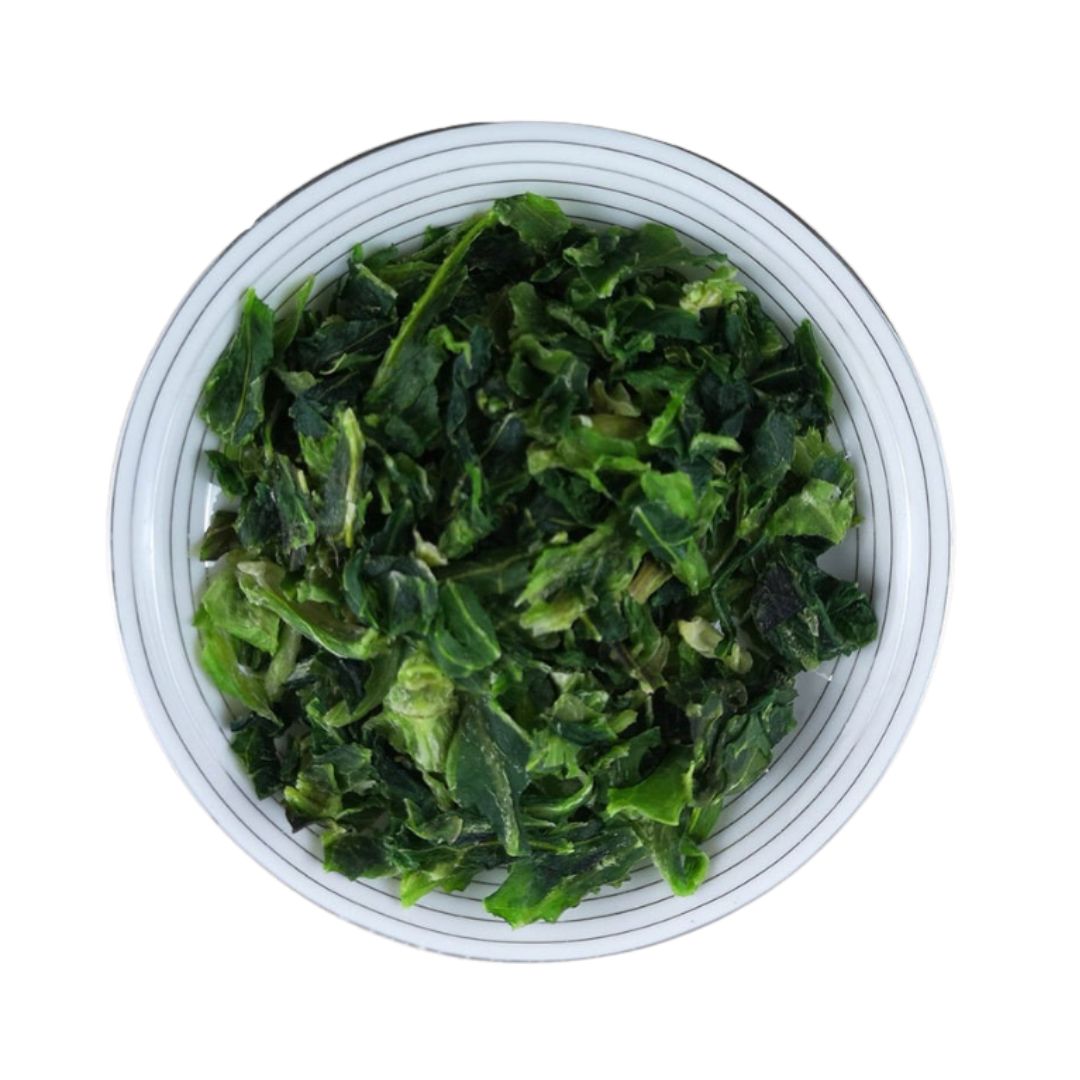
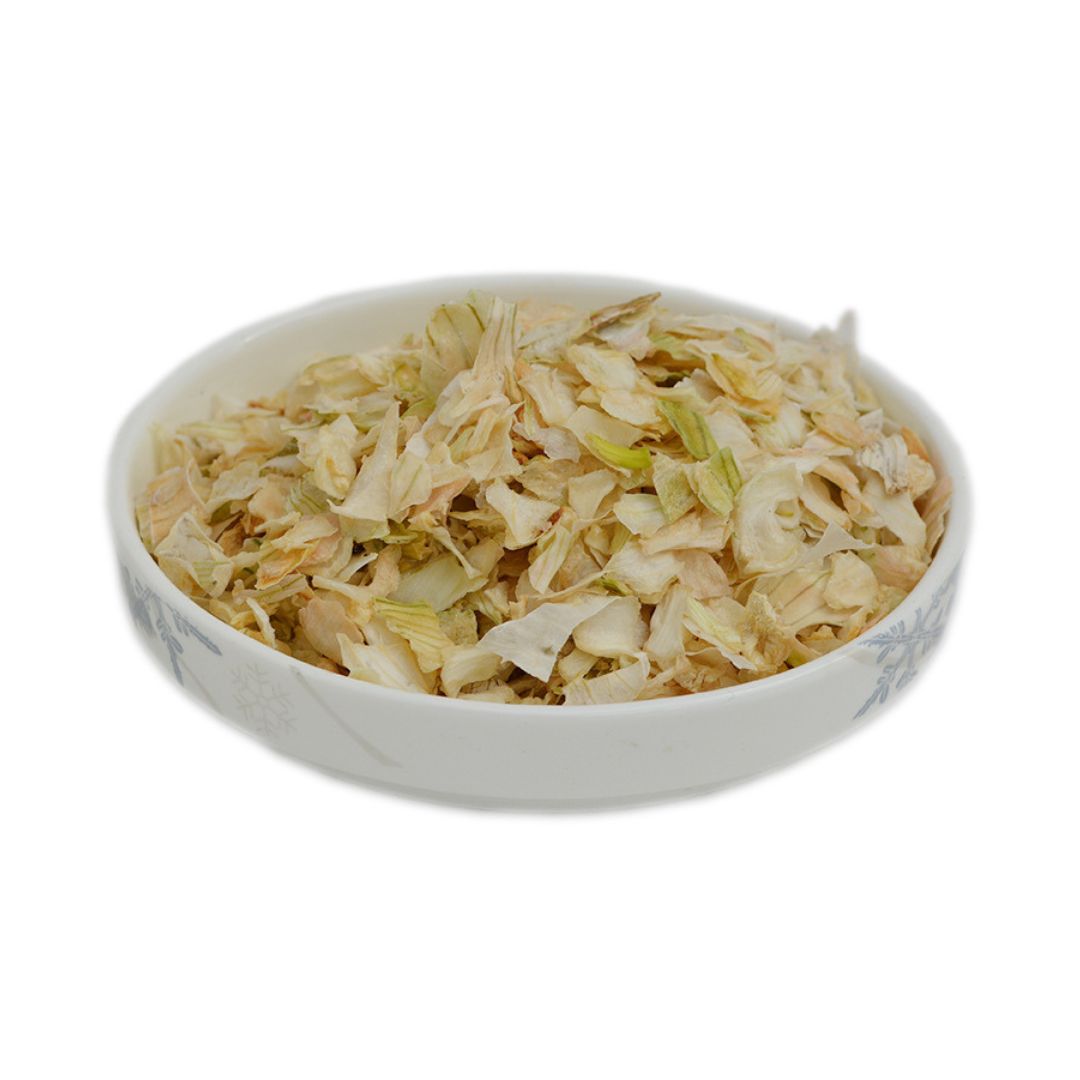
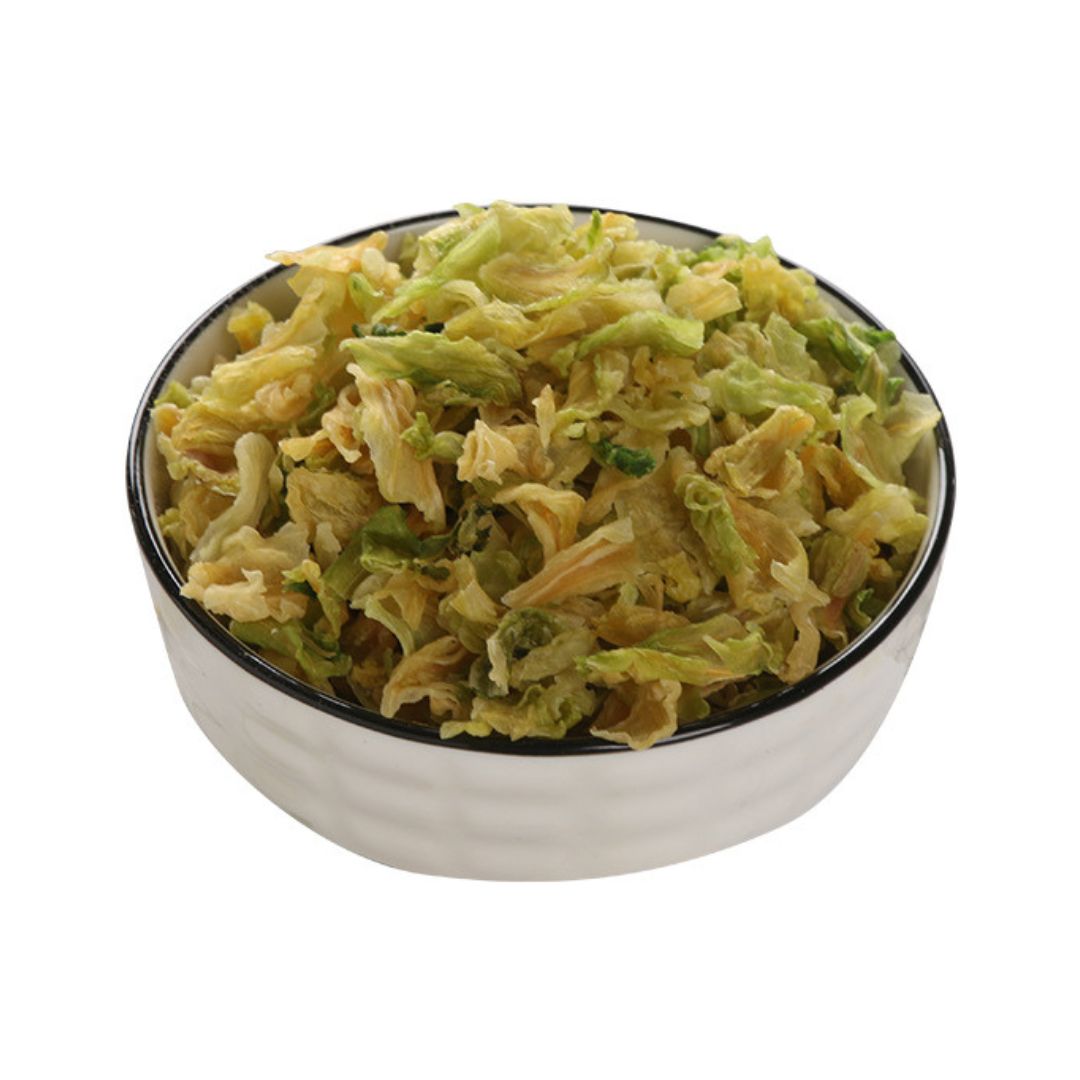
Dehydrated cabbage is a processed form of fresh cabbage that has had its moisture content reduced through various drying methods. This process extends the shelf life of the cabbage and makes it easier to store and transport. During dehydration, the volume and weight of the cabbage are significantly reduced, while retaining many of its original nutrients and flavor compounds. The resulting product can be rehydrated and used as a convenient substitute for fresh cabbage in a variety of culinary applications. The quality of the dehydrated cabbage depends on factors such as the variety of cabbage used, the drying method, and the storage conditions.
Production Process
The production of dehydrated cabbage involves several key steps. First, fresh cabbage heads are selected, cleaned, and trimmed to remove any damaged or undesirable portions [1]. The cabbage is then shredded or sliced into smaller pieces to increase the surface area for drying [2]. Next, the shredded cabbage undergoes a blanching process, which typically involves briefly immersing it in hot water or steam to inactivate enzymes that could cause discoloration or off-flavors during storage [3]. After blanching, the cabbage is dried using methods such as air drying, vacuum drying, or freeze-drying. Air drying involves exposing the cabbage to warm air until the moisture content is sufficiently reduced. Vacuum drying uses lower temperatures and reduced pressure to evaporate moisture, preserving more of the cabbage's natural color and flavor [4]. Freeze-drying, also known as lyophilization, involves freezing the cabbage and then removing the ice by sublimation under vacuum, resulting in a high-quality product with excellent rehydration properties [5]. Once dried, the cabbage is inspected for quality, sorted, and packaged to prevent moisture absorption and maintain its shelf life [6].
Product Applications
Dehydrated cabbage has a broad range of applications in the food industry and home cooking. One common use is in soups and stews, where it can be added directly to the liquid during cooking, rehydrating and releasing its flavor [7]. It is also a key ingredient in dry soup mixes and instant noodle products, providing convenience and extended shelf life [8]. Additionally, dehydrated cabbage is used in processed foods such as sauerkraut and coleslaw, where its rehydrated texture closely resembles that of fresh cabbage [9]. In addition, it can also be used as a component in vegetable blends and ready-to-eat meals, catering to consumers seeking convenient and nutritious options [10].
Packaging and Storage
Proper packaging and storage are crucial to maintaining the quality and extending the shelf life of dehydrated cabbage. The primary goal of packaging is to protect the product from moisture, oxygen, and light, which can degrade its flavor, color, and nutritional value [11]. Suitable packaging materials include airtight plastic bags, glass jars, and metal cans with tight-fitting lids [12]. The inclusion of desiccants or oxygen absorbers can further enhance the shelf life by minimizing moisture and oxygen levels within the packaging [13]. Storage should be in a cool, dry place, away from direct sunlight and temperature fluctuations. Optimal storage temperatures are typically below 70°F (21°C) [14]. Under these conditions, dehydrated cabbage can maintain its quality for 12 to 18 months or longer, depending on the specific drying method and packaging [15]. Regular inspection of stored product, for signs of moisture damage or pest infestation, is also recommended to ensure it remains safe and palatable [16].
Citations:
[1] van Wyk, S. J., & Everts, H. (2022). Optimal cutting force prediction for cabbage heads during automated harvesting. Computers and Electronics in Agriculture, 198, 107039.
[2] Grabowski, J. A., Truong, V. D., & Daubert, C. R. (2008). Gums and starches for improving texture of baked, extruded, and coated food products. Carbohydrate Polymers, 71(3), 338-351.
[3] Fellows, P. J. (2009). Food processing technology: principles and practice. Elsevier.
[4] Ratti, M. (2001). Hot air and freeze-drying of high-value foods: a review. Journal of Food Engineering, 49(4), 311-319.
[5] Ciurzyńska, A., Lenart, A., & Falandysz, J. (2016). Effect of freeze-drying conditions on the quality of dried cranberries. LWT-Food Science and Technology, 65, 61-67.
[6] Robertson, G. L. (2013). Food packaging: principles and practice. CRC press.
[7] Okunlola, G. O., Adebayo, O. T., & Odeyemi, A. T. (2017). Effect of drying methods on the nutritional and sensory qualities of vegetable soups. Food Science & Nutrition, 5(5), 1189-1195.
[8] Jędrzejewska, R., Otlewska, A., & Rachtan, M. (2007). Instant soups as a source of food additives and contaminants. Food Additives & Contaminants, 24(11), 1179-1184.
[9] Parish, M. E., Brecht, J. K., & Suslow, T. V. (2003). Produce handling guide. University of California, Division of Agriculture and Natural Resources.
[10] Crowe, T. C., Seal, A., & Swinburn, B. A. (2020). Processed foods: contributions to nutrition. The American Journal of Clinical Nutrition, 112(6), 1436-1445.
[11] Marsh, K., & Bugusu, B. (2007). Food packaging—Roles, materials, and environmental issues. Journal of Food Science, 72(3), R39-R55.
[12] Coles, R., McDowell, D., & Kirwan, M. J. (2003). Food packaging technology. Blackwell Publishing.
[13] Labuza, T. P., & Breene, W. M. (1989). Applications of “active packaging” for improvement of shelf-life and nutritional quality of fresh and extended shelf-life foods. Journal of Food Processing and Preservation, 13(1), 1-69.
[14] Singh, R. P., & Heldman, D. R. (2013). Introduction to food engineering. Academic press.
[15] Rahman, M. S. (2007). Food preservation. Springer Science & Business Media.
[16] Kilcast, D., & Subramaniam, P. (2000). Food and beverage stability and shelf life. Woodhead Publishing.

As a sales manager, I’m here to make sure you get exactly what you need for your dietary supplements. From sourcing to delivery, I’m always by your side, ensuring smooth and friendly service. Let’s make your products even better! 🥰🌿