

Product Introduction
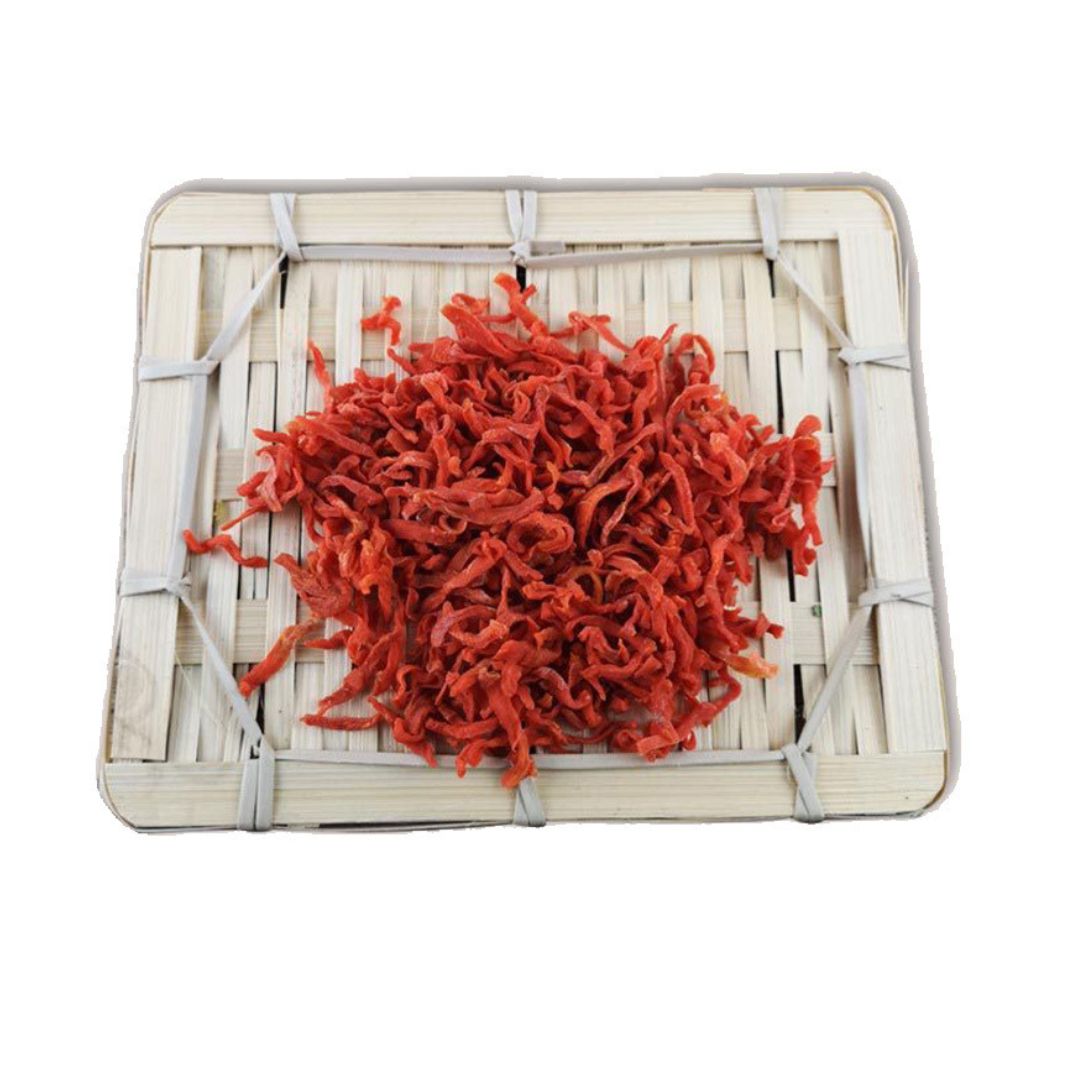
Dehydrated shredded carrots offer a convenient, long-lasting alternative to fresh carrots; they retain much of the original vegetable's nutritional benefits, including vitamins, minerals, and fiber. Carrots, known scientifically as Daucus carota, are a root vegetable celebrated for their sweet flavor and crisp texture. The dehydration process extends the shelf life of the carrots, reduces volume, and makes them an ideal ingredient for various culinary applications. The dehydrated form reconstitutes easily, making it a practical choice for both home cooks and food manufacturers alike.
Production Process
The production of dehydrated shredded carrots begins with the selection of fresh, high-quality carrots. These carrots are thoroughly washed, peeled, and then shredded into thin strands. Next, the shredded carrots undergo a dehydration process; hot air drying is a common method, where the shredded carrots are spread in a thin layer on trays and exposed to controlled hot air, gradually removing moisture. The temperature and drying time are carefully monitored to prevent scorching and to retain the carrots' natural color, flavor, and nutritional content. After drying, the shredded carrots are cooled, inspected for quality, and then packaged for distribution.
Product Applications
Dehydrated shredded carrots find broad application across the food industry; they are used in soups, stews, and broths, where they rehydrate and add a subtle sweetness and texture. In salad mixes, they provide a colorful and nutritious component. The baking industry incorporates dehydrated shredded carrots into muffins, cakes, and bread, capitalizing on their moisture-retention properties. Additionally, they can enhance the nutritional profile of snack foods and ready-to-eat meals; their convenience and long shelf life make them a staple in emergency food supplies and camping provisions.
Packaging and Storage
Packaging of dehydrated shredded carrots is crucial for maintaining their quality and extending shelf life; they are typically sealed in airtight bags or containers to prevent moisture re-absorption. Barrier films that protect against light and oxygen are often used to preserve color and flavor. Optimal storage conditions include a cool, dry environment, away from direct sunlight and heat; under these conditions, dehydrated shredded carrots can maintain their quality for up to 12 months. Proper packaging and storage prevent caking and preserve the product's nutritional value, ensuring it remains a versatile and reliable ingredient.

As a sales manager, I’m here to make sure you get exactly what you need for your dietary supplements. From sourcing to delivery, I’m always by your side, ensuring smooth and friendly service. Let’s make your products even better! 🥰🌿