

Product Introduction
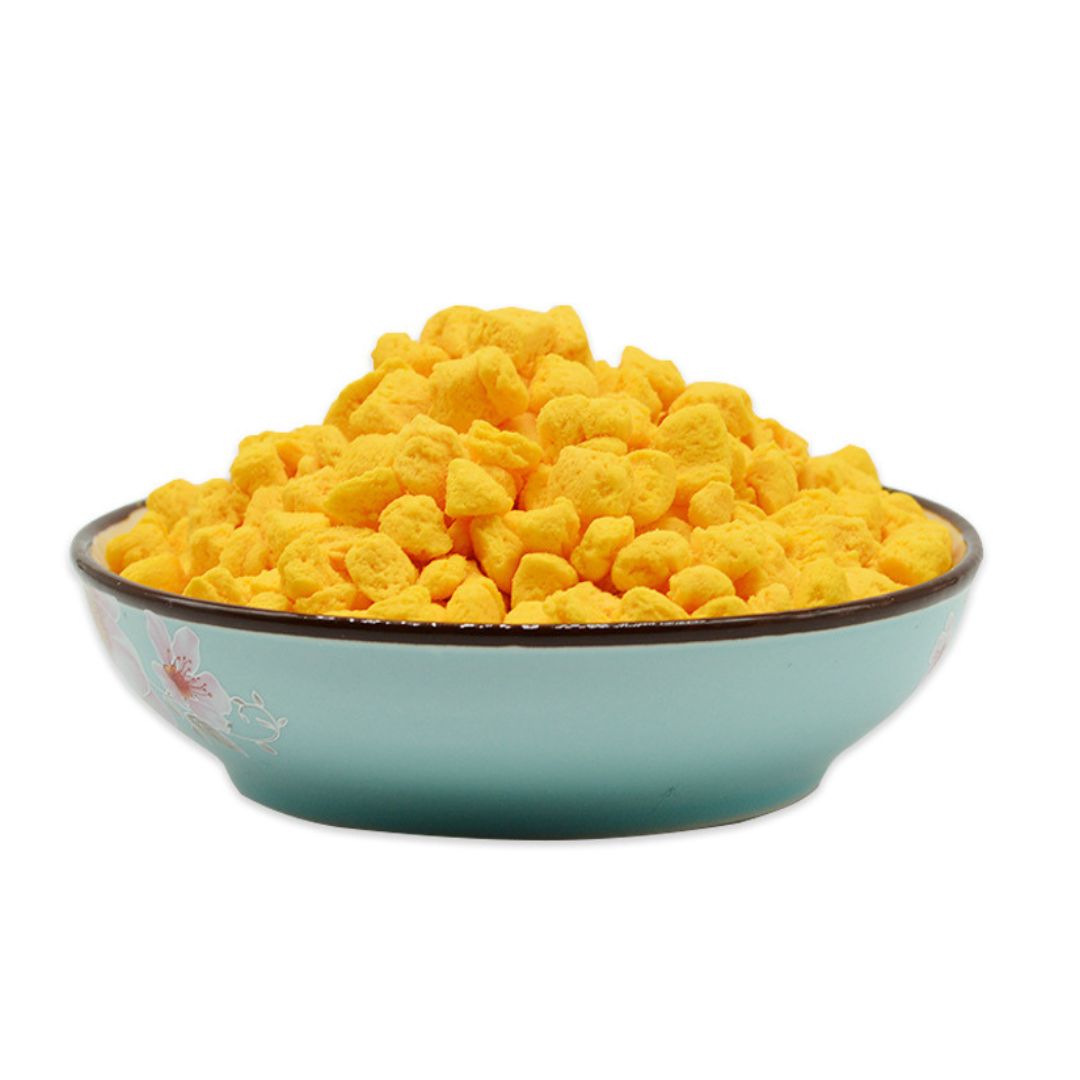
Dried egg, also known as egg powder, consists of dehydrated whole eggs. The primary advantage of dried egg is its extended shelf life compared to fresh eggs, coupled with reduced storage space requirements. This makes it an excellent option for food manufacturers, bakeries, and situations where refrigeration is limited or unavailable. The reconstitution process is simple; dried egg can be mixed with water to restore its liquid form, making it convenient for various culinary applications. Furthermore, dried egg retains much of the nutritional value of fresh eggs, offering a comparable protein source along with essential vitamins and minerals.
Production Process
The production of dried egg involves several key steps designed to ensure safety and quality. Initially, fresh eggs are inspected and cleaned to remove any contaminants. These eggs are then broken and pasteurized to eliminate harmful bacteria such as Salmonella. Pasteurization typically involves heating the liquid egg to a specific temperature for a set period. Following pasteurization, the liquid egg is filtered to remove any remaining shell fragments or membranes. The liquid is then dried, commonly through spray drying or freeze-drying techniques. Spray drying involves spraying the liquid egg into a hot air stream, which rapidly evaporates the moisture, resulting in a fine powder. Freeze-drying, also known as lyophilization, freezes the liquid egg and then subjects it to a vacuum, causing the ice to sublimate, also resulting in a powder. The dried egg powder is then cooled, sifted, and packaged under controlled atmospheric conditions to prevent moisture reabsorption and maintain product integrity. Quality control measures, including testing for moisture content, microbial load, and nutritional composition, are implemented throughout the entire production process to ensure the final product meets the standards.
Product Applications
Dried egg finds use in a range of food applications because of its convenience and long shelf life. In the baking industry, it is an ingredient in cake mixes, pancake mixes, and other baked goods, where it contributes to the texture, structure, and richness of the products. It is also used in the production of pasta, adding protein and improving the dough's elasticity. In the sauce and soup industry, dried egg serves as a thickening agent and emulsifier, enhancing the consistency and flavor of the final products. Moreover, it is a common component in processed foods, such as mayonnaise, salad dressings, and various ready-to-eat meals, where it extends the shelf life and simplifies the formulation process. Dried egg is particularly useful in emergency food rations and military rations due to its ease of storage and nutritional value.
Packaging and Storage
Proper packaging and storage are critical to maintaining the quality and extending the shelf life of dried egg. The product should be packaged in airtight, moisture-proof containers to prevent the absorption of moisture, which can clump the powder and promote microbial growth. Common packaging materials include multi-layer bags made of polyethylene or aluminum foil laminates and rigid containers, such as plastic or metal cans with airtight seals. To ensure maximum shelf life, dried egg must be stored in a cool, dry environment with a temperature below 70°F (21°C) and a relative humidity of less than 65%. Direct sunlight and exposure to heat sources should be avoided, as they can accelerate the degradation of the product and reduce its nutritional value. Regular inspection of the packaging for any signs of damage or leakage is recommended. If properly packaged and stored, dried egg can maintain its quality and usability for 12 to 18 months.
Citations
- পরিষদ, ટી. (2017). Production and Utilization of Egg Powder: A Review. International Journal of Livestock Research, 7(5), 84–92. https://doi.org/10.5455/ijlr.20170602040538
- Egg Products Inspection Regulations. (n.d.). Retrieved July 14, 2024, from https://www.fsis.usda.gov/inspection/egg-products-inspection/egg-products-inspection-regulations
- Funk, K., Gaisford, S., & Waldron, K. (2017). The science of food powders. Journal of the Science of Food and Agriculture, 97(6), 1685–1686. https://doi.org/10.1002/jsfa.8274

As a sales manager, I’m here to make sure you get exactly what you need for your dietary supplements. From sourcing to delivery, I’m always by your side, ensuring smooth and friendly service. Let’s make your products even better! 🥰🌿