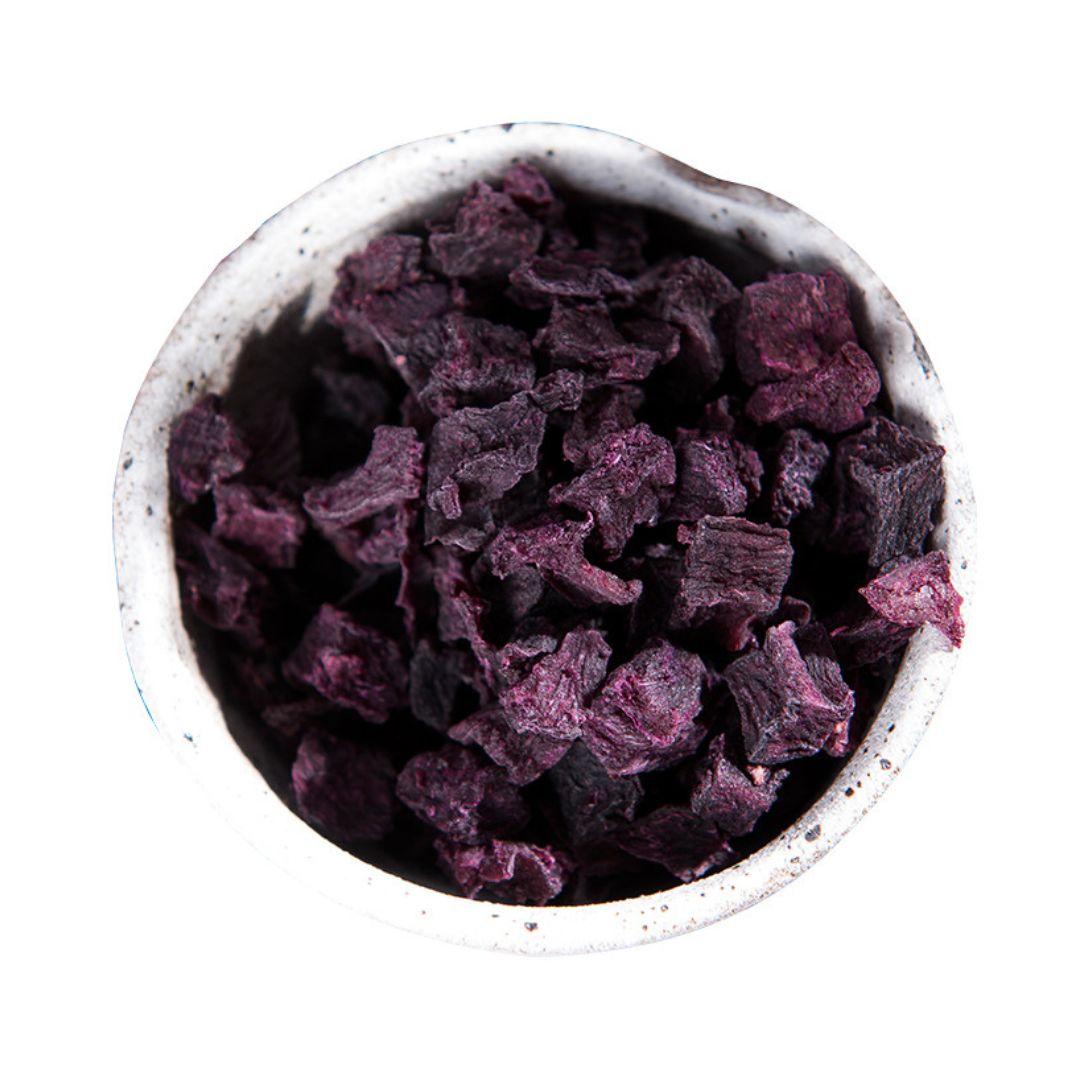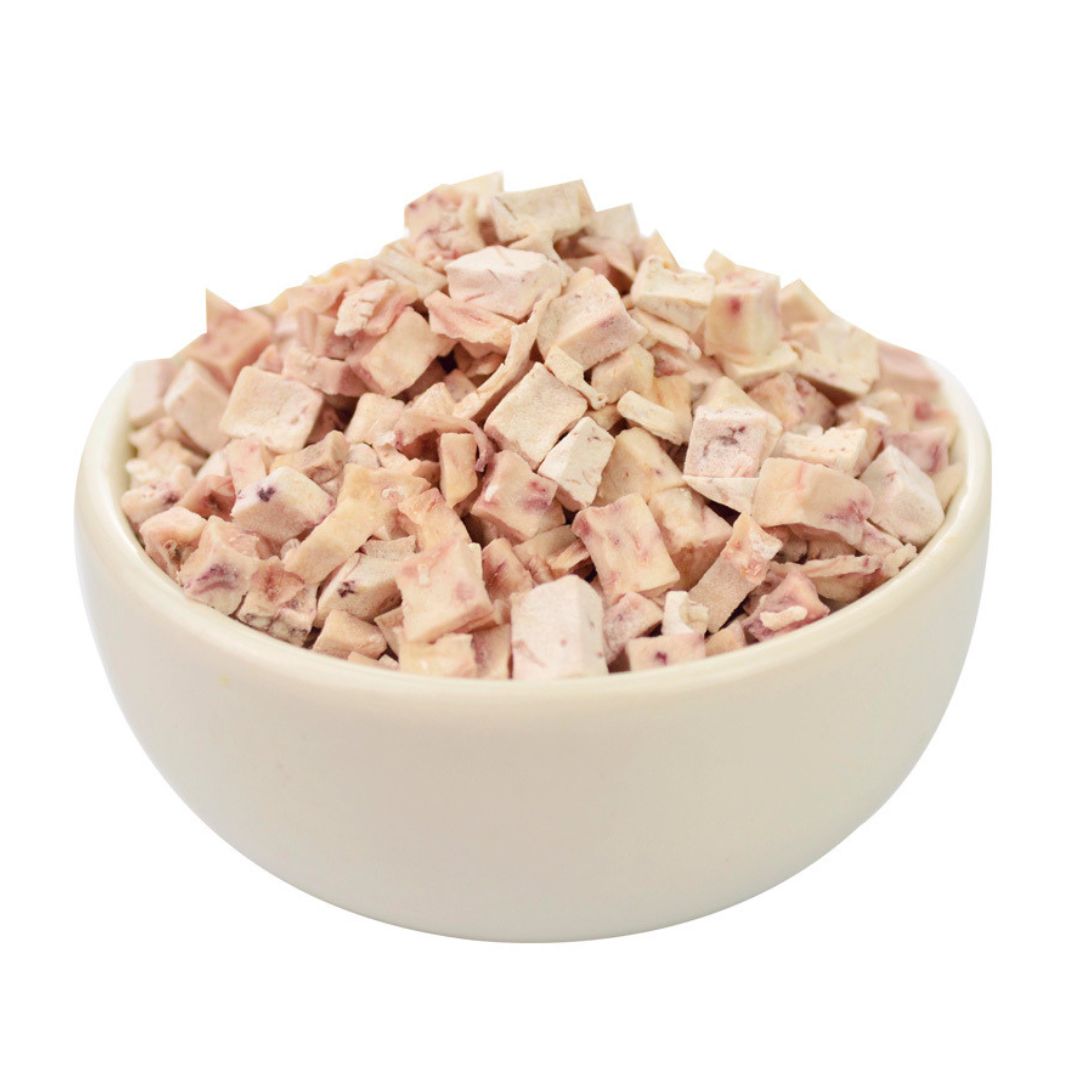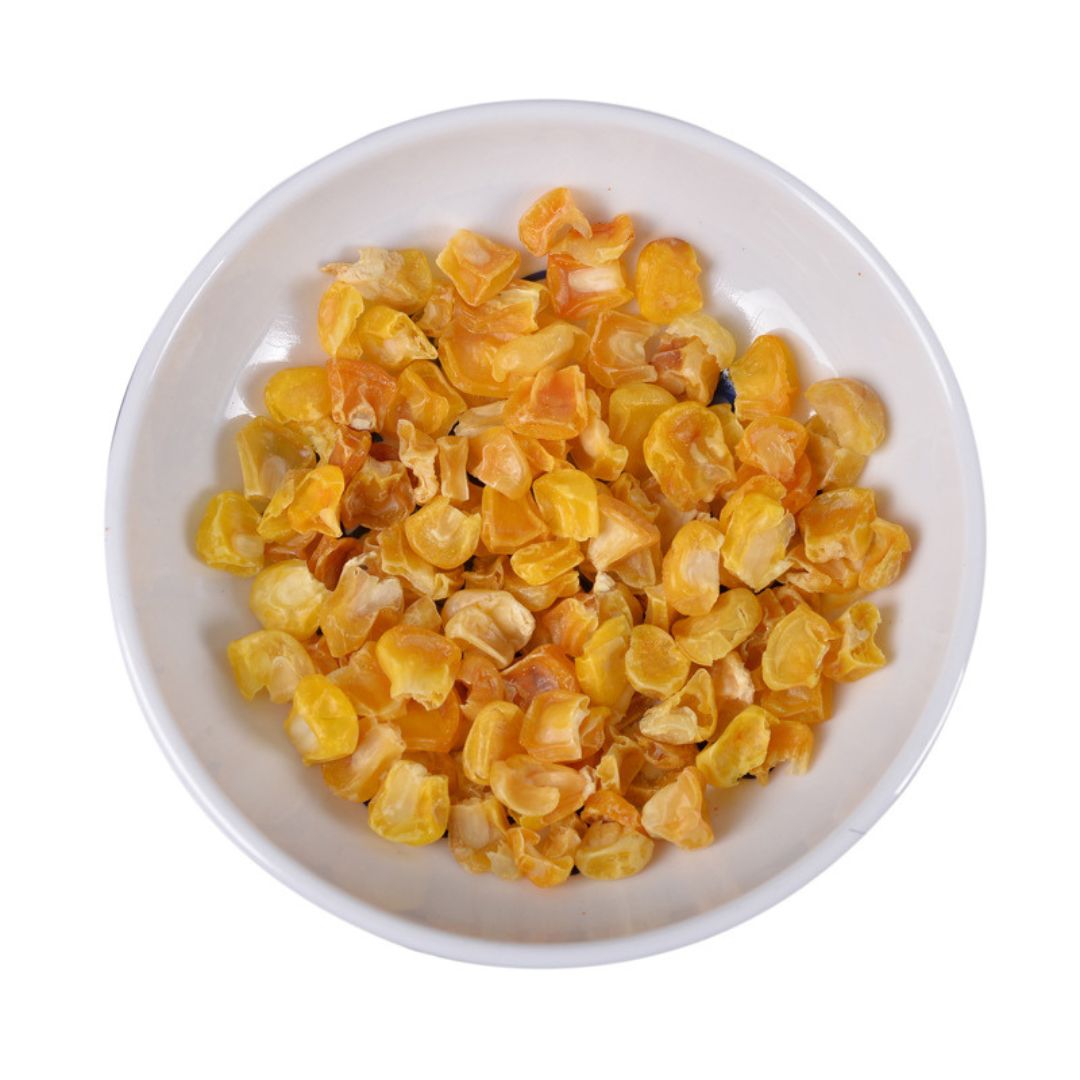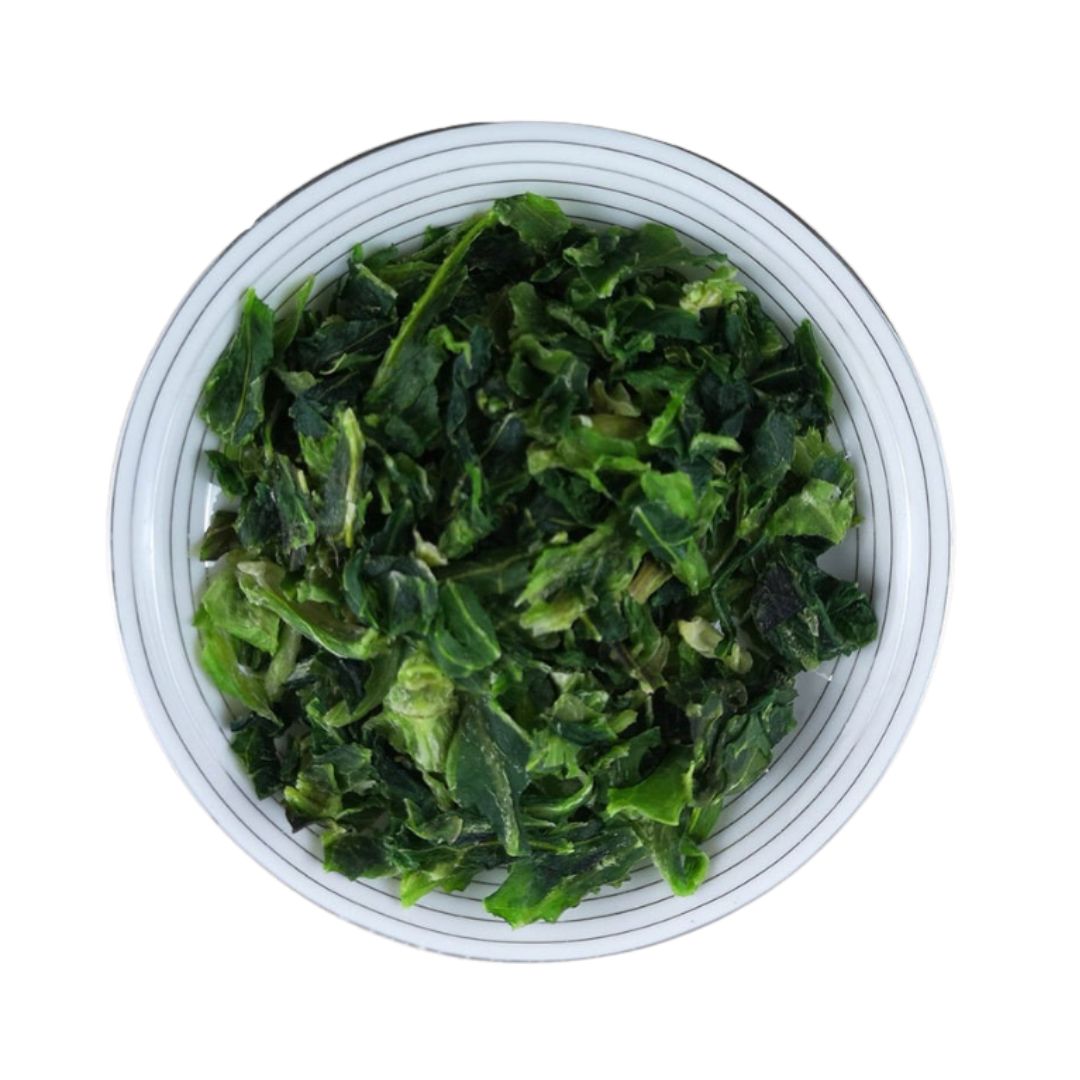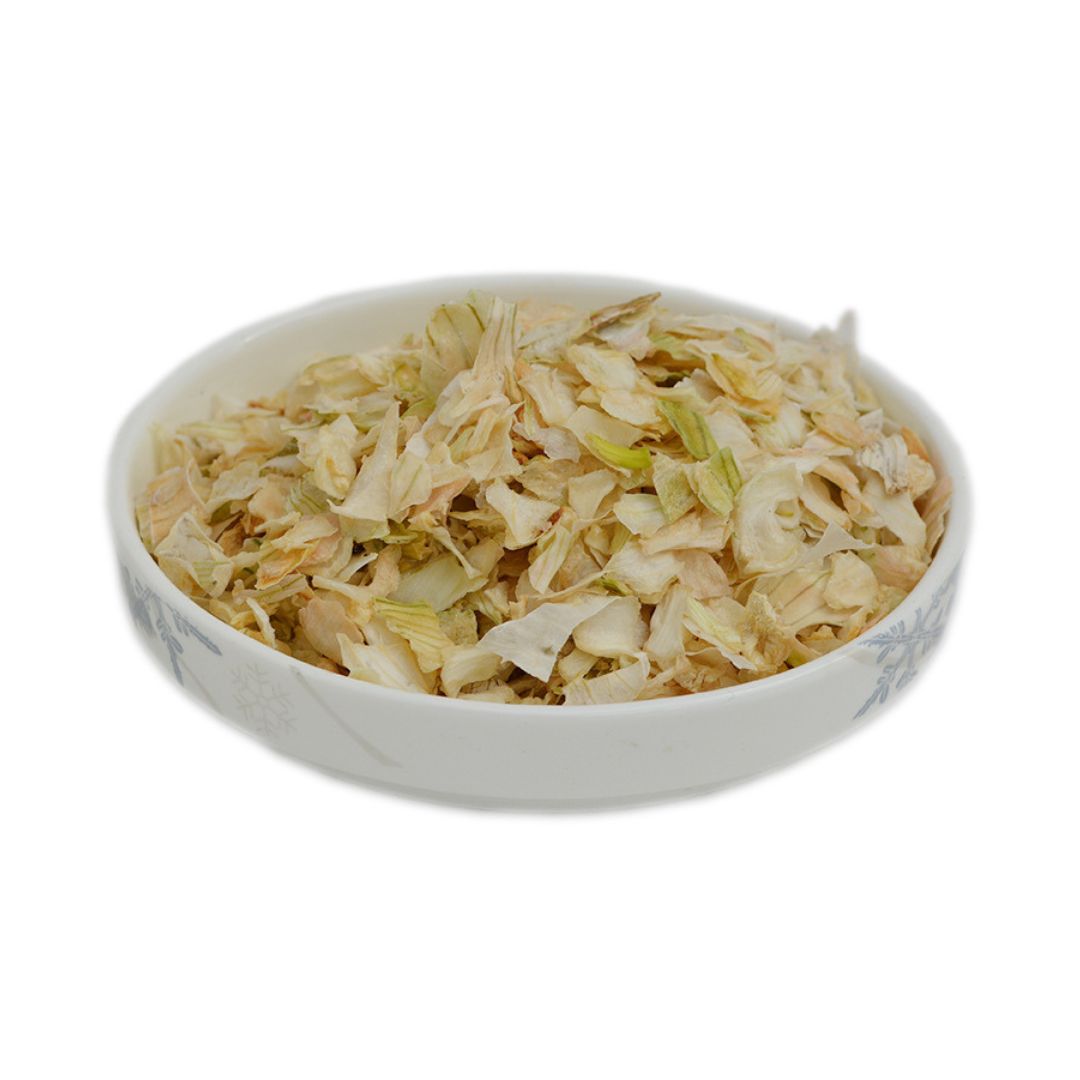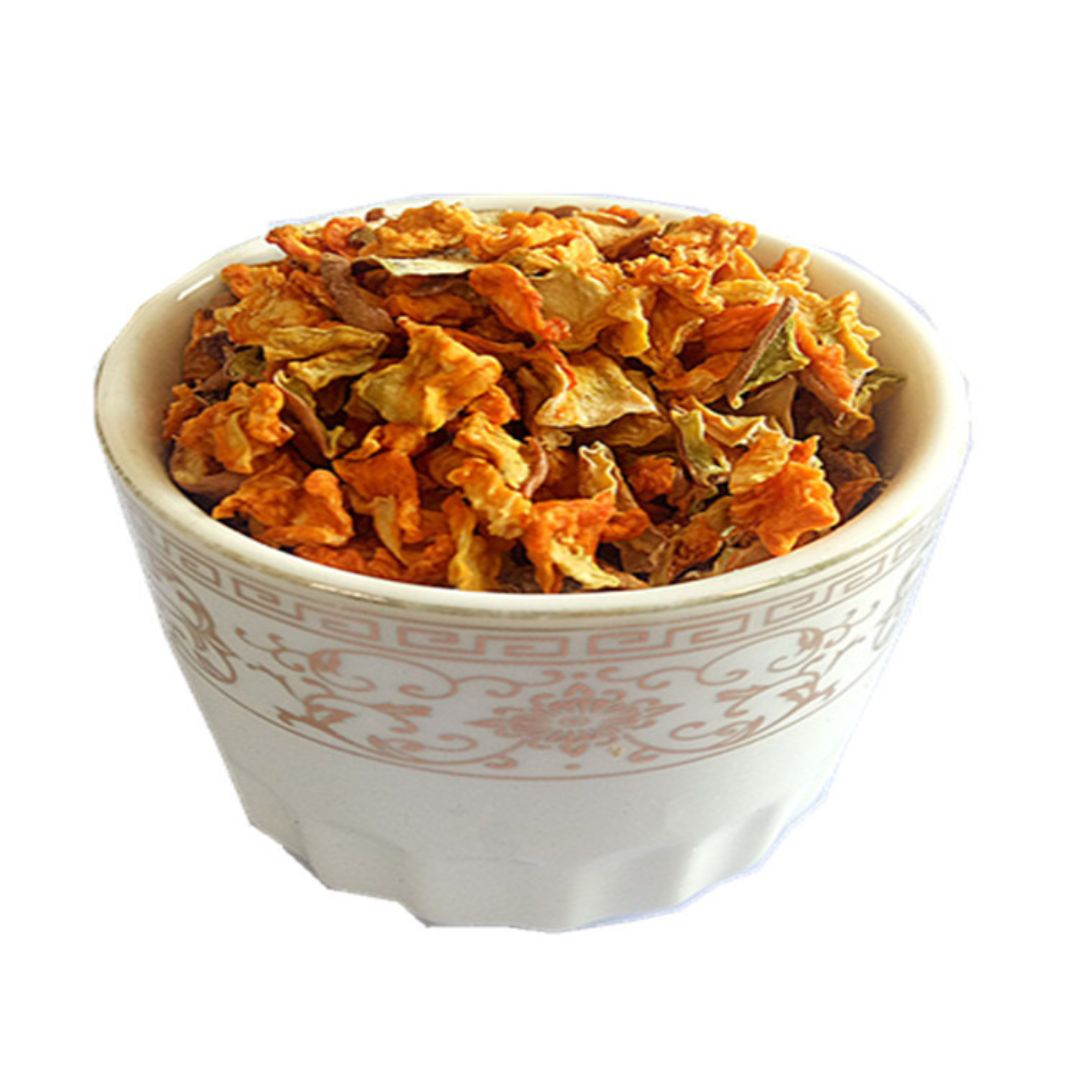


Product Introduction
Dried pumpkin is produced through the dehydration of fresh pumpkin, a process that removes water to extend shelf life and concentrate its inherent nutritional and flavor properties. Pumpkin, belonging to the Cucurbita genus, is widely cultivated for its fruit, which is used in various culinary applications around the world [1]. Dehydrating pumpkin transforms the fresh, bulky vegetable into a lightweight, easily stored ingredient that can be incorporated into a wide array of food products. This dried form retains many of the beneficial compounds found in fresh pumpkin, including vitamins, minerals, and antioxidants [2]. The process of dehydration significantly reduces the water activity, inhibiting microbial growth and enzymatic reactions that lead to spoilage [3].
Production Process
The production of dried pumpkin begins with the selection of mature, high-quality pumpkins. These pumpkins are then washed, peeled, and cut into smaller pieces or slices to facilitate efficient drying [4]. The prepared pumpkin pieces are spread in a single layer on trays and placed in a drying chamber. Hot air drying is commonly employed, where heated air is circulated around the pumpkin pieces to remove moisture. The temperature and airflow are carefully controlled to prevent scorching and ensure uniform drying [5]. The pumpkin pieces are dried until the moisture content is reduced to a level that inhibits microbial growth, typically below 10% [6]. After drying, the pumpkin pieces are cooled, sorted, and packaged to maintain their dryness and prevent reabsorption of moisture from the environment. Quality control measures are implemented throughout the process to ensure the final product meets the required standards for color, texture, and moisture content [7].
Product Applications
Dried pumpkin is used across the food industry due to its versatility and concentrated flavor. It is frequently added to soups and stews, where it rehydrates and enriches the dish with pumpkin flavor and nutrients [8]. In the baking industry, dried pumpkin is incorporated into muffins, bread, and other baked goods, providing a natural source of color, flavor, and moisture [9]. Furthermore, dried pumpkin is used in pet food formulations as a source of dietary fiber and essential nutrients that promote digestive health in animals [10]. The snack food industry also utilizes dried pumpkin to produce pumpkin chips and other healthy snack options. Its extended shelf life and ease of incorporation make it a valuable ingredient for various food applications [11].
Packaging and Storage
Packaging and storage are critical to maintaining the quality of dried pumpkin. The product is typically packaged in airtight containers, such as sealed plastic bags, jars, or vacuum-sealed packages, to prevent moisture absorption and maintain its dryness [12]. These containers are usually made of materials that provide a barrier against moisture and oxygen, preserving the product's flavor, color, and nutritional content [13]. Proper labeling includes information such as the product name, ingredients, net weight, and storage instructions. Dried pumpkin should be stored in a cool, dry place, away from direct sunlight and heat sources, to prevent degradation and maintain its quality throughout its shelf life [14]. Recommended storage temperatures are generally below 20°C (68°F) to ensure optimal preservation [15].
Citations:
[1] Ferriol, M., & Pico, B. (2008). Cucurbita crops. Handbook of plant breeding, 3, 131-174.
[2] Dhiman, A. K., Goyal, A., & Sharma, R. (2009). Functional properties of pumpkin (Cucurbita moschata) pulp powder. Journal of food science and technology, 46(4), 343-345.
[3] Rahman, M. S. (2007). Food preservation by dehydration. Food Preservation, 123-152.
[4] Jangam, S. V., Mujumdar, A. S., Thorat, B. N., & Rajkumar, V. (2008). Drying of foods, vegetables and fruits: Recent developments and advances. Drying Technology, 26(5), 507-535.
[5] Ratti, C. (2001). Hot air and freeze-drying of high-value foods: a review. Journal of Food Engineering, 49(4), 311-319.
[6] Barbosa-Cánovas, G. V., Fontana Jr, A. J., Schmidt, S. J., & Labuza, T. P. (2020). Water Activity in Foods: Fundamentals and Applications. John Wiley & Sons.
[7] Fellows, P. J. (2017). Food Processing Technology: Principles and Practice. Woodhead Publishing.
[8] Mirian Tavares, M., da Silva Rodrigues, R., Vandenberghe, L. P. S., de Oliveira, J., Bellei, E., & Soccol, C. R. (2015). Production of pumpkin pulp powder by air-drying and its application in soup formulations. Food Science and Technology, 35, 81-88.
[9] Yuyama, L. K. O., Aguiar, J. P. L., D’Almeida, V., Carrazza, M. V., Maia, C. C., Yuyama, K., … & Vannucchi, H. (2008). Use of dehydrated pumpkin in the preparation of bread. International Journal of Food Sciences and Nutrition, 59(1), 50-58.
[10] Panasevich, M. R., Biagi, G., Vasanthan, T., & Zijlstra, R. T. (2012). Nutritional value of dry matter and fiber fractions of pulses and hull-less barley for weanling pigs. Journal of Animal Science, 90(13), 4850-4860.
[11] Sharma, H. K., & Shivhare, U. S. (2010). Dehydrated products. Food Processing: Principles and Applications, 389-420.
[12] Robertson, G. L. (2013). Food Packaging: Principles and Practice. CRC press.
[13] Coles, R., McDowell, D., & Kirwan, M. J. (2003). Food Packaging Technology. Blackwell Publishing.
[14] Kilcast, D., & Subramaniam, P. (2011). The Stability and Shelf-Life of Food. Woodhead Publishing.
[15] Man, C. M. D., & Jones, A. (2000). Shelf Life Evaluation of Foods. Aspen Publishers.

As a sales manager, I’m here to make sure you get exactly what you need for your dietary supplements. From sourcing to delivery, I’m always by your side, ensuring smooth and friendly service. Let’s make your products even better! 🥰🌿