

Product Introduction
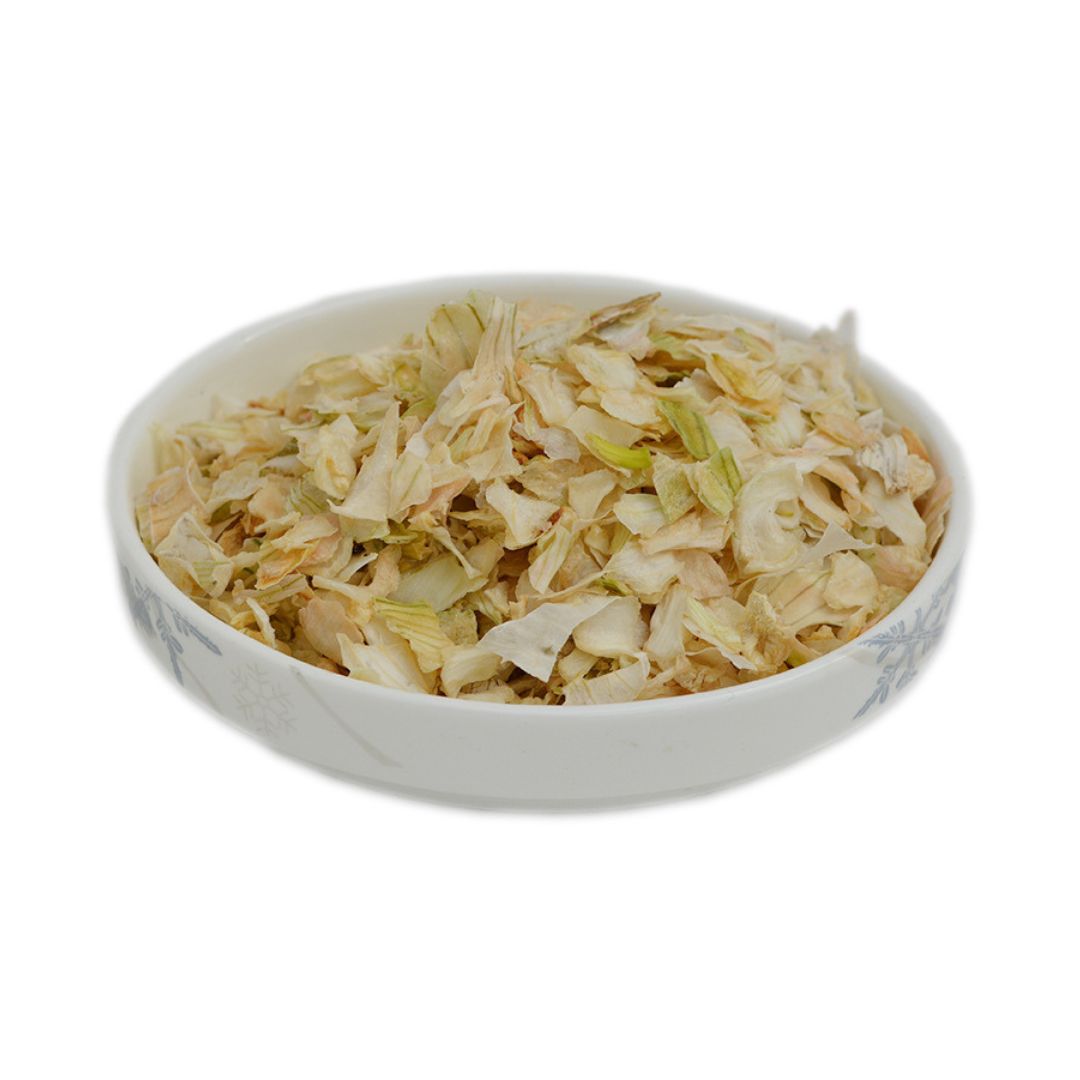
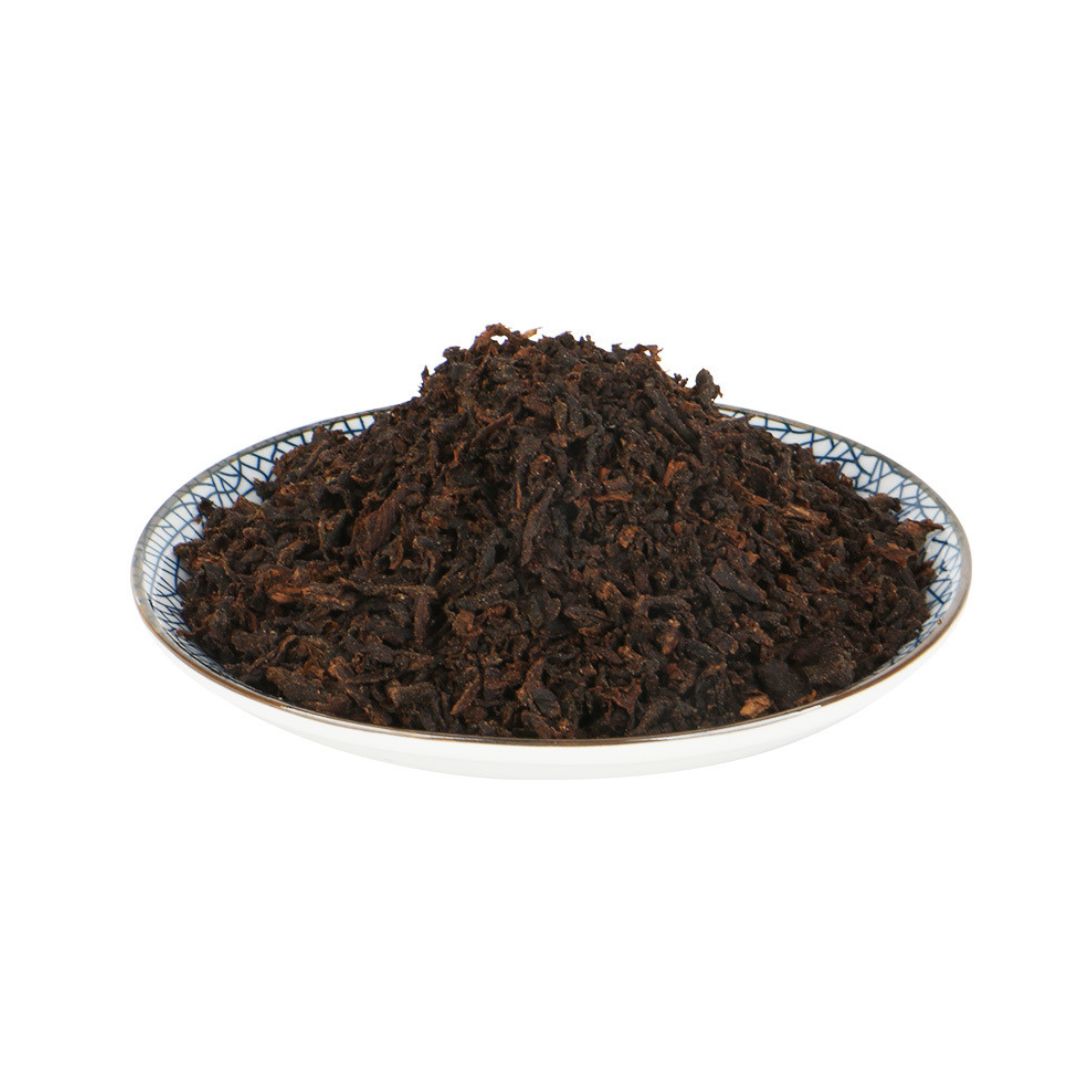
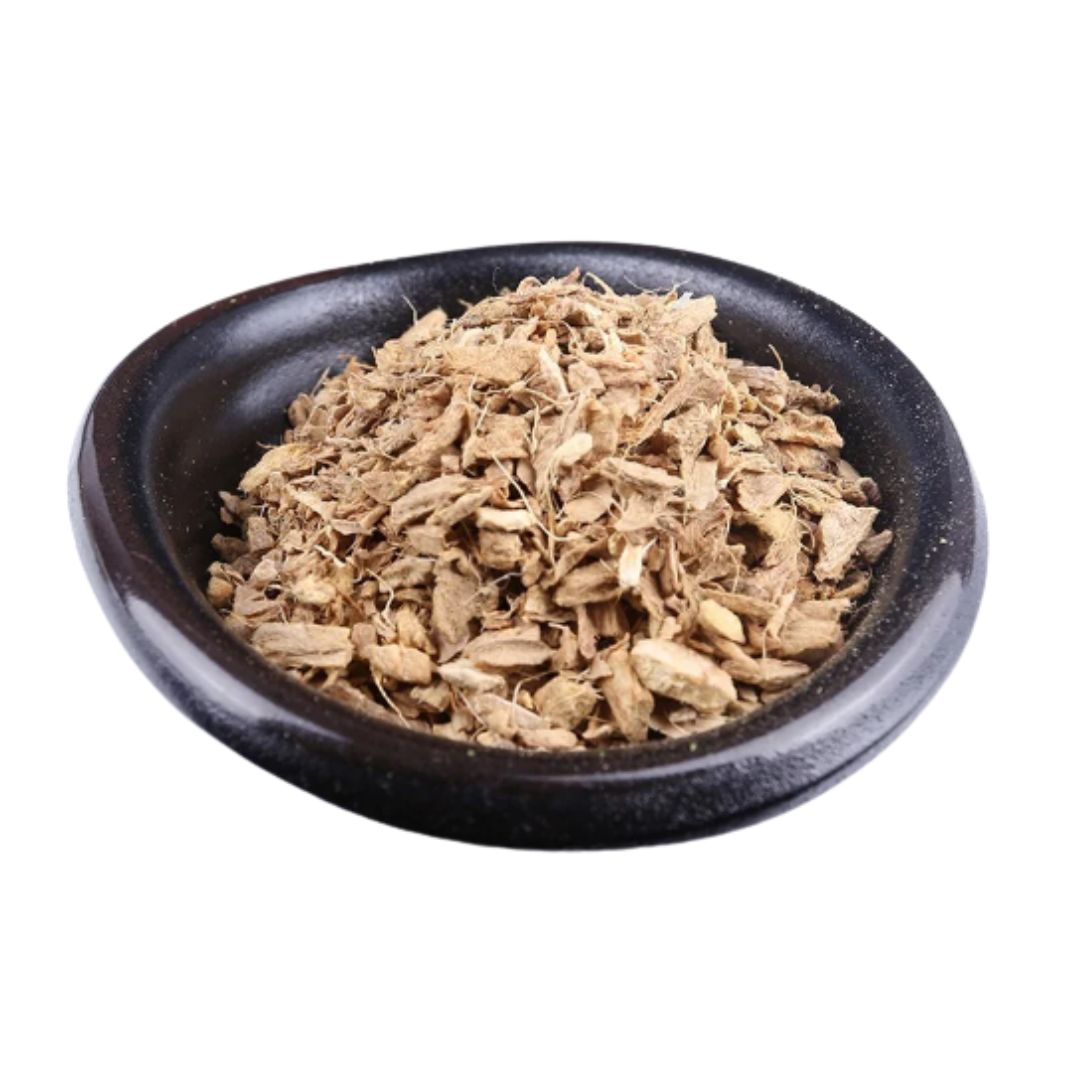
Dehydrated ginger, derived from the rhizome of the Zingiber officinale plant, offers a convenient alternative to fresh ginger. The dehydration process concentrates the natural flavors and active compounds found in ginger. This results in an extended shelf life and ease of use in various culinary and medicinal applications. The dehydrated form retains many of the health benefits associated with fresh ginger, including its anti-inflammatory and antioxidant properties.
Production Process
The production of dehydrated ginger begins with the selection of mature ginger rhizomes, which are then thoroughly washed and cleaned to remove any soil or debris. Depending on the desired final product form, the ginger may be sliced, chopped, or ground. The prepared ginger then undergoes dehydration, typically using hot air dryers. These dryers circulate heated air around the ginger, gradually reducing the moisture content to a level that inhibits microbial growth and enzymatic activity. The temperature and duration of the drying process are carefully controlled, to preserve the ginger's volatile oils and flavor compounds. After dehydration, the ginger is cooled, sorted, and packaged for distribution. Quality control measures are implemented throughout the process to ensure the final product meets established standards for moisture content, color, and flavor.
Product Applications
Dehydrated ginger finds widespread application in the food and beverage industry. It is commonly used as a spice in various culinary preparations, including Asian dishes, soups, sauces, and marinades. In baked goods, it adds a warm, spicy flavor to cookies, cakes, and breads. The beverage industry utilizes dehydrated ginger in the production of herbal teas, ginger ale, and other flavored drinks. Beyond culinary uses, dehydrated ginger is also incorporated into dietary supplements and traditional medicines due to its potential health benefits, such as aiding digestion and relieving nausea. Its concentrated form allows for easy incorporation into various formulations.
Packaging and Storage
Proper packaging and storage are essential to maintain the quality and extend the shelf life of dehydrated ginger. The product should be packaged in airtight containers made of materials that provide a barrier against moisture, oxygen, and light. Suitable packaging options include sealed plastic bags, glass jars, and metal containers. The packaging should also be labeled with the product name, production date, and expiration date. Dehydrated ginger should be stored in a cool, dry place away from direct sunlight and heat sources. The ideal storage temperature is below 25°C (77°F) with a relative humidity below 65%. Under these conditions, dehydrated ginger can maintain its quality and flavor for up to 12-24 months. Regular monitoring of the storage conditions is recommended to prevent moisture absorption and maintain product integrity.
Citations
- Bartley, J. P., & Jacobs, A. L. (2000). Effects of drying on flavour compounds in Australian ginger (Zingiber officinale). Journal of the Science of Food and Agriculture, 80(2), 209-216.
- Srinivasan, K. (2007). Ginger rhizomes (Zingiber officinale): A brief review of the chemistry, pharmacology, and potential applications. Food Chemistry, 101(1), 1-39.
- Verma, N., & Singh, A. P. (2018). Current and future status of ginger: An overview. Journal of Horticulture and Postharvest Research, 1(1), 61-69.

As a sales manager, I’m here to make sure you get exactly what you need for your dietary supplements. From sourcing to delivery, I’m always by your side, ensuring smooth and friendly service. Let’s make your products even better! 🥰🌿