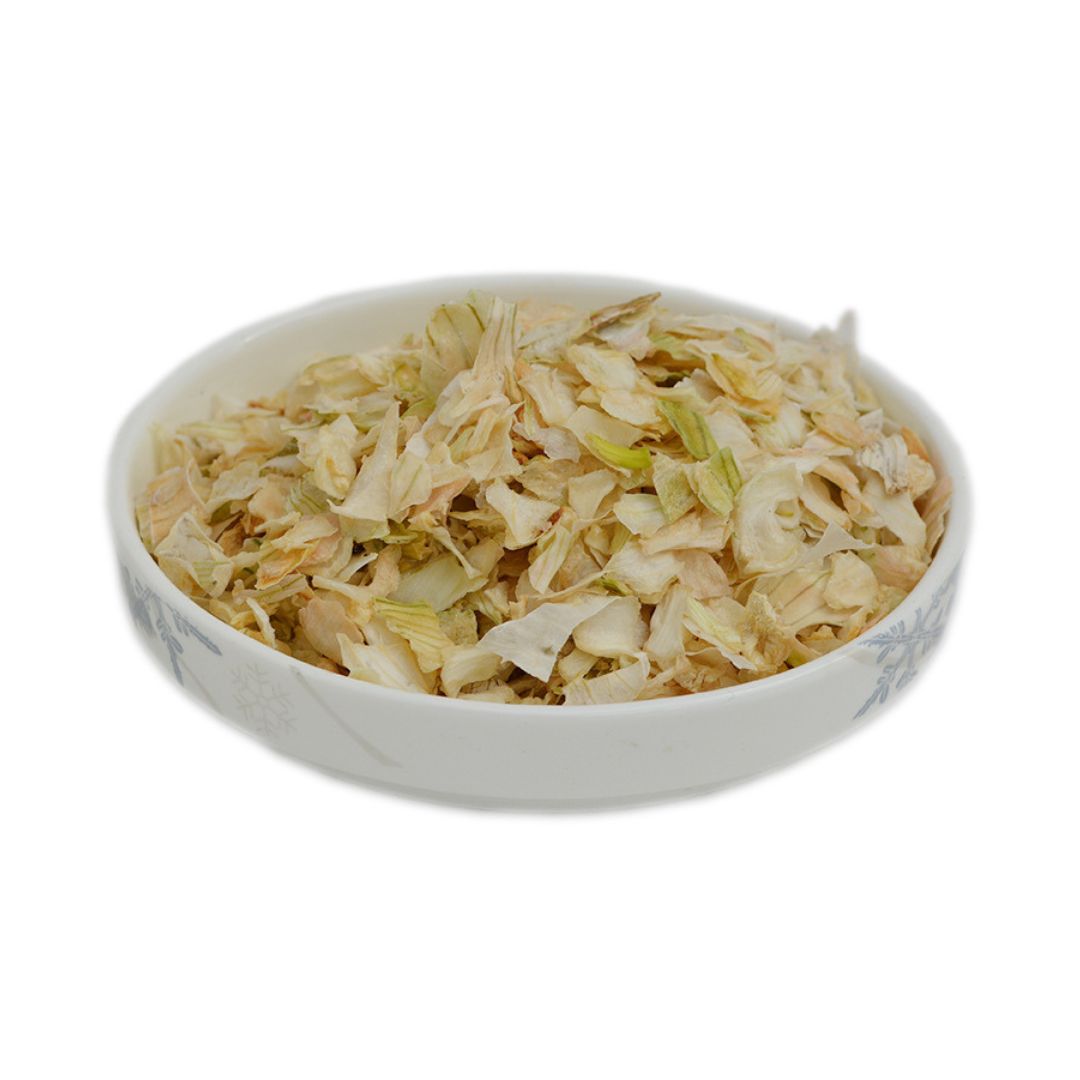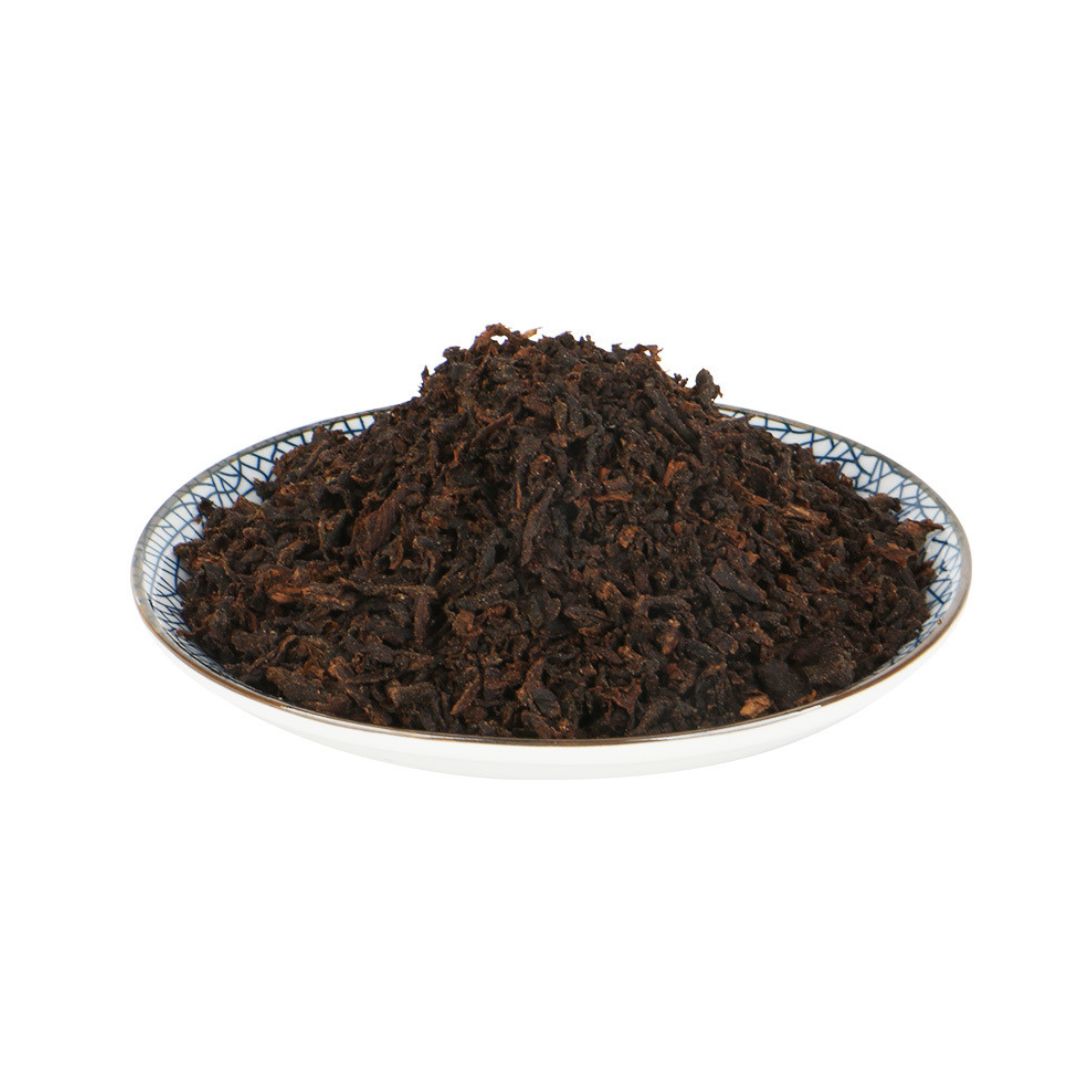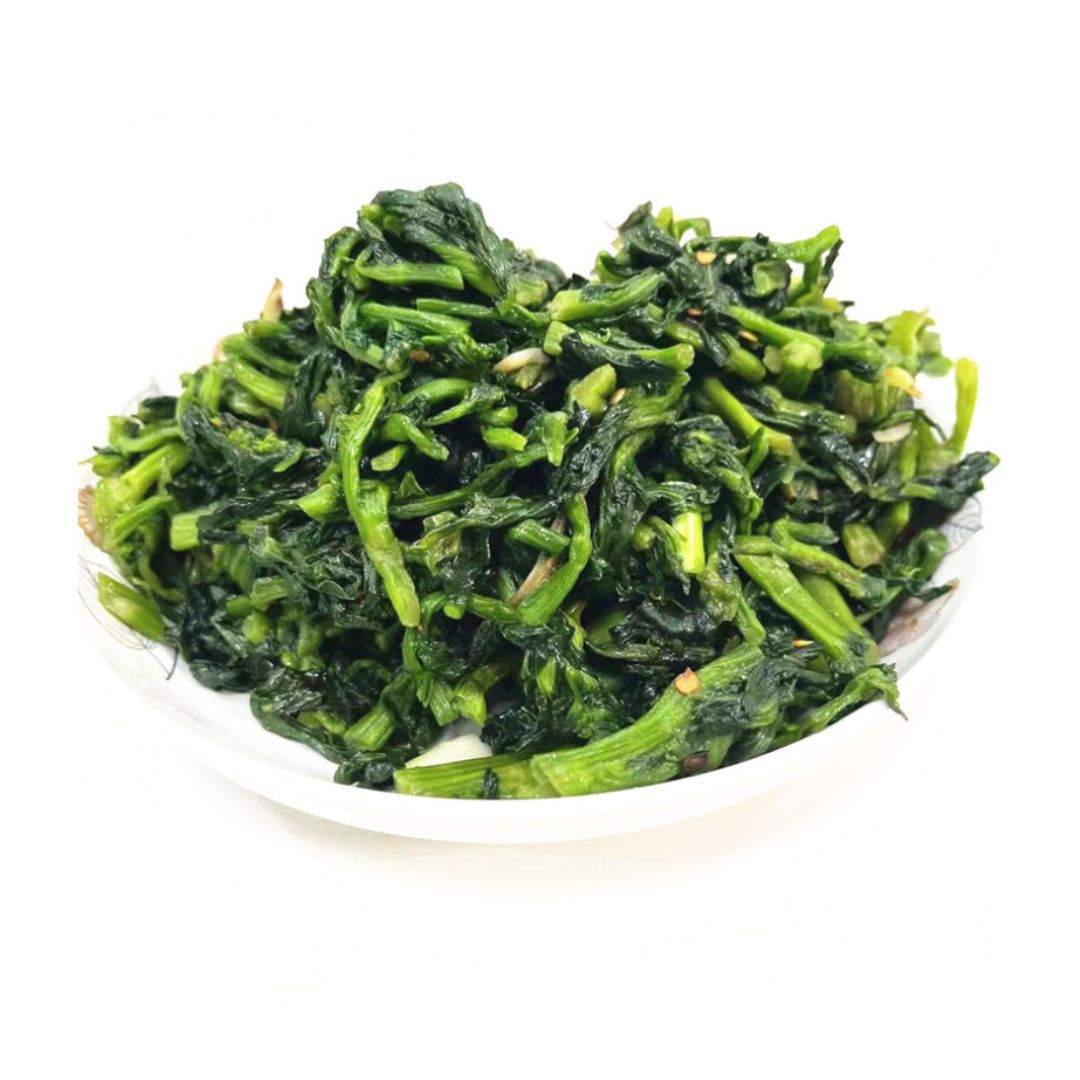


Product Introduction
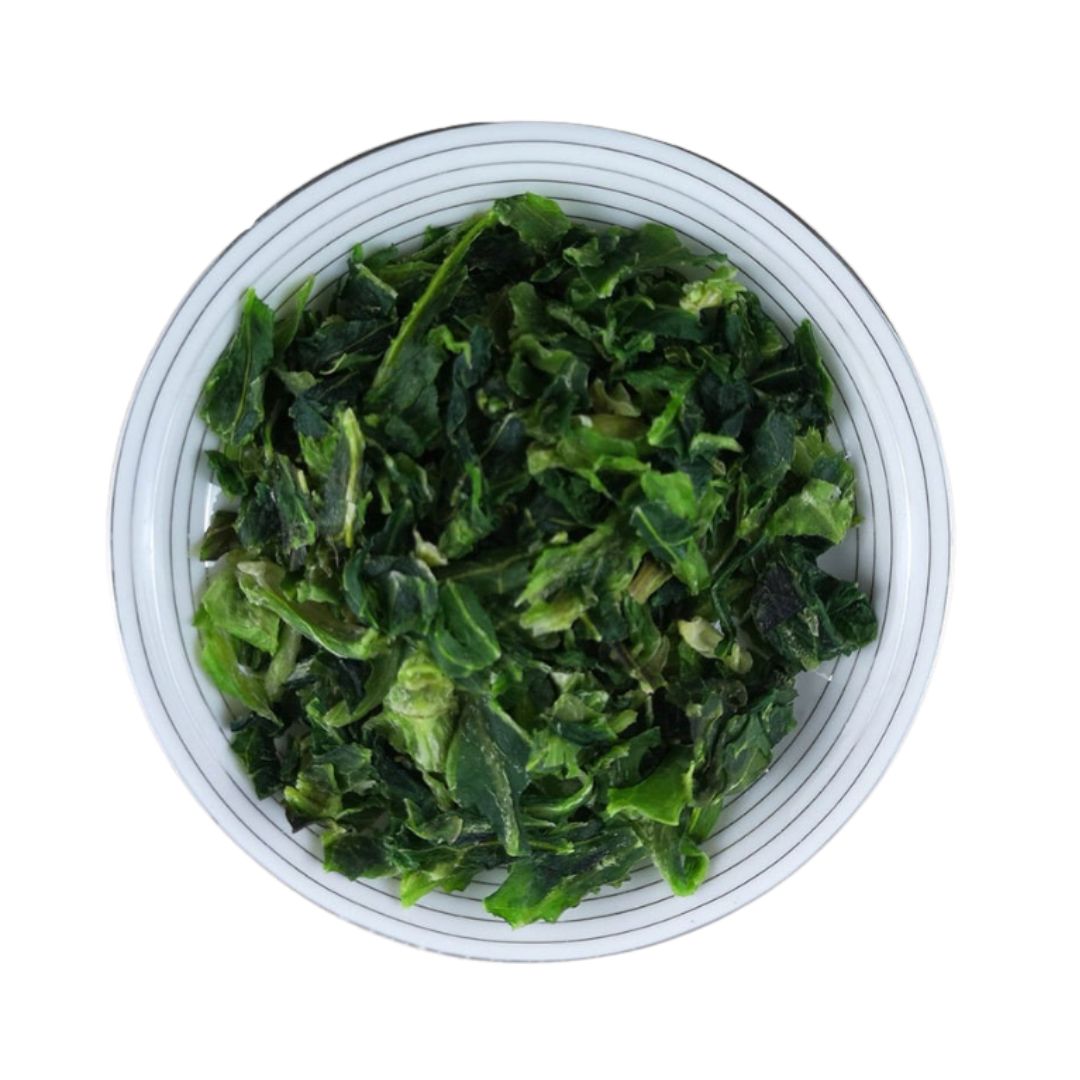
Dehydrated lettuce hearts are a processed form of fresh lettuce, transformed to extend shelf life and broaden application possibilities. Lettuce, belonging to the Lactuca sativa species, is widely recognized for its nutritional benefits, offering vitamins and dietary fiber and minerals, crucial to human health [1]. Through dehydration, the fresh lettuce hearts undergo a significant reduction in water content, concentrating their nutritional components and preventing microbial spoilage [2]. This product presents a valuable choice for food manufacturers and consumers, seeking to incorporate the nutritional advantages of lettuce without its inherent perishability.
Production Process
The production of dehydrated lettuce hearts involves several key steps, beginning with the selection of fresh, high-quality lettuce. Upon arrival at the processing facility, the lettuce undergoes a thorough cleaning process, including washing and sanitization, to remove any field debris and reduce microbial load [3]. Following cleaning, the lettuce hearts are typically sliced or shredded to increase the surface area, facilitating efficient drying which is a key component in maintaining good quality. The prepared lettuce then enters a drying chamber, it is exposed to controlled hot air, gradually reducing the moisture content to a level that inhibits microbial growth [4]. Parameters such as temperature and airflow are precisely regulated to prevent over-drying, which can compromise the lettuce's color, flavor, and nutritional value. After drying, the lettuce hearts undergo inspection to ensure they meet quality standards for moisture content, color, and absence of foreign materials. Finally, the dehydrated lettuce heart is packaged in moisture-proof containers, ready for distribution [5].
Product Applications
Dehydrated lettuce hearts offer a versatile range of applications across the food industry. They can be rehydrated and incorporated into fresh salads, providing a crisp texture and nutritional boost, which can greatly improve the overall nutritional value [6]. Additionally, these dehydrated vegetables are well-suited for use in soups, stews, and casseroles, where they contribute both flavor and essential nutrients. Food manufacturers also utilize dehydrated lettuce hearts as a component in ready-to-eat meals, dry soup mixes, and vegetable blends, enhancing the convenience and nutritional profile of these products [7]. Furthermore, the consistent quality and extended shelf life of dehydrated lettuce hearts make them an excellent ingredient for emergency food supplies and military rations, ensuring access to vital nutrients in challenging environments.
Packaging and Storage
Proper packaging and storage are crucial for maintaining the quality and extending the shelf life of dehydrated lettuce hearts. The product is typically packaged in airtight, moisture-proof containers, such as sealed plastic bags or rigid containers with tight-fitting lids. These packaging materials prevent moisture reabsorption, which can lead to spoilage and loss of crispness [8]. To preserve quality, it is recommended to store dehydrated lettuce hearts in a cool, dry place, away from direct sunlight and extreme temperatures [9]. Optimal storage conditions include temperatures below 70°F (21°C) and relative humidity levels below 65%. When stored correctly, dehydrated lettuce hearts can maintain their quality for up to 12-18 months.
Citations:
[1] Nicolle, C., Simonetti, A., & Rock, E. (2009). Lettuce (Lactuca sativa L.) Phenolic Compounds and Radical Scavenging Activity. Critical Reviews in Food Science and Nutrition, 49(8), 647-666.
[2] Ratti, C. (2001). Hot air and freeze-drying of high-value foods: a review. Journal of Food Engineering, 49(4), 311-319.
[3] Akbas, M. Y., Ozdemir, M., & Kayacier, A. (2008). The effect of washing treatments on the microbial load and shelf life of fresh lettuce. Journal of Food Engineering, 87(3), 396-405.
[4] Doymaz, I. (2005). Drying characteristics of green beans. Journal of Food Engineering, 69(3), 275-279.
[5] Barbosa-Cánovas, G. V., Vega-Mercado, H., & Olsen, N. M. (2005). Packaging for dehydrated foods. Springer.
[6] King, J. C., et al. (2008). Bioavailability of vitamin A from foods. The American Journal of Clinical Nutrition, 87(5), 1057-1069.
[7] Sahin, S., & Sumnu, S. G. (2006). Physical properties of foods. Springer Science & Business Media.
[8] Rahman, M. S. (2007). Food preservation. Springer Science & Business Media.
[9] Fellows, P. (2009). Food processing technology: principles and practice. Woodhead Publishing.

As a sales manager, I’m here to make sure you get exactly what you need for your dietary supplements. From sourcing to delivery, I’m always by your side, ensuring smooth and friendly service. Let’s make your products even better! 🥰🌿