

Product Introduction
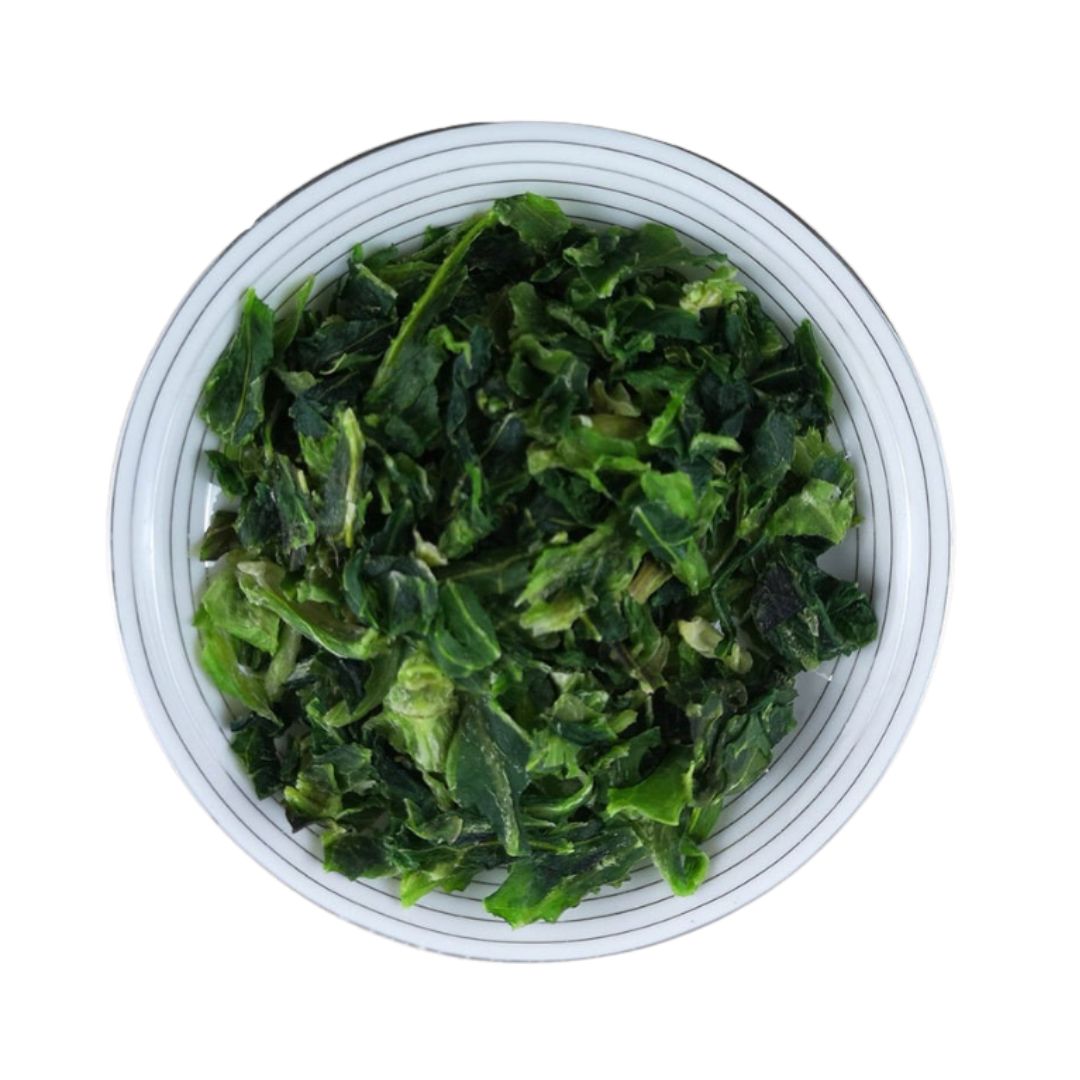
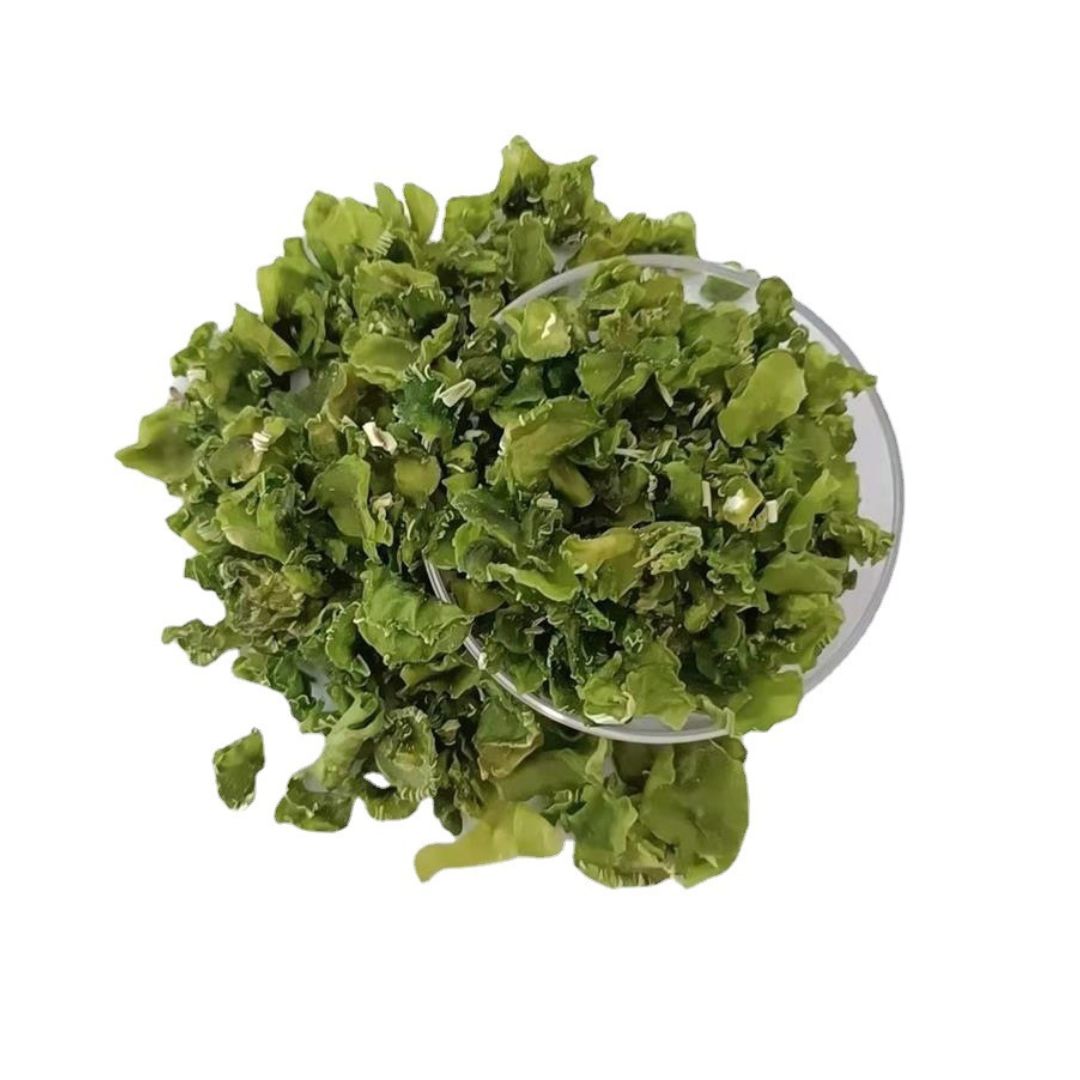
Dried lettuce is a processed form of Lactuca sativa, commonly known as lettuce, that has undergone dehydration to remove most of its water content. This process extends the shelf life of the lettuce and concentrates its nutritional components. The product is available in various forms, including flakes, powders, and small pieces, each suited for different applications. Dried lettuce retains some of the nutritional benefits of fresh lettuce, such as vitamins A and C, fiber, and minerals, though the extent of retention can vary based on the drying method employed [1].
Production Process
The production of dried lettuce begins with the selection of fresh lettuce heads, which are typically washed to remove soil and debris. After washing, the lettuce is cut into smaller pieces to facilitate efficient drying [2]. The cut lettuce is then spread on trays or belts for dehydration. Air-drying, a common method, involves circulating warm air around the lettuce to evaporate moisture. Freeze-drying, also known as lyophilization, is another technique where the lettuce is frozen and then placed in a vacuum chamber to sublimate the ice [3]. Freeze-drying generally preserves the lettuce's color, flavor, and nutritional content more effectively than air-drying. The dried lettuce is then inspected for quality, sorted, and packaged for distribution.
Product Applications
Dried lettuce is used in a variety of food products due to its convenience and extended shelf life. One common application is in instant soup mixes, where it rehydrates quickly to add texture and nutritional value [4]. It is also found in salad mixes to provide a crunchy element and visual appeal. The product makes its way into snack foods like vegetable chips and seasoning blends. Furthermore, dried lettuce is incorporated into pet food formulations as a source of fiber and vitamins for animals [5]. Moreover, with the rise in vegan and vegetarian diets, dried lettuce serves as a versatile ingredient in plant-based recipes, providing essential nutrients.
Packaging and Storage
Proper packaging and storage are crucial to maintaining the quality of dried lettuce. The product is typically packaged in airtight containers, such as sealed bags or jars, to prevent moisture absorption, which can lead to spoilage [6]. The packaging material should also protect the lettuce from light and air exposure to minimize oxidation and color degradation. Ideally, dried lettuce should be stored in a cool, dark, and dry environment with temperatures below 70°F (21°C) [7]. Under these conditions, dried lettuce can maintain its quality for up to 12 months or longer, depending on the drying method and initial quality of the lettuce. Regular inspection for signs of moisture or spoilage is recommended to ensure product safety and quality.
Citations
[1] Dei Cas, M., & Pagliarini, E. (2023). Nutritional and Antioxidant Properties of Fresh and Processed Lettuce. Foods, 12(1), 142.
[2] Sharma, H. K., et al. (2009). Dehydration of foods. Comprehensive Reviews in Food Science and Food Safety, 8(4), 317-337.
[3] Ratti, C. (2001). Textural properties of freeze-dried food products. Drying Technology, 19(1), 1-22.
[4] Okpala, C. O., & Kanu, C. C. (2011). Evaluation of the quality of instant soup mixes produced from blends of African yam bean seed flour, defatted groundnut flour and sweet potato flour. African Journal of Food Science, 5(7), 394-401.
[5] Murray, S. M., et al. (2015). Effects of dietary vegetable inclusion on nutrient digestibility and fecal characteristics of adult dogs. Journal of Animal Science, 93(8), 3962-3971.
[6] Rahman, M. S. (2007). Food preservation. Springer Science & Business Media.
[7] Fellows, P. (2009). Food processing technology: principles and practice. Elsevier.

As a sales manager, I’m here to make sure you get exactly what you need for your dietary supplements. From sourcing to delivery, I’m always by your side, ensuring smooth and friendly service. Let’s make your products even better! 🥰🌿