

Product Introduction
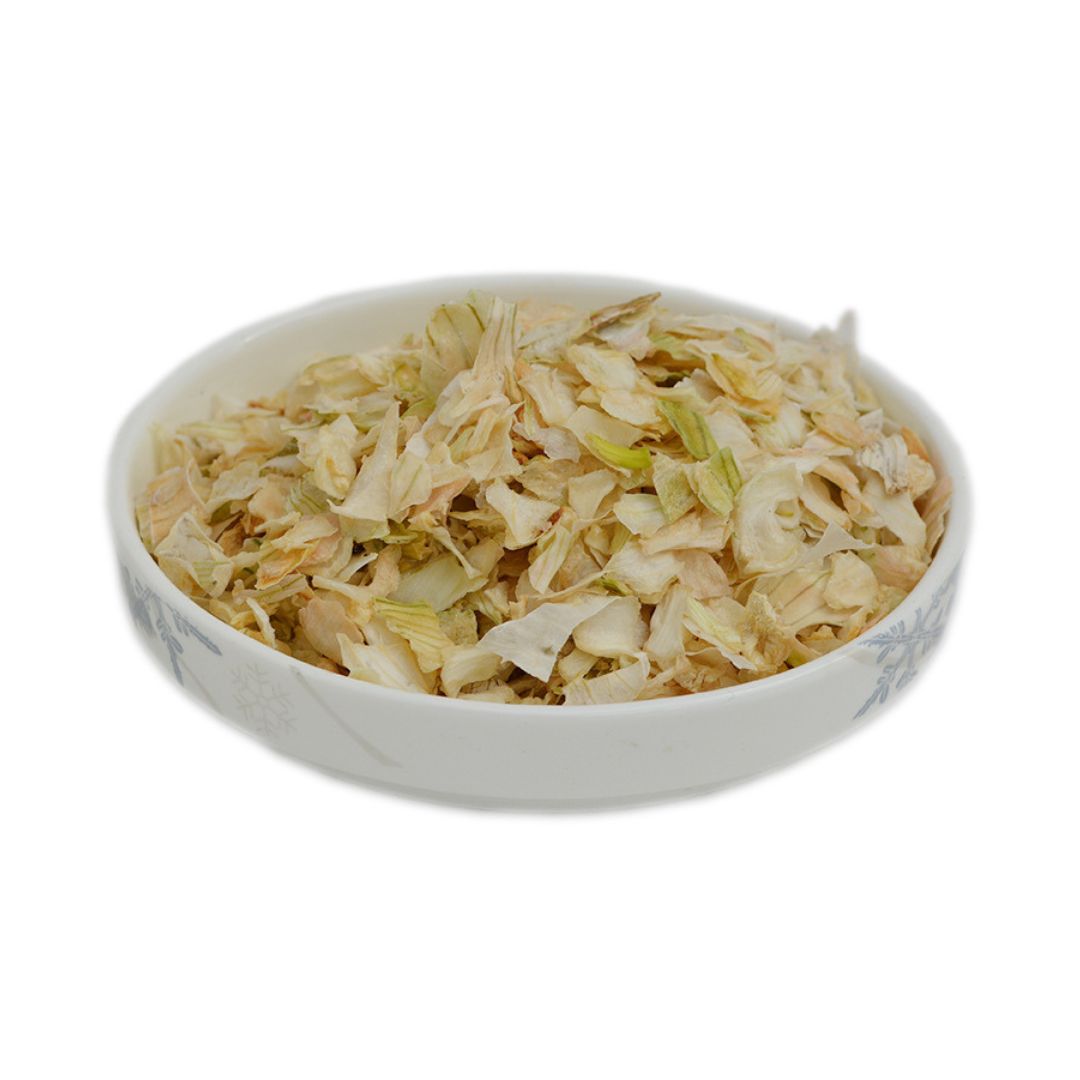
Dehydrated sliced parsnips are a convenient, shelf-stable alternative to fresh parsnips, offering a concentrated flavor and nutritional profile. Parsnips, Pastinaca sativa, are root vegetables closely related to carrots and parsley, known for their sweet, slightly spicy taste, which intensifies upon dehydration. The dehydration process removes most of the water content, resulting in a lightweight product with an extended shelf life. This process also preserves the inherent nutrients, making dehydrated parsnip slices a versatile ingredient for various culinary applications. Dehydrated parsnip slices are commonly used, because they provide a natural sweetness and depth of flavor.
Production Process
The production of dehydrated sliced parsnips begins with the selection of fresh, mature parsnips. After harvesting, parsnips undergo a thorough cleaning process to remove any soil and debris. Following the cleaning, the parsnips are sliced into uniform pieces to ensure consistent drying. These slices are then blanched, to inactivate enzymes that cause discoloration and off-flavors during storage; the blanching process helps to preserve the vegetable's natural color and nutritional content. The sliced and blanched parsnips are spread evenly on trays and placed in a hot air dryer, where controlled temperatures and airflow facilitate moisture removal, typically until the moisture content is reduced to below 10%. Regular monitoring of temperature and humidity is crucial during the drying process, to prevent scorching and ensure consistent quality. Once dried, the parsnip slices are cooled, inspected for defects, and packaged for distribution, maintaining the integrity of the finished product.
Product Applications
Dehydrated sliced parsnips are versatile ingredients in a variety of food applications. They are frequently added to dry soup mixes, providing a natural sweetness and hearty texture when rehydrated. In the production of instant noodles and ready-to-eat meals, these parsnip slices can enhance the flavor profile and nutritional value. Dehydrated parsnips are also utilized in vegetable blends and snack foods, offering a healthy and convenient option for consumers. The slices can be ground into a powder and used as a natural sweetener or flavor enhancer in sauces, gravies, and spice mixes. These parsnip slices can be rehydrated and used in traditional recipes, such as roasted root vegetables, providing a convenient alternative to fresh parsnips.
Packaging and Storage
Proper packaging is essential, to maintain the quality and extend the shelf life of dehydrated sliced parsnips. The product should be packaged in airtight containers, such as sealed plastic bags, glass jars, or metal cans, to prevent moisture absorption and oxidation. The packaging material should be food-grade and provide a barrier against light and air. Nitrogen flushing may be employed to remove oxygen from the packaging, further preventing oxidation and maintaining flavor. Optimal storage conditions include a cool, dry environment with temperatures below 70°F (21°C) and low humidity. Exposure to direct sunlight and heat should be avoided, as these conditions can degrade the product's color, flavor, and nutritional value. Under these conditions, dehydrated sliced parsnips can maintain their quality for 12 to 18 months. Regular inspection of the packaging for any signs of damage, such as leaks or tears, is recommended, to ensure the product remains in optimal condition.
Citations:
Sharma, H. K., & Gujral, H. S. (2011). Dehydration of foods. Drying Technologies in Food Processing, 1-25.
van Boekel, M. A. (2008). Effect of heating on Maillard reactions in foods. Critical reviews in food science and nutrition, 48(6), 479-493.
Fellows, P. J. (2009). Food processing technology: principles and practice. Woodhead publishing.

As a sales manager, I’m here to make sure you get exactly what you need for your dietary supplements. From sourcing to delivery, I’m always by your side, ensuring smooth and friendly service. Let’s make your products even better! 🥰🌿